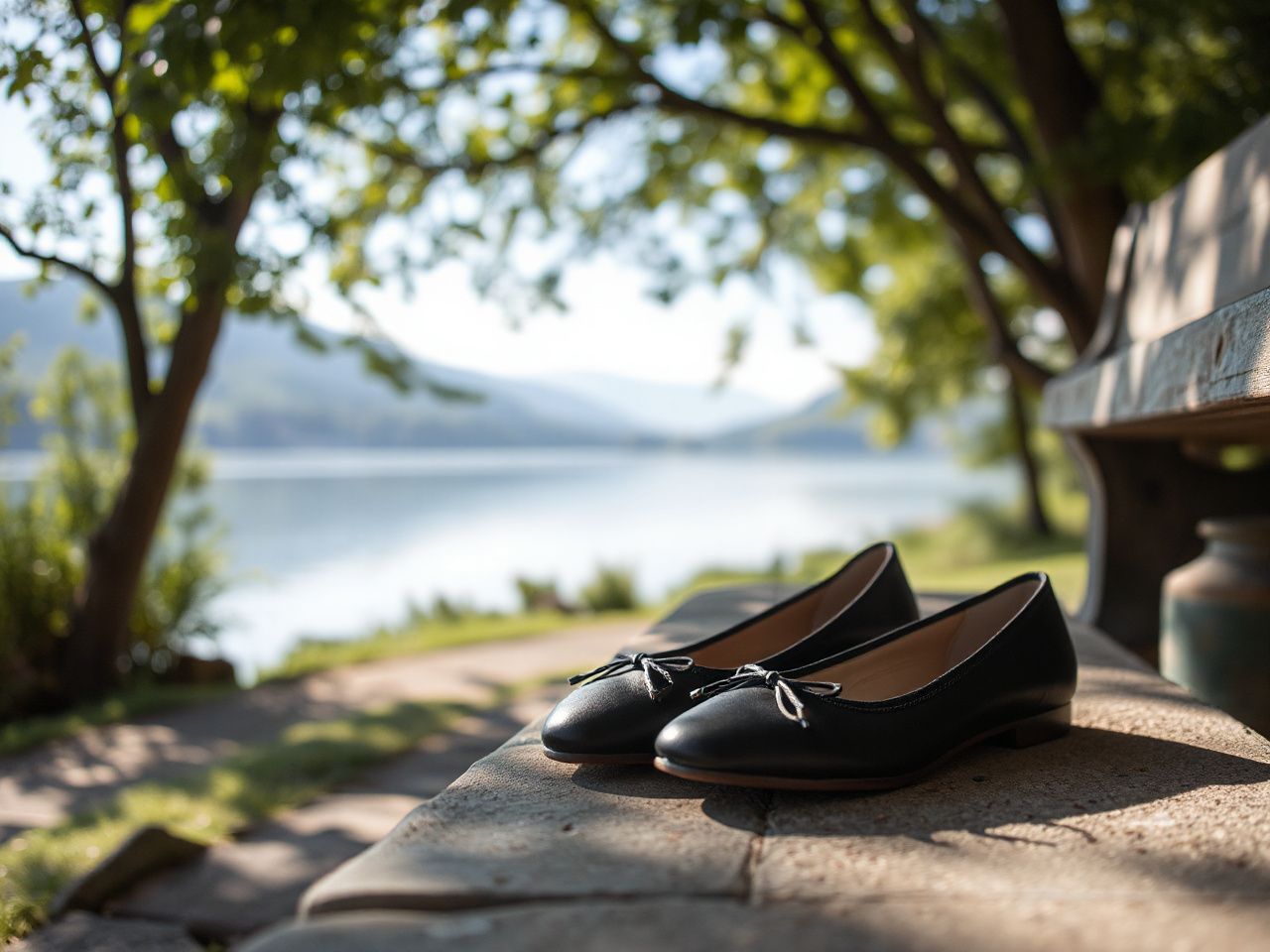
Black Flats for Women: What Nobody Tells You About Fit
Contents
Most black flats die before the trip does.
This doesn’t mean the obvious blowouts—sole flapping like a tongue, stitching that gives way mid-stride. It means the slow, invisible failures: the heel grip that loosens after three blocks, the insole that turns slick enough to send toes crashing into the toe cap, the outsole that folds in half and leaves arches aching by noon. Flats designed for women should be evaluated not just on appearance but on how they perform over varied terrain like gravel, rain, and desert heat. The first hour tells you exactly nothing. When considering flats, check them on hard floors and inclines first—a flat that slips at the heel or pinches at the toes will be misery by noon. Always check the outsole’s flexibility: if it bends in half easily, it’s likely too thin for real walking. Also, look at the insole—many budget flats have slick linings that make feet slide forward; a leather or textured insole grips better without extra socks.
This isn’t a shopping list. The brand matters less than the build. What matters is which materials and construction methods survive a dozen wash cycles, which break-in tricks actually prevent blisters, and why so many black flats turn into useless slices of leather after a single European downpour. These notes are worth reading before packing for a month abroad.
Key Takeaways
- The outsole must resist a full mid-foot fold—otherwise shock absorption disappears on cobblestones.
- Leather stretches up to half a size; synthetic linings rarely conform, leaving you with blisters or a loose, floppy fit.
- Suede black flats demand a fluoropolymer protectant spray before travel, and even then, heavy rain will leave permanent stains.
- A textured leather or microsuede insole prevents forward foot slide far better than slick synthetic linings, reducing toe bruising on descents.
What Separates a Travel Black Flat from a Masochism Device
Even on a motorcycle, a poorly engineered sole can be felt through the footpeg. Walk 12 miles through Lisbon’s Alfama district in thin flats, and the feedback isn’t subtle—it’s a stress fracture waiting to happen. A travel black flat needs three things before it earns a spot in the bag: a heel counter that refuses to collapse, an outsole that resists bending like a tortilla, and an insole that grips even when damp.
Outsole Flexibility: The Mid-Foot Fold Test
Bend a flat in half along the mid-foot. Does it fold like a greeting card? Pass on it. A sole that bends there transfers every cobblestone impact directly to the foot’s connective tissues. The soles that hold up best have a rigid arch zone with a slight curve, not a crease. The American Podiatric Medical Association notes that footwear lacking a contoured footbed and adequate shock absorption contributes to chronic foot pain, particularly plantar fasciitis. A sole that bends only at the toe joint while staying firm through the mid-foot distributes pressure more like a stiff hiking sandal, and it’s the single biggest factor in whether a pair stays comfortable from sunrise until after dinner.
Heel Grip and the Slippage Problem
The best way to check heel fit is on a 10-degree incline—a sloped driveway or a loading ramp works. If the back of the flat slips more than 3 mm, that heel will be raw by afternoon. Many black flats for women are built on a straight last with no anatomical heel cupping, so the only grip comes from friction. A suede-lined heel area adds grab; a smooth leather or synthetic lining does the opposite. Heel grips can help, but if the shoe’s collar is already too wide, no adhesive pad fixes it. The shoe will always slip.
Insole Materials and Why Slick Linings Fail
Budget flats often line the insole with a shiny synthetic textile that feels fine in the store. Add sweat, and suddenly you’re sliding forward on every downhill step. That slippage is what bruises toenails—the foot is driven into the front of the shoe on every downward step, and a full day of it is enough to darken a nail bed. A textured leather insole, or even microsuede, holds the foot in place without needing thicker socks. That matters when you’re packing for a warm climate and only brought sheer no-shows.
Interestingly, the most comfortable insoles feature zero arch support built in. They just have a deep heel cup and a metatarsal pad—a raised bump behind the toes that spreads the transverse arch. If you need more structure, many of the best walking shoes for women provide that arch support from the factory, but in a flat, a removable insole lets you swap in a thin orthotic without ruining the fit.

Leather, Suede, Synthetic: Which Material Survives 500 Miles?
Calfskin, Nappa, patent, and polyurethane-coated flats each respond differently to long days on asphalt, a quick rinse in a sink, and drying in an air-conditioning blast. The results aren’t subtle. Leather evolves; synthetics degrade.
Calfskin and Nappa Leather: The Half-Size Stretch
Calfskin tightens and relaxes with heat and moisture. After 50 miles, the toe box has lengthened enough to stop rubbing the longest toe. After 300 miles, the leather has mapped to the foot’s shape like a second skin—if it was the right size to begin with. Nappa leather, being softer, stretches faster but also wears through at the heel lining if it’s not reinforced with a countersunk panel. With Nappa flats, the heel lining often wears through before the sole does. Look for a heel lining made of pigskin or a separate piece of full-grain cowhide—it’s far more abrasion-resistant.
Patent Leather and Calfskin Variants
Patent leather doesn’t breathe. On a 90-degree day, sweat can pool inside. But the coated surface wipes clean instantly and doesn’t water-stain, so for a city trip with no rain gear, it’s surprisingly practical. The patent finish cracks if the toe box crease is sharp, so check that the last has a rounded toe angle, not a flat, abrupt point.
Leather sourced from tanneries certified by the Leather Working Group has undergone environmental and durability audits that demand a minimum tensile strength and tear resistance. That matters when you’re miles from a shoe repair shop and your flat’s upper rips at the flex point. Untreated leather is prone to ripping clean across; LWG-certified hides resist that catastrophic failure.
The Trap of Cheap Synthetics
Polyurethane-coated uppers look like leather in the listing photo. After 60 miles of walking, they crease into sharp ridges that dig into the top of the foot. After a wash, the coating peels. Synthetic flats tend to wear out fastest. They don’t stretch, so they blister faster. They don’t absorb conditioner, so the creases become permanent. The only synthetic design that worked had a stretchy mesh upper—but then it looked too sporty for a dinner out.
Suede: The Beauty That Hates Rain
Suede flats feel luxurious and mould to the foot immediately—no break-in. But a single splash of brown puddle water leaves a ring that’s nearly impossible to remove. Treat every suede pair with a fluoropolymer spray before leaving the house. Three coats, drying in between. Even then, if you’re caught in a downpour, the nap will mat, and the stain will set. The ASTM F2913 standard, which measures footwear slip resistance, shows that wet suede has a significantly lower coefficient of friction than textured rubber—so not only do the shoes stain, they become slick as ice on marble. I’ve fallen. Don’t pack suede unless the forecast guarantees dry skies.

Breaking In Stiff Leather Without a Blood Sacrifice
Don’t break in leather flats the hard way, by wearing them barefoot for 10 miles. Don’t do that. Instead, wear them with thick wool socks indoors for two hours at a time. The heat and moisture from your foot will stretch the leather at the toe box and around the heel, while the thick sock prevents a friction blister. After each session, insert a cedar shoe tree to hold the stretch while the leather cools and dries. If the shoe tree is too tight, wad up a damp (not wet) cotton sock and stuff it into the toe, then let it air dry away from direct heat. Direct heat—like a radiator or a hair dryer—will cook the leather’s oils and cause cracking within a month.
The toe box of a stiff full-grain leather flat usually needs three to four of these sock sessions before it stops pressing on the pinky toe. After that, thin socks and walking a mile on a smooth surface can help. If there’s still a hotspot, rubbing a beeswax balm into the area from the inside softens it, then wearing it immediately while it’s still pliable helps. Leather is preferred over synthetic because it can be softened and shaped. Synthetics tend to remain rigid.
Field Care Routines That Double a Flat’s Usable Life
On the road, clean black flats the same night they are worn, no matter how tired you are. A microfiber cloth and a tiny bottle of saddle soap—or hand soap in a pinch—wipe off road grime, sweat salts, and sunscreen transfer. Leather conditioner applied while the shoe is still slightly damp absorbs deeper and prevents the surface from drying into brittle creases.
After washing, never place flats in direct sunlight or in front of a heater. The rapid drying shrinks the leather fibers unevenly. In a humid climate, stuff them with newspaper for two hours, replace the paper, then leave them overnight. The newspaper draws moisture out gradually, preserving the leather’s natural oils. This routine has kept a pair of calfskin black flats looking presentable after 18 months of near-daily travel wear.
For suede, if you do get caught in rain, blot immediately with a dry cloth—never rub. Once dry, use a suede brush with brass bristles to raise the nap again. Saddle soap will darken suede and ruin the texture, so avoid it. A suede eraser can remove dry mud scuffs if you catch them early.
One more thing: rotate your flats. Wearing the same pair two days in a row, especially in humid conditions, prevents the insole from fully drying, and bacterial growth—and odor—set in fast. On any trip longer than a week, carry two pairs of black flats, not for variety, but because the shoes need a 24-hour rest between wears to maintain their shape and longevity.
Packing Black Flats So They Arrive in One Piece
Flats pulled from a suitcase can often look like they’ve been through a trash compactor, with heel counters squashed flat and toe boxes collapsed. A simple fix: stuff each shoe with a small rolled-up T-shirt or a pair of socks, then place them in a shoe bag. The stuffing prevents the upper from creasing during compression. Packing flats on the bottom layer of a suitcase, against the hard shell if it’s a spinner, ensures that area gets the least pressure from tightly packed clothes above.
Foldable flats designed to roll into a tiny ball are tempting for one-bag travellers. These are often used for terminal shuffles, but the soles are usually too thin for a full day of sightseeing. Think of them as backup shoes, not primary footwear. The sole on a foldable pair can delaminate after limited wear, because the repeated bending at the same stress point breaks the adhesive bond.
Wearing Black Flats From Dawn to Dinner
Black flats can transition from a morning museum crawl to a dinner reservation if they lack excessive ornamentation. Avoid bows, metallic buckles, or heavy contrast stitching—those scream “daytime casual.” A plain pointed toe or a refined almond toe in a matte black leather, buffed to a low sheen, reads as intentional at night. A quick wipe with a damp cloth before dinner removes the day’s dust, and a dab of conditioner on the toe cap brings back a subtle polish without looking like patent leather.
The test for a capsule wardrobe is whether the black flats work with three trouser styles: dark jeans, tailored trousers, and midi skirts. The same shoe worn with all three eliminates the need for heels. That is what turns one pair into a whole carry-on’s worth of footwear: a plain black flat is anonymous enough to be worn every day of a business trip without the repetition registering on anyone.
Frequently Asked Questions
How do I pick black flats that won’t kill my feet during a full day of sightseeing?
Start with the mid-foot bend test: a flat that folds completely in half at the middle won’t protect against hard surfaces. Look for a textured leather insole to prevent forward slide and a heel counter that doesn’t collapse under thumb pressure. Leather that stretches gradually is better than synthetics, but never buy a size too small expecting a dramatic stretch.
Do black flats stretch over time, and should I size down or up?
Leather black flats stretch up to half a size, mostly in the toe box length, not width. If you’re between sizes, go up and fill the extra space with a tongue pad. A too-small flat blisters the metatarsal area before the leather ever gives. Synthetics don’t stretch meaningfully, so buy your true measured size.
What’s the best way to clean suede flats when I get caught in rain?
Blot—never rub—the wet suede with a dry cloth. Let it dry completely away from heat, then brush with a brass-bristle suede brush. For dried mud, use a suede eraser. If water stains have already set, a light mist of white vinegar and water (1:1) dabbed with a sponge can sometimes even out the color, but results vary.
Are there black flats with actual arch support, or do I need inserts?
Most black flats have minimal built-in arch support because it would ruin the slim silhouette. The exception are flats with a metatarsal pad and a deep heel cup, which improve alignment without a bulky orthotic. If you need strong arch support, choose a pair with a removable insole and replace it with a thin, podiatrist-grade insert.
Is it worth spending more on leather flats versus cheaper synthetic ones for travel?
Yes. Leather conforms to your foot, breathes, and can be conditioned to extend its life. With regular care, leather flats can stay functional through a year or more of heavy travel. Synthetic flats delaminate, crack, and hold odor. For a shoe you’ll walk in daily, the cost per wear of a well-made leather flat is lower than a cheap pair you replace after one trip.