Denver to Glenwood Springs by Train: A Practical Guide
Contents
Packing for Amtrak’s California Zephyr out of Denver Union Station the way you would pack for a motorcycle trip — emergency blanket, two headlamps, a toolkit you have no business carrying onto a passenger train — looks like overkill right up until it isn’t. An unexpected freight derailment can shut the tracks east of Glenwood for six hours, and that is the moment the rest of the carriage starts scrambling for phone chargers or shivering in the observation car. The gear skipped to save money is almost always the gear regretted when it is needed most. Invest once, invest right. That same logic applies to trains—not the mechanical parts, but the soft gear, the layered clothing, the backup power. On a route like Denver to Glenwood Springs, where the tracks hug the Colorado River and cell service dies for 40-mile stretches, your biggest liability isn’t a breakdown; it’s being unprepared for the delay.
Key Takeaways
- The Denver to Glenwood Springs train trip typically takes 5.5 to 6 hours, but plan for 3–6 hours of delay buffer in every direction.
- Pack a personal survival kit—power bank, extra layer, snacks, and offline maps—even in summer.
- Monitor weather for Glenwood Canyon and Moffat Tunnel closures before you board; the train is not immune to Mother Nature.
- Have a backup accommodation plan and know the alternative bus routes (Bustang, local shuttles) in case the train permanently stalls.
Beginner Planning: Booking the Denver to Glenwood Springs Train and Setting Realistic Expectations
Understanding the Route and the Landscape That Controls It
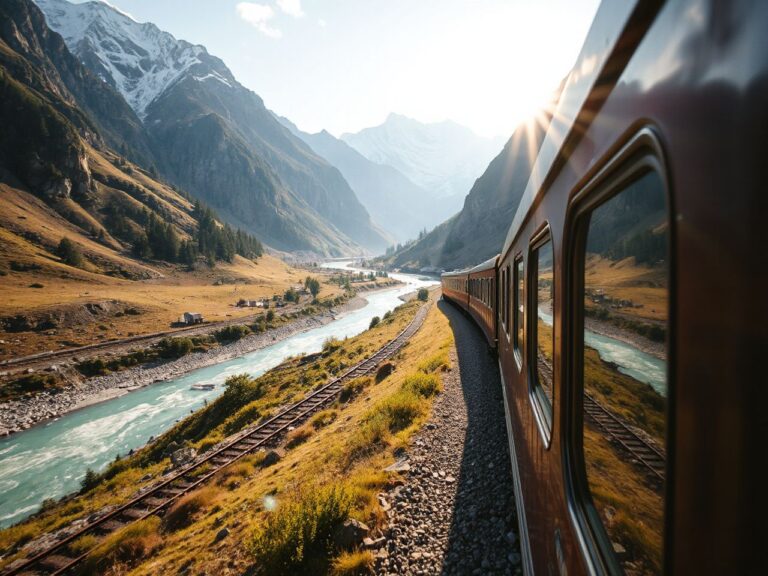
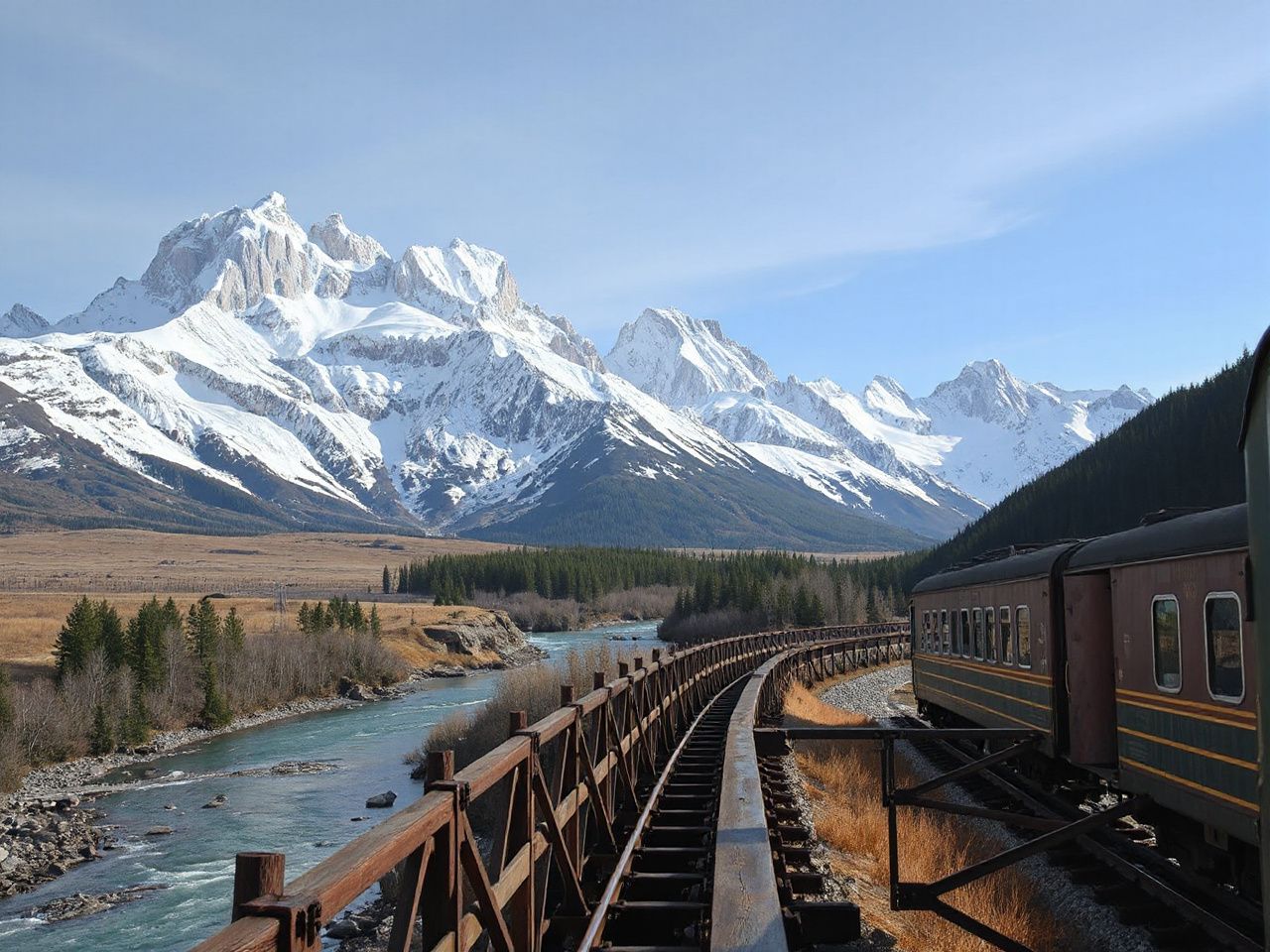
The California Zephyr pulls out of Denver’s beautifully restored Union Station once a day, usually around 8:05 a.m. heading west. It climbs through the Moffat Tunnel under the Continental Divide, then snakes along the Colorado River through some of the most breathtaking canyon country in North America. The stretch from the tunnel exit to Glenwood Springs is where things get tricky. Steep rock walls, narrow right-of-ways, and a river that runs high and fast in spring mean that rockslides, mudslides, and avalanches can shut down both the rail line and adjacent Interstate 70 for hours or even days. Planning to glide over the rails with a craft beer in the observation car assumes the best-case scenario, which may not happen. The mountain does not care about schedules. Trains are no different.
Buying Tickets for the California Zephyr
Book directly through Amtrak—no third-party resellers if you want flexibility. A coach seat from Denver to Glenwood Springs often runs between $40 and $70 one way, but prices climb as departure nears. Booking at least three weeks out is advisable. A roomette will set you back more, but it’s worth considering if you carry a lot of gear you don’t want to check; the storage in coach is overhead bins and a small rack at the end of the car. Check the cancellation policy and understand that Amtrak’s “guaranteed connections” don’t really apply on this point-to-point ride, so any missed connection at a further destination is on you to figure out. And never assume the train will be on time: the Zephyr’s on-time performance into Glenwood Springs hovers around 55–60% annually due to freight interference and weather.
Packing Your Personal Survival Kit for a Train Ride
This is where the motorcycle wisdom crosses over. On a bike, carry a tool roll and a first-aid kit that could stitch up a small laceration. On a train, swap the wrenches for a 20,000 mAh power bank, a 6-foot charging cable, a headlamp, a reusable water bottle with a built-in filter, and two days’ worth of high-energy snacks (nuts, jerky, dried fruit). The café car closes if the train gets stranded without crew change, and vending machines at stations are often a fiction. Also pack a lightweight down jacket and a packable rain shell no matter what the forecast says. The observation car’s climate control can fail, and stepping outside at a long stop at Winter Park or Granby in January at -10°F demands real insulation.
Intermediate Contingency Planning: What to Do When the Tracks Close or Delays Strike
Monitoring Weather and Track Conditions Before You Board
The morning of your Denver to Glenwood Springs trip, don’t just check your phone weather app. Pull up the National Weather Service point forecast for Berthoud Pass and Glenwood Canyon, and look at the Colorado Avalanche Information Center report if traveling between November and April. If a winter storm warning or a flash flood watch is active for the I-70 corridor, the railroad almost certainly has operational restrictions. Amtrak will not proactively call you about minor delays; the train may depart on time looking completely normal, only to sit on a siding for three hours waiting for a plow to clear a slide path. It happens more often than you’d think. Set expectations with anyone meeting you and enable Amtrak’s text alerts, but don’t rely on them—the alerts often lag reality by an hour.
Having a Plan B for Glenwood Canyon Disruptions
If the rails close east of Glenwood Springs, the train will stop at the nearest safe point—usually Granby or sometimes a siding just west of the Moffat Tunnel. In the worst case, you get turned back to Denver. For a motorcyclist, a breakdown means a tow truck; for a rail passenger, it means you must know alternative ground transportation cold. Program the Bustang West Line schedule into your phone. Preload the contact numbers for car rental agencies in Glenwood Springs, Eagle, and Grand Junction—yes, an Uber from Gypsum to Glenwood is possible if you get bused ahead. Keep a list of motels and hotels in both Granby and Glenwood with flexible cancellation policies. Panic is common when a simple rockslide cleanup leaves travelers stuck with no phone and no plan. They often end up paying $350 for a last-minute shuttle ride.
Communication When Cell Service Drops
For nearly 40 miles west of Granby, cell towers are nearly nonexistent. The train’s free Wi-Fi (if it even works) relies on the same dead cellular networks. A Garmin inReach Mini 2 satellite communicator can be used for these exact train segments to send text messages to a pickup or hotel confirming a delay even when the Amtrak crew can’t get a signal. For most people, the simpler fallback is to pre-compose a batch of text messages or emails and hit send whenever the train briefly passes through a pocket of weak signal near Dotsero. Sending a “delayed—ETA unknown” message as soon as the two-hour mark passes and then updating when possible is recommended.
Advanced Worst-Case Scenario Readiness: The Gear and Mindset for Extended Stranded Situations
Building a Rail-Ready Emergency Kit
An emergency kit for the Denver to Glenwood Springs route can fit in a 10-liter dry bag that never leaves your seat. It contains: a SOL emergency bivvy (reflective and packs to the size of a soda can), a small headlamp with extra batteries, a Sawyer Mini water filter (the train’s water tanks can run dry), a multi-tool with pliers, a handful of zip ties, a small roll of duct tape, a basic first-aid kit augmented with moleskin and electrolyte tablets, and enough food for 24 hours. That might sound excessive for a train ride, but recall the 2013 Colorado floods that washed out roads and rails for days. Amtrak can’t magically offload you somewhere if the tracks are gone. The crew will do their best, but their resources are finite. Self-sufficiency is not paranoia—it’s respect for the Colorado high country.
Leveraging Local Resources and the Train Staff
The Amtrak conductors and café attendants on the Zephyr are experienced, but they’re not search-and-rescue. If you’re stuck, become a cooperative problem-solver, not a complainer. Conductors may radio ahead to have a van meet a stranded passenger at a tiny flag stop if that passenger calmly explains they have medication that would run out. Offer to help others who are worse off—this builds goodwill and often gets you information quicker. Know the locations of hospitals, all-night gas stations, and 24-hour diners in the towns along the route. If you end up offloaded in a place like Granby at 11 p.m., the one grocery store will be closed, but the convenience store at the Kum & Go might still be open and have hot food. Carry cash in small bills; card machines fail when satellite links go down.
Managing Stress and Keeping Morale High
Long delays wear on even the most stoic traveler. A useful approach is to shrink your world to what you can control—warmth, hydration, entertainment. Packing a physical book (a sci-fi paperback that doesn’t need a battery), a deck of cards, and a journal can help. The observation car can feel like a pressure cooker after four hours of silence; some quiet conversation or a simple card game can defuse tension. A mental review of the weather and terrain can reassure that the delay is for safety, not incompetence. Many people lose their cool because they feel powerless. Preparation is the antidote.
If a true disaster strands you for multiple days—say a massive rockslide that takes weeks to clear—plan for long-term shelter. Motels along I-70 will fill instantly. This is where a little pre-scouted camping knowledge helps. Keep a list of public campgrounds and dispersed camping areas on your phone, including the campgrounds around Idaho Springs and further west. Even though the train doesn’t stop there, knowing where you can pitch a tent or sleep in a car if you get a rental gives you a massive psychological edge over travelers who assume a hotel room will always be available. Sleeping in a bag at a pull-off when the entire interstate shuts down is not comfortable, but it is a plan, and plans keep panic at bay.
Frequently Asked Questions
How long is the train ride from Denver to Glenwood Springs?
On paper, the trip takes between 5 hours 30 minutes and 6 hours. In reality, you should budget at least 8 to 9 hours total travel time, including potential delays, boarding, and unloading. Freight traffic, weather, and equipment issues frequently push the schedule back by 1–3 hours, and some trips have stretched to 10 hours or more when the Moffat Tunnel or Glenwood Canyon required emergency closures.
What is the best time of year to take the Denver to Glenwood Springs train?
Late May through early October offers the most reliable weather and fullest daylight for viewing the canyons. September is a great choice—cool air, golden aspens, and lower risk of flash floods. Winter trips are stunning with snow-covered rock faces, but come with a much higher chance of avalanche-controlled slide path closures and frigid platform conditions. Avoid March and April, when freeze-thaw cycles trigger frequent rockslides.
Does the Amtrak train from Denver to Glenwood Springs have Wi-Fi?
No, the California Zephyr does not offer Wi-Fi on this route. Cell service is extremely patchy, with long dead zones between Granby and Dotsero. Download all maps, tickets, and entertainment before leaving Denver. Carry a satellite messenger for critical communication, or activate your phone’s Wi-Fi calling feature and hope for fleeting signals near towns like Kremmling.
What should I pack for the Denver to Glenwood Springs train trip in winter?
Layered clothing is essential: a moisture-wicking base layer, insulating mid-layer, and a waterproof outer shell. Bring insulated boots and traction devices like Yaktrax if you need to walk on an icy platform at a stop. Pack extra gloves, a warm hat, and hand warmers. The train is heated, but the vestibules between cars get bitterly cold, and a long delay could force an outdoor transfer or waiting on an exposed platform.