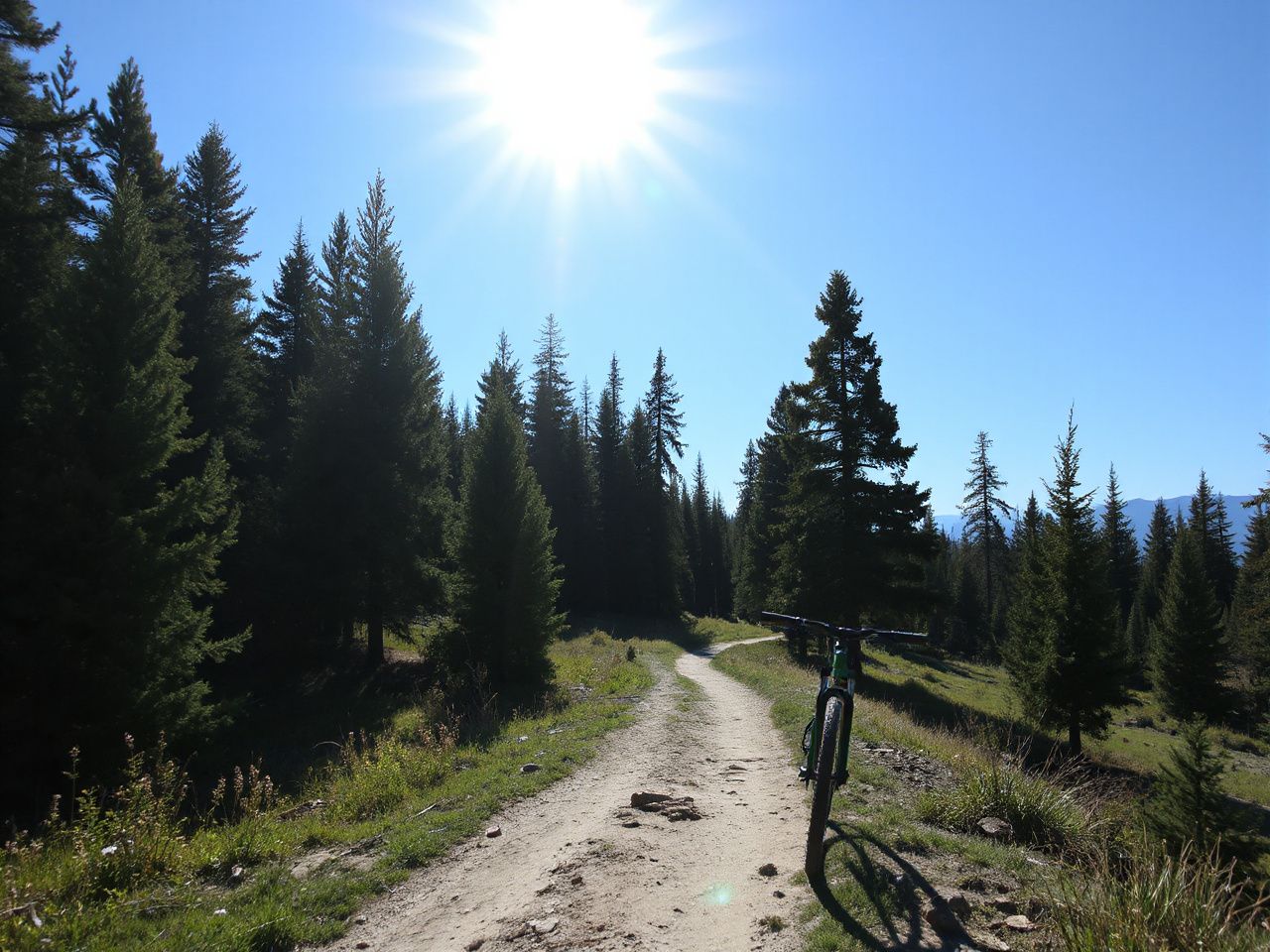
Cross Country Mountain Bike Trails: Complete Guide For 2026
Contents
Only about 12% of mountain bike trails in the US are true cross country routes. The rest are glorified fire roads or downhill park shuttles. That number is clear when evaluating how few trails are designed to maintain a consistent flow across five states. Real cross country riding isn’t about the climb or the descent alone. It’s about the sustained rhythm of both, over miles that test your fitness and your nerve equally.
Gear skipped to save money is almost always the gear you regret not having when you need it most. Invest once, invest right. On remote mountain trails, a cheap tire sidewall can fail far from help. Every cross country mountain bike trail can be judged by one metric: would you ride it again, knowing exactly what it demands?
Key Takeaways
- True cross country trails prioritize sustained flow over technical gnar — think 10- to 30-mile loops with rolling terrain.
- Route selection matters more than bike spec: look for trails with minimal pavement linking and reliable water sources.
- Navigation skills and self-sufficiency separate memorable rides from survival stories — always carry a map and extra tube.
What Makes a Trail Cross Country vs. Other Styles
Cross country mountain bike trails are defined by distance, elevation gain, and the absence of shuttle access. Unlike enduro or downhill, you pedal both up and down. The best routes offer a mix of smooth singletrack, punchy climbs, and fast descents that reward sustained effort. Look for trails where the average grade stays under 8% — anything steeper and you’re hiking, not riding.
Key characteristics of a true XC trail include: minimal technical rock gardens, rolling terrain with short power climbs, and flowy corners that carry speed. The International Mountain Bicycling Association (IMBA) rates XC trails as green (easy) to blue (moderate) on their difficulty scale. Black diamond XC routes exist but are rare — they usually involve steep, loose sections that demand precise line choice.
In 2026, the trend toward shorter travel bikes (100-120mm) and lightweight hardtails has made XC riding more accessible. But the trail itself remains the deciding factor. A 20-mile loop with 2,000 feet of climbing is a solid XC benchmark. Anything beyond 3,000 feet of gain per 10 miles starts pushing into marathon territory.
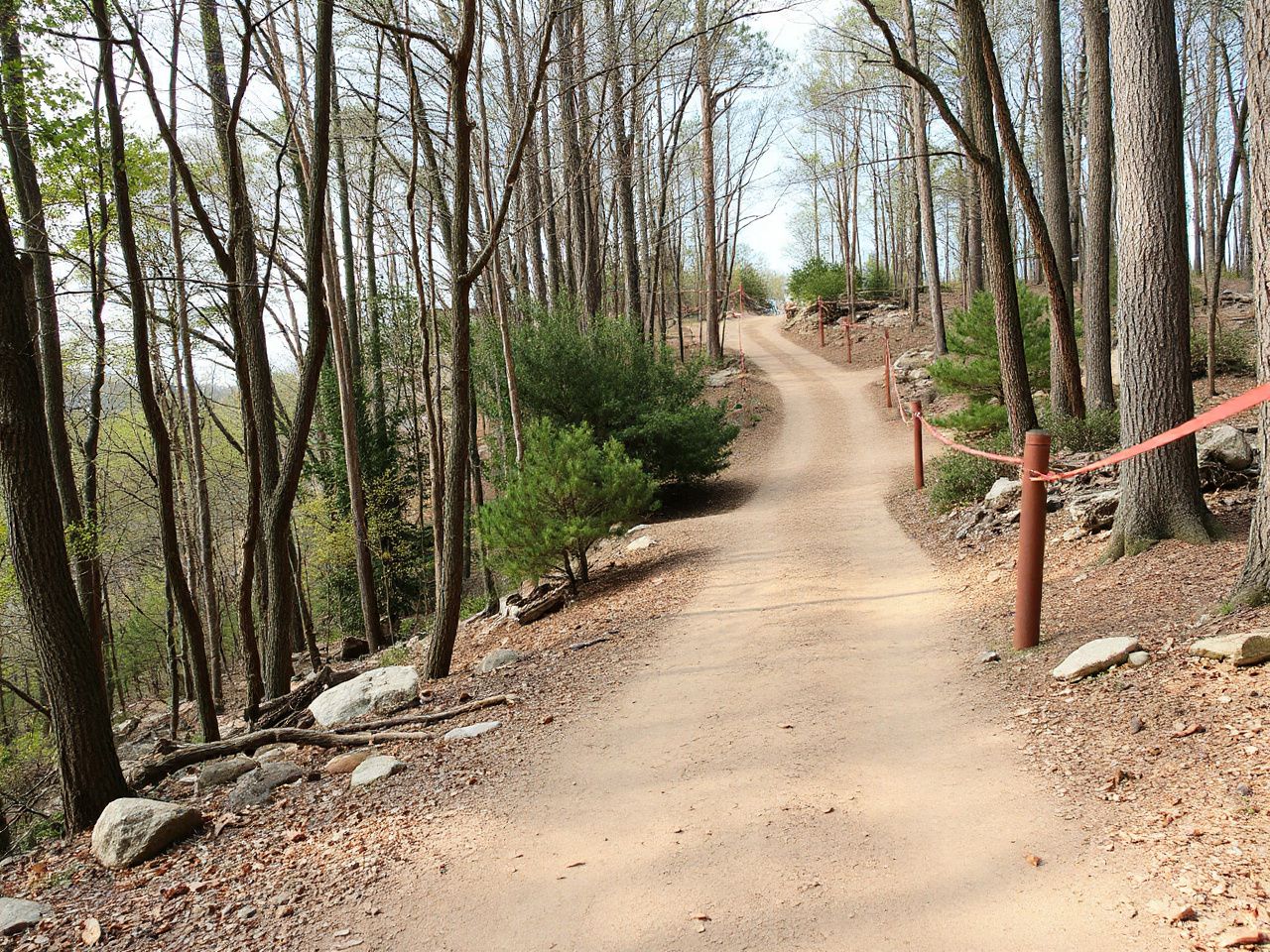
How to Choose the Right Cross Country Trail for Your Skill Level
Beginner-Friendly Routes
Start with IMBA green-rated trails. These have smooth surfaces, gentle grades under 5%, and minimal obstacles. Look for trails in state parks or national forests with clear signage. The best beginner XC loops are 8 to 12 miles with less than 800 feet of climbing.
Check local mountain bike clubs for route suggestions. Many maintain volunteer-built trail networks that are perfect for learning sustained pedaling. Avoid trails with ‘advanced’ or ‘expert’ in the name — they often include mandatory jumps or drops that aren’t fun on a hardtail.
Intermediate Riders
Once you can hold a steady pace for 15 miles, move to blue-rated XC trails. These include short technical sections — think rooty climbs, loose corners, and 6- to 12-inch rock steps. The key is maintaining momentum through obstacles rather than braking.
Good intermediate XC trails have a mix of 70% flow and 30% tech. Total distance should be 15 to 25 miles with 1,500 to 2,500 feet of climbing. Pay attention to trail direction: many XC loops are one-way to prevent head-on collisions. If you’re looking for the right bike to start with, our Trek 800 Mountain Bike: Our Top Picks for 2026 covers solid options for this level.
Advanced XC Routes
Advanced cross country mountain bike trails demand fitness and bike handling. Expect 25 to 40 miles with 3,000 to 5,000 feet of climbing. Terrain includes sustained climbs over 8% grade, loose descents, and exposed ridgelines. Navigation becomes critical — many advanced routes lack cell service and rely on paper maps or GPS devices.
Advanced XC loops in Best Bike Trails in Colorado: Our Top Picks for 2026 can require 6 hours of pedaling with only one water refill point. Self-sufficiency is non-negotiable. Carry a repair kit, extra food, and a first-aid pouch.
Top Cross Country Mountain Bike Trails in the US for 2026
Colorado Trail Segment 5 (Kenosha Pass to Copper Mountain)
This 30-mile point-to-point is a classic XC route. It gains 3,200 feet and loses 4,100 feet, with most climbing in the first 12 miles. The trail surface is mostly decomposed granite with occasional rocky sections. Best ridden between July and September due to snowpack. Average ride time is 4 to 6 hours at a steady pace.
Water sources are limited — carry at least 3 liters. The high point at 12,000 feet demands acclimatization. If you’re planning a trip, check the Colorado Trail Foundation’s trail conditions page before heading out.
Maah Daah Hey Trail (North Dakota)
At 144 miles, this is one of the longest continuous XC loops in the US. The Badlands terrain offers a unique mix of clay-based singletrack, short punchy climbs, and stunning views. The recommended XC section is the 25-mile loop from the CCC Camp trailhead.
Trail surface varies from hardpack to loose gravel. Expect temperatures from 60°F to 95°F in summer. Carry a GPS — trail markings can fade after winter. The Maah Daah Hey is remote, with cell service only at the trailhead.
IMBA Epic Trails (Various Locations)
IMBA designates certain trails as ‘Epic’ based on length, scenery, and challenge. These are vetted XC routes. Examples include the Pine Creek Trail in Pennsylvania (30 miles, 2,800 feet climbing) and the Worsley Loop in Arizona (20 miles, 1,500 feet climbing).
Epic trails are well-marked and maintained. They’re ideal for riders looking for a guaranteed quality XC experience without route-finding headaches. Check IMBA’s website for the current list — it updates annually.
Essential Gear for Cross Country Mountain Bike Trails
Bike Setup
A hardtail with 100mm front travel is the classic XC choice. It’s efficient for climbing and light enough for long days. Full-suspension bikes with 100-120mm rear travel are also common for rougher XC trails. Tire choice matters: use 2.2- to 2.4-inch tires with a semi-slick center tread for rolling efficiency and small side knobs for cornering grip.
Tubeless tires are standard for XC riding — they reduce puncture risk and allow lower pressures for traction. Set rear tire pressure to 25-28 psi and front to 22-25 psi for most XC conditions. Adjust based on rider weight and trail surface.
Carry Kit
For any XC ride over 15 miles, carry: a spare tube, tire levers, a mini pump or CO2 inflator, a multi-tool with chain breaker, a patch kit, and a quick link. Add a water filter for rides where natural water sources are available. The Sawyer Mini weighs 2 ounces and filters up to 100,000 gallons.
For navigation, use a GPS watch or handlebar-mounted device. The Garmin Edge 530 with preloaded routes suits this purpose well. Always carry a paper map as backup — electronics can fail.
Clothing and Hydration
For XC riding, wear a moisture-wicking jersey and padded shorts. A lightweight windbreaker or gilet packs small and helps on exposed descents. Use a hydration pack with 2 to 3 liters capacity. Add an electrolyte tablet per bottle to prevent cramping on long climbs.
Sun protection is critical at altitude. Use SPF 50+ sunscreen on exposed skin, and wear sunglasses with interchangeable lenses for changing light.
How to Train for Cross Country Mountain Bike Trails
Base Fitness
Build a foundation of 3 to 4 rides per week, each 1 to 2 hours at a conversational pace. Focus on steady-state effort — heart rate zone 2. This develops aerobic capacity for sustained climbs. Add one longer ride per week, gradually increasing distance by 10% weekly.
Indoor training is effective for XC. Use a smart trainer with apps like Zwift or TrainerRoad for structured workouts. Hill repeats on the trainer simulate XC climbing demands.
Technical Skills
Practice cornering on loose surfaces. Set up cones or use existing trail features to work on leaning the bike, not the body. Learn to lift the front wheel over obstacles — a bunny hop is essential for clearing roots and rocks without losing speed.
Descending technique: keep pedals level, weight back, and look through corners. Practice on short, gradual descents before attempting steeper terrain. The best XC riders maintain momentum through technical sections by choosing smooth lines.
Nutrition and Recovery
For rides over 2 hours, consume 30 to 60 grams of carbohydrate per hour. Use a mix of energy gels, chews, and real food like dates or peanut butter sandwiches. Drink 500 to 750 ml of water per hour, adjusted for temperature and effort.
Post-ride, eat a meal with 20 grams of protein and 60 grams of carbs within 30 minutes. This aids muscle repair and glycogen replenishment. Sleep 7 to 9 hours per night for optimal recovery.
Cross Country Mountain Bike Trails vs. Enduro: Key Differences
Many riders confuse XC and enduro. The main difference is intent. XC prioritizes efficiency and endurance over technical difficulty. Enduro focuses on timed descents with uphill transfers. XC trails are longer, with less vertical drop per mile, while enduro trails are shorter and steeper.
Bike geometry reflects this. XC bikes have steeper head angles (68-70 degrees) for climbing, while enduro bikes have slacker angles (63-66 degrees) for descending. Tire volume also differs: XC uses 2.2-2.4 inches, enduro uses 2.5-2.6 inches.
If you want a ride that tests your legs and lungs over hours, choose XC. If you prefer shuttle-accessed, gravity-focused runs, enduro is the better fit. Both are valid, but they require different skills and gear.
Planning a Cross Country Mountain Bike Trip
Route Research
Use Trailforks or MTB Project to find XC loops. Filter by distance, elevation gain, and difficulty. Read recent reviews — trail conditions change annually. Look for routes with minimal pavement sections; dirt connector trails are ideal.
Check land manager websites for closures. Many XC trails close during wet conditions to prevent damage. Spring thaw and fall rains are common closure periods.
Logistics
For point-to-point routes, arrange a shuttle or park a second car at the finish. Some trail systems offer shuttle services for a fee. For loops, park at the trailhead and ride the full circuit.
Accommodation options near XC trailheads include campgrounds, hostels, and motels. Book ahead in popular areas during peak season (June to September in the Rockies, October to April in the desert).
If you’re considering international XC riding, our The Complete Guide to Bike Trips in Spain covers routes in the Pyrenees and Sierra Nevada that rival US trails.
Safety
Tell someone your route and expected return time. Carry a satellite messenger or personal locator beacon in remote areas. The Garmin inReach Mini 2 is a popular choice. Know basic first aid for common trail injuries: cuts, scrapes, and dehydration.
Weather changes quickly in mountains. Check forecasts and carry extra layers. Lightning is a real risk above treeline — descend to lower elevation if storms approach.
Frequently Asked Questions
What is the difference between cross country and trail mountain biking?
Cross country focuses on long-distance, endurance-based riding with a mix of climbing and descending. Trail mountain biking is a broader category that includes XC but also emphasizes technical features and shorter, more gravity-oriented loops. XC bikes are lighter and have less suspension travel than trail bikes. XC trails are typically longer and less steep than trail-specific routes.
Can you ride cross country on a hardtail?
Yes, hardtails are excellent for XC riding. They are lighter, more efficient climbers, and cheaper to maintain than full-suspension bikes. Many professional XC racers use hardtails on smoother courses. For rougher XC trails with roots and rocks, a full-suspension bike with 100-120mm travel offers more comfort and traction without sacrificing much efficiency.
How long does it take to ride a 20-mile cross country trail?
Average ride time for a 20-mile XC trail with 2,000 feet of climbing is 2.5 to 4 hours, depending on fitness and trail difficulty. Beginner riders should plan for 4 to 5 hours. Add 30 minutes for breaks and mechanical issues. Use a GPS or cycling computer to track pace and distance.
What should I eat before a cross country ride?
Eat a meal with complex carbohydrates and moderate protein 2 to 3 hours before riding. Examples: oatmeal with nuts and berries, a banana with peanut butter on whole-grain toast, or a bowl of rice with chicken. Avoid high-fat or high-fiber foods that may cause digestive issues. Drink 16 to 20 ounces of water in the hour before the ride.