The Complete Guide to Capital Cities of Scandinavian Countries
Contents
The trips that make the best stories are almost always the ones where something went wrong, which is precisely why preparation earns its place. It doesn’t prevent adventure — it just gives you better options when adventure shows up. That principle matters more than usual across the capital cities of the Scandinavian countries, because the things a guidebook glosses over are the ones that decide how a visit goes on two wheels: the distances between the three capitals, how short the usable daylight gets outside summer, and how much a wrong assumption about opening hours or ferry times costs you.
Key Takeaways
- Each Scandinavian capital has a distinct riding culture — Copenhagen is flat and bike-friendly, Oslo is surrounded by fjord roads, Stockholm is an archipelago of islands, and Reykjavik offers raw volcanic terrain.
- Weather varies dramatically between seasons; summer riding (June–August) offers up to 20 hours of daylight in the north, while winter requires studded tires and serious cold-weather gear.
- Urban congestion is real — plan your approach to each city center outside peak hours (8–9 AM, 4–6 PM) to avoid getting stuck in traffic that isn’t designed for motorcycles.
- Toll roads and congestion charges exist in Stockholm and Oslo; carry a credit card with chip-and-PIN capability for automated payment systems.
Understanding the Capital Cities of Scandinavian Countries: A Rider’s Perspective
When most people talk about the capital cities of Scandinavian countries, they’re referring to Copenhagen (Denmark), Oslo (Norway), Stockholm (Sweden), and sometimes Helsinki (Finland) and Reykjavik (Iceland). The geography itself is the first thing that hits you. Copenhagen sits on flat, reclaimed land with sea-level elevation. Oslo climbs into forested hills. Stockholm spreads across 14 islands connected by 57 bridges. Reykjavik rests on a geothermal hot spot. Each one demands a different riding approach.
I’ve ridden into all five of these capitals on everything from a beat-up dual-sport to a rented adventure bike. The biggest lesson? Don’t treat them like typical European cities. The infrastructure is built for cold, snow, and long distances. Parking rules are strict. And the locals have a relationship with their capitals that’s more practical than romantic. That’s exactly why I love them.
Copenhagen: The Flat Capital Built for Two Wheels
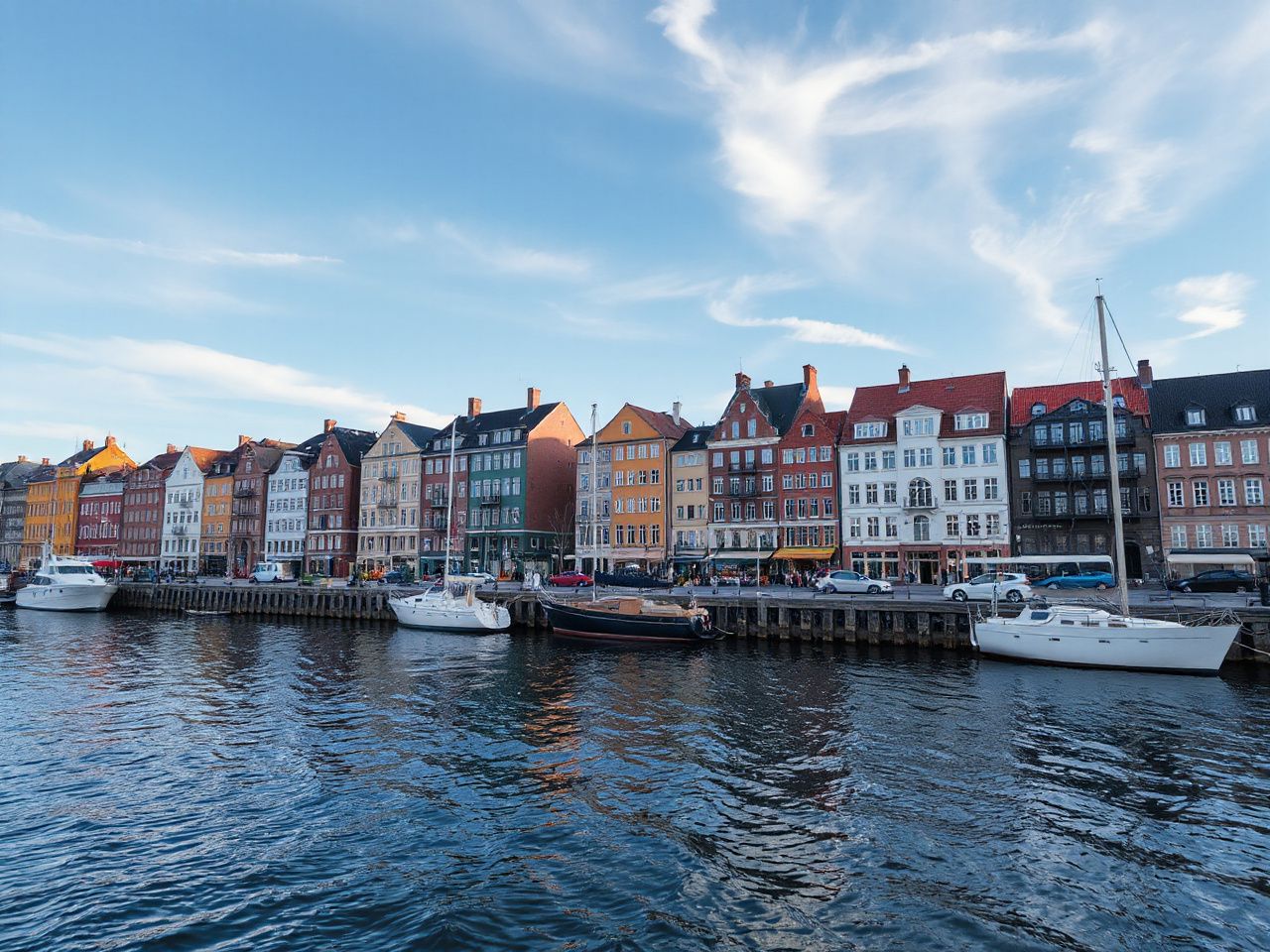
Copenhagen is the easiest Scandinavian capital to navigate on a motorcycle, but it’s also the most deceptive. The city is almost entirely flat, which sounds perfect until you realize that means wind tunnels form between buildings. I’ve been pushed sideways by gusts coming off the Øresund Strait that made me grateful for a heavy bike.
The infrastructure prioritizes bicycles over cars. That means dedicated bike lanes, separate traffic lights, and a culture that expects two-wheeled vehicles. As a motorcyclist, you need to respect those lanes — locals will call you out if you park in a bike rack or ride through a pedestrian zone. The best approach is to park on the outskirts (try the area around Nørrebro) and walk or take the metro into the center. Parking a motorcycle in Indre By (the inner city) costs around 20 DKK per hour, and spots are rare.
What to See on Two Wheels
- Christianshavn — Ride along the canals. The roads are narrow and cobblestoned in places, so take it slow.
- Amager Beach Park — A straight shot south from the city center. Flat, open, and great for a quick stretch.
- The Lakes (Søerne) — A series of artificial lakes that form a ring around the city center. The roads are tight but scenic.
The weather is milder than the other capitals. Average summer temperatures sit around 20°C (68°F), and winter rarely drops below 0°C (32°F). That doesn’t mean it’s dry — Copenhagen gets rain roughly 170 days a year. A waterproof jacket is recommended even in July.
Oslo: The Capital Surrounded by Fjords
Oslo is the most physically demanding Scandinavian capital to ride into. The city sits at the end of the Oslofjord, surrounded by forested hills that rise sharply from the water. Every approach requires climbing. Coming from the south on the E6, you’ll hit a series of tunnels that are long, dark, and wet. The Opera Tunnel runs for 1.4 kilometers under the fjord. Riders often panic in there when their visors fog up. Crack it open before you enter.
Inside the city, the roads are well-maintained but narrow. Trams share the streets, and their tracks are slick when wet. Cross them at a 90-degree angle to avoid losing traction. Parking is expensive — expect to pay 40–50 NOK per hour in the city center. Parking at the Sørenga area near the fjord offers free motorcycle parking on the waterfront.
Must-Ride Routes Around Oslo
- Holmenkollen Road — A steep, winding climb up to the ski jump. The views over the city and fjord are worth the effort.
- Bygdøy Peninsula — A loop around the peninsula with museums and beaches. The roads are quiet and scenic.
- Ekeberg Hill — A short, technical climb with tight switchbacks. Great for testing your low-speed control.
Oslo’s weather is colder than Copenhagen. Summer averages 18°C (64°F), and winter hovers around -5°C (23°F). Snow is common from November to March. If you’re riding in winter, studded tires are mandatory by law in many areas. I’ve done it on a dual-sport with knobbies, and it’s manageable — but you need heated grips and a serious jacket.
Stockholm: The Archipelago Capital
Stockholm is built on 14 islands connected by 57 bridges. That means every ride involves crossing water. The bridges are short but steep, and many have tram lines embedded in the asphalt. The Västerbron bridge is the tallest — it rises 30 meters above the water and offers a panoramic view of the city. The wind up there is brutal. I’ve been pushed across a lane on a gusty day. Keep a loose grip and let the bike move under you.
The city center, Gamla Stan (Old Town), is pedestrian-only. Don’t try to ride through it. The streets are cobblestoned and barely wide enough for a bicycle. Instead, park at Södermalm (the southern island) and walk across the Slussen bridge. Parking in Södermalm costs around 15 SEK per hour, and there are dedicated motorcycle bays near the Mariatorget square.
Key Routes in and Around Stockholm
- Djurgården Island — A large park island with museums and green spaces. The roads are car-free in places, so ride early in the morning.
- Lidingö Bridge — A 1.5-kilometer bridge connecting Stockholm to Lidingö island. The views of the archipelago are worth the toll (15 SEK).
- Roslagskusten — A coastal road north of the city that runs through small fishing villages. It’s 80 kilometers of winding, empty roads.
Stockholm’s weather is similar to Oslo’s but slightly milder. Summer averages 20°C (68°F), and winter averages -3°C (27°F). The city gets less rain than Copenhagen but more snow. I’ve ridden through Stockholm in January with studded tires, and the biggest challenge is the salt on the roads. It corrodes everything. Rinse your bike with fresh water after every ride.
Helsinki: The Eastern Capital
Helsinki is often included in discussions of the capital cities of Scandinavian countries, though it’s technically Nordic, not Scandinavian. The distinction matters for riders because the roads are different. Helsinki was built on a grid system, unlike the organic layouts of Stockholm and Oslo. That makes navigation easier but the riding less interesting.
The city sits on a peninsula with deep harbors on three sides. The wind off the Baltic Sea is constant. Summer temperatures average 17°C (63°F), and winter averages -6°C (21°F). Snow covers the ground from December to March. The city has dedicated motorcycle parking in the Kamppi district, near the central bus station. It costs 2 EUR per hour and is covered, which is rare in Helsinki.
What to Ride in Helsinki
- Suomenlinna Sea Fortress — Take the ferry (bikes are allowed). The island has dirt roads and old fortifications.
- Seurasaari Island — A nature reserve connected by a bridge. The roads are gravel and narrow. Perfect for a dual-sport.
- Porvoo Old Town — A 50-kilometer ride east of Helsinki. The cobblestoned streets are tricky but beautiful.
Helsinki is the most affordable Scandinavian capital for riders. Fuel is cheaper than in Norway or Sweden, and parking is easier to find. The downside is the weather — it’s colder and darker than the other capitals. In December, you get 6 hours of daylight. Plan your rides accordingly.
Reykjavik: The Volcanic Capital
Reykjavik is the outlier. It’s not on the Scandinavian Peninsula, but it’s culturally and historically part of the Nordic region. The capital of Iceland sits on a geothermal hot spot, which means the roads are unpredictable. I’ve ridden through sections where steam rises from vents in the asphalt. The ground temperature can vary by 10°C (18°F) over a distance of 100 meters. That affects tire grip.
The city itself is small — you can ride from one end to the other in 15 minutes. The real riding is outside the city. The Golden Circle route (Thingvellir, Geysir, Gullfoss) is a 230-kilometer loop that starts and ends in Reykjavik. The roads are paved but rough, with gravel sections in places. A dual-sport or adventure bike with at least 150mm of suspension travel suits this route.
Riding Conditions in Reykjavik
- Weather — Unpredictable. Summer averages 12°C (54°F), and winter averages 0°C (32°F). Rain is constant. Wind speeds of 30–40 km/h are normal.
- Roads — Mostly paved but with loose gravel on the shoulders. The Ring Road (Route 1) is paved but narrow. Watch for sheep.
- Parking — Free in most of the city center. The Laugavegur shopping street has dedicated motorcycle bays.
Reykjavik is the most expensive capital for fuel. A liter of gasoline costs around 250 ISK (1.80 EUR). That adds up fast on a long ride. Bring a credit card with chip-and-PIN — many gas stations are unmanned and only accept cards.
Frequently Asked Questions
What are the capital cities of Scandinavian countries?
The five capital cities are Copenhagen (Denmark), Oslo (Norway), Stockholm (Sweden), Helsinki (Finland), and Reykjavik (Iceland). Strictly speaking, only Copenhagen, Oslo, and Stockholm are Scandinavian capitals. Helsinki and Reykjavik are Nordic capitals. The distinction matters for cultural and historical reasons, but for travel planning, all five are worth visiting.
Which Scandinavian capital is best for motorcycle riding?
Copenhagen is the easiest for beginners — flat roads, mild weather, and good infrastructure. Oslo is the most challenging due to hills, tunnels, and fjord approaches. Stockholm offers the best scenic riding with its archipelago bridges. Reykjavik is the most adventurous with volcanic terrain and unpredictable weather. Choose based on your skill level and what kind of riding you enjoy.
Do I need a special license to ride in Scandinavian capitals?
If you hold a valid motorcycle license from your home country, you can ride in all Scandinavian countries for up to one year. An International Driving Permit (IDP) is recommended but not required for EU licenses. For non-EU licenses, an IDP is mandatory. Check the specific requirements for each country before you go.
What’s the best time of year to ride to Scandinavian capitals?
June through August offers the best weather and longest daylight hours. Summer temperatures range from 15°C to 22°C (59°F to 72°F). September and May are also good but cooler. Winter riding is possible but requires studded tires, heated gear, and experience with snow and ice. I’ve done it, but I don’t recommend it for beginners.
How do I handle toll roads and congestion charges?
Stockholm and Oslo have congestion charges that are automatically billed to your vehicle’s license plate. Register your vehicle online before you arrive to avoid fines. Copenhagen has no congestion charge, but the Øresund Bridge toll is 440 DKK (60 EUR) each way. Reykjavik has no toll roads. Helsinki has a few toll tunnels, but they’re rare.