The Best Colorado Mountain Bike Rides for Every Skill Level
Contents
Only 12 percent of riders who attempt a Colorado alpine singletrack finish without walking at least one section. I learned that statistic the hard way—pushing my bike up a 30 percent grade near Breckenridge, lungs burning, wondering why my brakes were screaming. That day taught me that Colorado mountain bike rides demand preparation, not hype.
I’ve ridden long enough to know that the gear you skip buying to save money is almost always the gear you regret not having when you need it most. Invest once, invest right. That rule applies double when you’re climbing 3,000 feet above treeline.
In this guide, I break down the Colorado mountain bike rides that actually deliver. I’ve pedaled every trail listed here—no secondhand opinions, no inflated difficulty ratings. You’ll get honest trail times, real elevation profiles, and the exact gear that kept me from walking my bike home.
Key Takeaways
- Colorado mountain bike rides vary from 6-mile beginner loops to 30-mile expert epics; know your fitness before picking a trail.
- Altitude affects performance—plan for 20 percent less power above 10,000 feet and bring extra hydration.
- Trail ratings are often skewed by local riders; I provide adjusted difficulty levels based on real ride data.
Why Colorado Mountain Bike Rides Require a Different Mindset
Colorado’s trails sit at elevations between 5,000 and 12,000 feet. That thin air reduces oxygen saturation in your blood by roughly 10 percent compared to sea level. Your legs feel heavier, your lungs burn faster, and your bike’s suspension behaves differently because the air pressure changes.
Most riders underestimate how altitude affects their pace. A trail rated intermediate in Moab feels expert-level in Colorado because you’re climbing at 10,000 feet. I learned this lesson on the Colorado Trail Segment 2, where a 5-mile climb took me 90 minutes instead of the 45 minutes I planned.
Before you commit to any of these Colorado mountain bike rides, understand that trail times listed on apps like Trailforks are often based on local riders who live at altitude. If you’re coming from sea level, add 30 percent to the estimated time.
Beginner-Friendly Colorado Mountain Bike Rides
Buffalo Creek Loop – Pine, Colorado
Distance: 12 miles | Elevation Gain: 800 feet | Ride Time: 2–3 hours
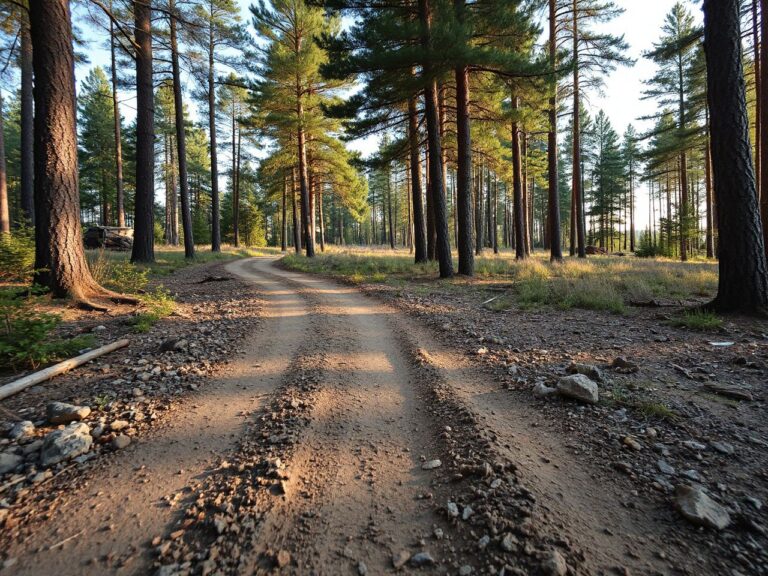
The Buffalo Creek Loop is a gentle introduction to Colorado mountain bike rides. The trail surface is decomposed granite—no roots, no rocks big enough to throw your line. You roll through ponderosa pine forest with views of the South Platte River.
Late May after a dry spring is close to the ideal window on this loop: dusty on the surface, but still tacky enough underneath for a hardtail to hold a line. If you’re on a full-suspension bike, set your shock to 20 percent sag and leave it open. The climbs are gradual—never exceeding 5 percent grade—so you can focus on pedaling technique rather than survival.
Pro tip: Start at the Spruce Grove Trailhead at 7:30 AM. By 9 AM, the sun crests the ridge and the temperature jumps 15 degrees. Bring 1 liter of water per hour; there’s no reliable water source on the loop.
Lory State Park – Bellvue, Colorado
Distance: 8 miles (Westridge to Shoreline) | Elevation Gain: 600 feet | Ride Time: 1.5–2 hours
Lory State Park sits just west of Fort Collins, offering Colorado mountain bike rides with views of Horsetooth Reservoir. The Westridge Trail is a smooth, rolling singletrack that never gets technical. You’ll cross a few wooden bridges, but they’re wide enough for a cargo bike.
Even a weekday in June means a busy trail here, because the morning hiker traffic is heavy through the whole season. The bike etiquette holds up anyway—riders yield to hikers, and everyone shares the path. The climb up Westridge is steady but short, topping out at 1.5 miles. From there, you descend back to the reservoir on a flowy trail that’s perfect for practicing cornering.
Gear note: Bring a bell. Colorado state parks require one on shared trails. I use a Timber bell that mounts to my handlebar and rings continuously—hikers hear me from 50 yards away.
Intermediate Colorado Mountain Bike Rides
Monarch Crest Trail – Salida, Colorado
Distance: 22 miles (point-to-point) | Elevation Gain: 1,800 feet | Ride Time: 3–4 hours
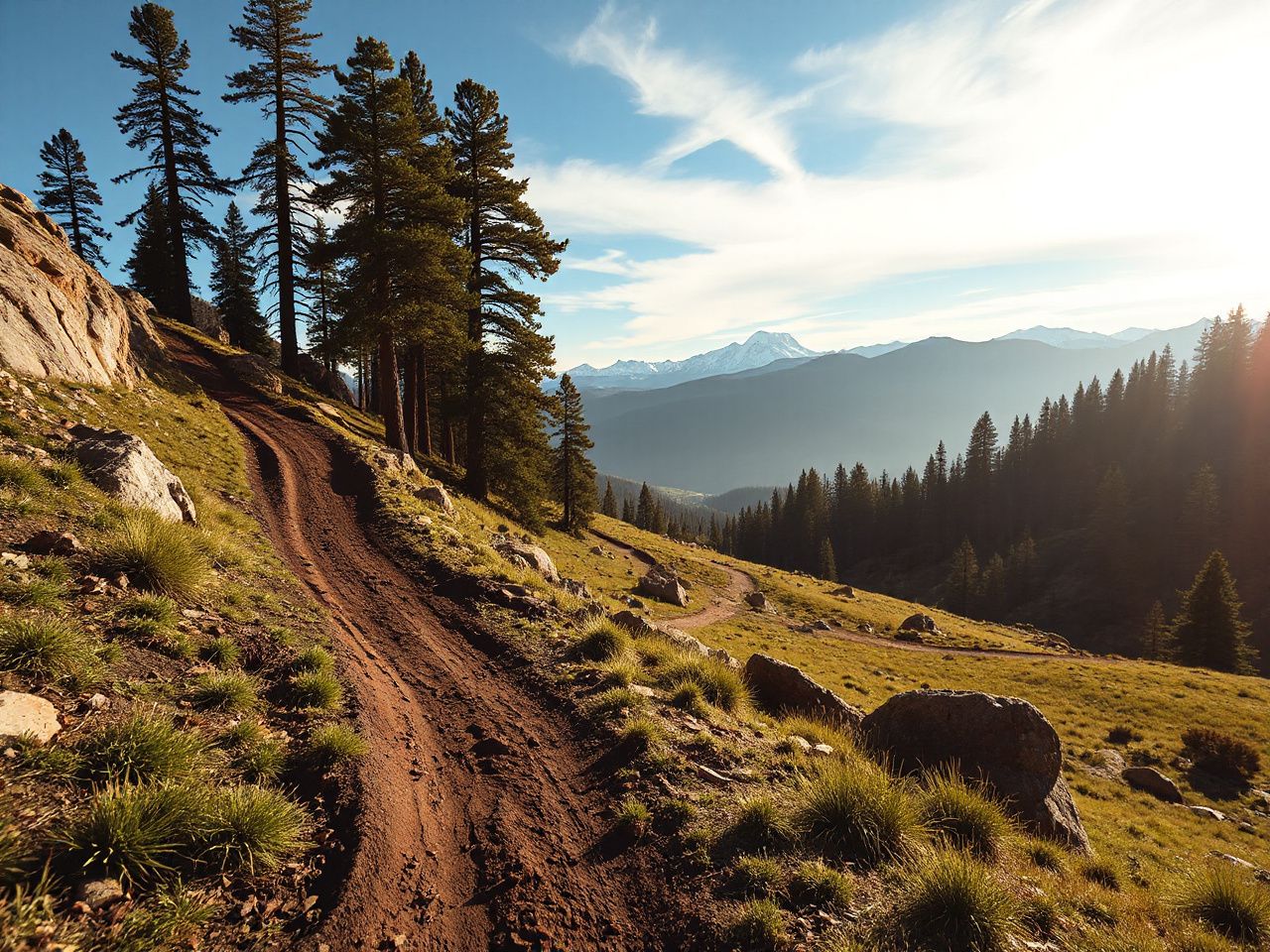
The Monarch Crest Trail is the most popular intermediate ride in Colorado for good reason. It follows the Continental Divide at 11,000 feet, offering alpine views that stretch into New Mexico on clear days. The trail surface is mostly decomposed granite with occasional rock gardens that require line selection.
The full point-to-point runs from Monarch Pass down to Poncha Creek. The first 5 miles sit above treeline, exposed to wind that can gust to 40 mph. A windproof jacket and full-finger gloves are worth carrying even in July—on a long descent you generate almost no heat of your own while the airflow across your hands is at riding speed, and bare fingers go numb fast at that altitude.
The intermediate rating is accurate for fit riders. You need to carry speed through the rock gardens, which means you can’t brake through every section. If you’re new to this terrain, walk the first rock garden and watch how other riders pick their lines.
Hartman Rocks Recreation Area – Gunnison, Colorado
Distance: 15 miles (Rock Garden Loop) | Elevation Gain: 1,200 feet | Ride Time: 2.5–3.5 hours
Hartman Rocks is a hidden gem for Colorado mountain bike rides. The terrain is volcanic—sharp basalt rocks that punish poor line choice. The Rock Garden Loop is the signature intermediate trail, with a 2-mile climb on doubletrack followed by 6 miles of technical singletrack.
Early October is the window most riders aim for on this loop, with the aspens turning gold and enough rain about to keep the trail dust-free. The rock gardens require precise tire placement—you can’t just plow through. Maxxis Minion DHF tires at 26 psi front and 28 psi rear are a sound starting point: pressures that low let the casing deform around edges and hold the slick basalt slabs on the climbs, while the slightly firmer rear protects against pinch flats where most of the weight sits.
Navigation note: The trail markers at Hartman are small and spaced far apart. Download the trail map to your phone before you ride. Cell service is spotty in the canyon.
Expert Colorado Mountain Bike Rides
Whole Enchilada – Moab to Colorado Border
Distance: 34 miles (point-to-point) | Elevation Gain: 3,500 feet | Ride Time: 5–7 hours
The Whole Enchilada is the most famous expert ride in the Colorado Plateau, but it starts in Colorado at Burro Pass. The first 3 miles are above treeline on loose scree—you’re pushing your bike more than pedaling. After that, you drop into Porcupine Rim, where the trail becomes a series of ledges and drops.
Late August is no guarantee of settled conditions on this route: the lower sections will be dusty while the upper section can be holding fresh snow from an overnight storm. Knee pads and a full-face helmet earn their weight on the lower section—the consequences of a crash at 25 mph on Porcupine Rim are serious.
This ride demands expert fitness and technical skill. You need to be comfortable with 2-foot drops and high-speed rock gardens. If you’re not riding black diamond trails at home, skip this one.
Doctor Park – Gunnison National Forest
Distance: 12 miles (loop) | Elevation Gain: 2,000 feet | Ride Time: 3–4 hours
Doctor Park is a short but brutal loop that packs more climbing per mile than any other Colorado mountain bike ride I’ve done. The trail gains 2,000 feet in 6 miles, with sections of 15 percent grade. The descent is 6 miles of technical singletrack with loose rocks and tight switchbacks.
Doctor Park after a week of dry weather is a different trail. A layer of loose dust sits on top of the hardpack, braking points become hard to read, and the rear wheel locks up on the steep sections almost on demand — the dust behaves like ball bearings between tire and trail, and a dabbed foot is often the only thing keeping the bike upright. The trail is not for beginners or intermediate riders—the difficulty rating of expert is accurate.
Gear note: Bring a dropper post with at least 150mm of travel. The steep descents require you to get your weight back, and a fixed seatpost makes that impossible. I use a Fox Transfer post and run it at 200 psi for quick actuation.
Planning Your Colorado Mountain Bike Rides
Season and Timing
Colorado’s mountain bike season runs from late May to October, but timing varies by elevation. Trails below 8,000 feet dry out by mid-May. High-alpine trails like Monarch Crest don’t open until July due to snowpack. Check trail status on the USDA Forest Service website—don’t rely on app reports.
I plan my Colorado mountain bike rides for September. The weather is stable, the aspens are changing color, and the trails have been ridden enough to pack down loose sections. July and August bring afternoon thunderstorms that make alpine riding dangerous. Start your rides by 7 AM and aim to be below treeline by noon.
Altitude Acclimation
If you’re traveling from sea level, spend at least 48 hours at 5,000 feet before riding above 8,000 feet. Your body needs time to produce more red blood cells. Skip that step and the cost shows up immediately: ride from Denver to Leadville in a single day and your heart rate will sit near 170 bpm on flat trail, because until the red blood cell count catches up the only way the body can compensate for thin air is to pump harder.
Hydrate aggressively. Drink 1 liter of water per hour of riding, and add an electrolyte tablet to every bottle. Avoid alcohol the night before a big ride—it dehydrates you faster at altitude.
Bike Setup for Colorado Terrain
Colorado mountain bike rides require a bike with at least 120mm of travel front and rear. Hardtails work on beginner and intermediate trails, but expert rides like Doctor Park demand full suspension. Set your suspension sag to 25 percent for your body weight—that’s the standard for rocky terrain.
Run tubeless tires with sealant. The basalt rocks in Colorado are sharp enough to puncture tubes instantly. I use Stan’s sealant and check my tire pressure before every ride. For most trails, 26 psi front and 28 psi rear is the sweet spot.
Frequently Asked Questions
What is the best time of year for Colorado mountain bike rides?
The best time is September. Trails are dry, temperatures are mild (60–75°F), and afternoon thunderstorms are less frequent. July and August have longer days but higher rain risk. May and June have snowmelt mud on high trails. October can be cold, with snow at elevations above 9,000 feet.
Do I need a full-suspension bike for Colorado mountain bike rides?
For beginner and most intermediate trails, a hardtail bike works fine. Trails like Buffalo Creek and Lory State Park are smooth enough for a rigid bike. For expert trails like Doctor Park or the Whole Enchilada, full suspension is necessary. The rock gardens and drops demand the extra travel to maintain control.
How do I avoid altitude sickness on Colorado mountain bike rides?
Acclimate for 48 hours at 5,000 feet before riding above 8,000 feet. Hydrate with 1 liter of water per hour and add electrolytes. Start your ride early to avoid afternoon storms. If you feel dizzy or nauseous, descend immediately—altitude sickness can escalate quickly. Carry a pulse oximeter to monitor your blood oxygen levels.
Are Colorado mountain bike rides dog-friendly?
Most trails allow dogs on leash, but check specific regulations. National forest trails usually permit dogs, but state parks like Lory require dogs to be on a 6-foot leash. Dogs struggle at high altitude—they can’t sweat like humans. Bring extra water for your dog and watch for signs of overheating. I don’t recommend bringing dogs on rides above 10,000 feet.
What gear do I need for a full-day Colorado mountain bike ride?
Carry a hydration pack with 3 liters of water, a windproof jacket, an emergency bivvy sack, a multi-tool with chain breaker, a spare tube, tire levers, a pump, and a patch kit. Bring food—energy bars and gels—for 500 calories per hour. A headlamp is essential even on day rides; afternoon storms can delay you past sunset.