Best Slip On Shoes for Men: Complete Guide for 2026
Contents
After a long day on the road, boots can become stiff and the soles caked with dirt. Switching to slip-ons at the end of the day lets your feet breathe—something every traveler appreciates. But finding the right pair isn’t just about comfort. It’s about knowing what you’re stepping into.
A non-certified helmet can look great and fit well for two seasons of riding and still be unsafe, because the EPS foam inside breaks down under UV exposure long before the shell gives any sign of it. Impact testing at a safety clinic is what reveals the damage, and by then the helmet is already scrap. What you put on your body matters—and your shoes are no different. So the search for the best slip on shoes for men works better when it starts with materials, construction, and longevity rather than with style.
Key Takeaways
- Look for slip-ons with low environmental impact: natural rubber soles, organic cotton uppers, and recycled materials reduce your footprint.
- Fit is everything—measure your feet at the end of the day when they’re slightly swollen, and leave a thumb’s width of space at the toe.
- Proper care extends shoe life by years: rotate pairs, clean with mild soap, and store away from direct sunlight to prevent material breakdown.
Why Material Choice Matters for Travelers and Riders
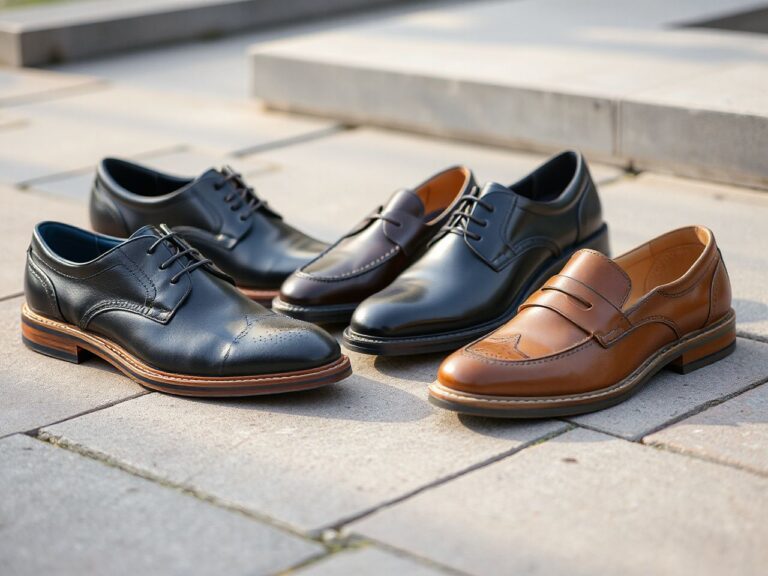
When you’re on the road—whether on two wheels or four—your shoes take a beating. They face sun, rain, dust, and long hours of standing. The materials determine how long they last and how they feel. For slip-ons, the most common materials are canvas, leather, and synthetic blends. But not all are created equal.
Canvas is lightweight and breathable, making it ideal for warm climates. However, it lacks support for long walks. Leather offers durability and molds to your foot over time, but it requires maintenance. Synthetic blends can be waterproof and lightweight, but they often don’t breathe well and can trap moisture.
Natural Rubber Soles
Natural rubber comes from the sap of rubber trees. It’s flexible, grippy, and biodegradable. Many eco-conscious brands use it because it lasts longer than synthetic rubber and doesn’t shed microplastics. Look for shoes with soles labeled as 100% natural rubber. They cost more upfront but save you from replacing shoes every season.
Organic Cotton and Hemp Uppers
Conventional cotton uses a lot of water and pesticides. Organic cotton and hemp are better alternatives. Hemp is especially durable—it’s three times stronger than cotton and resists mold. For slip-ons, hemp uppers breathe well and dry quickly, which is a plus if you get caught in a rain shower.
Recycled Materials
Some brands use recycled polyester or plastic bottles for linings and laces. This reduces waste and keeps plastic out of landfills. But be careful: recycled synthetics still shed microfibers when washed. If you choose them, hand wash gently and use a microfiber-catching bag.
How to Find the Right Fit for Slip-Ons
Fit is the most overlooked aspect of buying slip-ons. Because they have no laces, your foot does all the work to stay in place. A loose shoe causes blisters; a tight one cuts off circulation. Here’s how to get it right.
Measure Your Feet Properly
Do this at the end of the day. Your feet swell as you walk and stand. Stand on a piece of paper and trace your foot. Measure the length from heel to longest toe and the width at the widest part. Use a brannock device if you can find one at a shoe store. Write down both measurements.
Check the Toe Box
You should have about a thumb’s width of space between your longest toe and the end of the shoe. Your toes should be able to wiggle freely. If they feel cramped, size up. A cramped toe box can cause ingrown toenails and corns over time.
Try Them On with Socks
Always try slip-ons with the socks you plan to wear. Thick hiking socks change the fit. If you wear thin socks, the shoe might feel loose. Walk around the store for at least five minutes. If your heel lifts, the shoe is too big. If your foot slides forward, the arch support is wrong.
Break Them In Gradually
Leather slip-ons need a break-in period. Wear them for an hour at home, then two hours, then a full day. Canvas and synthetic shoes usually need less time. If you get blisters, stop and let your feet heal. Don’t push through pain.
Caring for Your Slip-Ons to Make Them Last
Good shoes are an investment. With proper care, a pair of slip-ons can last three to five years. Without care, they fall apart in one season.
Rotate Between Pairs
Never wear the same shoes two days in a row. Shoes need time to dry out. Moisture from sweat breaks down materials and encourages bacteria growth. Rotating between two pairs gives each one 24 hours to air out. This alone doubles the life of your shoes.
Clean Them Gently
For canvas and hemp, use a soft brush and mild soap. Scrub gently, then rinse with cold water. For leather, use a damp cloth and saddle soap. Avoid machine washing—it’s too harsh. Air dry away from direct heat. Never put shoes on a radiator or in the sun to dry; it warps the shape and cracks the material.
Store Them Properly
Keep slip-ons in a cool, dry place. Direct sunlight degrades rubber and fades colors. Use shoe trees to maintain shape, especially for leather. If you’re traveling, stuff them with socks or a t-shirt to keep them from collapsing in your bag.
What to Look for in Slip-Ons for Different Travel Styles
Your travel style determines the best slip-on for you. A city traveler needs different features than a hiker or a rider. Let’s break it down.
City Travelers
If you’re walking on pavement, looking for museums, and eating at cafes, you need slip-ons with good arch support and a non-marking sole. Look for a rubber outsole with a tread pattern that grips wet sidewalks. A cushioned insole reduces fatigue. Avoid thin canvas slip-ons—they offer no support and wear out fast on concrete.
Hikers and Outdoor Enthusiasts
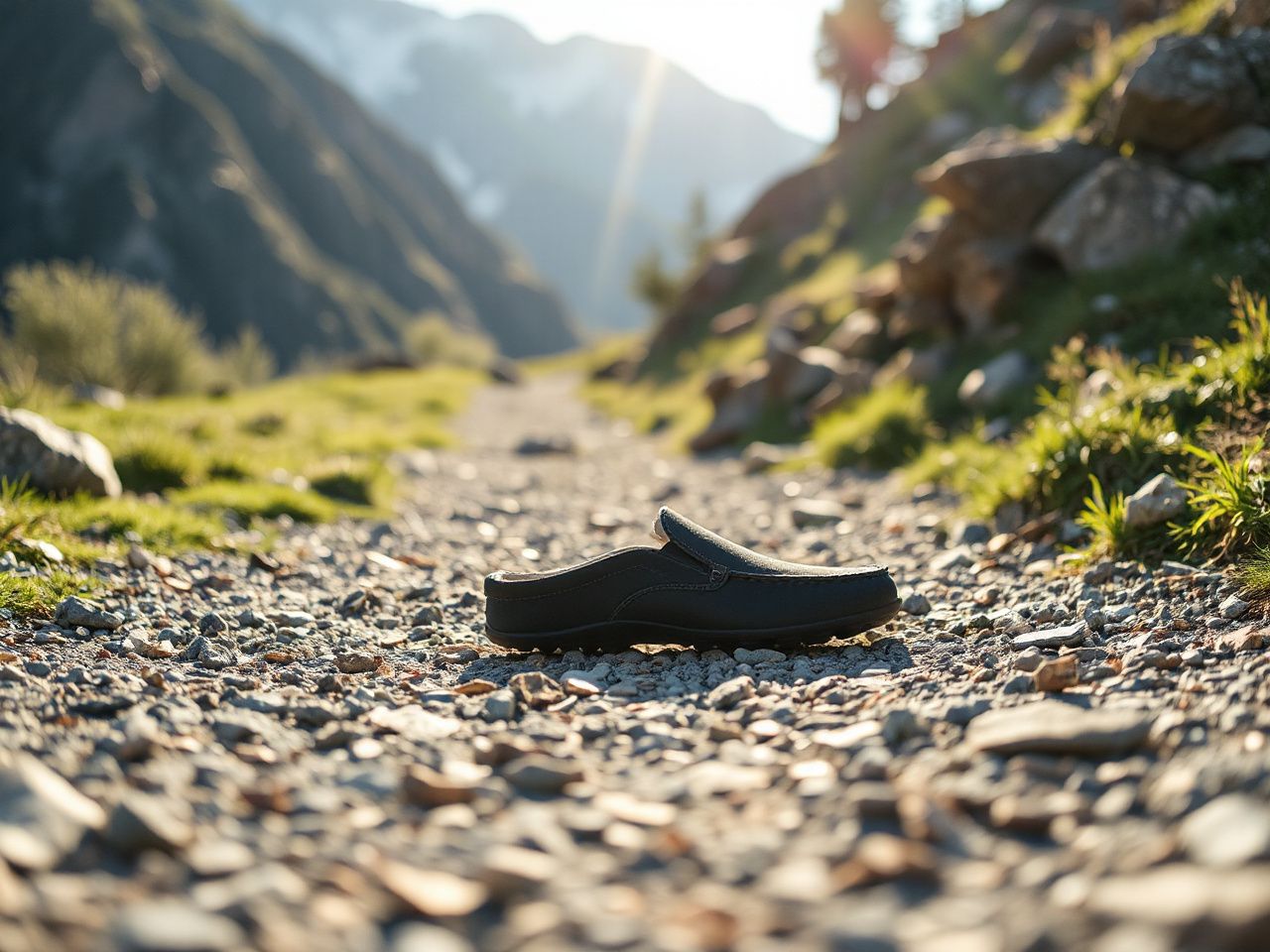
For trails and uneven ground, choose slip-ons with a rugged outsole. Vibram soles are excellent for grip. Look for a heel cup that locks your foot in place. A reinforced toe protects against rocks. Water resistance is a plus, but not necessary if you’re okay with wet feet. Remember: wet feet lead to blisters quickly.
Motorcycle Riders
Riders need slip-ons that stay on the foot. Look for a snug heel fit and a sole that doesn’t slip on pegs. A reinforced heel and toe offer some protection. Avoid shoes with dangling laces or loose straps. Shoelaces caught in a chain present a significant safety risk. If you’re looking for the right pair to start with, check out our roundup of the best waterproof running shoes for 2026. They share similar features like grip and breathability.
How Slip-Ons Fit Into a Minimalist Travel Wardrobe
Packing light is a skill. Every item has to earn its space. Slip-ons are perfect because they serve multiple roles: casual shoe, light hiker, and even a backup if your main boots fail. But they need to be versatile.
Choose a neutral color like dark gray, brown, or navy. These match jeans, chinos, and shorts. Avoid bright colors unless you’re okay with being noticed. A simple design works with everything. If you’re planning a family trip, our guide to planning a good vacation covers destinations where slip-ons are perfect for walking tours and beach days.
Environmental Impact of Shoe Production
Every pair of shoes has a footprint. The leather industry uses water and chemicals. Synthetic shoes rely on petroleum. Even natural rubber has a supply chain. But you can make better choices.
Look for brands that use vegetable-tanned leather. This process uses natural tannins from tree bark instead of chrome, which is toxic. Check for certifications like the Leather Working Group. For synthetics, look for bluesign-approved materials. These ensure safer chemicals and less waste.
Buying second-hand is the most sustainable option. Thrift stores and online resale sites have plenty of slip-ons. They’re already broken in and often cheaper. If you buy new, choose a brand that offers repair services. A resoled shoe can last a decade.
Common Myths About Slip-Ons
Let’s clear up a few common misunderstandings.
Myth 1: Slip-ons have no support. Not true. Many slip-ons now have removable insoles, arch support, and shock-absorbing midsoles. You just have to look for them.
Myth 2: They’re only for summer. Wool-lined slip-ons exist. Pair them with thick socks and you’re good for fall and spring. In winter, they work for indoor wear or quick errands.
Myth 3: They’re not durable. A well-made slip-on with a stitched sole can last as long as a lace-up. The key is the construction. Look for Goodyear welt or Blake stitch—these allow resoling.
How to Choose Slip-Ons for Your Next Trip
Start by thinking about your destination. Hot and humid? Go with canvas or hemp. Cold and wet? Leather with a waterproof membrane. Urban? Cushioned and stylish. Rural? Rugged and grippy.
Then consider your activities. If you’re hiking, you need support. If you’re lounging, you need softness. If you’re riding, you need grip and security. For more travel inspiration, check out our guide to the best country to travel to in 2026. It helps you match your gear to your destination.
Finally, try before you buy. Walk around. Jump. Squat. Your shoes should feel like an extension of your feet. If they don’t, keep looking.
Final Thoughts on Finding the Right Slip-Ons
The best slip-on shoes for men are the ones that fit your life, your values, and your feet. They should be comfortable enough for a day of walking, durable enough for a season of travel, and made with materials that don’t harm the planet. A good pair of hemp slip-ons can stay in rotation for three years, crossing borders, surviving rain storms, and walking through ancient ruins without coming apart. They will never be perfect, but they will be yours. And that’s the point—your shoes should carry your stories, not just your weight.