How to Have a Good Vacation: A Complete Guide
Contents
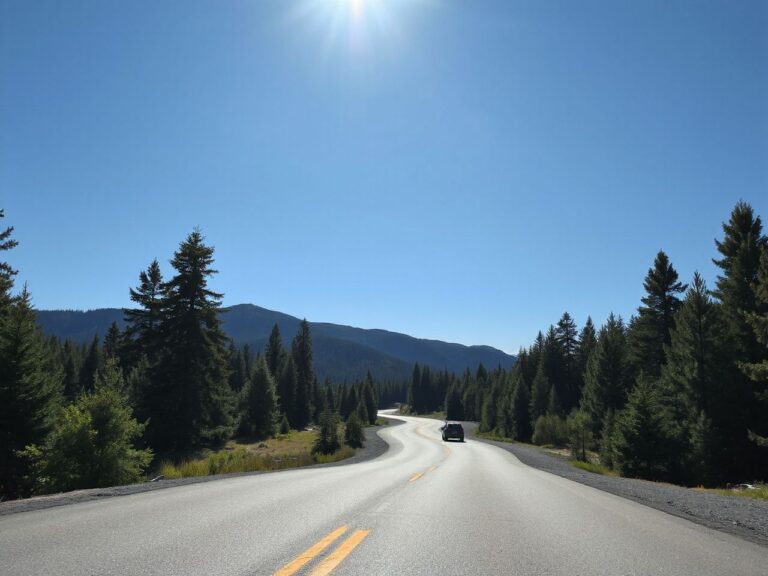
Picture the side of a deserted highway in Nevada, 300 miles from the nearest town, with a dead battery and a thunderstorm rolling in. Ask anyone who travels by motorcycle and the moments that make the best stories are almost always the ones where something went wrong — the detour, the weather that turned, the night that did not go to plan. Preparation doesn’t prevent adventure — it just gives you better options when it shows up. That’s the real secret to how to have good vacation: planning not for the perfect day, but for the worst one.
Key Takeaways
- Plan your vacation around potential failures, not just ideal conditions — this shifts your mindset from hoping to preparing.
- Build in buffer time and backup routes for every major leg of travel, especially long-distance drives or rides.
- Pack a survival kit tailored to your destination, including tools for communication, navigation, and basic repairs.
Understanding What It Really Means to Have a Good Vacation
Most people think a good vacation means everything goes according to plan. Flights are on time, weather is perfect, and no one gets sick. But in practice, that almost never happens. A good vacation is one where you can handle the unexpected without it ruining the experience.
The difference between a trip that feels like a disaster and one that feels like an adventure is almost always preparation. When you know you have a backup plan, a flat tire becomes a minor inconvenience instead of a crisis. When you’ve packed for rain, a sudden storm is just a change of scenery.
The Failure-First Mindset
Before I finalize any trip, I sit down and ask: what’s the worst thing that could happen on this route? For a motorcycle trip through the desert, it’s a breakdown with no cell service. For a family road trip, it might be a blown tire in the middle of nowhere. For a beach vacation, it’s a hurricane warning.
Once you identify those worst-case scenarios, plan for them. That doesn’t mean expecting them to happen. It means you’re not caught off guard if they do. This approach pays off more often than you might expect.
Planning Your Route with Redundancy in Mind
If you want to have a good vacation, your route needs layers. Never rely on a single road, a single mode of transport, or a single gas station. For a trip from Los Angeles to Yellowstone, for example, map three alternate routes: one through the mountains, one through the plains, and one along the interstate. Each has its own set of risks, but having options means you never feel trapped.
When planning a long-distance drive, consider these factors:
- Fuel stops every 150 miles minimum, even if your tank can go further.
- At least one alternate route that avoids major highways in case of construction or closures.
- Check road conditions 24 hours before departure, not the week before.
For motorcycle trips, carry a printed map. GPS fails. Batteries die. Cell towers go down. Paper doesn’t need a signal.
Packing for the Worst-Case Scenario
The gear you bring can make or break your ability to have a good vacation when things go sideways. Divide your packing list into three categories: essentials for survival, tools for problem-solving, and comfort items for morale.
Survival Essentials
These are non-negotiable, regardless of destination:
- First-aid kit with trauma supplies (tourniquet, chest seal,止血带).
- Multi-tool or basic repair kit for your vehicle.
- Portable power bank (20,000 mAh minimum) and charging cables.
- Water purification tablets or a filter.
- Emergency blanket and fire starter.
Tools for Problem-Solving
Think about the specific challenges of your trip. For a desert crossing, pack extra coolant and a tire repair kit. For a mountain pass, bring chains and a portable air compressor. For any trip longer than 500 miles, carry a satellite messenger. It’s the single most important piece of gear for remote travel.
Managing Time and Expectations
One of the biggest reasons people don’t have a good vacation is unrealistic scheduling. They try to cram too much into too few days. It is advisable to build in buffer time — at least one full day of slack for every week of travel. That day might be used for rest, for dealing with a delay, or for exploring something unexpected.
When planning activities, never schedule more than two major events per day. For example, a day might include a morning hike and an afternoon museum visit, with the evening left open. This prevents burnout and leaves room for spontaneity.
The Rule of Thirds
Divide each day of vacation into three parts: morning, afternoon, and evening. Two of those parts are planned. One is left empty. That empty slot is where the best memories happen — the random diner you discover, the trail you decide to explore, the conversation with a local that changes your perspective.
If something goes wrong during a planned activity, the empty slot becomes your buffer. You don’t feel like you’re losing time because you never committed it in the first place.
Handling the Unexpected with Grace
Even with the best planning, things will go wrong. A flight gets canceled. A rental car breaks down. A storm forces you indoors. The key is not to let it derail your entire trip. Here is a simple protocol for when something goes sideways:
- Stop and assess. Don’t make decisions while panicking.
- Identify your options. List them out, even the bad ones.
- Choose the option that keeps you safe and preserves the most of your original plan.
- Implement and adjust. Move forward.
This approach can turn a breakdown into a detour that ends up being a highlight of the trip. Panic, by contrast, often ends a trip early.
Building Resilience into Your Itinerary
Resilience means your trip can absorb shocks without collapsing. Build it in three ways: financial, logistical, and emotional.
Financial Resilience
Set aside an emergency fund of at least 20% of your total trip budget. This covers unexpected repairs, last-minute lodging, or rebooking fees. An emergency fund can turn unexpected expenses, such as replacing a motorcycle tire at a high cost in a small town, into a minor annoyance instead of a trip-ending disaster.
Logistical Resilience
Have backup plans for your backup plans. If your hotel gets overbooked, know the next three options within a reasonable distance. If your rental car is unavailable, have a list of other rental agencies nearby. If you’re hiking a popular trail, know two alternate routes to the same destination.
Emotional Resilience
This is the hardest to plan for, but the most important. Accept that some things are out of your control. When a delay happens, remind yourself that you’re on vacation — the goal is enjoyment, not checking off a list. Travelers who can laugh at a flat tire or a missed turn tend to have a much better time than those who get angry.
How to Have a Good Vacation on a Tight Budget
Limited funds don’t mean you can’t have a great trip. They just mean you need to be smarter about where you spend. Prioritize experiences over things: a cheap motel is fine if the location lets you walk to the best local spots. Street food beats expensive restaurants in terms of both cost and authenticity.
For transportation, consider slower but cheaper options. Taking a bus or train instead of flying can save money and give you a different perspective on the landscape. Long bus rides through the Southwest can lead to great conversations with strangers.
Free and Low-Cost Activities
Every destination has free or cheap things to do. National parks offer entrance-free days. Many museums have discounted evening hours. Hiking, biking, and walking tours cost nothing but time. Researching free events and attractions first can often lead to the most memorable parts of a trip.
Long-Distance Travel: Special Considerations
If you’re traveling more than 500 miles from home, the stakes are higher. Your support network is far away, and local resources might be unfamiliar. For these trips, add an extra layer of preparation:
- Share your itinerary with someone at home. Check in at predetermined points.
- Know the location of hospitals, mechanics, and police stations along your route.
- Carry a physical copy of your insurance and registration documents.
- If you’re riding a motorcycle, consider using a transport service for the bike if you’re not comfortable with long-distance riding. This reduces fatigue and mechanical risk.
For more on choosing the right gear, check out our guide on Are Hiking Boots Good in Water? A Complete Guide — it covers how to select footwear that can handle wet conditions, which is crucial for any outdoor trip.
Frequently Asked Questions
What’s the most important thing to pack for a vacation?
A first-aid kit and a way to communicate without cell service. These two items can save a trip. Beyond that, pack for the worst weather you might encounter, not the best. A rain jacket and a warm layer are worth their weight in gold.
How do I plan a vacation if I have limited time?
Focus on one or two key experiences and build your schedule around them. Leave the rest open. Trying to see everything in a short trip leads to burnout and disappointment. Quality over quantity applies to travel just as much as anything else.
What should I do if my flight is canceled?
Don’t panic. First, check if the airline can rebook you on the same day. If not, look at alternative airports or modes of transport. Having travel insurance can help with costs. Most importantly, have a backup plan for accommodation if you’re stranded overnight.
How can I have a good vacation on a motorcycle?
Plan for breakdowns. Carry a repair kit, a satellite messenger, and extra fuel. Ride within your limits and take breaks every two hours. The best motorcycle trips are the ones where you arrive safely and have stories to tell — not the ones where you push too hard and end up in trouble.