The Ultimate Camp List To Bring For Families
Contents
Pulling into a campground outside Moab after a long day on the bike, exhausted and ready to unroll a sleeping bag, is the worst possible moment to discover that the tent poles are still lying on the garage floor back home. That is how most trips actually go wrong — not a failure of gear, but one small piece of it left behind. The moments that make the best travel stories are almost always the ones where something went wrong. Preparation doesn’t prevent adventure — it just gives better options when it shows up. So when building a proper camp list to bring for families, start with what matters most: security, simplicity, and gear that won’t let you down when you’re 200 miles from the nearest store.
Key Takeaways
- Start your packing list with a secure shelter system — a reliable tent and a ground tarp are non-negotiable for any family camping trip.
- Always pack a first-aid kit, a multi-tool, and a headlamp per person — these three items solve 90% of common campsite problems.
- Choose cookware that stacks and nests to save space, and bring a lightweight camp stove with extra fuel canisters.
- Store all food and scented items in a bear-proof container or hang them properly to keep wildlife away from your site.
Why Your Camp List To Bring Needs A Security-First Mindset
When you’re responsible for a family, every item on your camp list to bring should earn its place by solving a real problem. Motorcycle-friendly campsites that work best for families share a common trait: they make it easy to secure your gear and your people. Before considering sleeping bags or stoves, check for covered parking, alarmed lots, and ground anchors. The same principle applies to your personal packing list — if something breaks or gets lost, you need a backup plan.
A good camp list to bring starts with the essentials: shelter, sleep system, cooking gear, first aid, and lighting. From there, you add layers based on your destination’s climate, wildlife risks, and the length of your stay. Families should pack a minimum of three days’ worth of food and water, even if staying two nights. Delays happen — flat tires, bad weather, or a child wanting to explore one more trail.
Shelter And Sleep Systems
Choosing The Right Tent
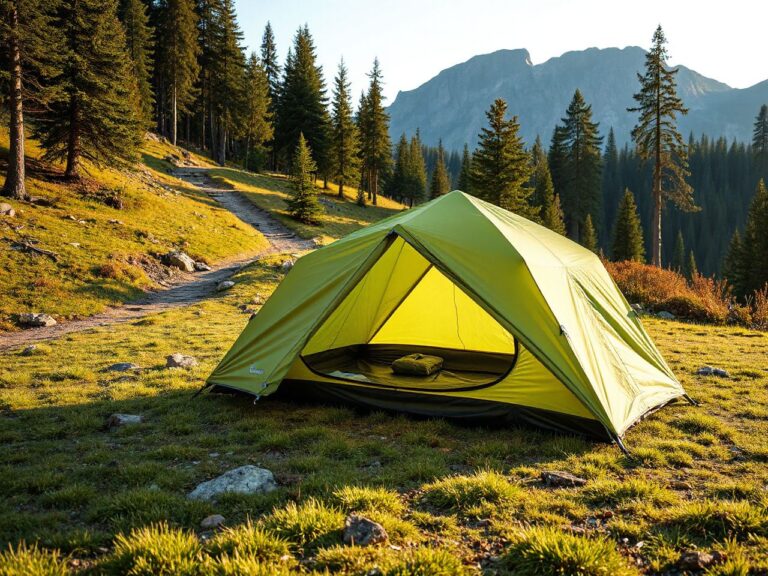
Look for a tent that offers at least 30 square feet of floor space per person. For a family of four, that means a 6-person tent. The extra room lets you store gear inside and gives everyone space to move without stepping on each other. Check that the tent has a full-coverage rainfly and sealed seams — a wet sleeping bag ruins a trip faster than almost anything else.
Set up your tent at home before you leave. Practice takes 15 minutes and saves an hour of frustration in the dark.
Sleeping Bags And Pads
Your sleeping bag’s temperature rating should be 10 to 15 degrees lower than the coldest temperature you expect. If the forecast says 40°F at night, bring a bag rated for 25°F. A sleeping pad with an R-value of at least 4.0 provides good insulation for three-season camping. Inflatable pads pack small but require a repair kit. Closed-cell foam pads are bulletproof but bulky — one strapped to a bike’s luggage rack makes a good emergency backup.
For kids, consider a dedicated kid-sized sleeping bag. They’re lighter, warmer, and easier for small hands to manage. A child sleeping in a full-size bag often ends up tangled and cold by morning.
Cooking And Food Storage
Stove And Fuel
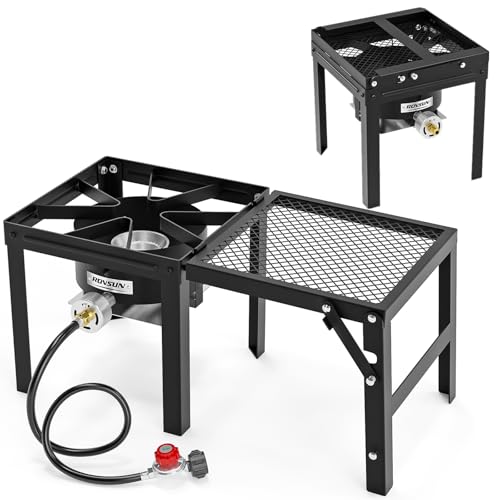
A two-burner propane stove is the standard for family camping. It’s easy to light, adjusts well for simmering, and runs on 16.4-ounce propane cylinders that last about 2 hours on high. Pack at least two extra cylinders for a weekend trip. If you’re car camping, a camp stove with a built-in grill grate lets you cook everything from pancakes to burgers without extra pans.
Don’t forget a lighter or waterproof matches in a sealed bag. A butane lighter fails when wet, but a ferrocerium rod works in any weather. Practice using it before you need it.
Cookware And Utensils
Look for a nesting cookware set that includes a pot, a pan, and a kettle. Stainless steel is durable and easy to clean. Non-stick coatings scratch easily and flake over time. Bring a spatula, tongs, and a serving spoon. A single chef’s knife with a blade guard replaces three smaller knives.
For cleaning, pack a Scrubber and biodegradable soap. A collapsible sink or two plastic tubs lets you wash dishes without wasting water. Never wash dishes directly in a lake or stream — the soap harms aquatic life even if it’s labeled biodegradable.
Food Storage And Bear Safety
If you’re camping in bear country, store all food, trash, and scented items (toothpaste, deodorant, sunscreen) in a bear-proof canister or a bear bag hung at least 10 feet off the ground and 4 feet from the tree trunk. A cooler alone is not bear-proof. Even in areas without bears, raccoons and rodents will tear into unsecured food. Keep your camp kitchen at least 100 feet from your sleeping area.
Clothing And Layering
The Layering System
For any camping trip, pack three layers: a base layer (wool or synthetic, not cotton), a mid layer (fleece or down jacket), and an outer shell (waterproof and windproof). Cotton absorbs moisture and takes hours to dry — wearing it in cool weather puts you at risk for hypothermia. Even in summer, mountain temperatures drop quickly after sunset.
Pack one set of sleeping clothes that stays dry. If you get wet during the day, change into dry clothes before getting into your sleeping bag. A wet sleeping bag loses its insulation value and can be dangerous in cold weather.
Footwear
Every family member needs two pairs of shoes: hiking boots or sturdy sneakers for trails and camp shoes (sandals or lightweight sneakers) for around the site. Hiking boots protect your ankles on uneven terrain. Camp shoes let your feet breathe after a long day. Pack wool socks — they wick moisture and prevent blisters. Bring at least two pairs per person.
Lighting And Power
Headlamps And Lanterns
A headlamp per person is the single most useful lighting tool. Hands-free light lets you set up camp, cook, and read maps in the dark. Look for a headlamp with at least 200 lumens and a red light mode to preserve night vision. Pack extra batteries for every device.
A camp lantern with a diffuser provides ambient light for the whole site. LED lanterns run for hours on a few batteries. Propane lanterns are brighter but require ventilation and produce heat — keep them away from tents and flammable gear.
Power Banks And Chargers
A 20,000 mAh power bank charges a smartphone four to five times. If you’re relying on your phone for maps, photos, and emergency communication, bring two power banks. A small solar panel (around 20 watts) can recharge your power bank during the day if you’re in a sunny spot. Keep electronics in a dry bag or sealed plastic container — moisture ruins them fast.
First Aid And Safety
First Aid Kit Essentials
Build or buy a first-aid kit that includes:
- Adhesive bandages in multiple sizes
- Sterile gauze pads and medical tape
- Antiseptic wipes and antibiotic ointment
- Pain relievers (ibuprofen, acetaminophen)
- Antihistamines for allergic reactions
- Tweezers for splinters and ticks
- Blister treatment (moleskin or blister bandages)
- Instant cold pack
Check your kit before every trip. Replace expired medications and restock used items. A first-aid course is a weekend well spent — knowing how to treat a sprain or stop bleeding gives you real confidence in the backcountry.
Navigation And Communication
Carry a paper map of the area and a compass. GPS and phone maps fail when batteries die or signals drop. If you’re hiking far from your campsite, bring a satellite messenger or personal locator beacon. These devices let you send an SOS from anywhere with a clear view of the sky. For less remote trips, a whistle and a signal mirror weigh almost nothing and can help rescuers find you.
Tools And Repair Kits
Multi-Tools And Knives
A multi-tool with pliers, a knife, scissors, and screwdrivers handles most campsite repairs. A separate fixed-blade knife with a 3- to 4-inch blade is better for food prep and heavier cutting tasks.
Repair Kits
Pack a tent repair kit with a patch of tent fabric, a small tube of seam sealer, and extra tent stakes. A sleeping pad repair kit includes adhesive patches and a valve tool. For inflatable pads, carry a small pump or a repair patch that works with the pad’s material. A duct tape roll wrapped around a pencil or a water bottle fixes gear, blisters, and broken straps.
Hygiene And Comfort
Toiletries And Sanitation
Biodegradable soap, a toothbrush, toothpaste, and a small towel cover basic needs. A portable toilet or wag bag is essential if your campsite lacks restrooms. Wag bags are lightweight, sealable bags that contain waste and odor — they’re required in some wilderness areas. Pack hand sanitizer and use it after handling raw food or using the bathroom.
For feminine hygiene, pack menstrual products in a sealed bag and carry them out — never burn or bury them. A small shovel (like a trowel) helps you dig a cathole at least 6 to 8 inches deep and 200 feet from water sources if you’re burying waste.
Comfort Items
A camp chair makes a huge difference in how you feel after a long day. Look for a chair that packs down to the size of a water bottle and weighs under 3 pounds. A camp pillow or a stuff sack filled with clothes gives you a better night’s sleep than a rolled-up jacket. Earplugs and a sleep mask block light and noise from other campers.
Entertainment And Education
Games And Activities
Pack a deck of cards, a frisbee, or a small board game that works on a picnic table. A field guide to local birds, plants, or stars turns a rainy afternoon into a learning opportunity. For kids, bring coloring books and crayons — they’re quiet, pack flat, and keep small hands busy.
A journal and pen let you record memories, draw maps, or write down the names of trails you want to explore next trip. A filled journal brings back the smells and sounds of campsites you’d otherwise forget.
Packing Strategy And Organization
Use packing cubes or dry bags to organize gear by category: kitchen, shelter, clothing, first aid, tools. This system lets you grab what you need without unpacking everything. Label each bag with a permanent marker. When you’re setting up camp in the rain, you don’t want to dig through three bags to find the tent stakes.
Load heavy items (coolers, water jugs, cast-iron cookware) low in your vehicle to keep the center of gravity stable. Soft items (sleeping bags, clothing) go on top. Keep your first-aid kit and a headlamp within arm’s reach — you don’t want to unload the entire car to treat a scraped knee.
If you’re traveling by motorcycle, every item must earn its weight. Prioritize a ultralight tent, a compact stove, and a single pot that doubles as a bowl. A 1-liter water bottle per person, a water filter, and a small first-aid kit cover the essentials. Everything else is a luxury. For more ideas on where to set up camp, check out the best places to camp in Grand Canyon for family-friendly sites with secure parking.
Frequently Asked Questions
What is the most important item on a camp list to bring for families?
The tent is the most critical item — it provides shelter, security, and a base for everything else. Choose a tent that fits your family size plus gear, with a full rainfly and sealed seams. Practice setting it up before you leave. A reliable tent keeps everyone dry and comfortable, which makes the whole trip better.
How do I create a camp list to bring that fits in a car?
Start by measuring your vehicle’s cargo space. Use packing cubes or dry bags to compress soft items like sleeping bags and clothing. Prioritize multi-use gear — a camp stove that also grills, a pot that works as a bowl. Leave behind single-purpose tools. A roof box or hitch-mounted cargo carrier adds space without taking up interior room.
Should I bring a water filter on every camping trip?
Yes, even if you’re camping at a site with tap water. A portable water filter (like a pump or gravity system) removes bacteria and protozoa from natural water sources. If the campground’s water system fails or you run out of bottled water, a filter gives you a safe backup. Look for a filter with a 0.2-micron absolute pore size or smaller.
How do I pack food for a family camping trip without a cooler?
Focus on shelf-stable foods: canned beans and vegetables, dried pasta, rice, oatmeal, peanut butter, crackers, dried fruit, nuts, and jerky. Powdered milk and eggs reconstitute with water. A camp stove lets you cook hot meals from dry ingredients. This approach works well for backpacking or trips where ice is hard to find.