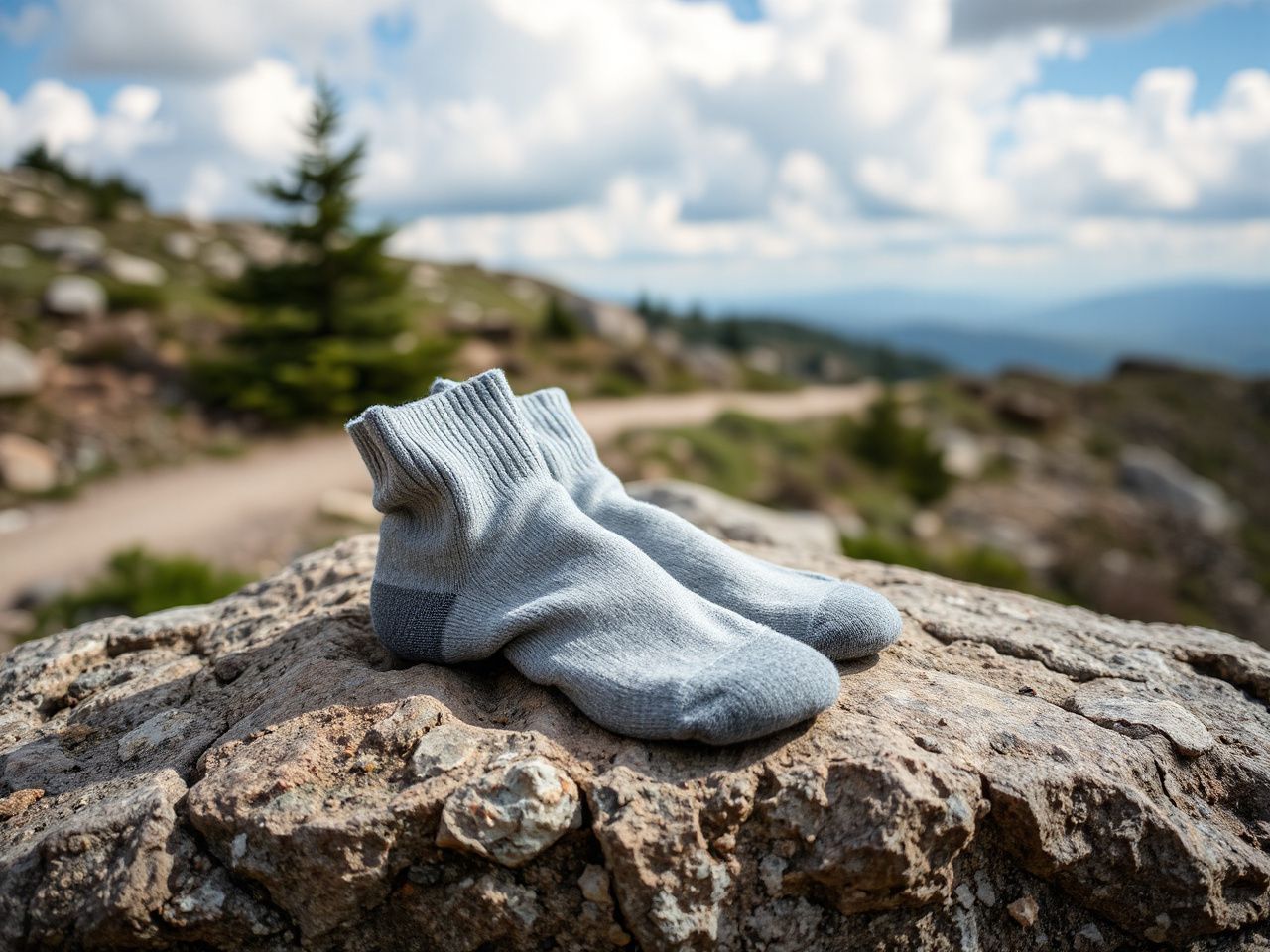
The Complete Guide To Wool Socks For Men
Contents
Merino wool can absorb a significant amount of moisture without feeling wet. That one property changes what a sock can do on a long trip, because a fiber holding that much water inside itself still feels dry against the foot. The moments that make the best travel stories are almost always the ones where something went wrong. Preparation doesn’t prevent adventure — it just gives you better options when it shows up. More than a dozen pairs of wool socks for men are compared here on the specifications that decide a 500-mile day across gravel roads, summer downpours, and desert heat: fiber diameter, blend ratio, cushioning zones, and cuff height. Here’s how they sort out.
Key Takeaways
- Wool outperforms cotton and synthetics in moisture management, odor resistance, and temperature regulation.
- Merino wool is the top choice for all-season wear due to its fine fibers and breathability.
- Proper washing and drying can extend the life of wool socks by more than double.
- Blended wool socks (with nylon or polyester) offer better durability for heavy use.
Why Wool Socks Are Worth The Investment
Most men reach for cotton socks without thinking. Cotton is cheap, comfortable, and everywhere. But when you’re riding a motorcycle through a rainstorm or hiking a rocky trail, cotton becomes a liability. It holds moisture against your skin, which cools you down in cold weather and increases friction in hot weather. Blisters follow.
Wool, especially merino, handles moisture differently. The fibers pull water vapor away from your skin and release it into the air. Even when a wool sock is 30% wet by weight, it still feels dry to the touch. That’s a game-changer for anyone who spends hours on their feet.
What Makes Wool Different
Wool fibers have a natural crimp — tiny bends that trap air. That trapped air acts as insulation, keeping your feet warm when it’s cold and cool when it’s hot. The same crimp also creates a cushioning effect that reduces pressure points inside your boot. No synthetic fiber replicates this structure exactly.
Wool also contains lanolin, a natural wax that resists bacteria growth. Bacteria cause odor. Merino wool socks tend to smell far less than cotton socks after one day. That’s not a marketing claim — it’s chemistry.
How To Choose The Right Wool Socks For Men
Not all wool socks are built the same. Some socks fall apart after two washes while others last three years of heavy use. The difference comes down to fiber quality, blend, and construction.
Fiber Quality: Merino vs. Standard Wool
Merino wool comes from Merino sheep, which produce finer fibers than standard wool. Fiber diameter is measured in microns. Merino typically ranges from 17 to 24 microns. Standard wool can be 30 microns or more. Finer fibers feel softer against the skin and cause less itching.
For everyday wear and active use, merino is the clear winner. Standard wool works for heavy-duty work boots or cold-weather layering, but it can feel scratchy against bare skin. If you’re looking to compare options, our Merino Wool vs Wool: Our Top Picks for 2026 guide breaks down the differences with real-world test data.
Blends And Durability
Pure merino wool socks exist, but they wear out faster. Most manufacturers blend merino with nylon or polyester to add strength. A common ratio is 60% merino, 30% nylon, 10% spandex. That blend gives you the moisture management of wool with the durability of synthetics.
Socks with at least 15% nylon hold up better in the heel and toe areas. Those are the first spots to thin out. Look for reinforced heels and toes in the product description.
Cushioning And Height
Socks come in different cushion levels: no cushion, light cushion, medium cushion, and heavy cushion. For motorcycle boots or hiking boots, medium cushion works best. It fills the space without making the boot too tight. No cushion is fine for summer cycling shoes or casual wear.
Height matters too. Crew-length socks (about 8 inches from heel to top) are the most versatile. Over-the-calf socks work well for cold weather or tall boots. No-show socks are fine for low-cut shoes but offer less protection against boot chafing.
How To Care For Wool Socks
The dryer ruins good socks. Wool shrinks and felts when exposed to high heat. Felting happens when the scales on wool fibers lock together, turning a soft sock into a stiff, shrunken mess. Here’s how to avoid that.
Washing
Turn socks inside out before washing. That protects the outer surface and helps remove dirt from the inside. Use cold water and a gentle cycle. Hot water causes shrinkage.
Choose a mild detergent. Avoid fabric softeners and bleach. Fabric softeners coat the wool fibers, reducing their ability to wick moisture. If you’re washing heavily soiled socks, a small amount of wool-specific detergent works best.
Drying
Air drying is the safest method. Lay socks flat on a towel or drying rack, away from direct heat or sunlight. Do not hang them by the toe — that stretches out the shape.
If you must use a dryer, set it to low or no heat. Check socks every 10 minutes. High heat cycles can shrink socks significantly, sometimes from size 11 to size 8. It’s not reversible.
When To Replace Wool Socks
Even the best wool socks wear out. Replace them when you see thin spots in the heel or toe, when the ankle elastic loses its grip, or when the sock no longer feels cushioned underfoot. A sock that bunches up inside your boot causes blisters.
On average, a good pair of wool socks lasts 6 to 12 months of regular use. If you rotate between several pairs, they last longer. About 8 pairs in rotation is a good number. That gives each pair time to air out between wears, which also reduces odor.
Frequently Asked Questions
Can I wear wool socks in summer?
Yes. Lightweight merino wool socks are actually cooler than cotton in hot weather because they wick moisture away from your skin. The air trapped in the fibers insulates against heat as well as cold. Merino socks are designed to keep feet drier than cotton in hot conditions.
How often should I wash wool socks?
Wash them after every wear if they’re sweaty or dirty. For light use, you can wear them 2-3 times before washing, especially if you let them air out between wears. Wool’s antimicrobial properties help control odor, but dirt and sweat still break down the fibers over time.
Do wool socks prevent blisters?
They reduce the risk significantly. Wool’s moisture-wicking ability keeps your skin dry, which reduces friction. The cushioning also absorbs impact. But no sock prevents blisters entirely if your boots don’t fit properly. A good sock works with a well-fitted boot.