The Complete Guide to Spring Shoes Ladies Need in 2026
Contents
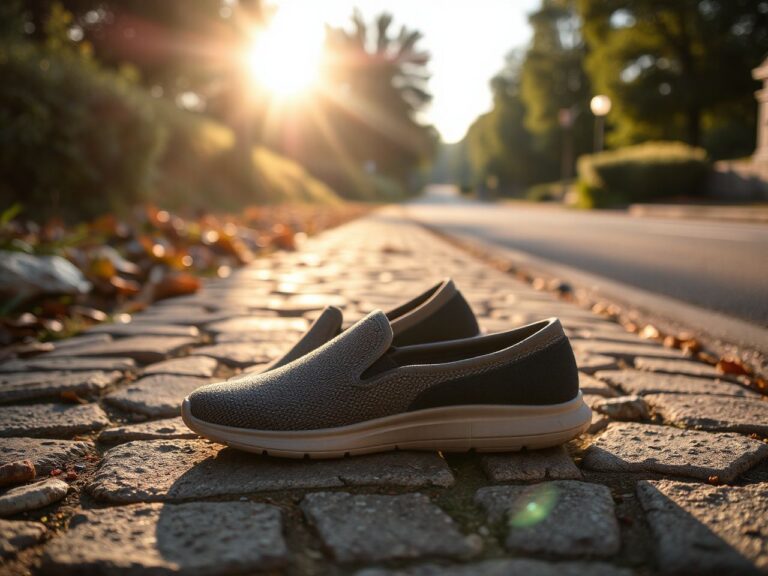
The first warm day of spring. You lace up, step out, and hit a patch of wet leaves on a shaded corner. That split second of lost traction is all it takes. Riders can go down on dry pavement because their boots had worn soles. Cheap crash bars for a GS can bend on the first tip-over in a parking lot, leading to more spent fixing the fairing than on quality bars. Budget gear on a loaded adventure bike is a false economy every time. The same principle applies to your feet. When you’re choosing spring shoes, ladies, don’t let a cute design fool you. The ground is still cold, damp, and unpredictable. Your footwear needs to handle that reality.
Key Takeaways
- Look for shoes with a minimum of 4mm of tread depth for wet spring surfaces.
- Waterproof membranes like Gore-Tex or eVent are essential for spring rains and puddles.
- Certified safety features (slip resistance, toe protection) matter more than brand logos.
- Proper fit with room for a thin wool sock prevents blisters during temperature swings.
Why Spring Footwear Demands Different Standards
Spring isn’t summer. The ground temperature lags behind the air temperature. That means frost heaves, mud, and standing water are still present for weeks after the calendar says spring. For spring shoes, ladies should prioritize rubber compounds that stay flexible in cool temps. A stiff sole in 40°F conditions loses grip.
Temperature and Moisture Management
Spring brings a 30-degree temperature swing in a single day. Your footwear needs to breathe when it’s 65°F and block wind and water when it drops to 35°F. Look for shoes with a Gore-Tex or eVent liner. These membranes allow sweat vapor to escape while keeping liquid water out. Boots with cheap waterproofing often turn into saunas after a mile. A quality membrane is non-negotiable for spring conditions.

Understanding Safety Certifications for Spring Shoes
Safety ratings matter. A shoe marketed as “protective” without a certification mark is one to skip. For spring shoes, ladies should look for ASTM F2913 slip resistance testing. This test measures the coefficient of friction on wet and oily surfaces. A score of 0.5 or higher indicates good slip resistance. Many shoes claim to be “work-ready” but lack the actual certification.
ASTM F2913 Slip Resistance
This standard uses a robotic foot to simulate walking on wet tile. The test measures the force required to slip. A shoe that passes means you’re less likely to go down on wet pavement or a slick floor. For spring, when surfaces are constantly damp, this certification is worth seeking out. Shoes with a 0.4 rating can feel fine on dry ground but become dangerous on wet leaves.
ASTM F2412 Toe Protection
If you’re working or riding in spring, toe protection matters. This standard tests impact and compression resistance. A shoe with a composite toe cap passes the same 75-foot-pound impact test as a steel toe. Composite caps are lighter and don’t conduct cold, which is a real bonus in spring. Steel-toe boots in 40°F rain can cause numb toes. Composite solved that.
How to Choose Spring Shoes Ladies Actually Need
Step 1: Assess Your Surface. Are you walking on pavement, gravel, or trail? Spring shoes for ladies who commute on pavement need a different tread than those for trail hiking. Pavement requires a flat pattern with siping (small slits) to disperse water. Trail shoes need 5mm lugs to bite into mud.
Step 2: Evaluate Your Activity Level. If you’re on your feet for 8 hours, look for a shoe with a rocker bottom and EVA midsole. Rocker bottoms reduce the energy needed to push off. EVA foam provides cushioning but compresses over time. Polyurethane midsoles last longer but are stiffer. For spring, EVA offers comfort, but midsoles should be replaced every 300-500 miles.
Step 3: Check the Closure System. Spring shoes with laces are fine, but BOA dials or Velcro straps allow micro-adjustments. As your feet swell in the afternoon heat, you can loosen without retying. Riders can miss a turn because they were fiddling with laces. A good closure system keeps you focused.
Step 4: Test the Fit with Intended Socks. Spring temperatures mean you might wear a thin merino sock in the morning and a thicker one in the afternoon. Your shoe should have 1/2 inch of space between your longest toe and the end. This prevents bruising on descents and allows room for a thicker sock if needed.
Tread Patterns and Outsole Compounds
The outsole is where the rubber meets the road—literally. For spring shoes, ladies need a compound that remains pliable in cool temperatures. Vibram and Continental rubber compounds are tested down to -20°F. Cheaper rubbers turn into hockey pucks at 40°F. The difference is immediate on wet asphalt.
Tread Depth by Surface
- Pavement: 3-4mm depth with siping. Avoid deep lugs that reduce contact area.
- Gravel: 4-5mm depth with directional lugs that shed stones.
- Trail/Mud: 5-7mm depth with self-cleaning channels.
For most spring conditions, a 4mm tread with a mix of siping and small lugs is the sweet spot. It handles pavement, gravel, and light trail without compromising grip.
Waterproofing Technologies That Actually Work
Spring rain is inevitable. Waterproofing keeps your feet dry, which keeps you warm. Gore-Tex and eVent are the industry standards. Both use expanded PTFE membranes with microscopic pores that block water droplets but let vapor escape. Wearing eVent boots through a full day of spring rain keeps feet dry. The key is the membrane, not the outer fabric.
Seam-sealed construction is also critical. Water enters through stitched seams. Look for taped or welded seams. Shoes with no seam sealing can leak at the tongue and heel within an hour. A good waterproof shoe has sealed seams throughout.
Care for Waterproof Membranes
Membranes lose effectiveness when clogged with dirt and salts. Wash your spring shoes with a pH-neutral cleaner every 6-8 wears. Reapply a DWR (Durable Water Repellent) spray every 4-6 weeks. Riders sometimes skip maintenance and then blame the shoe when it wets out. The membrane is fine; the outer layer just needs re-treatment.
Common Mistakes with Spring Shoes
Mistake 1: Wearing summer shoes too early. Spring ground temps are 15-20 degrees colder than air temps. That mesh sneaker that felt fine at 60°F will freeze your feet at 45°F with a breeze. Wait until the ground consistently stays above 50°F before switching to summer footwear.
Mistake 2: Ignoring the heel counter. The heel counter is the stiff plastic piece at the back of the shoe that locks your heel in place. A soft heel counter leads to blisters and instability. For spring shoes, ladies should press the heel counter. If it flexes easily, move on. A good counter should be rigid.
Mistake 3: Buying the wrong size for socks. Spring requires sock layering. If you buy shoes that fit perfectly with a thin sock, you’ll be cramped with a medium wool sock. Always try on shoes with the thickest sock you plan to wear. Riders buy boots that fit in the store, then complain about cold toes when they add a second sock.
The Role of Insoles in Spring Shoes
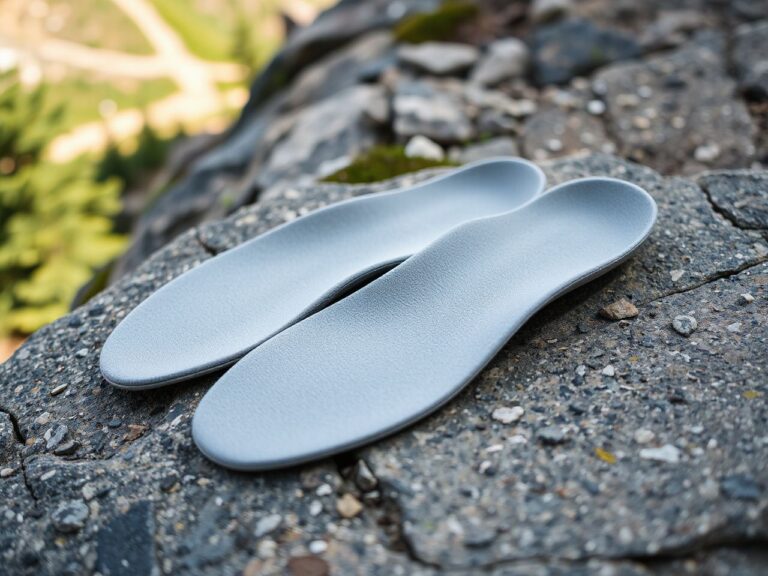
The insole is your footbed. Most stock insoles are thin and flat. For spring, consider swapping them for a custom orthotic or a high-quality aftermarket insole like Superfeet or Sole. These provide arch support and shock absorption. Shoes with stock insoles can feel fine for a mile but cause foot fatigue after three. A good insole makes a mediocre shoe feel great.
Look for insoles with a heel cup and arch support. The heel cup centers your heel in the shoe, reducing friction. The arch support prevents your foot from pronating (rolling inward). For spring, when surfaces are uneven from frost heaves, a stable foot is a safe foot.
Environmental Considerations for Spring Footwear
Consider the lifecycle of gear. Spring shoes for ladies should be built to last. A shoe that delaminates after one season ends up in a landfill. Look for shoes with replaceable outsoles or recyclable materials. Some brands like Patagonia and Keen offer repair programs that extend the life of footwear. This approach benefits both the planet and your wallet.
Also consider the production footprint. Brands that use bluesign-approved materials or PFC-free waterproofing are making an effort. Avoid shoes with excessive packaging or single-use plastics. The gear we buy has an impact. Choose wisely.
Frequently Asked Questions
What should I look for in spring shoes for wet conditions?
Prioritize a shoe with a waterproof membrane like Gore-Tex or eVent and a slip-resistant outsole certified to ASTM F2913. Look for a tread depth of 4mm with siping to disperse water. Avoid mesh-only uppers that let water in. Seam-sealed construction is also important to prevent leaks through stitching.
Can I wear trail running shoes as spring shoes?
Yes, but only if they have a waterproof liner and a tread pattern suited for your surface. Trail running shoes often have deep lugs (5-7mm) that work well on mud and gravel but can feel unstable on slick pavement. For urban spring walking, look for a hybrid model with a flatter outsole. If you’re interested in comparing options, our guide on trail running shoes vs road running shoes covers the key differences.
How often should I replace spring shoes?
Replace spring shoes every 300-500 miles or when the tread depth drops below 2mm. Also replace them if the midsole foam compresses (you feel hard spots) or if the waterproof membrane leaks. Inspect your shoes after every major rain. If your feet get wet, it’s time for a new pair. Budget shoes may need replacement sooner.
Do I need slip-resistant certification for spring shoes?
If you walk on wet pavement, tile, or metal surfaces, yes. Slip-resistant certification (ASTM F2913) ensures the shoe has been tested for grip on wet and oily surfaces. Without it, you’re relying on marketing claims. Non-certified shoes with a 0.3 COF slip on wet concrete. Certified shoes score 0.5 or higher.
Can I wear spring shoes for light hiking?
Yes, if the shoe has a supportive midsole, a rigid heel counter, and a tread of at least 5mm. For light trails (well-maintained paths), a spring shoe with a Gore-Tex liner and a Vibram outsole works well. For technical trails with rocks and roots, you need a dedicated hiking boot with ankle support.