Cycle to Italy: The Complete Planning Guide for 2026
Contents
A front tire washing out on a loose gravel switchback is one of the standard ways a descent in the Dolomites goes wrong. Gravel collects on the outside of hairpins, where drainage carries it, and a front wheel already loaded up by the turn has almost no grip left to spend on a surface that moves under it. Cycling trips tend to produce their best stories out of exactly those moments, and preparation does not prevent them — it just gives you better options when one arrives. Extra brake pads and a satellite messenger are the two items that decide whether a bad day on a remote alpine descent is a rescue or an inconvenience.
Planning a cycle to Italy is about more than just booking a flight and renting a bike. It’s about understanding the terrain, the culture, and the logistics that make or break a ride. Italian roads range from the coastal curves of the Amalfi Coast to the alpine passes of the Stelvio.
Key Takeaways
- Choose a bike that matches the terrain — a touring bike for mixed surfaces, a road bike for paved passes.
- Pack light but smart: tools, spare tubes, and a reliable navigation device are non-negotiable.
- Book accommodations in advance during peak season (May–September) to avoid last-minute scrambling.
Choosing the Right Bike for Cycling in Italy
The first decision you’ll make is what kind of bike to ride. Italy offers everything from smooth asphalt to unpaved gravel roads, and your choice will define your experience. I’ve ridden both a touring bike and a road bike across the country, and each has its place.
For paved mountain passes like the Stelvio or the Gavia, a lightweight road bike with compact gearing is ideal. You’ll climb for hours, and every pound matters. For mixed terrain — think Tuscany’s white roads or the gravel paths of the Apennines — a touring bike with wider tires (32mm or more) gives you the confidence to explore. If you’re unsure where to start, check out our comparison of Touring Bicycle vs Road Bike: Top Picks for 2026 for detailed specs.
Gearing and Climbing
Italian climbs are relentless. The Stelvio Pass hits gradients of 14% for extended sections. A compact crankset (50/34) with an 11-34 cassette is the minimum recommended. If you’re over 180 pounds, consider a sub-compact (46/30) or a mountain bike cassette.
Tire Width and Surface Compatibility
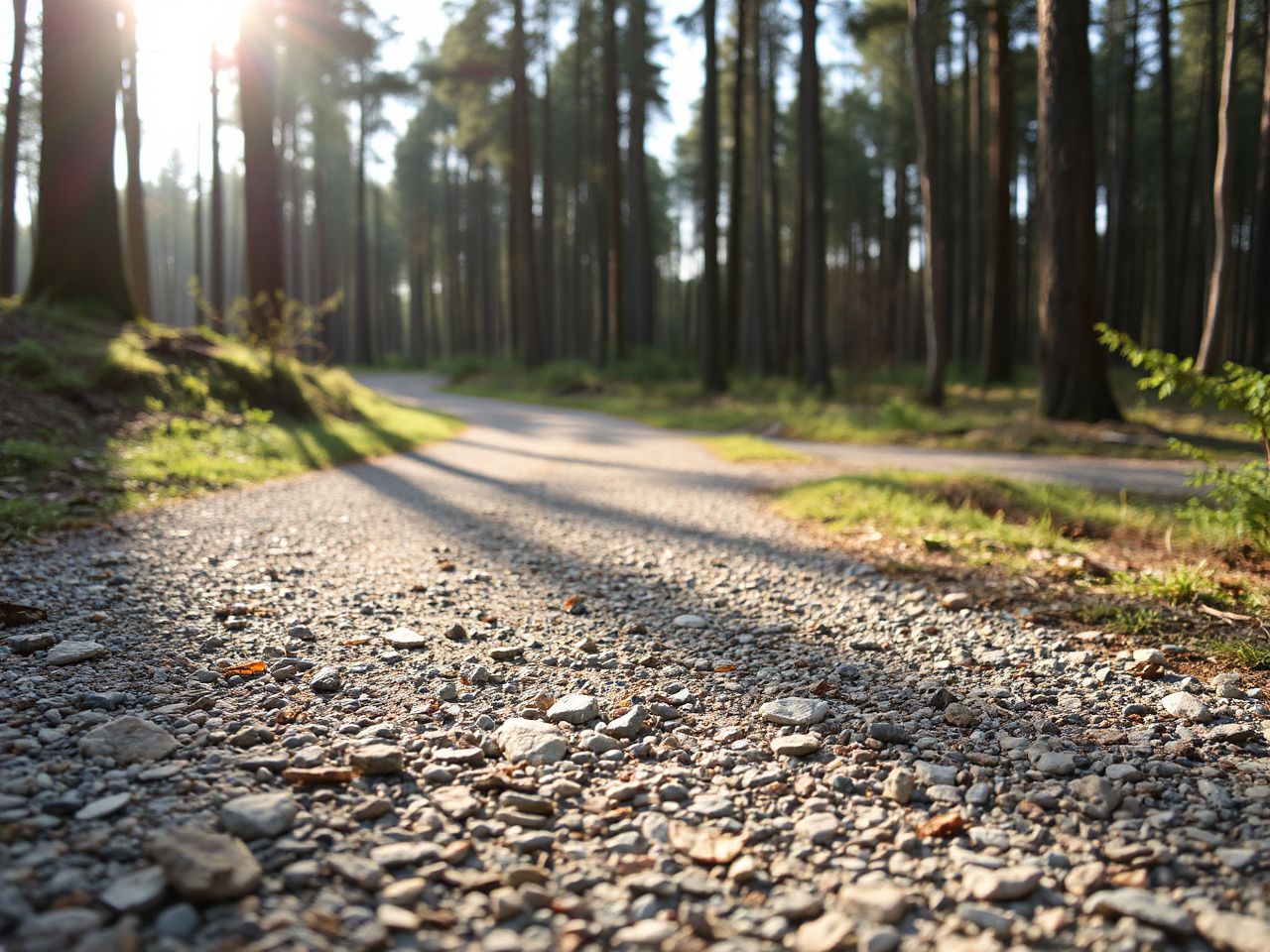
Road tires in the 25–28mm range are fine for paved roads. But if you plan to ride any unpaved sections — it is recommended to go with 32mm or wider. The white gravel roads of Tuscany are beautiful but loose. A wider tire at lower pressure (40–50 psi) will keep you upright and comfortable.
Planning Your Route: Key Regions for Cycling
Italy is a country of distinct regions, each with its own character. I’ve broken down the best areas for cycling based on my personal rides.
The Dolomites
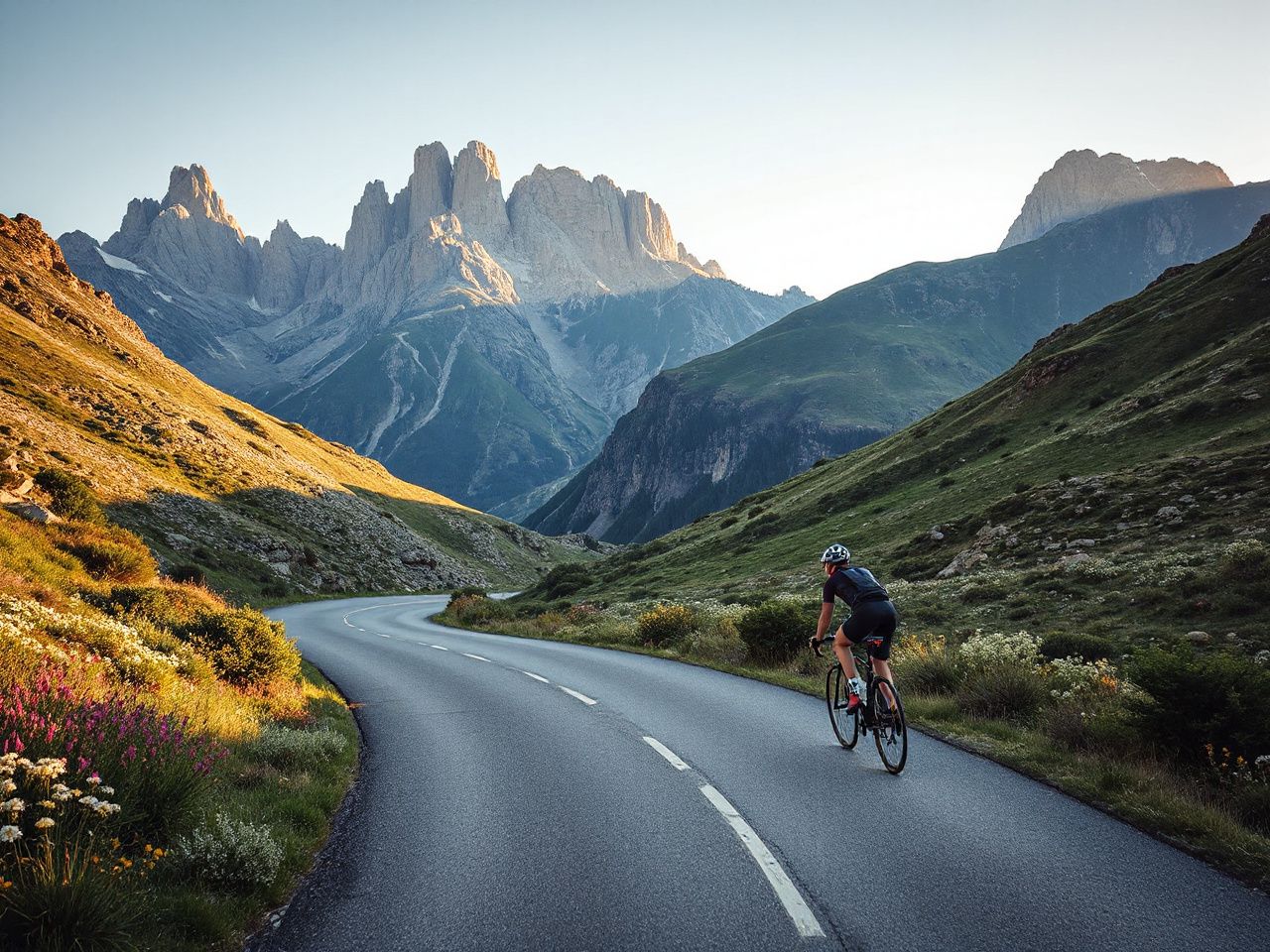
This is the crown jewel of Italian cycling. The Dolomites offer dramatic limestone peaks and legendary passes like the Passo di Giau and the Sella Ronda. The roads are well-maintained but narrow. Traffic can be heavy in July and August. Riding in early June or September is advisable, when the weather is stable and the crowds are thinner.
The Sella Ronda loop is about 58 kilometers with 1,700 meters of climbing. It’s a ride you can do in a day, but I suggest breaking it into two to enjoy the views. Each pass has its own character: the Passo Pordoi is long and steady, while the Passo Gardena is steep and technical.
Tuscany
For rolling hills, medieval villages, and excellent wine, Tuscany is unmatched. The Chianti region offers endless gravel roads (strade bianche) that wind through vineyards. The terrain is less punishing than the Dolomites, but the heat can be a factor in summer. I pack two water bottles and a hydration pack for rides over four hours.
The Eroica route is a classic, but it’s best ridden on a vintage bike or a gravel bike. The white roads are loose and require careful handling. If you’re planning a multi-day trip, base yourself in Siena or Florence and ride out each day.
The Amalfi Coast
This is not for the faint of heart. The Amalfi Coast road is narrow, crowded, and steep. But the views of the Mediterranean are worth the risk. I only recommend this route for experienced riders who are comfortable with traffic. Ride early in the morning (before 9 AM) to avoid the worst of the tour buses.
The climb from Amalfi to Ravello is about 5 kilometers at an average gradient of 7%, with sections hitting 12%. It’s short but intense. Bring a camera — you’ll want to stop at every curve.
Logistics: Getting Your Bike to Italy
Flying with a bike is the most common method, but it requires planning. I’ve flown with my bike in a hard case, a soft bag, and even a cardboard box. Here’s what works.
Airline Policies
Most airlines charge a fee for bikes, typically $50–$150 each way. Some, like Lufthansa and Swiss, include it in your baggage allowance. Always check the dimensions and weight limits. A hard case is the safest option, but it’s heavy. A soft bag saves weight but offers less protection. I use a hard case for international flights and a soft bag for shorter trips.
Disassemble your bike before you leave: remove the pedals, handlebars, and rear derailleur. Deflate the tires partially and pack bubble wrap around the frame. I also wrap the chain in a rag to prevent grease from spreading.
Shipping Services
If you don’t want to fly with your bike, consider shipping it. Companies like BikeFlights and ShipBikes offer door-to-door service. Expect to pay around $100–$200 each way for domestic shipping, and more for international. The advantage is that you don’t have to deal with airport baggage claims. The downside is that you’ll need to coordinate delivery times.
Training for Italian Climbs
Italian cycling is defined by elevation gain. A typical day in the Dolomites involves 1,500–2,500 meters of climbing. You need to prepare your body and your bike.
Endurance Base
Build a base of 8–10 hours of riding per week for at least two months before your trip. Focus on steady-state efforts at 60–70% of your max heart rate. This builds mitochondrial density and capillary networks, which improve your ability to metabolize fat for fuel on long climbs.
Hill Repeats
Once a week, find a climb that takes 8–12 minutes. Ride it at a hard but sustainable effort (80–90% of max heart rate). Do 3–5 repeats with a full recovery between each. This trains your neuromuscular system to handle steep gradients. I do these on a 10% grade hill near my home, and it’s made a noticeable difference on 14% sections in Italy.
What to Pack for a Cycling Trip to Italy
Packing light is a skill. Here’s my recommended list for a 7–10 day trip.
- Tools: Multi-tool with chain breaker, tire levers, spare tube, patch kit, mini pump or CO2 inflator, chain lube.
- Clothing: Two cycling jerseys, two bib shorts, one long-sleeve jersey for cold descents, arm and leg warmers, a lightweight rain jacket, cycling gloves, a helmet.
- Accessories: Sunglasses, sunscreen, lip balm with SPF, a small first-aid kit, a headlamp, a power bank for your phone.
- Navigation: A GPS cycling computer or a handlebar mount for your phone. Download offline maps before you go. Cell service is spotty in the mountains.
A satellite messenger like a Garmin inReach can be useful for emergencies. It is not essential, but it can provide added security when riding alone.
Navigating Italian Roads and Traffic
Italian drivers are generally respectful of cyclists, but they drive fast on narrow roads. Here’s how to stay safe.
Road Rules
Cyclists are required to follow the same rules as motor vehicles. Ride single file on narrow roads. Use hand signals for turns and stops. Wear bright clothing. In tunnels, which are common in the Dolomites, turn on your front and rear lights.
Traffic Patterns
Avoid riding between 12 PM and 2 PM, when many Italians are driving home for lunch. Also avoid the hours around sunset, when visibility drops and drivers are tired. Early morning (6 AM–10 AM) and late afternoon (4 PM–7 PM) are recommended riding times during the summer.
In cities like Rome or Milan, cycling is chaotic. It is advisable to use bike lanes where available and stay alert at intersections. For a more relaxed urban ride, consider the Motorcycle Route Around Lake Michigan: Complete Guide for Riders for inspiration on how to plan a scenic loop — the principles of route planning apply to cycling too.
Accommodation and Food for Cyclists
Italy is a cyclist’s paradise when it comes to food and lodging. Many hotels cater specifically to cyclists, offering secure bike storage and high-carb breakfasts.
Cyclist-Friendly Hotels
Look for hotels with the Bike Hotel certification. These properties have locked storage rooms, tools, and washing stations. I’ve stayed at the Hotel Adler in Ortisei and the Hotel Ciasa Salares in San Cassiano — both excellent for cyclists.
Nutrition on the Road
Italian food is perfect for endurance cycling. Eat a large dinner of pasta for glycogen storage. For breakfast, go for bread, jam, and espresso. During the ride, stop at a bar for a pastry and a coffee. Avoid heavy meals while riding — stick to bananas, energy bars, and gels.
Hydration is critical. The tap water in Italy is safe to drink. Fill your bottles at public fountains, which are common in towns. In the mountains, carry at least 1.5 liters of water.
Dealing with Mechanicals and Emergencies
Things break. Here’s how to handle common issues.
Flat Tires
Punctures are the most common problem. Italian roads have debris from construction and agriculture. Carry two spare tubes and a patch kit. Practice changing a tire at home — it’s harder than it looks, especially with tight tires.
Brake Problems
Descending for 20 minutes straight puts immense heat into your brake pads. Disc brakes are superior for this, but rim brakes can overheat. If braking power fades, stop and let the rims cool. Carrying spare brake pads is advisable for long descents.
Medical Emergencies
Know the emergency number: 112. It works for police, ambulance, and fire. Carry a small first-aid kit with bandages, antiseptic wipes, and pain relievers. If you crash, assess yourself for head injuries before moving. A helmet can save your life, but it doesn’t prevent concussions.
For a more detailed look at route planning, read our guide on the Triple Nickel Motorcycle Route: Complete Guide for Riders. The principles of scenic road selection and safety apply to cycling too.
Frequently Asked Questions
Do I need a visa to cycle in Italy?
If you’re a US or Canadian citizen, you can stay in Italy for up to 90 days without a visa. For longer stays, apply for a Schengen visa. Always carry your passport with you — police can ask for identification at any time.
Is it safe to cycle alone in Italy?
Yes, but take precautions. Share your route with someone at home, carry a satellite messenger, and avoid riding in remote areas after dark. I’ve ridden solo across the Dolomites and Tuscany without issues, but I always stay alert.
What is the best time of year for cycling in Italy?
May and September are ideal. Temperatures are mild (15–25°C), and tourist crowds are smaller. July and August are hot and busy. Winter riding is possible in the south but not in the Alps.
Can I rent a bike in Italy?
Yes, many shops rent road and touring bikes. Expect to pay €30–€60 per day. Book in advance during peak season. I prefer to bring my own bike for a perfect fit, but renting is a good option if you’re traveling light.
How do I plan a multi-day cycle to Italy?
Start by choosing a region. Map out daily distances of 60–100 kilometers with 1,000–1,500 meters of climbing. Book hotels in advance. Carry a GPS with offline maps. Allow rest days for sightseeing and recovery. I always build in one rest day every three days.