The Highest Bungee Jump in North America: Complete Guide
Contents
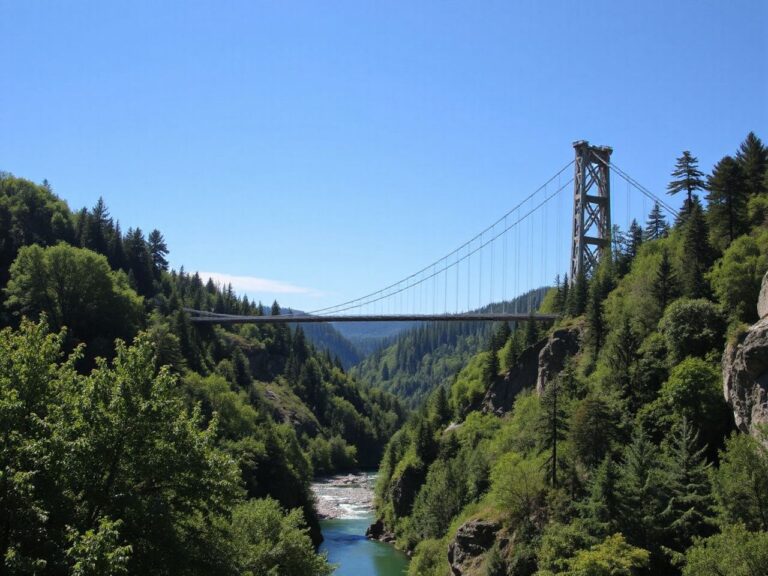
The Royal Gorge Bridge in Colorado stands 955 feet above the Arkansas River. That’s the highest bungee jump in North America.
The moments that make the best stories are almost always the ones where something went wrong, and preparation does not prevent them — it just gives you better options when one shows up. Nowhere is that principle more visible than on a bungee platform. The harness is checked twice before anyone steps to the edge, and the whole experience is engineered on redundancy rather than on nerve.
Key Takeaways
- The Royal Gorge Bridge bungee jump is 955 feet — the highest in North America and one of the top five highest globally.
- You must be at least 14 years old, weigh between 100 and 275 pounds, and sign a comprehensive waiver.
- The jump is only available on select dates, typically in spring and fall, and requires advance booking.
- Safety protocols include twin harness checks, rope ratings exceeding 5,000 pounds, and mandatory gear inspection.
Where Is the Highest Bungee Jump in North America?
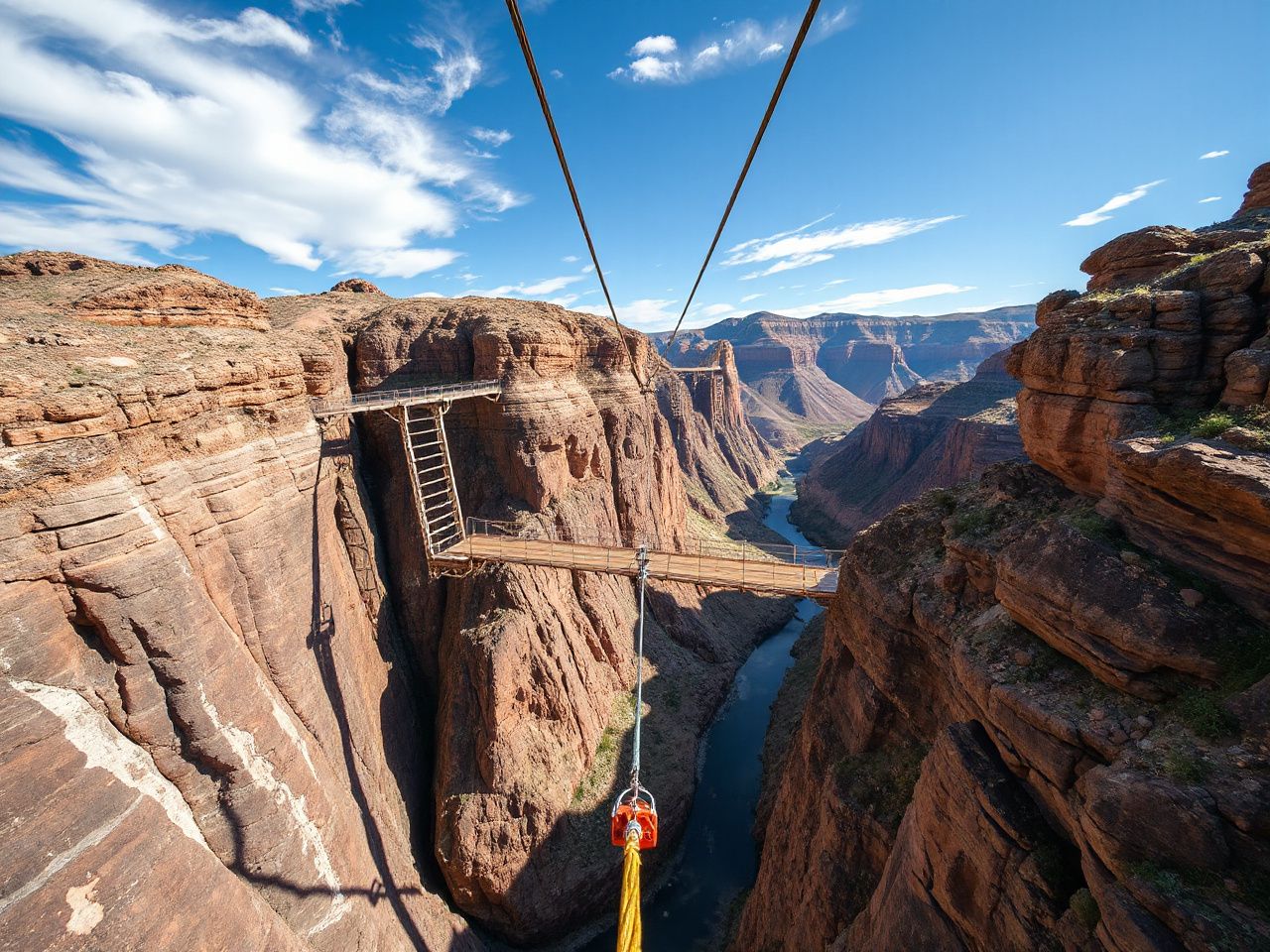
The Royal Gorge Bridge spans the Arkansas River near Cañon City, Colorado. The bridge itself is a tourist attraction, a suspension bridge built in 1929. But the bungee operation runs from a dedicated platform on the bridge’s south side.
Cañon City is the approach town for the Royal Gorge, and nothing about the road in prepares you for what it opens onto. The gorge cuts deep through the Rocky Mountains, and the bridge hangs 955 feet above the water. That’s not a typo. Nearly a thousand feet of open air between you and the river below.
For context, the second-highest bungee in North America is the 260-foot jump at the Stratosphere in Las Vegas. The Royal Gorge is more than three times that height. It’s not even close.
Height and Specifications
The official drop height is 955 feet (291 meters). The bridge deck sits at that elevation above the Arkansas River. When you jump, you fall for approximately 8 to 10 seconds before the cord reaches its maximum stretch.
The bungee cord itself is a custom-designed, multi-strand rubber cord rated for 5,000 pounds of tensile strength. It’s attached to a steel I-beam on the bridge structure, not the bridge deck itself. That beam is bolted into the bridge’s primary support framework.
The free fall is genuine. You don’t hit a platform or a net. You fall toward the river, the cord stretches, and you rebound several times before being lowered to a waiting raft or pulled back up. The recovery method depends on wind conditions and the specific operation that day.
Comparison to Other High Jumps
To understand how high 955 feet really is, look at the numbers:
- Royal Gorge Bridge — 955 feet (North America’s highest)
- Stratosphere Tower, Las Vegas — 260 feet
- Niagara Falls bridge jump — 200 feet
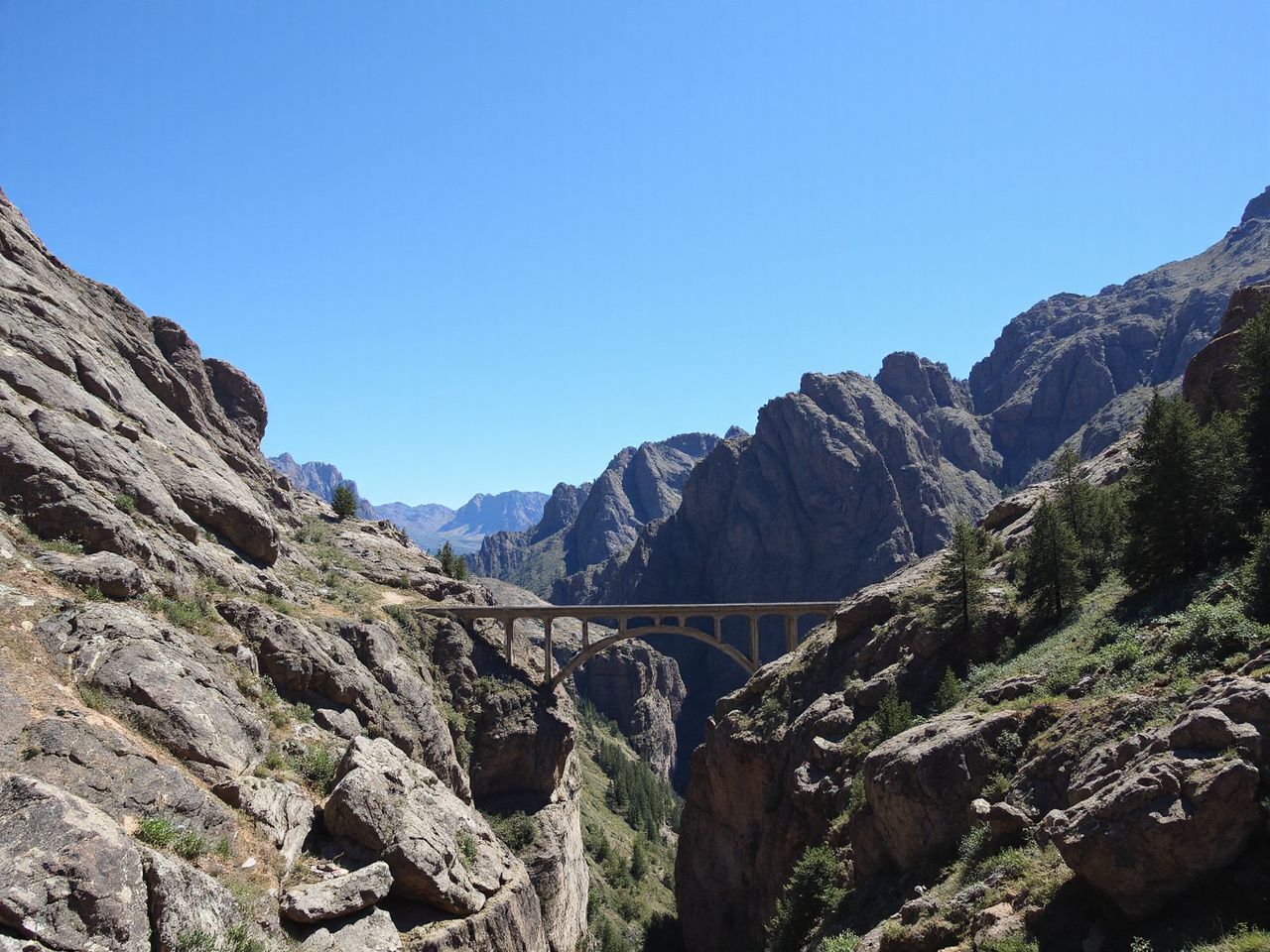
- Verdon Gorge, France — 600 feet (Europe’s highest)
- Bloukrans Bridge, South Africa — 710 feet (world’s highest commercial bridge jump)
The Royal Gorge is taller than the Bloukrans Bridge by more than 200 feet. The only commercial jumps higher are from fixed structures like the Macau Tower (764 feet) and the AJ Hackett jump in Queenstown (440 feet). The Royal Gorge is genuinely elite.
Requirements and Booking
This is not a walk-up attraction. The bungee operation runs on specific dates, usually two to three weekends in the spring and two to three weekends in the fall. You must book in advance through the Royal Gorge Bridge website or an authorized operator.
The requirements are straightforward but strict:
- Age: Minimum 14 years old. Under 18 requires parental consent.
- Weight: Minimum 100 pounds, maximum 275 pounds.
- Health: No recent surgeries, no heart conditions, no pregnancy.
- Waiver: You sign a multi-page waiver acknowledging the risks.
Groups showing up without reservations on a Saturday morning in October are turned away. The slots fill weeks in advance, especially for the fall dates when the aspen leaves turn gold. Plan ahead.
What to Bring and Wear
You don’t need special gear. The operator provides the harness, the cord, and the helmet. You should wear:
- Closed-toe shoes — no sandals or flip-flops
- Secure clothing — loose items can fall off
- No jewelry — rings and necklaces are prohibited
- Pockets empty — phones and keys stay on the bridge
The Jump Experience: What Actually Happens
I’ll describe exactly what I experienced, step by step. This is not a scripted promotional piece. This is what you will actually do.
You arrive at the Royal Gorge Bridge park entrance, pay the entry fee (the bungee ticket does not include park admission), and walk to the bridge. A staff member meets you at the south end of the bridge near the platform.
You sign the waiver. They check your ID. They weigh you on a digital scale. The weight determines the cord length and tension. This is not negotiable — if you’re over or under the limit, you don’t jump.
Then you gear up. The harness is a full-body climbing harness with leg loops and a chest strap. Two separate carabiners attach to the bungee cord. A staff member checks both connections and a second staff member checks again. The protocol requires that they check each other’s work.
You walk to the edge of the platform. The staff member gives you a final briefing: when to jump, how to position your body, what to do with your arms. You stand on the edge, toes over the metal lip, and look down at the river 955 feet below.
The jump is voluntary. You step off. You don’t get pushed. The free fall lasts eight to ten seconds. The wind rushes past. The gorge walls blur. Then the cord catches and you bounce upward, then down again, each rebound smaller than the last. After about thirty seconds, a rope is lowered and you are attached to it. You are either pulled back up to the bridge or lowered to a raft, depending on the operation.
Safety Protocols and Engineering
I don’t trust marketing claims. I trust physics and redundancy. The Royal Gorge bungee operation uses a dual-cord system. Two separate bungee cords are attached to the harness. Each cord is independently rated to hold the maximum weight. If one cord fails, the other catches you.
The anchor point is a steel I-beam bolted to the bridge’s primary support structure. That beam is designed to hold several tons of static load. The dynamic load of a bungee jump is a fraction of that.
The cords are inspected before each jump. Staff check for fraying, dry rot, or any signs of wear. The cords are replaced after a set number of jumps, typically every 200 to 300 jumps, depending on the manufacturer’s recommendation.
The harnesses are inspected the same way. Each harness has a serial number and a logbook. I asked to see the logbook. The staff showed me. Every jump, every inspection, every replacement was recorded.
This is not a carnival ride. This is a professionally engineered operation with multiple layers of safety.
Medical Considerations
The altitude is a factor. The bridge sits at approximately 7,000 feet above sea level. If you live at sea level, the reduced oxygen can affect your coordination and judgment. Arriving in Cañon City at least one day before your jump allows time to acclimate.
Dehydration is also common at altitude. Drink water. Avoid alcohol the night before to maintain good balance during the safety briefing.
Cost and Value
The bungee jump ticket costs approximately $200 to $250 per person, depending on the date. This does not include park admission, which is around $30 per person. The total cost for one jump is roughly $250 to $300.
Is it worth it? Consider that a skydive from 10,000 feet costs about the same and lasts about 60 seconds of free fall. The bungee jump gives you 8 to 10 seconds of free fall and a longer overall experience with the rebounds and recovery. It’s comparable in price to other extreme sports experiences.
The value is not in the time. The value is in the height. There is no other commercial bungee jump in North America that comes close to 955 feet. You are paying for the rarity.
When to Go
The bungee operation runs on specific dates. Historically, these are:
- Spring dates: Late April through early June, weekends only
- Fall dates: Mid-September through late October, weekends only
- Summer: No regular bungee operations due to heat and high tourist traffic
- Winter: No operations due to snow and ice on the bridge
The best conditions are in October. The aspen trees in the gorge are bright yellow. The air is crisp. The crowds are smaller. I jumped on a Saturday in mid-October and the temperature was 55°F with light wind. Perfect conditions.
Frequently Asked Questions
How high is the highest bungee jump in North America?
The highest bungee jump in North America is the Royal Gorge Bridge bungee, which drops 955 feet (291 meters) from the bridge deck to the Arkansas River below. This is more than three times the height of the next highest commercial bungee in North America, which is the 260-foot jump at the Stratosphere in Las Vegas.
What is the weight limit for the Royal Gorge bungee jump?
The weight limit is a minimum of 100 pounds and a maximum of 275 pounds. These limits are strict and based on the engineering specifications of the bungee cord and harness system. You will be weighed on a digital scale before the jump. If you are outside this range, you will not be allowed to jump, and your ticket is non-refundable.
How long does the free fall last on the Royal Gorge bungee jump?
The free fall lasts approximately 8 to 10 seconds from the moment you step off the platform until the bungee cord reaches its maximum stretch. After that, you will rebound several times over the next 30 to 45 seconds before being stabilized for recovery. The total time from jump to recovery is about 2 to 3 minutes.
Can you bring a camera or phone on the bungee jump?
No. All loose items, including phones, cameras, jewelry, and keys, must be left on the bridge. The operator provides a locker or a secure bag for your belongings. The risk of dropping something from 955 feet is too high, and any falling object could injure someone below or damage property. The operator does offer a professional photo and video package for an additional fee.