Camping Safety Tips Every Adventurer Needs
Contents
Nearly 40% of camping injuries happen because people choose a bad campsite before the sun goes down. Gear skipped to save money is almost always the gear regretted when needed most. Invest once, invest right. Here’s advice about staying safe on the road, whether on two wheels or four.
Key Takeaways
- Choose a campsite before dusk to spot hazards like dead branches and uneven ground.
- Store food away from your tent at least 100 feet to avoid attracting wildlife.
- Always carry a first aid kit and know how to treat common injuries like cuts and burns.
Why These Camping Safety Tips Matter
Living out of a motorcycle and waking up in a different patch of woods every morning is a common way to travel. The biggest threat to your safety isn’t a bear or a storm — it’s rushing. When you stop rushing, you notice the dead branch hanging over your tent. You hear the creek that might flood after rain. You take the ten extra minutes to set up your rain fly properly.
These camping safety tips come from real mistakes. I’ve woken up with my boots frozen solid because I didn’t check the weather. I’ve had a stove flare up because I forgot to clean it. Every time, the lesson was the same: slow down, pay attention, and prepare for the worst while hoping for the best.
Site Selection: The Foundation of Safety
Check for Dead Branches and Loose Rocks
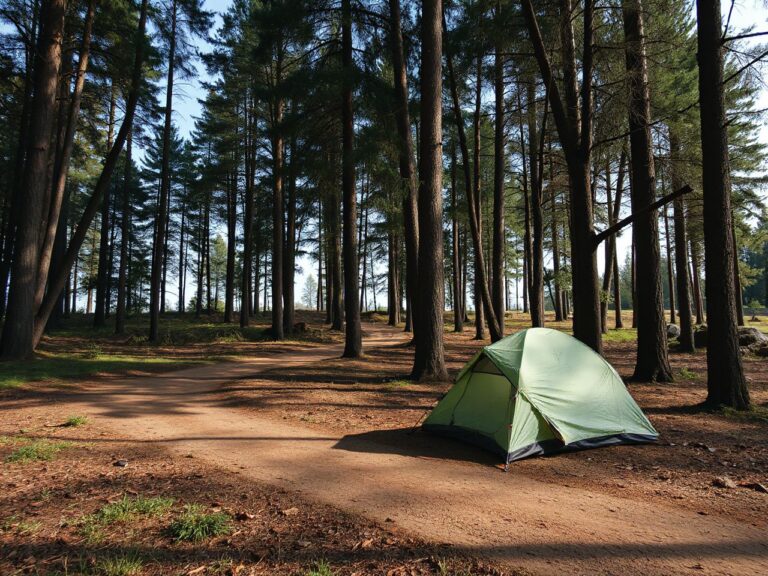
Look up before you pitch your tent. Dead branches, called widowmakers, can fall without warning. A strong wind or a passing bird can send a heavy limb crashing down. Walk the entire area and scan the ground for loose rocks that could roll onto your sleep spot.
Taking a slow lap around the site at dusk is recommended. That’s when shadows hide hazards. Setting up under a pine tree with a half-rotted branch right above a tent is a common oversight. A ten-second look would have saved a lot of trouble.
Avoid Low-Lying Areas
Water follows gravity. Camping in a depression means waking up in a puddle if it rains. Even dry ground can turn into a stream after a heavy downpour. Look for signs of past flooding — flattened grass, debris lines, or exposed roots. Those tell you water has been there before.
Pick a spot at least six feet above the surrounding ground. If you’re near a river, check the bank for high-water marks. I always camp at least 50 feet from the water’s edge, even in dry weather.
Distance from Trails and Roads
Set up at least 200 feet from any trail or road. That keeps you away from noise, dust, and curious strangers. It also reduces the chance of someone stumbling into your camp at night. If you’re dispersed camping in Montana, you might have miles of open land. Use it. Find a spot that feels private and safe.
A good site has natural windbreaks like boulders or thick bushes. That blocks the wind and muffles sound. I look for a spot where I can see anyone approaching from at least 50 yards away.
Fire Safety: Keep It Contained
Build in a Clear Area
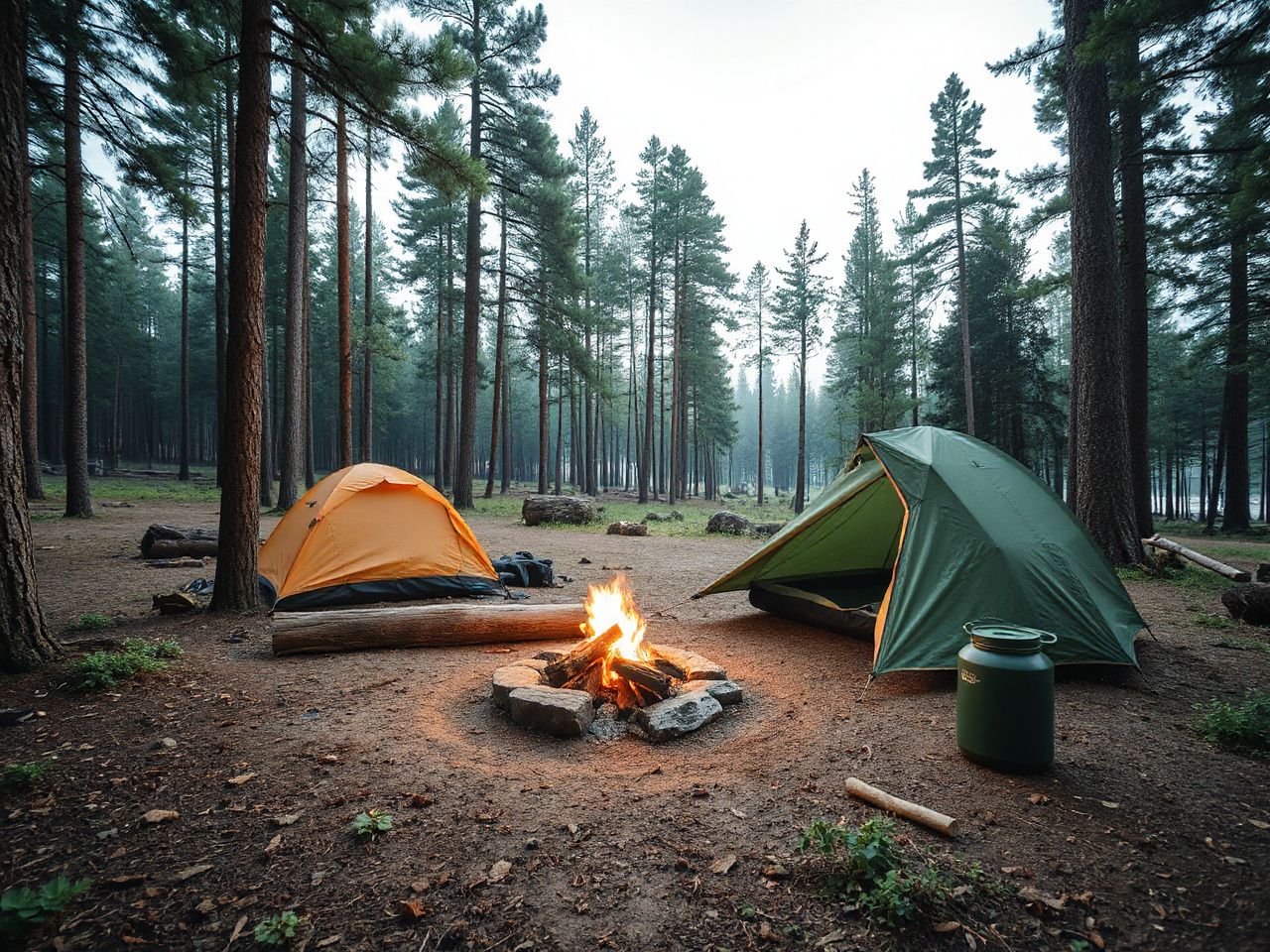
Clear a circle ten feet in diameter of all leaves, grass, and debris. Dig a shallow pit or use a fire ring if one exists. Never build a fire under low-hanging branches. Heat rises, and a small flame can ignite a branch in seconds if the weather is dry.
A lightweight fire blanket doubles as a ground pad and a flame barrier. If the ground is too dry, a fire pan can be used instead. That leaves no trace and reduces the risk of a runaway fire.
Never Leave It Unattended
A campfire can double in size in under a minute if the wind picks up. Stay with it until you’re ready to put it out. Keep a bucket of water and a shovel nearby. Douse the fire completely, stir the ashes, and douse again. Cold ashes should feel cool to the touch.
Leaving a fire smoldering and walking away is how wildfires start. If you’re tired and want to sleep, put the fire out completely. A cold camp is better than a burned forest.
Use Dry Wood Only
Wet wood creates more smoke and burns inefficiently. That smoke can irritate your lungs and attract unwanted attention. Dry wood burns hot and clean. Gather wood from the ground, not from standing trees. Breaking dead branches off a tree harms the ecosystem and increases the fire risk.
Store your firewood at least 20 feet from the fire pit. That prevents sparks from igniting your supply. I keep my woodpile upwind so smoke doesn’t blow into my face.
Food Storage and Wildlife Encounters
Store Food Away from Your Tent
Bears, raccoons, and even mice will find your food if it’s inside your tent. Store all food, trash, and scented items in a bear canister or hang them from a tree at least 100 feet from your sleeping area. Hang it 12 feet off the ground and 6 feet from the trunk.
I use a bear bag system with a small pulley. It takes five minutes to set up and keeps my food safe. Never keep snacks in your tent. The smell travels through fabric and attracts animals all night.
Cook Away from Your Sleeping Area
Cook and eat at least 100 feet from your tent. That keeps food smells away from where you sleep. Change out of your cooking clothes before bed. Grease and smoke cling to fabric and can attract animals.
Cooking dinner, cleaning up, and then setting up a sleeping system keeps the sleeping area clean and safe. This routine also helps wind down after a long day of riding.
Know What to Do in an Encounter
If you see a bear, don’t run. Back away slowly while facing the animal. Make yourself look big by raising your arms. Speak in a calm, low voice. If it charges, stand your ground. Most charges are bluffs.
Carry bear spray and keep it within reach. I keep mine clipped to my belt loop. Practice pulling it out so you’re ready. A can of bear spray costs around $40 and can save your life.
For smaller animals like raccoons, make noise and wave your arms. They usually leave. Never feed wildlife. It makes them dependent on humans and dangerous.
Weather Preparedness
Check the Forecast Before You Go
Weather changes fast in the mountains. Check the forecast for your exact location, not just the nearest town. Look for wind speeds, precipitation chances, and temperature drops. A 10-degree drop at night can be dangerous if you’re not prepared.
I check the forecast three days before I leave and again the morning of my trip. I also look at satellite imagery to spot incoming storms. If the forecast shows heavy rain or high winds, I adjust my route or delay my trip.
Set Up Your Rain Fly Early
Don’t wait until it starts raining to put up your rain fly. Set it up as soon as you pitch your tent. A dry tent is a warm tent. Wet gear leads to hypothermia, even in mild temperatures.
I use a lightweight tarp as an extra layer. It goes over my tent and extends a few feet past the door. That gives me a dry spot to cook and store gear. A tarp weighs under a pound and fits in my saddlebag.
Dress in Layers
Layers trap heat and wick moisture. Start with a base layer that pulls sweat away from your skin. Add an insulating layer like fleece or wool. Top it with a waterproof shell. That system works for temperatures from 30°F to 80°F.
Avoid cotton. It holds moisture and cools you down fast. Wool and synthetic fabrics dry quickly and keep you warm even when wet. Carrying a spare set of dry clothes in a waterproof bag is recommended as an emergency kit if you get soaked.
First Aid and Emergency Preparedness
Build a Real First Aid Kit
A store-bought kit is a good start, but you need to customize it. Add blister treatment, antihistamines, and pain relievers. Include a tourniquet and hemostatic gauze for serious bleeding. Know how to use everything in your kit.
A small kit that fits in a sandwich bag can include bandages, antiseptic wipes, tweezers, and a small bottle of ibuprofen. A lightweight emergency blanket and a whistle are also useful. Those three items weigh little and can save a life.
Learn Basic Wilderness Medicine
Take a wilderness first aid course. It costs around $100 and takes two days. You’ll learn how to treat fractures, hypothermia, and dehydration. You’ll also learn when to evacuate and how to call for help.
I took a course years ago and it changed how I camp. I now carry a small guidebook with emergency procedures. I also keep a satellite messenger for areas without cell service. That device can send an SOS signal anywhere in the world.
Stay Hydrated and Fed
Dehydration causes headaches, fatigue, and poor decision-making. Drink at least a gallon of water per day when you’re active. Filter or boil all water from natural sources. Giardia and other parasites can ruin a trip.
A lightweight filter that screws onto a water bottle removes bacteria and protozoa. Electrolyte packets can be added to water to help replace what is lost from sweating.
Eat high-energy foods like nuts, dried fruit, and jerky. Don’t skip meals. The body needs fuel to stay warm and alert. Carrying extra food in case of being stuck for an extra day is advisable.
Navigating and Communication
Carry a Map and Compass
GPS devices fail. Batteries die, screens break, and signals drop. A paper map and a compass never run out of power. Learn how to read a topo map and take a bearing. That skill takes an hour to learn and lasts a lifetime.
Carry a map of the area and a waterproof case. Mark the campsite and planned route before leaving. If lost, this helps find the way back to the last known point.
If you’re looking for motorcycle routes near me, it is best to scout them on a map first. Know where you’re going before you head out.
Tell Someone Your Plan
Leave a detailed itinerary with a friend or family member. Include where you’re camping, for how long, and when you expect to return. Check in when you have cell service. If you don’t check in, they’ll know something is wrong.
A text every evening with your coordinates takes ten seconds and gives the people at home something concrete to hold on to. If a check-in is missed, they know to call for help — and searchers start from a known point instead of a guess.
Use a Satellite Device
Cell service doesn’t exist in most wilderness areas. A satellite messenger like a Garmin inReach or Zoleo lets you send texts and SOS signals from anywhere. They cost around $300 plus a monthly subscription. That’s cheap for a lifeline.
There are really only two reasons the button ever gets pressed: calling for a medevac when someone is hurt beyond cell range, and telling family at home that a delay is weather rather than an accident. Either one on its own pays back the subscription several times over.
Gear Maintenance and Setup
Check Your Gear Before You Leave
Test your stove, tent, and sleeping bag at home. A broken zipper or a leaky seam is easy to fix in your garage. It’s a disaster in the backcountry. Set up your tent in the backyard and look for tears or bent poles.
A full gear check before every trip is worth doing. It means filling the stove with fuel and lighting it. It means inflating the sleeping pad and listening for leaks. It means packing a first aid kit and replacing anything that ran low. That routine takes 30 minutes and prevents most problems.
Pack for the Worst Case
Always pack a headlamp, extra batteries, and a lighter. Those three items can get you through almost any emergency. A headlamp lets you navigate in the dark. Extra batteries keep it running. A lighter starts a fire for warmth and signaling.
A multi-tool with pliers, a knife, and a screwdriver is useful for fixing a stove, tent pole, or motorcycle. It is one of the few pieces of gear that should never be left home without.
If you’re planning a trip to free camping in Maryland, check local regulations first. Some areas require permits or have fire bans. Knowing the rules keeps you safe and legal.
Mental Preparedness and Loneliness
Accept That Things Will Go Wrong
Rain, broken gear, and bad weather are part of camping. Accepting that reduces stress and helps you think clearly. When something goes wrong, stop, breathe, and assess the situation. Panic leads to bad decisions.
I’ve been stuck in a tent for three days during a storm. I read, organized my gear, and planned my next move. That mindset kept me calm and safe.
Stay Connected to Yourself
Loneliness hits hard on long trips. I keep a journal and write every evening. That helps me process the day and stay grounded. I also call a friend or family member when I have cell service.
Music and podcasts help too. I download a few episodes before I leave. That gives me something to focus on during quiet evenings.
Frequently Asked Questions
What is the most important camping safety tip?
The most important tip is choosing a safe campsite before dark. Look for dead branches, uneven ground, and signs of flooding. A good site prevents most accidents. Always scout your area during daylight and set up your tent in a spot that’s dry, flat, and away from hazards.
How far should I store food from my tent?
Store food at least 100 feet from your tent and 12 feet off the ground. Use a bear canister or hang it from a tree. Keep all scented items, including toothpaste and deodorant, with your food. That distance keeps animals away from your sleeping area.
What should I do if I encounter a bear while camping?
Stay calm and back away slowly. Do not run. Make yourself look big by raising your arms. Speak in a calm voice. If the bear charges, stand your ground. Most charges are bluffs. Carry bear spray and know how to use it. If you’re in bear country, always keep it within reach.
How do I build a safe campfire?
Clear a ten-foot circle of all debris. Dig a shallow pit or use an existing fire ring. Never build a fire under low branches. Keep water and a shovel nearby. Never leave the fire unattended. Douse it completely before sleeping. Cold ashes should feel cool to the touch.
What should I pack in a wilderness first aid kit?
Include bandages, antiseptic wipes, tweezers, ibuprofen, blister treatment, and antihistamines. Add a tourniquet and hemostatic gauze for serious bleeding. Carry an emergency blanket and a whistle. Learn how to use everything in your kit. A wilderness first aid course is worth the time and money.