The Complete French Riviera Cruise Guide for 2026
Contents
The moments that make the best travel stories are almost always the ones where something went wrong — the port that closed, the tender queue that ate an afternoon, the taxi that never came. Preparation doesn’t prevent adventure — it just gives you better options when it shows up. That same philosophy applies to taking a French Riviera cruise, where the calm blue water hides a few real risks that most travel writers gloss over. Wherever the terrain is unfamiliar and the timetable belongs to somebody else, the same rule holds: the most dangerous thing on a cruise isn’t the ship. It’s the gap between what you expect and what you actually need.
Key Takeaways
- Your French Riviera cruise requires specific gear for Mediterranean sun, sudden mistral winds, and steep port gangways — don’t rely on the ship’s amenities for safety.
- Risk factors like dehydration, heat exhaustion, and pickpocketing in crowded ports are real; plan your shore excursions with the same care as an off-road route.
- Preparation is not about avoiding trouble — it’s about having the skills and tools to handle it when it shows up.
Why a French Riviera Cruise Demands More Than a Sun Hat
Most people think a cruise along the Côte d’Azur is all lounging and rosé. And sure, there’s plenty of that. But as someone who has navigated exposed desert roads and high-altitude mountain passes, I see the same pattern: people show up underprepared because the marketing makes everything look effortless. A French Riviera cruise can throw real challenges at you — from 35°C (95°F) heat on the deck to sudden wind gusts that turn a calm afternoon into a white-knuckle docking. The difference between a smooth trip and a headache often comes down to what you packed and how you planned.
The Hidden Risks of Mediterranean Ports
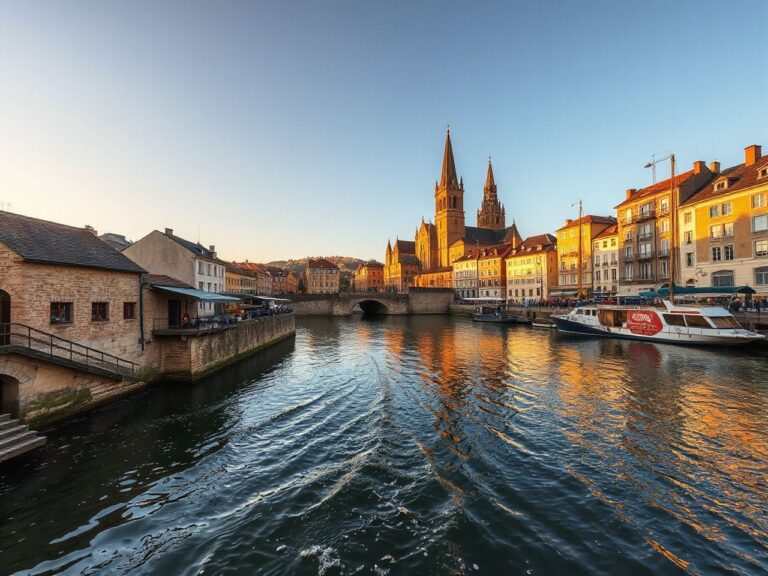
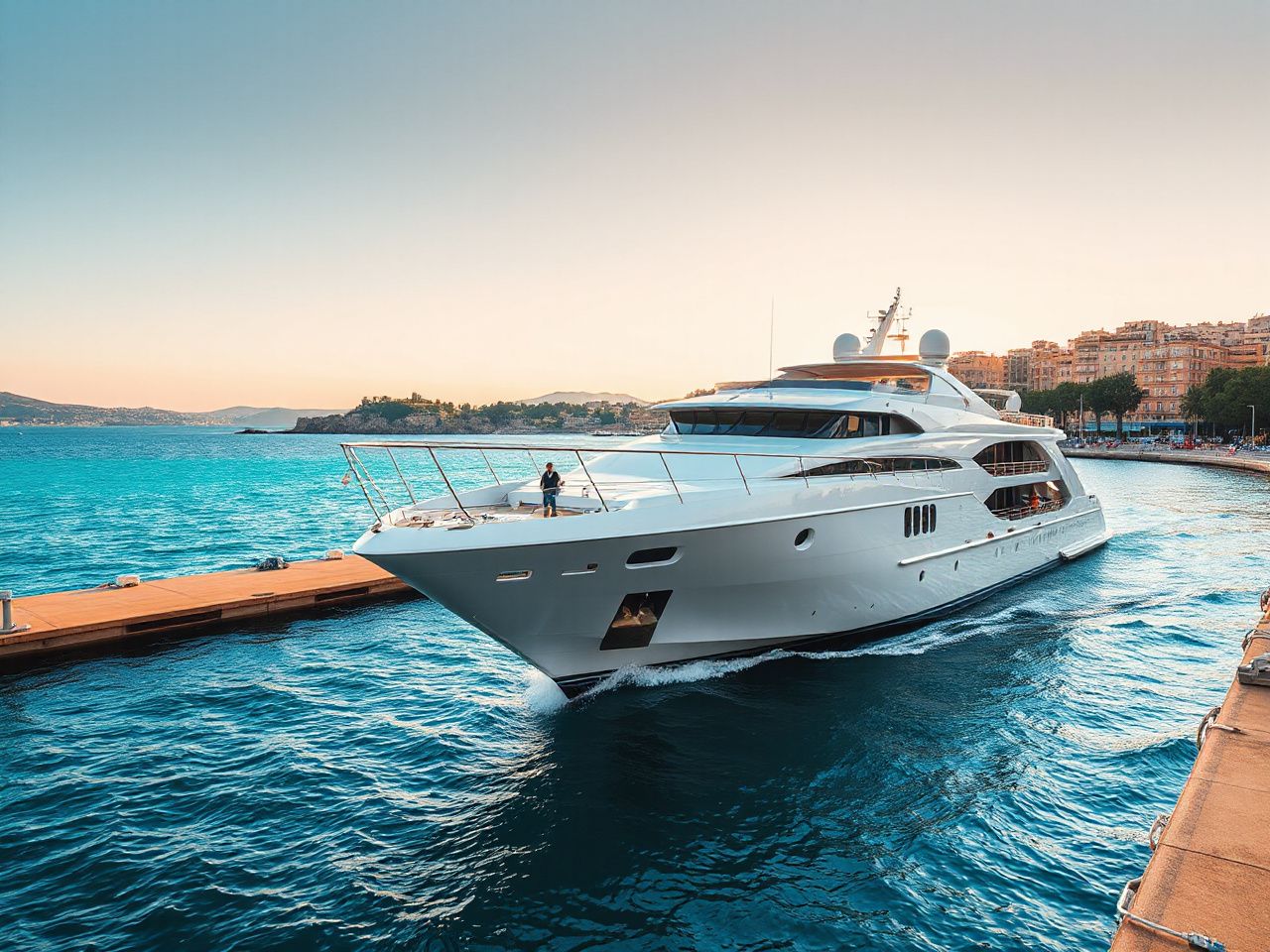
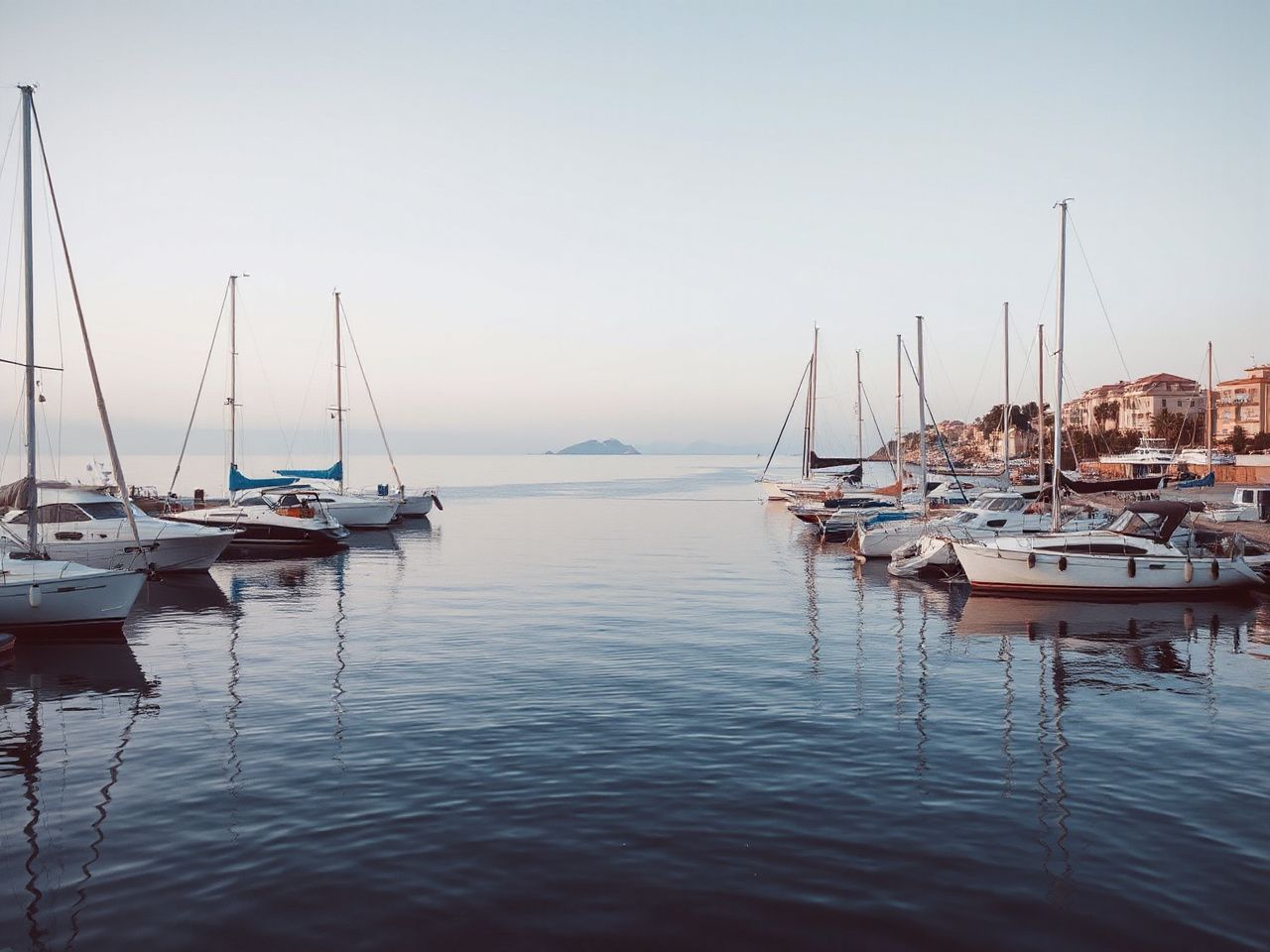
Ports like Nice, Cannes, and Saint-Tropez look like postcards, but they have their own hazards. The gangways can be steep and slippery when wet. Cobblestone streets in old towns are uneven — a twisted ankle is common. Travelers in flip-flops can struggle on the ramp from the tender boat to the dock. That’s not just uncomfortable; it’s dangerous if the sea is choppy. The mistral wind can hit 80 km/h (50 mph) without warning, turning a walk along the promenade into a battle against flying debris and sand.
Preparing for Your French Riviera Cruise: A Risk Assessor’s Approach
I break down every trip into three phases: pre-departure preparation, on-board safety, and shore excursion planning. For a French Riviera cruise, each phase has specific actions that reduce risk without killing the fun.
Phase 1: Pre-Departure Preparation (Start 30 Days Out)
Check the weather history for your specific ports. The mistral wind is most common in winter and spring, but it can hit any time. I use the European Centre for Medium-Range Weather Forecasts (ECMWF) data for long-range trends. Also, buy travel insurance that covers medical evacuation — a simple fall on a cobblestone street can cost thousands to treat if you need a hospital. Make photocopies of your passport and keep them separate from the original. On a motorcycle trip, I learned to never carry all my documents in one bag. Same rule applies here.
Phase 2: On-Board Safety (Every Day)
Know where your life jacket is before you need it. The muster drill is not optional — pay attention. On a French Riviera cruise, the ship may dock at ports where the gangway is at a 45-degree angle. Use the handrail. Carrying a drink and a bag while walking down can lead to falls. Secure your belongings in the safe. Thefts from cabins are rare, but they happen. Also, stay hydrated: the Mediterranean sun is intense even at 9 a.m. Drink water, not just cocktails.
Shore Excursions: Treat Them Like Off-Road Routes
When I plan a desert crossing, I map the route, check fuel points, and carry extra water. A shore excursion on a French Riviera cruise should get the same respect. You have limited time, unfamiliar terrain, and a group that may not share your pace. Here’s how to handle it.
Choose Your Excursion Based on Physical Ability
The French Riviera has everything from flat promenades to steep hilltop villages like Èze. A guided tour that says “moderate walking” might include 200 steps up a cliff. If you have mobility issues, pick a boat tour or a bus tour. I always look at the elevation profile of the route before booking. Ask the cruise line for the exact distance and elevation gain. If they can’t provide it, assume it’s harder than advertised.
Packing for a Day Ashore
Carry a small backpack with: 1 liter of water per person, a collapsible water bottle, sun protection (hat, sunglasses, sunscreen), a light long-sleeve shirt for sun protection, a rain jacket (the mistral can bring sudden showers), and a first-aid kit with blister pads. A power bank is useful — your phone is your lifeline for maps, tickets, and emergency calls. A dead phone can turn a minor detour into a major problem.
Time Management and the Risk of Missing the Ship
This is the biggest risk on any cruise. The ship will not wait for you. I set my watch to ship time and add a 30-minute buffer to the all-aboard time. On a French Riviera cruise, the distance between the port and the town can be deceptive — Nice’s port is a 20-minute walk from the old town, but it feels longer in the heat. Use a taxi or shuttle if you’re short on time. I always photograph the ship’s departure time from the daily schedule.
Weather and Sea Conditions on the French Riviera
The Mediterranean is not always calm. The mistral wind can create waves of 2-3 meters (6-10 feet) in the Gulf of Lion, which affects the approach to ports like Marseille and Toulon. If you’re prone to seasickness, choose a cabin on a lower deck in the middle of the ship. I’ve crossed the Mediterranean on a small ferry in a storm — it’s no joke. The ship’s stabilizers help, but they don’t eliminate the motion. Bring motion sickness medication (meclizine or scopolamine patches) even if you think you don’t need it.
Seasonal Considerations
Summer (June to August) means crowds, heat, and higher prices. The average high in Nice is 28°C (82°F), but it can hit 35°C (95°F). Spring and fall are cooler and less crowded, but the mistral is more frequent. Winter cruises are rare but possible — expect temperatures around 12°C (54°F) and rough seas. I prefer late May or early September for the best balance of weather and fewer tourists.
Safety in Ports: Beyond the Tourist Traps
Ports like Marseille have areas that are not safe for tourists, especially at night. Stick to the main streets and avoid wandering into side alleys after dark. Pickpocketing is common in crowded markets and on public transport. I use a money belt under my clothes and keep my phone in a front pocket. In Saint-Tropez, the risk is less about crime and more about overpriced taxis — agree on the fare before you get in. In Cannes, the Croisette is safe but watch for scams like fake charity collectors.
Frequently Asked Questions
Do I need a visa for a French Riviera cruise?
If you are a U.S., Canadian, or UK citizen, you do not need a visa for stays under 90 days in the Schengen Area. However, starting in 2026, the European Travel Information and Authorisation System (ETIAS) will require an online application before travel. Check the official ETIAS website for updates. Your cruise line should provide guidance, but verify independently.
What should I pack for a French Riviera cruise that most people forget?
Most people forget a reusable water bottle, a power bank, and a small first-aid kit with blister pads. Packing a light rain jacket and a pair of non-slip shoes is also recommended. The ship’s gym might have basic gear, but for shore excursions, proper footwear is needed. A money belt is also essential for crowded ports.
Is it safe to swim from the beach during a port stop?
Yes, but only at designated beaches with lifeguards. The Mediterranean has strong currents and sudden drop-offs. In Cannes and Nice, the beaches are safe, but always check the flag system: green means safe, yellow means caution, red means no swimming. Never swim alone, and watch for jellyfish in late summer. The purple flag indicates jellyfish presence.
How do I avoid getting seasick on a French Riviera cruise?
Choose a cabin on a lower deck in the middle of the ship, where motion is minimal. Bring motion sickness medication like meclizine or scopolamine patches. Eat light meals and avoid alcohol if the sea is rough. Ginger candies and acupressure bands help some people, but they are not as effective as medication. If you feel sick, go to the middle of the ship and focus on the horizon.