Camping Essentials For Beginners: A Complete Guide
Contents
Nothing ruins a first camping trip faster than realizing you cannot lock your bike to anything solid at 2 AM. The moments that make the best camping stories are almost always the ones where something went wrong — the pitch that turned out to be on a slope, the pump that would not seat on the valve. Preparation doesn’t prevent adventure — it just gives you better options when it shows up. This guide covers the camping essentials for beginners, from shelter to security, with the kind of detail most beginner checklists leave out and that you only notice missing once you are already set up in the dark.
Key Takeaways
- Start with a three-season tent, a sleeping bag rated for 10°F lower than the coldest expected temperature, and a closed-cell foam pad for insulation from the ground.
- Always test your stove and fuel system at home before leaving — a cold, wet evening is the worst time to discover a faulty valve.
- Secure your campsite by choosing a location with natural windbreaks and practicing Leave No Trace principles from the first trip.
Understanding Your Shelter: The Foundation of Comfort
A tent is your first line of defense against weather, insects, and that creeping feeling of exposure. For beginners, the temptation is to buy the cheapest dome tent at the big-box store. Resist that urge. A $40 tent will leak, collapse in wind, and leave you sleeping in a puddle.
Choosing the Right Tent
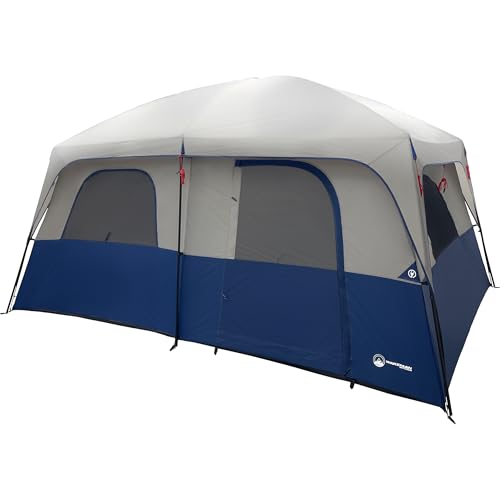
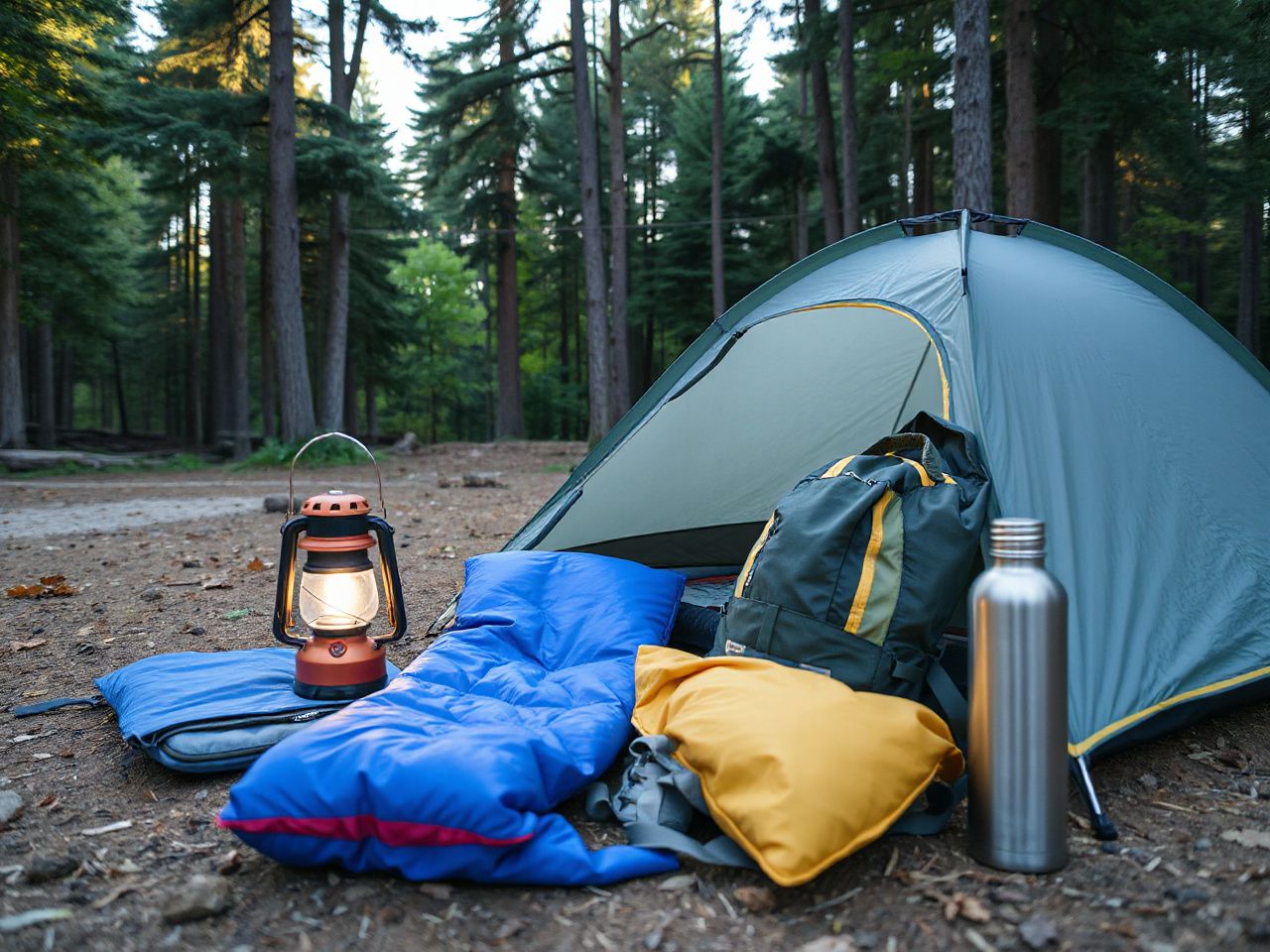
Look for a three-season tent with a full-coverage rainfly. The rainfly should extend to within a few inches of the ground. This keeps wind-driven rain from splashing under the tent body. The tent footprint — a ground cloth cut exactly to the tent floor’s shape — is non-negotiable. Without one, moisture from the ground seeps through the floor fabric.
Ventilation matters more than most beginners realize. Condensation from your breath builds up inside a sealed tent. A tent with mesh panels on the upper walls and a rainfly that can be staked out to create a gap allows airflow while keeping rain out. In humid conditions, this is the difference between waking up dry or damp.
Sleeping Gear That Actually Works
A sleeping bag’s temperature rating is a guide, not a guarantee. A bag rated for 30°F will keep you alive at 30°F, but you will not sleep well. For comfort, choose a bag rated at least 10°F lower than the coldest temperature you expect. If the forecast says 40°F nights, get a 20°F bag.
The sleeping pad is equally critical. Ground conduction pulls heat from your body far faster than cold air. A closed-cell foam pad provides reliable insulation and never deflates. Inflatable pads offer more comfort but require careful handling — one puncture and you are on cold ground. For beginners, a foam pad is suitable for its simplicity and durability.
Food and Water: Keeping Fuel in the Tank
Dehydration and hunger turn a fun trip into a miserable one fast. Plan your meals before you leave. Pack extra food and water — at least one liter of water per person per day, plus a way to purify more.
Stove Selection and Fuel Safety
Camp stoves fall into two main categories: canister stoves that screw onto small propane/isobutane cylinders, and liquid fuel stoves that burn white gas or kerosene. Canister stoves are simpler for beginners. They light easily, simmer well, and require no priming. The downside is that canisters lose pressure in cold weather. Below freezing, performance drops noticeably.
Liquid fuel stoves work in any temperature and the fuel is refillable from bulk bottles. But they require priming — preheating the fuel line before the stove runs — which takes practice. For a first trip, a canister stove with a windscreen is the safer choice. Always test the stove at home with a full pot of water. Time how long it takes to boil. That baseline tells you if something is wrong when you are at altitude or in wind.
Water Purification Basics
Even clear mountain streams can contain Giardia and Cryptosporidium. Boiling water for one minute at sea level (add one minute for every 1,000 feet above sea level) kills all pathogens. A lightweight water filter, such as a pump or gravity system, is faster and uses less fuel. Iodine tablets are a backup option but leave an unpleasant taste. Carry at least two methods of purification in case one fails.
Navigation and Safety: Never Rely on a Single Source
Your phone’s GPS is a powerful tool until the battery dies or you lose signal. A paper map and a compass are the only navigation tools that work every time. Learn basic map reading before your trip. Know how to identify a ridge line, a stream, and a trail junction on the map. Practice taking a bearing with the compass. These skills take an hour to learn and can save your trip — or your life.
Emergency Communication
In areas with cell coverage, a fully charged phone with a backup battery pack is adequate. In remote areas, consider a personal locator beacon or satellite messenger. These devices send your GPS coordinates to emergency services with the push of a button. They do not require cell service. The cost is high — $200 to $400 — but the peace of mind is worth it, especially if you hike alone.
First Aid Kit Essentials
A store-bought first aid kit is a starting point, not a complete solution. Add items specific to your trip: blister treatment (moleskin), an antihistamine for allergic reactions, and a small tube of antibiotic ointment. Know how to treat the most common camping injuries: cuts, burns, sprains, and blisters. A wilderness first aid course is a weekend investment that pays off every trip.
Clothing and Layering: Stay Dry or Stay Home
Cotton kills in the outdoors. When cotton gets wet — from rain or sweat — it loses all insulating ability and takes hours to dry. Synthetic fabrics like polyester and nylon wick moisture away and dry quickly. Wool is the only natural fiber that insulates when wet. Base layers should be synthetic or wool. Mid layers provide insulation — fleece or a lightweight puffy jacket. The outer shell must be waterproof and breathable.
The Layering System
A typical three-layer system for a 50°F day with rain: a synthetic t-shirt as the base layer, a fleece jacket as the mid layer, and a rain jacket as the shell. As the temperature drops, add a puffy vest under the shell. As activity increases, remove layers to avoid sweating. Adjusting layers before you get hot or cold is the key to comfort.
Footwear and Rain Protection
Hiking boots or trail runners with good tread prevent slips on wet rocks and roots. Waterproof boots are ideal for wet conditions, but they take longer to dry if they get wet from the inside. Gaiters — fabric covers that wrap around the lower leg and top of the boot — keep debris and water out. A wide-brimmed hat keeps rain off your face and sun off your neck.
Security and Site Selection: A Moto Traveler’s Perspective
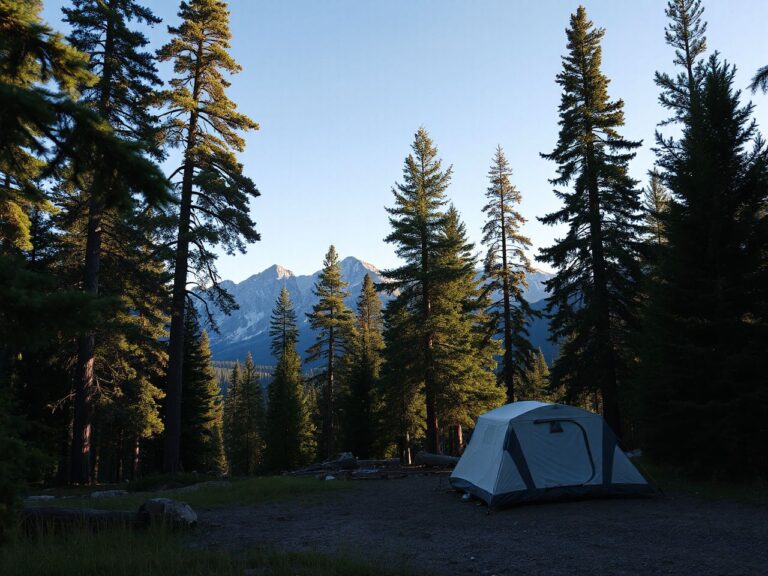
As someone who judges every campsite on motorcycle security first, I look for specific features. A good site has a windbreak — a grove of trees, a hillside, or a rock formation that blocks the prevailing wind. It is on high ground, away from flash flood zones. It has a flat area large enough for the tent and a separate area for cooking, downwind of the sleeping area.
Securing Your Vehicle and Gear
If you arrive by vehicle, park so the headlights face outward. This deters opportunistic theft and makes a quick exit easier. Use a locking cable to secure bikes or gear to a fixed object — a tree, a picnic table leg, or a ground anchor. Store food in a bear-proof container or hang it from a tree at least 10 feet off the ground and 4 feet from the trunk. Scented items like toothpaste and deodorant go in the same container.
Setting Up Camp Efficiently
Arrive at your campsite with at least two hours of daylight remaining. This gives you time to set up the tent, organize gear, and cook dinner before dark. Pitch the tent on a slight slope so that your head is uphill. This prevents rolling downhill during the night. Clear the tent area of rocks, sticks, and pine cones — anything that could puncture the floor or make sleep uncomfortable.
Frequently Asked Questions
What is the most important camping essential for a beginner?
The most important item is a reliable shelter — a tent with a full-coverage rainfly and a footprint. Without it, weather turns a trip into an emergency. Second is a sleeping pad that provides insulation from the ground. Many beginners focus on the sleeping bag and overlook the pad, which is responsible for most heat loss.
How do I choose a campsite as a beginner?
Choose a developed campground with designated sites, running water, and vault toilets. These sites are maintained, have level tent pads, and often include fire rings and picnic tables. Avoid dispersed camping — camping outside designated areas — until you have experience with navigation, water purification, and waste disposal. Check the campground’s website for reservation requirements and seasonal closures.
What should I do if I get lost while hiking?
Stop moving. Stay where you are. Use your whistle — three short blasts is the universal distress signal — and your mirror or phone screen to signal. If you have a map and compass, try to identify your location by landmarks. Do not continue hiking in the dark. Build a shelter, stay warm, and wait for help. Most lost hikers are found within 24 hours if they stay put.