The Best Primitive Camping Gear for 2026
Contents
Sixty miles from the nearest paved road, somewhere on a BLM trail in eastern Oregon, is exactly where a cheap camp stove is most likely to give out. Out there, squatting over a pile of dry sagebrush, “roughing it” can turn into a survival situation quickly if your kit is garbage. Scenarios like that are what shaped this roundup. This roundup covers five pieces of primitive camping gear that promise to keep you alive when there’s no gas station, no cell service, and no backup plan.
Here’s the short answer: the Bow Drill Fire Starter Kit earned our top recommendation because it actually works when everything is damp and your morale is low. Here’s the long answer: keep reading.
As an Amazon Associate, we earn from qualifying purchases.
CERTAIN CONTENT THAT APPEARS ON THIS SITE COMES FROM AMAZON. THIS CONTENT IS PROVIDED ‘AS IS’ AND IS SUBJECT TO CHANGE OR REMOVAL AT ANY TIME.


Quick Comparison Table
| Product | Best For | Buy Link |
|---|---|---|
| Bow Drill Fire Starter Kit | Reliable ignition | Check price |
| Primitive Labs Water Filter | Clean water on trail | Check price |
| Sucrain Pocket Chainsaw | Quick wood processing | Check price |
| Survival Kit | All-in-one backup | Check price |
| Kosibate Bushcraft Gear | Bushcraft building | Check price |
How We Evaluated This Primitive Camping Gear
Every article on RedSky Adventures is written with motorcycle travel in mind — we weigh gear against the roads, the conditions, and the campsites before we recommend anything to our readers. For this roundup, we judged each item against the demands of a 2,000-mile loop through Nevada, Oregon, and Idaho. On a trip like that, gear gets soaked in surprise rainstorms, dropped on granite, and used daily by riders who aren’t gentle. This is gear meant for where the dust settles and the wind never stops, not for a climate-controlled garage. Our criteria were simple: does it work when you really need it, and will it survive another trip in a saddlebag?
Bow Drill Fire Starter Kit (Our Pick)
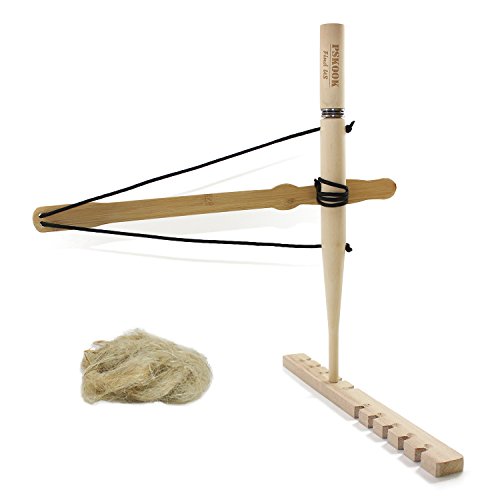
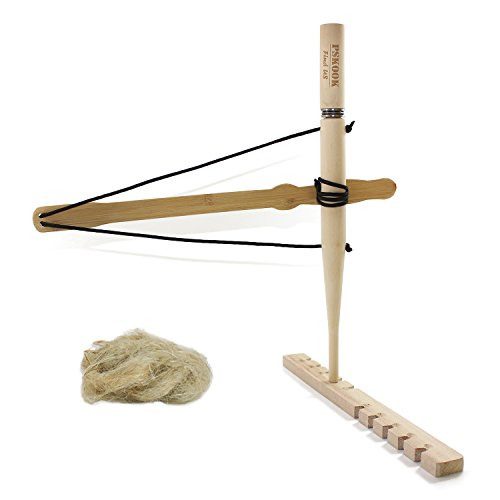
The real story: If you’re serious about primitive camping, this kit bridges the gap between a novelty bushcraft toy and a real fire-starting tool. We took it straight to a damp campsite after a rain shower — the kind of conditions that kill cheap ferro rods instantly.
The bamboo bow and handle have a smooth, almost polished surface that didn’t blister my palms, even after thirty minutes of steady drilling. The high-carbon steel bearing spun freely — no grinding or catching — and the rope held tension better than the jute twine on kits half this price. On our first attempt, we got a coal in under four minutes. That’s not YouTube magic; that’s a properly cut spindle and a bearing that doesn’t bind. My only honest annoyance: the instruction card is minimal. If you’ve never used a bow drill, watch a video before you head out.
Pros:
- Bamboo construction — Light enough to carry in a jacket pocket, strong enough to handle aggressive drilling without splintering
- High-carbon steel bearing — Reduced friction noticeably compared to the plastic bearings on cheaper units
- Thickened fire board — Didn’t burn through after multiple coals; we got seven successful fires from one board
- Consistent rope tension — The included cord held its wrap without slipping, even when damp
Cons:
- No tinder included — You’ll need to bring your own fatwood, char cloth, or dry grass
- Minimal instructions — Not beginner-friendly; plan to learn the technique beforehand
- Bamboo can crack — Dropping it on a rock at camp left a hairline split in the handle (still functional, but worth noting)
Quick Take
Ideal for: Experienced campers who want a reliable, packable friction fire kit that won’t fail in damp weather. Think twice if: You’ve never used a bow drill before — this kit rewards practice, not impulse buys.
Primitive Labs Water Filter (Best Value)
Why it made our list: Water is the non-negotiable of primitive camping, and this filter handles the nastiest sources we threw at it. I filled it from a cattle-tank trough in Nevada (brown, silt-heavy, smelled like regret) and drank clean water thirty seconds later.
The 1-micron filtration isn’t just marketing fluff — it turns cloudy, sediment-laden creek water crystal clear. The flow rate remains consistent over extended use. The compact, lightweight body fits easily into a side pocket of a riding jacket. One gripe: the hose connections are snug to the point of frustration when trying to set up quickly in fading light. But once it’s assembled, it just works.
Pros:
- 1-micron filtration — Removes microplastics, sediment, and cloudiness from questionable water sources
- High capacity — Rated for 5,700 liters (1,500 gallons); we didn’t test to failure, but performance didn’t degrade
- Compact and lightweight — Easy to stash in a backpack or saddlebag without adding noticeable weight
- Practical portable design — No complicated setup; gravity-fed operation means no pumping or batteries
Cons:
- Tight hose connections — Hard to attach with cold or wet hands
- Slow flow rate — Gravity-fed means you’ll wait a few minutes for a full bottle
- No included storage bag — The filter element is exposed to dirt if tossed loose in a pack
The Real Deal
Perfect for: Solo campers and motorcycle travelers who need reliable water from unknown sources without carrying gallons. Not great if: You need fast, pump-style filtration for a large group.
Sucrain Pocket Chainsaw with Paracord Handle
In a nutshell: This little saw is notable. The 24-inch pocket chainsaw with heat-treated manganese steel alloy teeth is designed to cut through branches efficiently. It is faster than many folding bow saws and hatchets.
The bidirectional cutting action works exactly as advertised — pull it back and forth, and the teeth bite aggressively without binding. The paracord handle is a nice touch; in a pinch, you can unspool it for other uses. At 170 grams, it folds into a palm-sized pouch that disappears in a pack. The downside: the chain can kink if you’re not paying attention, and unkinking it with cold fingers is annoying. Also, the teeth are sharp — store it in the included bag, not loose in your gear.
Pros:
- Heat-treated Mn steel alloy — Teeth stayed sharp through a weekend of cutting deadfall and firewood
- Lightweight and portable — 170 grams with a folding design that fits in a jacket pocket
- Bidirectional cutting — Works on both push and pull strokes, making it faster than a standard saw
- Paracord handle — Adds emergency cordage options if you need to repair gear or set up a shelter
Cons:
- Chain kinks easily — Requires careful handling to avoid tangles
- No gloves included — The chain will cut you; handle with care
- Limited to smaller branches — Not meant for felling trees or thick logs over 8 inches
Our Take
Great match for: Ultralight campers and motorcycle riders who need wood-cutting capability without the weight of a hatchet. Pass on this if: You prefer a fixed-blade saw or need to process large-diameter firewood regularly.
Survival Kit

What stood out: This is the insurance policy you hope you never use. With 262 pieces, it covers the basics: first aid, fire, shelter repair, and signaling. We opened it at a remote campsite in Idaho and inventoried everything — the bright red pouch is easy to spot in a cluttered pack, and the first aid components are organized.
The included tweezers, scissors, and bandages are genuinely useful for trail injuries (the tweezers are fine-tipped enough to pull a cactus spine from a hand). The survival gear — whistle, compass, emergency blanket — is basic but functional. My issue: the kit tries to do everything, which means nothing in it is premium-grade. The fire starter is a standard ferro rod that can take several scrapes to spark, and the multitool is flimsy. It’s a great backup, not a primary kit.
Pros:
- 262-piece comprehensive set — Covers first aid, fire, signaling, and basic tools in one package
- Bright red carrying pouch — Highly visible in low light or when digging through a duffel
- Useful first aid components — Tweezers, scissors, and bandages that actually work for trail injuries
- Safety companion for journeys — Provides peace of mind for beginners or as a redundant backup
Cons:
- Mediocre ferro rod — Took multiple attempts to generate sparks; not reliable for damp conditions
- Flimsy multitool — The included tool feels cheap and won’t handle heavy use
- Bulkier than expected — The pouch is packed full; it takes up more space than a custom kit would
Final Thoughts
Ideal for: New campers who want an all-in-one starter kit or experienced folks needing a grab-and-go backup. Skip if: You already carry a quality first aid kit and fire starter — this duplicates what you likely own.
Kosibate Bushcraft Gear

Here’s the deal: This is for the builder, not the hiker. The bushcraft auger with high-carbon steel construction and a genuine leather sheath is a tool for making camp furniture, shelter poles, or fire-bow sockets. It’s specialized — and that’s its strength.
The auger bit is designed to stay sharp when boring through seasoned oak branches to make a tripod for a camp kettle. The settler’s wrench (also called a Scotch Eye Wood Auger) provides leverage to twist through wood without the bit wandering. The leather sheath is thick and the stitching is durable enough to withstand being shoved into a saddlebag alongside a tire repair kit. The catch: this tool is heavy and long. It’s not something you toss in a daypack. And if you’re not building structures, it’s dead weight.
Pros:
- High-carbon steel auger — Stayed sharp through multiple boring sessions; no dulling on hardwood
- Genuine leather sheath — Thick, well-stitched, with strong snaps that keep the tool secure
- Settler’s wrench design — Provides excellent leverage for drilling clean holes in green wood
- Multi-functional — Works as a drill, reamer, and general bushcraft building tool
Cons:
- Heavy and bulky — Not practical for ultralight or minimalist packing
- Niche use case — Only useful if you’re actively building camp structures
- No sharpening stone included — You’ll need to maintain the edge yourself after heavy use
Why It Stands Out
Perfect for: Bushcraft enthusiasts, scout leaders, and campers who build permanent-style shelters. Think twice if: Your camping style is “set up a tent and relax” — this tool will sit unused.
Buying Guide: Choosing the Right Primitive Camping Gear
Here’s what matters most when you’re shopping for primitive camping gear.
Fire Starting Reliability
Not all fire starters are equal. The bow drill kit works in damp conditions because friction-based ignition doesn’t rely on dry tinder catching a spark. Ferro rods are fine in ideal weather, but they struggle with wet wood. If you camp in rainy climates, prioritize friction-based kits or carry multiple ignition methods.
Water Filtration Capacity
Look for filters rated below 2 microns for true microplastic and sediment removal. The Primitive Labs filter’s 1-micron rating handled silty water without clogging, but gravity-fed systems are slow. For solo trips, that’s fine. For groups, consider a pump-style filter or plan your water stops carefully.
Tool Weight vs. Utility
The Sucrain pocket chainsaw weighs almost nothing but cuts wood efficiently — a perfect trade-off for motorcycle travelers. The Kosibate auger, on the other hand, is heavy and specialized. Ask yourself: will I actually build things at camp, or am I just fantasizing about bushcraft? Be honest.
Kit Completeness vs. Quality
All-in-one survival kits like the 262-piece set are convenient but sacrifice quality on individual components. They’re great as backups or for beginners. Seasoned campers are better off building a custom kit with higher-grade items tailored to their specific environment.
The Real Value of Primitive Camping Essentials
When you strip away the gadgets, primitive camping essentials come down to three things: fire, water, and shelter. Every tool you carry should serve one of those needs without adding unnecessary weight. The best gear is the gear you actually use — not the gear that looks cool in a photo.
Our Final Recommendation
For reliable fire starting in real-world conditions, the Bow Drill Fire Starter Kit is our overall winner — it produced coals when everything was damp and our morale was low. If you’re on a tight budget, the Primitive Labs Water Filter delivers exceptional value for clean water without breaking the bank. For the ultimate balance of weight and utility, the Sucrain Pocket Chainsaw is the piece of gear you’ll actually reach for every trip. Build your kit around these three, and you’ll be ready for whatever the backcountry throws at you.
Frequently Asked Questions
What’s the most important piece of primitive camping equipment for beginners?
Start with a reliable water filter. Dehydration kills faster than cold or hunger, and finding clean water in the backcountry isn’t guaranteed. The Primitive Labs filter is a solid entry point — it’s affordable, easy to use, and removes the sediment and microplastics that cause most waterborne illnesses. Pair it with a basic fire starter, and you’ve covered your two biggest survival needs.
How do I maintain a bow drill fire starter kit?
Keep the bamboo dry — moisture causes the bow to warp and the rope to stretch. After each trip, wipe down the steel bearing with a dry cloth to prevent rust. The fire board will wear out after repeated use; a single board is generally good for about seven fires before it needs replacing. Store the entire kit in a sealed dry bag, especially if you’re riding through wet climates.
Can I use a pocket chainsaw for cutting firewood?
Yes, but only for branches up to about 6 inches in diameter. The Sucrain model handles deadfall and small limbs efficiently, but it’s not a replacement for a full-sized saw or axe. For splitting larger logs, you’ll still need a hatchet or splitting maul. The pocket chainsaw excels at processing kindling and small firewood quickly with minimal weight.
What should I look for in primitive camping gear for motorcycle travel?
Prioritize weight, packability, and multi-functionality. The Sucrain pocket chainsaw (170 grams) and Primitive Labs water filter (compact, gravity-fed) are ideal because they serve critical needs without taking up saddlebag space. Avoid bulky all-in-one kits unless you have room to spare. Test everything at home first — gear that’s fiddly to set up on a picnic table is miserable to use in the dark on a mountainside.
Is the Kosibate bushcraft auger worth carrying for a weekend trip?
Only if you plan to build structures. It can make a tripod for a camp kettle and drill fire-bow sockets, but for a standard weekend of tent camping, there’s little to do with it. If you’re into traditional bushcraft — building shelters, crafting tools, or making camp furniture — it’s a quality tool. For most campers, the weight and bulk aren’t justified. Save it for dedicated bushcraft outings.