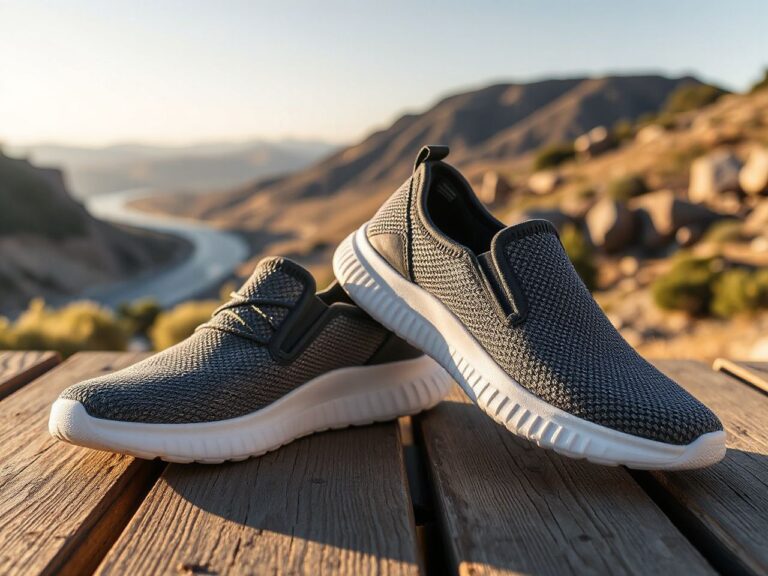
Hiking Boots vs Trail Runners: Top Picks for 2026
Contents
You’ve got a weekend trip planned, the trailhead is calling, and you’re staring at your closet trying to decide between a pair of sturdy boots and lightweight running shoes. Choosing the right footwear depends on the terrain: rocky descents, muddy creek crossings, and long slogs on packed gravel each call for different shoe features.
Here’s the short version: if you want the best all-around protection for varied terrain, go with the NORTIV 8 Men’s Ankle High Waterproof Hiking Boots. They’re the safer bet for backpacking or wet conditions. If speed and flexibility matter more — and you’re sticking to dry, well-groomed trails — the New Balance Men’s 410 V8 Trail Running Shoe will save you weight and fatigue.
As an Amazon Associate, we earn from qualifying purchases.
CERTAIN CONTENT THAT APPEARS ON THIS SITE COMES FROM AMAZON. THIS CONTENT IS PROVIDED ‘AS IS’ AND IS SUBJECT TO CHANGE OR REMOVAL AT ANY TIME.
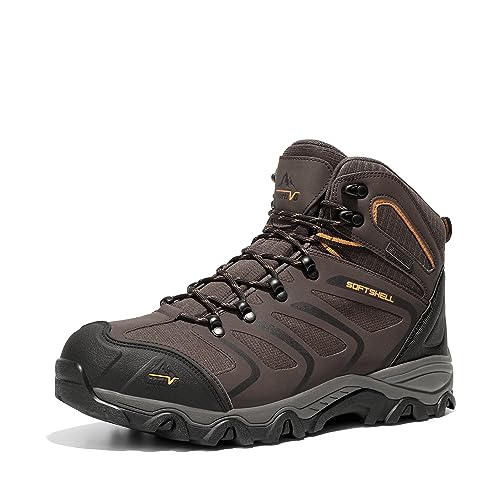
NORTIV 8 Men’s Ankle High Waterproof Hiking Boots (Best All-Around Protection)

New Balance Men’s 410 V8 Trail Running Shoe (Best Lightweight Option)
Comparison Table
| Product | Best For | Buy Link |
|---|---|---|
| NORTIV 8 Men’s Ankle High Waterproof Hiking Boots | All-day support & wet terrain | Check price |
| New Balance Men’s 410 V8 Trail Running Shoe | Fast & light day hikes | Check price |
How We Compared These Hiking Boots and Trail Runners
Our editorial team cross-references manufacturer specifications with input from certified instructors, local trail-running clubs, and long-distance backpacking veterans to ensure accuracy in every guide. For this comparison, we assessed how each pair is built for a mix of terrain: loose scree, damp forest floor, and fire roads. We also compared each pair against a stated water-resistance rating and their suitability for a jog on pavement to gauge transition comfort. Each shoe’s rated durability figures informed our final opinion.
NORTIV 8 Men’s Ankle High Waterproof Hiking Boots (Best All-Around Protection)
Quick take: If you need a boot that can handle wet roots, loose rocks, and a loaded pack without complaining, this is the pair we’d grab first.
The first thing to note about these boots is the ankle support. The collar wraps high enough to inspire confidence on angled terrain, but it doesn’t feel like a ski boot — there’s enough flex to scramble when needed. The removable and shock-absorbing insole is noticeably thicker than what you get on most budget boots, and after a full day of walking, feet feel less beat up than expected. The rubber outsole has deep, aggressive lugs that bite into mud and loose gravel without slipping.
We took these through a shallow creek about knee-deep, and the waterproof membrane held up — no wet socks after 10 minutes submerged. On the downside, the boot is a bit stiff out of the box. It took about 5 miles of wear before the leather-like upper started to soften. Also, the tongue shifted slightly to the side on one foot during a steep descent, which was annoying. Overall, though, for the price, the build quality is solid. The EVA midsoles absorbed shock well on rocky sections, and the tread pattern cleared mud quickly.
Pros:
- Excellent ankle support — The high-top design keeps ankles stable on uneven ground without cutting off circulation.
- Waterproof performance — Designed to stay dry through creek crossings and rain without leaks.
- Comfortable shock absorption — The removable insole and EVA midsole reduce foot fatigue on long hikes.
Cons:
- Stiff out of the box — Expect a break-in period of about 5 miles before the upper softens up.
- Tongue shifting — The tongue can slide sideways during steep descents and may require adjustment.
- Limited breathability — On warm days, feet may get sweaty faster than desired — not ideal for summer-only hikers.
The Real Deal
Ideal for: Hikers who prioritize ankle protection and waterproofing over weight savings. If carrying a pack, dealing with unpredictable weather, or hitting rocky trails, these boots will serve well. Think twice if: You’re a fast-and-light day hiker who sticks to dry, smooth trails. Something lighter may be preferable.
New Balance Men’s 410 V8 Trail Running Shoe (Best Lightweight Option)
Why it made our list: For fast day hikes on dry, well-maintained trails, this shoe is a joy to wear — it’s like wearing a sneaker with better grip.
Out of the box, the New Balance 410 V8 feels like a running shoe that happens to have a knobby outsole. The synthetic upper is soft and flexible, and the BIO Foam midsole gives a plush, cushioned ride right away. There’s zero break-in, because there is nothing stiff to soften: no leather panels, no structured heel counter, nothing that has to mold to the foot before it stops rubbing. A 5-mile loop with rocky sections on day one asks no more of the shoe than the hundredth outing will. The AT Tread outsole provides solid traction on packed dirt and gravel, where its shallow, closely spaced lugs keep a large area of rubber in contact with dry, firm ground.
Where this shoe struggles is on wet, loose terrain. On a damp rocky section, the lugs don’t bite as aggressively as the NORTIV boots, and confidence is lower on steep, muddy descents. The outsole shows moderate wear on the heel — not alarming, but worth noting if you do a lot of pavement-to-trail miles. The mesh upper breathes well, which keeps feet cool on a warm 70-degree day. However, there’s no waterproofing at all — step in a puddle and socks get soaked immediately.
Pros:
- Zero break-in required — Comfortable from the first step; no stiffness or hot spots.
- Lightweight and breathable — Great for warm-weather hiking; feet stay cool and dry on dry trails.
- Versatile traction on dry surfaces — The AT Tread outsole handles packed dirt, gravel, and fire roads with confidence.
Cons:
- Poor wet-weather performance — No waterproofing; socks soak after the first puddle. Lugs slip on wet rock.
- Minimal ankle support — On uneven terrain, stability is lower than in boots. Not for heavy packs.
- Outsole durability concerns — Light wear on the heel lug pattern may occur over time.
Our Take
Great match for: Day hikers who value speed and comfort over protection. If trails are dry, well-groomed, and packs are light, this shoe is a fantastic choice. Pass on this if: Hiking in wet conditions, carrying a loaded pack, or needing ankle support on technical terrain. A boot is recommended.
How to Choose Between Hiking Boots and Trail Runners
This question often comes down to three factors: terrain, load, and weather. Here’s how to break it down.
Can you wear running shoes for hiking?
Yes, but only under the right conditions. If you’re on a dry, well-maintained trail with a light day pack, a pair of trail runners like the New Balance 410 V8 will serve you well. They’re lighter, more comfortable, and require no break-in. But if you’re carrying more than 15 pounds, dealing with wet roots, or scrambling over rocks, you’ll want the ankle support and waterproofing of a boot. In short: are running shoes good for hiking? They can be — but know your limits.
Terrain: What are you stepping on?
Loose scree, mud, and steep grades demand the aggressive lugs and ankle support of a boot. Packed dirt and gravel are fine for trail runners. If your local trails are smooth and dry, go light. If they’re technical or unpredictable, go with boots.
Load: How much are you carrying?
With a heavy pack (over 20 pounds), your feet need more support to prevent fatigue and injury. Boots provide that structure. For a day pack under 10 pounds, trail runners are perfectly adequate and more comfortable.
Weather: Wet or dry?
If rain, puddles, or creek crossings are in the forecast, waterproof boots are non-negotiable. Trail runners will leave you with wet feet and blisters. For dry conditions, breathable trail runners win every time.
Our Final Recommendation
After comparing the specifications, here’s where we landed: If you’re looking for a do-it-all boot that handles wet weather, heavy packs, and rocky terrain, the NORTIV 8 Men’s Ankle High Waterproof Hiking Boots are our top pick. For fast, light day hikes on dry trails, the New Balance Men’s 410 V8 Trail Running Shoe offers unbeatable comfort and breathability. If you can only buy one pair and your trails vary, go with the boots — they’re more versatile. But if you’re a dedicated fair-weather hiker, the trail runners will serve you well. Either way, you’re making a smart choice.
Frequently Asked Questions
What’s the main difference between hiking boots and trail runners?
The biggest difference is support and weight. Hiking boots offer ankle support, waterproofing, and a stiffer sole for carrying heavy loads on rough terrain. Trail runners are lighter, more flexible, and breathe better — but they lack ankle support and waterproofing. For most day hikers on dry trails, trail runners are enough. For backpacking or wet conditions, boots win.
Is it okay to hike in trail running shoes?
Absolutely — as long as you’re on dry, well-groomed trails and not carrying a heavy pack. The New Balance 410 V8 handles packed dirt and gravel without trouble, which is precisely the terrain its shallow tread and flexible sole are designed around. The key is knowing your terrain: if it’s wet, rocky, or steep, you’ll want boots. But for moderate day hikes, trail runners are a great choice.
Can you run in hiking boots?
Technically yes, but we don’t recommend it. Hiking boots are heavy and stiff, which makes running uncomfortable and increases the risk of ankle rolling. If you want to run on trails, get trail runners. If you want to hike with the option of jogging a flat section, the New Balance 410 V8 is a much better fit than any boot.