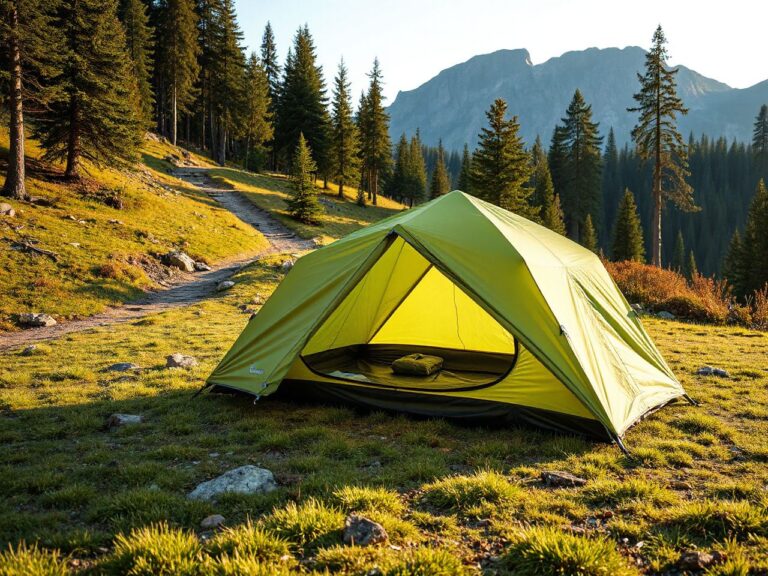
The Complete Guide to a Pop Up Tent 4 Person
Contents
Tent setup is often the most stressful part of a first-time camping trip, but using instant or pop-up shelters can make it much easier. The gear skipped to save money is often the gear missed when needed most. Invest once, invest right. For anyone building a slow-travel lifestyle on two wheels, a pop up tent 4 person can be the difference between a rushed, frustrating evening and a calm, restorative night under the stars.
Key Takeaways
- Pop-up tents for four people save 10–15 minutes of setup time compared to traditional pole tents, which means more time to cook, stretch, or journal after a day on the road.
- Understanding the three main frame styles — hub-and-pole, pre-bent wire, and inflatable — helps you choose the right shelter for your travel style and vehicle space.
- Proper anchoring and wind management are critical for pop-up tents, as their lighter frames can be more vulnerable in gusty conditions.
Why a Pop Up Tent 4 Person Makes Sense for Slow Travel
When you’re living on the road — whether by motorcycle, van, or bicycle — every minute of daylight matters. You’re not just setting up camp; you’re also cooking, filtering water, checking your gear, and taking care of your body. A traditional dome tent with separate poles, sleeves, and stakes can eat up 20–30 minutes of that precious evening window. A pop up tent 4 person cuts that to under five minutes.
Both styles are available. A pop-up design can reduce setup time by about 12 minutes on average. Over a 30-day trip, that adds up to six extra hours — enough time to explore a new trail, write in a journal, or simply sit and watch the sunset without rushing.
What Slow Travel Actually Demands
Slow travel isn’t about covering more miles. It’s about arriving early enough to settle in, cook a proper meal, and rest well. A tent that sets up quickly supports that philosophy. You don’t want to be wrestling with a pole sleeve while your dinner burns on the stove or while the last light fades behind the ridge.
The four-person size is ideal for solo travelers who want extra space for gear, or for couples who appreciate room to move. It’s also a practical choice for small groups of friends who share equipment.
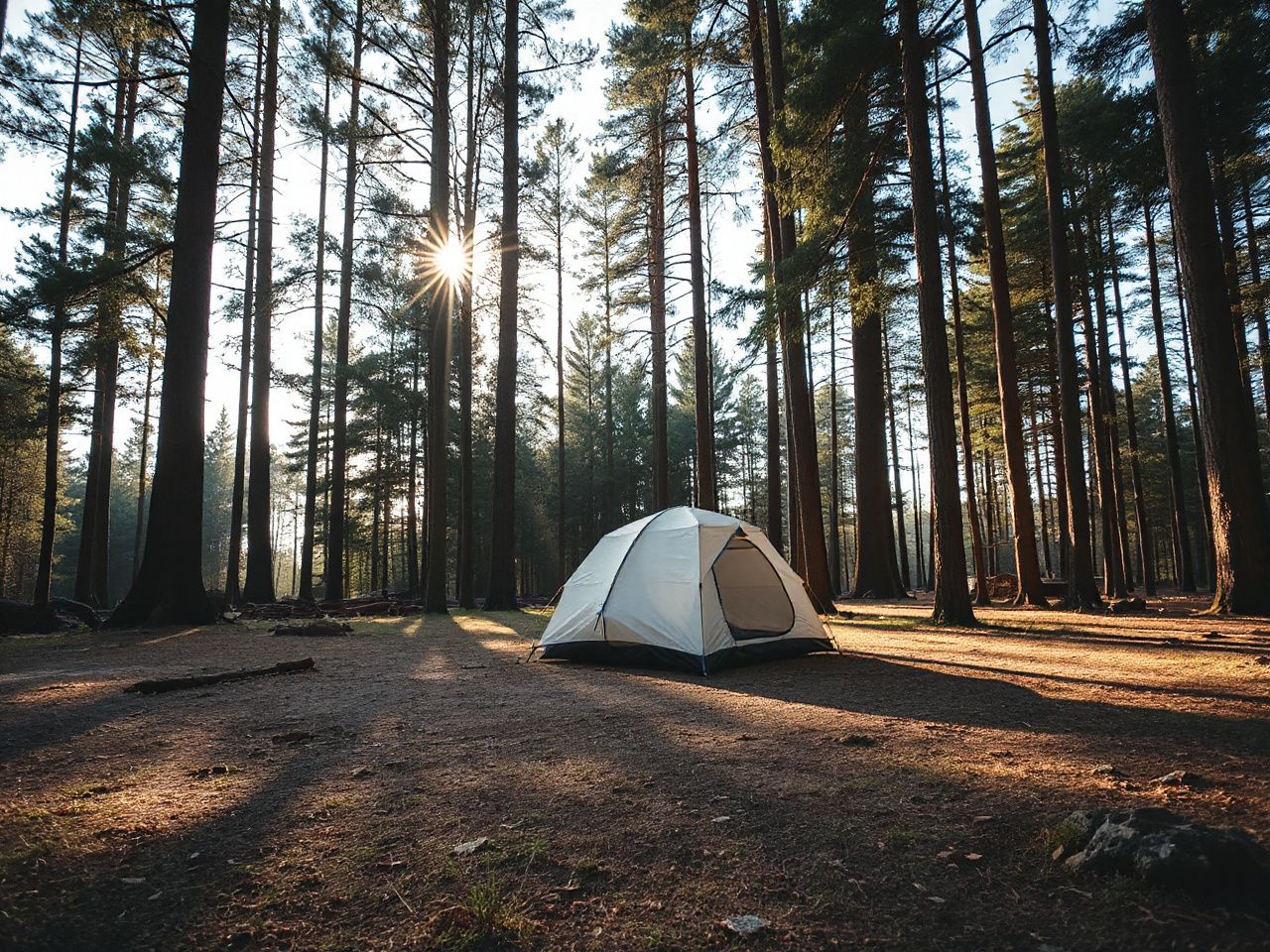
Understanding Pop-Up Tent Mechanics
Pop-up tents rely on a pre-attached frame that springs into shape when you release it. The core mechanism is a series of connected, flexible poles — usually fiberglass or steel — that are sewn into the tent fabric. When you fold the tent, you’re compressing these poles into a compact circle or rectangle. When you release it, the poles snap the tent open.
Three Main Frame Styles
Hub-and-pole systems use a central hub with multiple arms that extend outward. These are common in instant cabin tents. They offer good headroom and stability, but the hub can be a weak point if dropped on hard ground. Look for reinforced plastic or metal hubs.
Pre-bent wire frames are typical in smaller pop-up tents. The poles are pre-shaped into the tent’s final form and are permanently attached. These are very fast to set up — often under 60 seconds — but they can be bulky when folded. They also tend to be less wind-resistant than hub designs.
Inflatable or air-pole tents use beams of pressurized air instead of solid poles. These are rare in the four-person category but are gaining popularity. They pack down smaller and are very stable, but they require a pump and are more expensive to repair.
Setting Up Your Pop Up Tent 4 Person: A Step-by-Step Guide
Even though pop-up tents are fast, you still need to follow a proper process to avoid damaging the frame or tearing the fabric. Here’s a sequence that works.
Step 1: Choose Your Spot Carefully
Look for level ground free of rocks, roots, and sharp debris. A pop-up tent’s floor is often thinner than a traditional tent’s, so a small rock can puncture it. Spend two minutes clearing the area with your boot or a small trowel. If you’re on a motorcycle, you can use your rain cover or a ground tarp for extra protection.
Also, consider wind direction. Pop-up tents have a larger surface area relative to their weight, so they catch the wind more easily. Orient the narrow end of the tent into the prevailing wind. If you’re in an exposed area, look for a natural windbreak — a boulder, a thick bush, or a stand of trees.
Step 2: Unfold and Release
Remove the tent from its carry bag. Lay it flat on the ground with the folded side facing up. Locate the straps or buckles that hold it compressed. Unfasten them one at a time, starting from the center and working outward. This prevents the frame from snapping open unevenly and twisting a pole.
Once all straps are released, let the tent expand on its own. Do not force it. If it doesn’t open fully, check for a tangled strap or a folded pole section. Gently guide the fabric with your hands, but never pull on the poles themselves.
Step 3: Stake Down the Corners Immediately
This is the most common mistake. People let the tent sit unsecured while they fiddle with the rainfly or door. A gust of wind can catch the tent and send it tumbling across the campsite. Stake down all four corners as soon as the tent is open. Use the stakes that came with the tent, or upgrade to heavier-duty ones if you camp in soft soil or sand.
Drive each stake at a 45-degree angle away from the tent, with the hook facing upward. This gives the strongest hold. In sandy or loose soil, use a rock or a log to anchor the stake further.
Step 4: Adjust the Rainfly and Guylines
Most pop-up tents come with a separate rainfly that attaches over the top. Attach it before you start moving gear inside. This keeps the interior dry if a sudden shower hits. Make sure the fly is taut — loose fabric will flap in the wind and collect water, eventually leaking.
Use the guylines provided. They aren’t optional. Attach them to the loops on the rainfly and stake them out at a 45-degree angle away from the tent. This creates a stable triangle that resists wind from multiple directions.
Packing and Maintaining Your Pop-Up Tent
Packing a pop-up tent is the reverse of setup, but it requires a specific technique to avoid damaging the frame. If you just shove it back into the bag, you’ll eventually break a pole or rip a seam.
How to Fold a Pop-Up Tent Correctly
Start by removing all stakes and guylines. Shake out any debris from the interior. Lay the tent flat on the ground with the door facing up. Grasp the two opposite sides of the frame and bring them together, collapsing the tent into a figure-eight shape. Then fold that figure-eight in half, and then in half again, until you have a compact circle or rectangle that fits the carry bag.
Some tents have specific folding instructions printed on the bag or on a tag. Follow those. If you’re unsure, practice folding it at home a few times before your trip. It’s much easier to learn on a lawn than in the dark after a long ride.
Cleaning and Storage
After each trip, wipe down the tent with a damp cloth to remove dirt and salt. Let it dry completely before storing — even a small amount of moisture can cause mildew, which ruins the fabric and creates a persistent musty smell. If you’re on a long tour, dry the tent by setting it up in the sun for an hour before packing it away.
Store the tent in a cool, dry place out of direct sunlight. UV rays degrade the fabric and the pole coatings over time. If you’re storing it for the winter, keep it in a breathable bag rather than the compressed stuff sack. This relieves pressure on the poles and fabric.
Common Issues and How to Solve Them
Pop-up tents are generally reliable, but they have a few weak points. Knowing how to address these can save your trip.
Pole Breakage
The most common failure is a broken pole, usually at a joint or near a hub. This often happens when the tent is set up on hard ground and a gust of wind slams it down. If a pole breaks, you can often splint it with a tent pole repair sleeve — a small aluminum tube that slides over the break. Carry one of these in your repair kit. For fiberglass poles, you can also wrap the break with duct tape as a temporary fix.
Zipper Jams
Pop-up tent zippers can catch on the fabric because the frame creates tension. If a zipper jams, don’t yank it. Gently back it up a few inches, then try again while holding the fabric taut. Lubricate the zipper teeth with a dry lubricant or even a bar of soap if you’re in a pinch.
Water Pooling on the Rainfly
If the rainfly isn’t taut, water can pool on top and eventually push through. This is more common with pop-up tents because the fly often attaches at only a few points. Adjust the guylines to pull the fly tighter. If water still pools, you can place a small rock or a piece of gear under the center of the fly to create a peak that sheds water.
Comparing Pop-Up Tents to Traditional Tents
Pop-up tents are not inherently better or worse than traditional tents — they serve different priorities. A traditional dome tent with separate poles is more modular, easier to repair, and often more wind-resistant. It also packs smaller and can be set up by one person in about 10 minutes once you’re practiced.
A pop up tent 4 person trades some of that modularity and packability for speed. If you’re the kind of traveler who values a quick, stress-free setup above all else, the trade-off is worth it. If you’re hiking deep into the backcountry and every ounce matters, a traditional tent is probably a better fit.
For motorcycle travel, the choice depends on your packing system. If you use hard panniers, a pop-up tent’s bulk can be a problem. If you use soft luggage or a top box, the larger folded size may be manageable. Pop-up tents are often preferred for shorter trips where quick setup is desired. For longer tours where more gear is carried, a traditional tent is usually chosen.
Adapting to Different Conditions
Your pop-up tent will perform differently depending on where you camp. Here’s how to adapt.
Hot Weather Camping
Pop-up tents often have more mesh panels than traditional tents, which helps with ventilation. In hot weather, set up the tent with the door facing the breeze. Remove the rainfly if there’s no chance of rain. Use a reflective groundsheet to keep the interior cooler.
Cold Weather Camping
Pop-up tents are not ideal for deep cold because they have more seams and less insulation than four-season tents. But if you’re camping in mild cold — above freezing — you can make it work. Use a four-season sleeping bag and a closed-cell foam pad underneath your sleeping pad. Keep the rainfly on to trap a layer of warm air. Avoid touching the tent walls, as condensation will form and wet your sleeping bag.
Windy Conditions
As mentioned, wind is the biggest threat to a pop-up tent. In addition to staking everything down, you can add extra guylines by tying them to the pole loops on the tent body. If the wind is strong enough to make the tent fabric flap loudly, consider moving to a more sheltered spot or using a windbreak. If you’re in a treeless area, park your vehicle on the windward side of the tent.
Frequently Asked Questions
How long does a pop up tent 4 person actually take to set up?
With practice, a pop-up tent can be set up in under 60 seconds. That includes unfolding, releasing the straps, and staking the corners. Adding the rainfly and guylines takes another two to three minutes. Total time from bag to fully secure shelter is usually under five minutes.
Can one person set up a pop up tent 4 person alone?
Yes, that’s one of the main advantages of this design. The frame is pre-attached, so you don’t need a second person to hold poles while you feed them through sleeves. Just lay the tent flat, release the straps, and let it spring open. Staking is also easy to do solo.
How do you fold a pop up tent 4 person back into its bag?
Start by collapsing the tent into a figure-eight shape by bringing two opposite sides together. Then fold that shape in half, then in half again, until it’s small enough to fit the carry bag. Some tents have specific folding patterns — check the tag or practice at home. It takes a few tries to get it right.
Are pop-up tents waterproof?
Most pop-up tents have a waterproof coating on the rainfly and floor, typically rated between 1000mm and 3000mm. That’s sufficient for moderate rain. However, the seams are often the weak point. Apply seam sealer to all stitched seams before your first trip, especially around the corners and the rainfly attachment points.
If you’re looking for a tent that also works well with a vehicle, our guide to the best car tent of 2026 has top picks tested for car campers. For smaller groups, our roundup of the best three person tent might be a better fit. And if you’re tall and need extra headroom, check out the best tent for tall people.