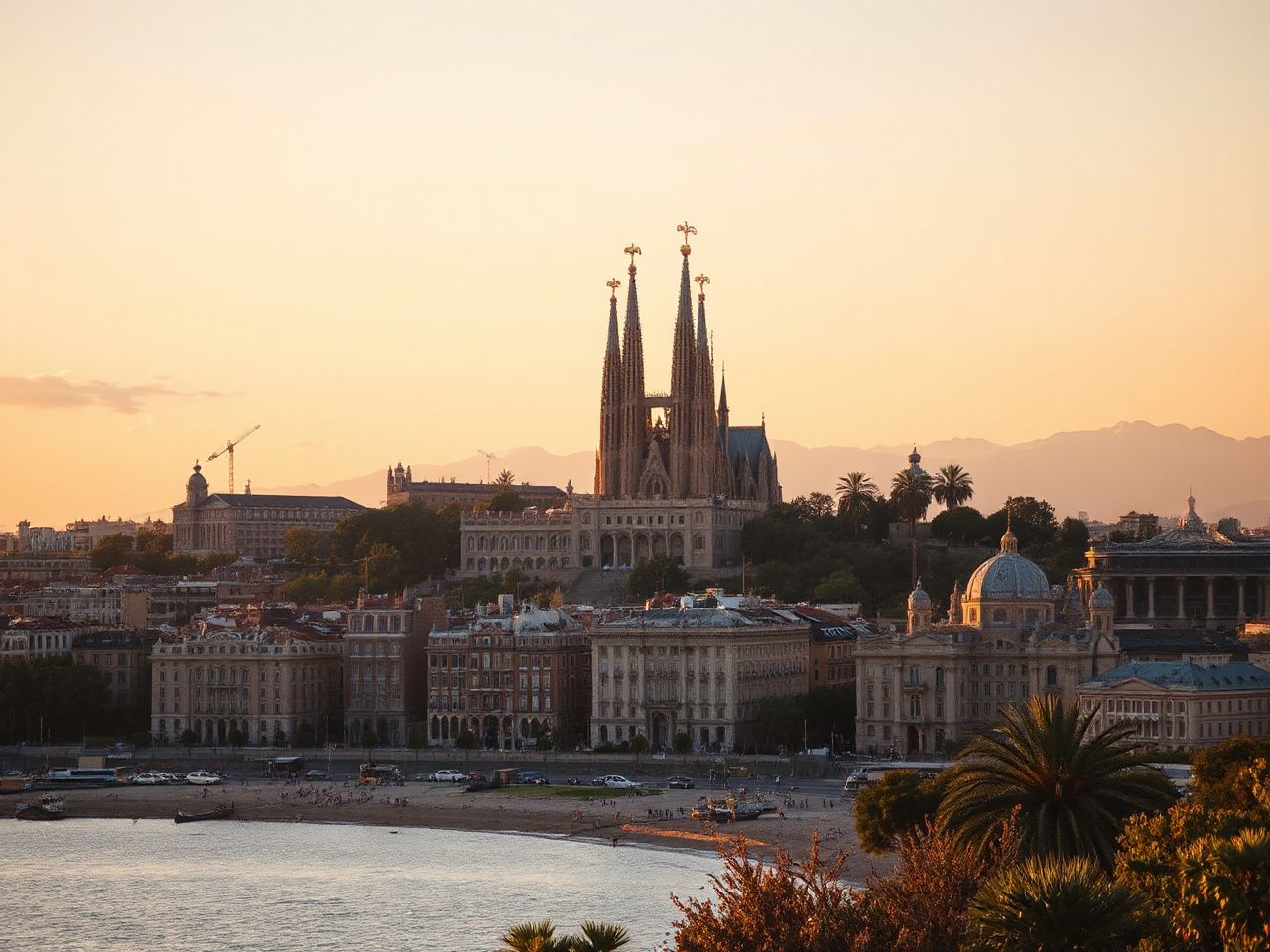
Day Trips from Barcelona: What’s Worth Knowing First
Contents
A destination only 80 kilometres from Barcelona can still turn into an awkward full-day outing once you include station transfers, local buses, opening hours, and the last practical return. That’s the key point: places that are geographically close aren’t always easy as day trips. Direct train access, the distance from station to sights, local connections, and a reliable return trip matter more than map distance. The guide also needs to distinguish a compact town visit from an activity-based outing. Combining a mountain, beach, or remote village with major sights can make an itinerary hard to pull off, even if the transport seems straightforward. That’s the difference between useful day trips from Barcelona and routes that only look tidy on a map.
If you want a wider planning reference for rail journeys, the step-by-step guide to travelling between Amsterdam and Barcelona is useful for thinking about connections and station changes, even though the distances here are much shorter.
Key Takeaways
- Choose by surface, remoteness, and return reliability rather than distance alone.
- Montserrat needs separate planning for the train and the mountain connection.
- Girona and Tarragona require extra thought because their stations are not beside every major sight.
- Costa Brava villages, remote hikes, and mixed beach-and-sightseeing plans are the easiest to overpack.
Day Trips from Barcelona: Start With the Type of Day
The first decision isn’t train versus car. It’s about the kind of outing you want. A historic city works well with a town-centre route and flexible wandering. But a mountain or coastal trail depends on terrain, weather, and the final local connection. I look at how much uncertainty there is after leaving Barcelona: an unmarked path, a rough access road, or a remote bus stop can add a sense of discovery. Yet, that same uncertainty can also make your return connection fragile.
A small town visit usually gives you more control over your day. But an activity-led trip is more challenging: the trail might be exposed, the beach could be far from the station, or the monastery might sit above the railhead. A destination can be rewarding but still a poor choice for a day trip if the plan relies on too much of one return journey.
For beaches and coastal walking
Sitges is the clear choice for a straightforward coastal town. You get the town, waterfront, food, and an outing that doesn’t depend on finding an isolated trailhead. The town works well as a compact visit because the main experience is tied to the settlement, not a distant viewpoint. Keep your plan focused. Adding a long coastal walk can turn an easy town day into an activity route with less margin for a delayed return.
The Costa Brava offers a rougher sense of discovery, especially when paths leave the settled coastline and head toward coves or small villages. Public transport doesn’t connect every destination equally well. A bus plan might need careful coordination, and a car can be useful when the route starts away from the main rail line. The car helps with access but doesn’t guarantee predictability: rough roads, parking issues, and changing weather still need attention.
Sitges is easier to treat as a compact coastal town than as the starting point for an ambitious remote hike. That distinction helps keep beach plans realistic.
For history, food, and city texture
Girona suits a day built around streets, historic fabric, food, and a concentrated centre. The railway station is not always beside the sights visitors want to see, so the walking section from the station belongs in the itinerary from the start. Do not treat the rail journey as the entire transfer.
Tarragona offers a historic city visit combined with access to the coast. The same station-to-sight issue applies here. The Renfe train from Barcelona Sants to Tarragona takes about 1 hour and 20 minutes. Barcelona is 80 kilometres away by distance. The difference between kilometres and door-to-door time shows why a timetable alone isn’t a plan.
Figueres is another city-led outing, with the Dalí Theater-Museum as a clear anchor. Figueres lies about two hours north of Barcelona, and the museum is reached by walking 15 minutes from the train station. The route is relatively easy to understand because the destination has a named focal point, but opening hours and reservations can determine whether the journey feels calm or compressed.
Girona, Tarragona, and Figueres all require visitors to count the walk or local transfer beyond the railway station. A station name is not the same thing as a sightseeing location.
For mountains and rougher ground
Montserrat is more activity-focused, even if the main goal is the monastery rather than a long hike. The train trip from Barcelona takes about one hour. Then there’s a transfer to either a cable car or a rack railway. Those mountain connections are part of the plan, not something to figure out after arrival.
Weather and operating conditions can influence access to Montserrat. This provides another option for visitors with plans that include higher ground. Keep the monastery visit, mountain transport, and walking routes in the same planning category. Adding a distant town or a major coastal stop can turn the day into a schedule with too many fixed points.
Besalú and Vic can offer a more grounded inland outing, while Vall de Núria belongs to the category of mountain travel that needs careful connection planning. A route that includes a train, a local service, and a mountain transport system has several points where a delay can reshape the day. The less marked the route, the more important the return margin becomes.
How to Choose Rail, Bus, or Car
Step 1: Identify the first unavoidable transfer
Begin with the point where the trip stops being simple. For Montserrat, that’s the transfer from train to cable car or rack railway. For Costa Brava destinations, it might be the bus from a rail-connected town to a coastal village. For Girona and Tarragona, it’s the walk or local transport between the station and the sights.
Rodalies de la Generalitat de Catalunya is key for many car-free routes around Barcelona. Ferrocarrils de la Generalitat de Catalunya serves mountain trips connected with the region. Check the official operator info before planning, since engineering works, strikes, festivals, and seasonal timetable changes can impact your day.
A car-free itinerary is practical only when the final connection is practical too. A direct train doesn’t eliminate the need to plan for a bus, cable car, rack railway, or station walk.
Step 2: Match the transport to the destination
- Train: Use rail for Tarragona, Girona, Figueres, Sitges, and the Barcelona-to-Montserrat approach when the station and final connection fit the plan.
- Bus: Consider a bus when the coastal village or inland settlement sits away from the main railway, but confirm the return service before leaving the station area.
- Car: Use a car when a Costa Brava route or remote trailhead has weak public-transport links. A car is less useful for a compact historic city where parking and central access create their own complications.
These categories serve as planning tools rather than fixed rules. A train can be the cleanest first leg and still leave you exposed to a sparse local service. A car can reach a remote start point more directly but still produce a rushed day if the route includes too many separate sights.
Step 3: Calculate the real journey
Count the journey in layers: getting to the departure station, waiting for the main service, changing transport, walking from the arrival station, visiting the destination, returning to the transport point, and allowing for the return service. The total time is often much longer than the headline rail time.
For Tarragona, the approximately 1-hour-and-20-minute Renfe journey covers only the rail part from Barcelona Sants. For Montserrat, the one-hour train ride is followed by a mountain connection. For Figueres, the 15-minute walk to the Dalí Theater-Museum is short, but it still needs to be part of the plan.
Door-to-door planning reveals whether a destination is a relaxed day trip or a sequence of fragile connections. Map distance cannot show that by itself.
Step 4: Protect the return
Return services can be less frequent than outbound ones. A missed bus, a delayed mountain connection, or a long queue at a sight might matter more late in the day than early on. Always check the final practical return, not just the last service in a search.
Have a fallback plan that’s realistic for the place you’re visiting. That could mean returning to the rail station earlier, dropping a secondary sight, or accepting an overnight stay. If the return train gets canceled, first look for the operator’s replacement info and then reassess the next connection, rather than assuming every ticket or route transfers automatically.
What to Check the Day Before Leaving
Transport and operating conditions
Review the railway timetable, local buses, and any mountain transport separately. Montserrat needs particular planning because the train and the monastery connection are different steps. A disruption on either side can change the whole outing.
Check for engineering works, strikes, festivals, and seasonal timetable changes. These disruptions aren’t limited to the route out of Barcelona. Festivals can affect local walking space and buses, while engineering works might change the station used for the return.
Official operator pages are the best place to verify current service details. Use Rodalies de Catalunya information for regional rail updates. Check Ferrocarrils de la Generalitat de Catalunya if the route uses its network or connects with mountain outings.
Opening hours and reservations
Always confirm the opening hours of the monastery, museum, historic site, or other fixed attraction. Figueres clearly states that the Dalí Theater-Museum is a 15-minute walk from the station. Visiting outside opening hours wastes the most predictable part of the trip.
Reserve ahead when a sight or transport connection requires it. A reservation can set a fixed arrival time, so the walk to the station and any local transfers need planning backward from that. Do not add another major sight just because it seems nearby.
Weather, heat, and terrain
Weather can change how a route feels. A coastal town can still support a food-and-streets day in poor weather, but exposed hikes, remote coves, or mountain viewpoints may become uncomfortable or impractical. Check access and walking conditions at Montserrat before leaving.
Terrain deserves attention equal to the weather forecast. Uneven paths, steep sections, and unmarked tracks can slow groups and make missing a local connection more likely. Limited mobility needs a route-specific check rather than assuming train access makes the whole day easy.
Weather and terrain can turn a simple sightseeing plan into a transport problem. Choose the day’s main activity only after checking both.
Food, local transport, and extra costs
Plan your budget beyond just the main transport ticket. Include costs for local buses, cable cars, rack railways, museum or monument entries, food, and a contingency for unplanned connections. No single fare covers the full cost of a mountain or remote-coast day.
Food planning is especially important in smaller villages and activity-focused routes. Opening hours and local options may be narrower than in Barcelona. Cities like Girona or Tarragona have a different rhythm from remote trails, where transport schedules often dictate meal times.
Route Profiles: What Each Destination Can Realistically Do
Montserrat and the monastery
Choose Montserrat when the mountain itself is the reason for leaving Barcelona. The train, cable car, rack railway, monastery, and walking routes all connect into one trip. Weather and operational conditions can impact access, so avoid it on days when mountain movement is uncertain.
Don’t pair Montserrat with Girona, Sitges, or a distant coastal village. The attraction is activity-led, and transfers already shape the day. A quieter plan with one mountain focus is more dependable than a long list of stops.
Sitges
Sitges works well for a coastal town day built around walking, food, and the waterfront. It also serves as a useful fallback for bad weather compared with a remote hike. The visit can be shortened or rearranged without losing the mountain connection.
Keep a separate plan for any longer coastal route. The town and the trail may be close in a regional sense but require different transport and exert more physical effort.
Girona
Girona is best as a concentrated city visit. Allow time for moving between the station and the sights. Use the centre as the day’s main focus rather than adding a remote excursion. Food can be part of the plan without turning the itinerary into a timetable puzzle.
Tarragona
Tarragona appeals to visitors interested in history with a coastal setting. The roughly 1-hour-and-20-minute train ride from Barcelona Sants is straightforward. The station isn’t necessarily next to the sights, so include that walk or local transfer before planning how much to see.
Figueres
Figueres has a clear museum-led layout. The city is about two hours north of Barcelona, and the Dalí Theater-Museum is a 15-minute walk from the station. Check opening times before traveling, and avoid adding a distant coastal village unless the return can be comfortably managed.
Costa Brava and Cadaqués
The Costa Brava rewards patience with changing surfaces, indirect access, and less predictable local connections. Cadaqués is best approached with careful planning rather than casual station-to-centre travel. A car can help, but public transport might still need detailed bus planning.
Remote coastal terrain is where the feeling of discovery is most intense. It’s also where missing a connection leaves the fewest easy options. Treat the return as part of the route’s character, not just an administrative detail.
Penedès, Besalú, Vic, and Collioure
The Penedès wine region, Besalú, and Vic offer different kinds of inland travel. Some focus on food stops, while others highlight historic settlements. Their suitability depends on the exact connection and whether the visit is short or spread across several sites. Collioure in France adds an international border crossing to the planning. Passport, transport, and return details should be confirmed before departure.
Valencia isn’t a good fit for a casual day unless the transport plan and sightseeing priorities are very focused. Vall de Núria is better seen as a mountain itinerary with several transport decisions. It’s not just a simple city escape. An overnight stay can be more sensible when the destination is remote, the return infrequent, or the day depends on a late reservation.
Remote destinations often become better overnight itineraries when the return connection controls too much of the day. Extra time can protect the route rather than merely add another attraction.
Accessibility and Common Planning Errors
Limited mobility
Accessibility needs to be checked by segment. A train may be manageable, but a station-to-centre walk, steep historic street, cable car transfer, rack railway platform, or uneven coastal path might not. Ask the relevant operator or attraction for current access info. It’s also important to inspect the route between the station and the sight, not only the transport vehicle.
Girona and Tarragona need particular care because station placement can add a significant walking section. Montserrat requires a separate review of the rail connection, mountain transport, monastery access, and walking route.
Combining a town with a hike
A town visit and a short walk can work when the walk begins near the town and the return is flexible. Pairing a remote hike with major sightseeing is a different matter. The activity can take longer than expected, and the route back to the station might be less obvious than the route out.
Choose one main purpose. If the mountain, beach, or village is the reason for the trip, let that activity set the timetable. For food and history, pick a compact town and keep the terrain simple.
When an overnight stay makes sense
Stay overnight when the outward journey is long, the final connection is infrequent, or the destination is remote enough that leaving early from the main sight is necessary. An overnight trip also makes sense if bad weather could delay the activity and there’s no later connection available.
Rules about taxes and local regulations for accommodation change depending on where you go. Always check the current conditions before booking. A separate guide to excursions from Barcelona and overnight-stay costs can help you understand that part of the budget.
The mistakes that make a day feel rushed
- Using map distance instead of door-to-door transport time.
- Ignoring the walk from Girona, Tarragona, or Figueres station.
- Assuming a Costa Brava village has the same rail access as Sitges.
- Adding a hike to a museum or historic city without protecting the return.
- Checking the outbound timetable but not the last practical connection.
- Leaving reservations, opening hours, weather, and terrain until departure morning.
A good itinerary clearly has a main purpose and a plan to return that still works if one small part gets delayed. That’s a more useful standard than just counting how many places you visit.
Frequently Asked Questions
Which destination is easiest without renting a car?
Sitges, Girona, Tarragona, Figueres, and the rail approach to Montserrat are the clearest car-free options, but each ends differently. Sitges is great for a compact coastal visit. Girona and Tarragona require attention to walking from stations to sights. Figueres has a 15-minute walk to the Dalí Theater-Museum, while Montserrat needs a separate mountain connection.
How long does a Barcelona day trip really take?
The published rail time is just one part of the trip. Tarragona takes about 1 hour and 20 minutes from Barcelona Sants by Renfe. Montserrat involves a train ride of about an hour followed by a cable car or rack railway to get to the mountain. Add in the trip to the station, station exits, local walking, queues, and the return connection.
Is Montserrat suitable in bad weather?
Check the weather before going to Montserrat because access and mountain conditions can influence both transport and walking plans. Keep the monastery and mountain transport as your main goal. Avoid combining this trip with a distant town. If the forecast looks bad or operating conditions are uncertain, pick a city or coastal visit instead.
Can I combine Girona or Tarragona with a hike?
You can combine a city visit with a short walk if the route starts near the center and the return is flexible. A remote hike is a different plan. Girona and Tarragona already involve moving between stations and sights, so adding a distant trail can make the day feel rushed. Stick to either a city tour or an activity-based outing.
What happens if I miss the last practical train?
First, check the operator’s current disruption or replacement info. Then see if another local service reaches the main station. Don’t assume that a later train will fix the problem if the bus, cable car, rack railway, or station walk has already ended. A trip to a remote destination might need an overnight stay, so keep your accommodation and contact details handy for high-risk routes.