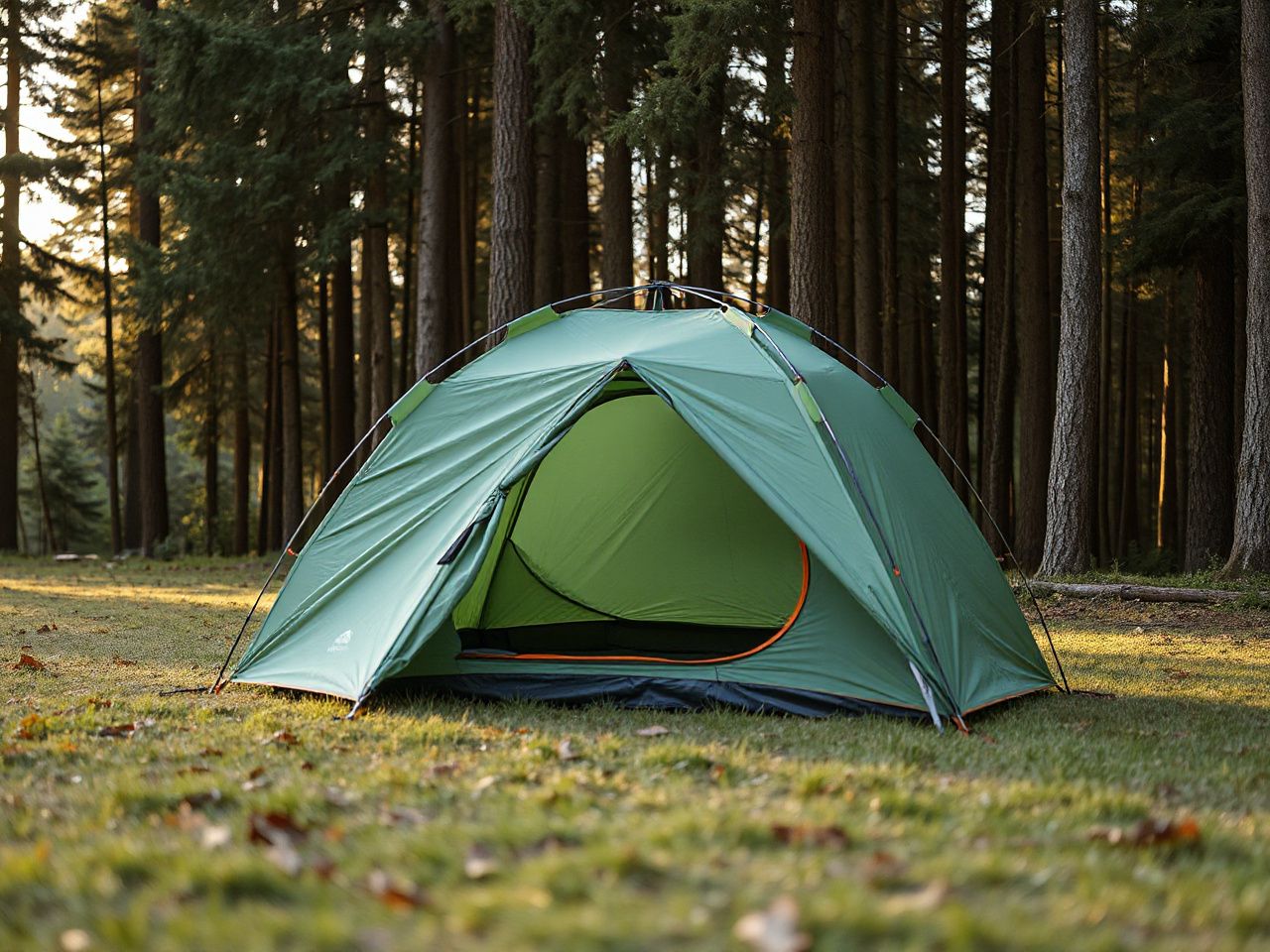
The Complete Guide to Choosing a 2 Person Dome Tent
Contents
Over the past few years, more riders have been trading in their packed itineraries for something slower. They’re not trying to see five national parks in a week anymore. They want to wake up in one place, make coffee, and watch the light change. For that kind of travel, your shelter becomes everything. And for solo riders or couples sharing the road, a 2 person dome tent is often the most practical choice. Gear skipped to save money is almost always the gear regretted when needed most. Invest once, invest right.
Key Takeaways
- A true two-person dome tent balances weight, packed size, and weather protection — prioritize durability over ultralight materials for long-term use.
- Freestanding dome designs are easier to set up on varied terrain, which matters when you’re tired after a long day of riding.
- Ventilation and condensation management are critical for comfort in humid or rainy conditions — look for double-wall construction with mesh panels.
- Poles, stakes, and seam sealing are where most budget tents fail; invest in quality components to avoid mid-trip failures.
Why the Dome Shape Works for Slow Travel
The dome tent design has been around for decades for good reason. Its geometry sheds wind better than cabin-style tents and provides more headroom than a wedge. For a traveler who might set up camp in a mountain pass one night and a coastal forest the next, that versatility matters.
Dome tents are freestanding, meaning you can move them around after setup. That’s a small thing until you need to shift your tent six inches to avoid a rock or a root. They also pitch quickly — usually under 5 minutes once you’ve done it a few times. When you’re rolling into camp at dusk after 300 miles, that speed is worth more than any spec sheet.
How Dome Tents Handle Wind and Rain
The crossing poles create a stable structure that distributes wind load. A quality 2 person dome tent uses at least two main poles that cross at the apex, often with a third pole for the vestibule. This design resists buckling in gusts up to 30-40 mph when properly staked.
Rain performance depends more on the fly than the inner tent. A full-coverage rainfly that extends close to the ground prevents water from splashing under the edge. Look for a fly with taped seams and a hydrostatic head rating of 1500mm or higher for reliable protection.
Weight and Packed Size: The Motorcycle Trade-Off
On a motorcycle, every pound and cubic inch counts. A typical 2 person dome tent weighs between 4 and 7 pounds. Ultralight versions drop below 3 pounds but often use thinner fabric and smaller poles, which reduce durability. For slow travel, carrying an extra pound for a tent that lasts longer is preferable.
Packed size matters more than weight for most bikes. A tent that compresses to 18 inches long by 6 inches in diameter fits inside a pannier or strapped across a dry bag. Anything larger may need to go on top of a duffel, which affects handling in crosswinds.
What to Look for in Packed Dimensions
- Pole sections should be short enough to fit in your bag — look for poles that break down to 15 inches or less.
- A compression sack helps but shouldn’t be relied on for waterproofing; always pack the tent in a dry bag or liner.
- If you carry the tent externally, use straps that don’t compress the poles too tightly — overtightening can cause stress fractures over time.
Setup Speed and Ease
After a long day on the bike, the last thing you want is a puzzle. A good 2 person dome tent should go up in under 5 minutes with minimal fuss. Look for color-coded poles and clips instead of sleeves — clips are faster and less frustrating in the dark.
Practice setting up the tent at home before your trip. Do it twice in daylight, then once with your eyes closed or in low light. That muscle memory will save you when you’re tired, cold, and it’s raining.
Ventilation and Condensation Control
Condensation is the biggest comfort killer in a dome tent. Two people breathing all night in a sealed shelter can produce a pint or more of moisture by morning. Without proper ventilation, that moisture soaks into your sleeping bag and makes everything clammy.
A double-wall design — with a mesh inner tent and a separate rainfly — helps manage this. The mesh allows moisture to escape, while the fly keeps rain out. Look for tents with vents at the top of the fly that can be opened even in light rain.
Tips for Reducing Condensation
- Open the fly’s vents fully at night, even if it’s cold. The airflow is worth the slight temperature drop.
- Avoid cooking inside the tent — steam from cooking adds massive amounts of moisture.
- Wipe down the inner walls with a camp towel in the morning before packing to prevent mildew.
Durability and Long-Term Use
A tent that fails on the second trip isn’t a bargain at any price. The weakest points on most 2 person dome tents are the pole hubs, zippers, and floor seams. Look for DAC poles or equivalent aluminum — they bend rather than snap in high winds. Avoid fiberglass poles if you plan to use the tent in serious weather.
Zippers should be oversized and protected by a storm flap. A broken zipper in the rain is a nightmare. Test every zipper before buying, and lubricate them with a silicone-based zipper lube once a season.
The floor should be made of 70D or thicker nylon or polyester with a coated underside. A footprint or ground cloth adds another layer of protection but isn’t strictly necessary if you’re careful about where you pitch.
Living Out of a Dome Tent
Slow travel means spending real time in your tent, not just sleeping there. Spending entire rainy days reading, cooking dehydrated meals, and writing in a journal while tucked inside a 2 person dome tent is possible. The extra space of a two-person tent used by one person is luxury on the road — you can keep your gear dry inside and still have room to stretch.
For two people, the fit is cozy but workable. Store your bags in the vestibules or under the fly, and keep only what you need for sleep inside the inner tent. This keeps the sleeping area free of mud and dew.
Organizing the Interior
- Use mesh pockets on the tent walls for small items like glasses, headlamp, and phone.
- A gear loft or clothesline across the top gives you a place to dry damp socks or store a jacket.
- Keep a small patch kit and spare pole splint inside the tent bag — you’ll never need them until you do.
Weather Considerations for Different Climates
The same tent that works in the desert might be miserable in the Pacific Northwest. Consider the climate where you’ll be traveling most often:
- Wet climates: Prioritize a full-coverage fly with a high hydrostatic head rating and good ventilation. A vestibule large enough to store wet gear is essential.
- Hot, dry climates: Maximize mesh panels for airflow. A tent with a mostly mesh inner body lets you sleep under the stars without bugs.
- Cold or windy climates: Look for a lower-profile dome that sheds wind. Extra guy-out points let you stabilize the tent in strong gusts.
If you travel through multiple climate zones, a four-season tent might be overkill, but a three-season model with a full fly is versatile enough for most conditions. For car camping where weight isn’t an issue, our best car tent guide has options that offer more space and comfort.
Repair and Maintenance on the Road
Things break. A tent repair kit with pole splints, fabric patches, and extra stakes weighs almost nothing and can save your trip. A small tube of seam sealer and a needle with heavy thread are useful — enough to fix a torn mesh or a leaking seam in the field.
After every trip, air the tent out completely before storing it. Even a slightly damp tent left in its bag for a month will develop mildew spots that weaken the fabric. Store the tent loosely in a large cotton sack or the original bag with the top open.
Frequently Asked Questions
Can two people comfortably sleep in a 2 person dome tent?
Yes, but “comfortably” depends on your expectations. A typical 2 person dome tent offers about 30 to 35 square feet of floor space, which is roughly the size of a double bed. Two average-sized adults can sleep side by side with gear stored in the vestibules. For taller individuals, check the interior length — some models are only 84 inches long, which may be tight for someone over six feet. If you want more room, consider a three-person tent, and our three-person tent guide lists top options.
How do I keep a 2 person dome tent dry in heavy rain?
Start by choosing a tent with a full-coverage rainfly and taped seams. Pitch the tent on slightly elevated ground to avoid water pooling underneath. Stake out the fly taut to prevent it from sagging onto the inner tent, which can wick moisture through. Open the fly’s vents to reduce condensation. If rain is forecast, also dig a small trench around the tent’s perimeter to divert runoff — but only if the campsite permits it.
What is the best way to pack a dome tent on a motorcycle?
Separate the tent body, rainfly, poles, and stakes into two bundles: the poles go inside a pannier or a rigid case to prevent bending, and the fabric goes in a compression dry bag. This protects the poles from stress and keeps the fabric dry. If you must strap the tent externally, use soft straps and place the pole bag on top of the dry bag, not underneath, to avoid pressure points. Always check your load balance after packing.