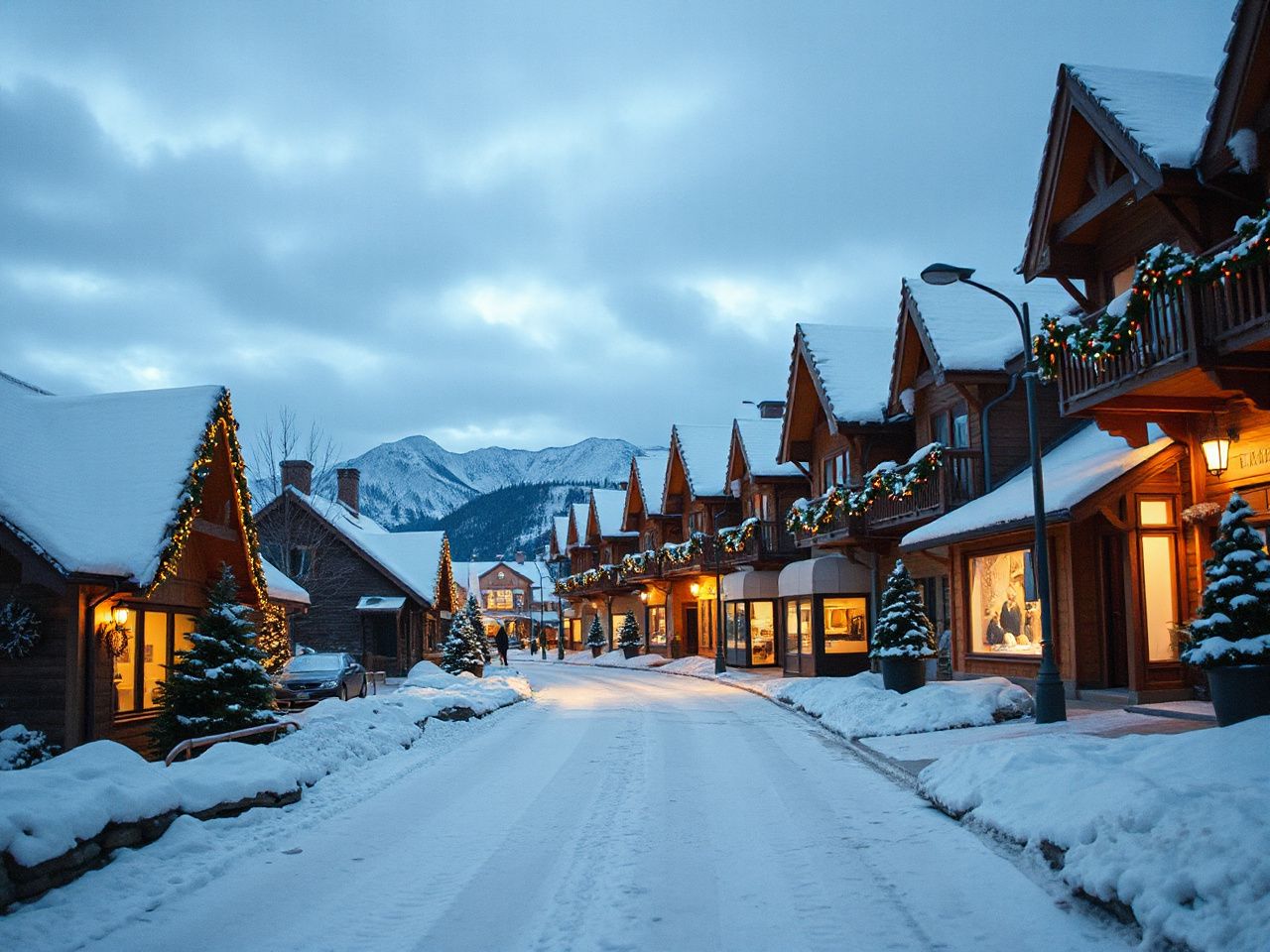
Best Trips Christmas 2026: Complete Guide
Contents
Every year, nearly 40% of holiday travelers report at least one major disruption—a breakdown, a road closure, or weather that strands them for hours. Travel works the same way everywhere: the moments that make the best stories are almost always the ones where something went wrong. Preparation doesn’t prevent adventure—it just gives you better options when it shows up. When you’re planning trips christmas 2026, that mindset separates a memorable journey from a dangerous one.
Key Takeaways
- Always build a contingency plan for weather and road closures before you leave.
- Pack emergency supplies that work for your specific vehicle and route.
- Share your itinerary with someone who can check in if you go silent.
Why Christmas Trips Demand a Worst-Case Mindset
The holidays amplify every risk. Roads you drive in July can be impassable in December. Gas stations close early on Christmas Eve. Cell service drops in rural areas when you need it most. I’ve been stuck on a mountain pass in a blizzard, watching my phone battery die as the temperature dropped. That night taught me that hope is not a plan.
When you book any of your trips christmas, start by asking: What is the absolute worst thing that could happen? Then prepare for it. This isn’t pessimism—it’s survival. The difference between an adventure and a disaster often comes down to a spare fuel can and a working flashlight.
Weather Is Your Unpredictable Partner
Winter weather can change in minutes. A forecast of light snow can become a whiteout at 7,000 feet. Check forecasts for every leg of your route, not just your destination. In 2026, use apps that show real-time road conditions and webcam feeds. If you see a storm building, delay your departure by 24 hours. It’s better to arrive late than not at all.
Road Closures Happen Without Warning
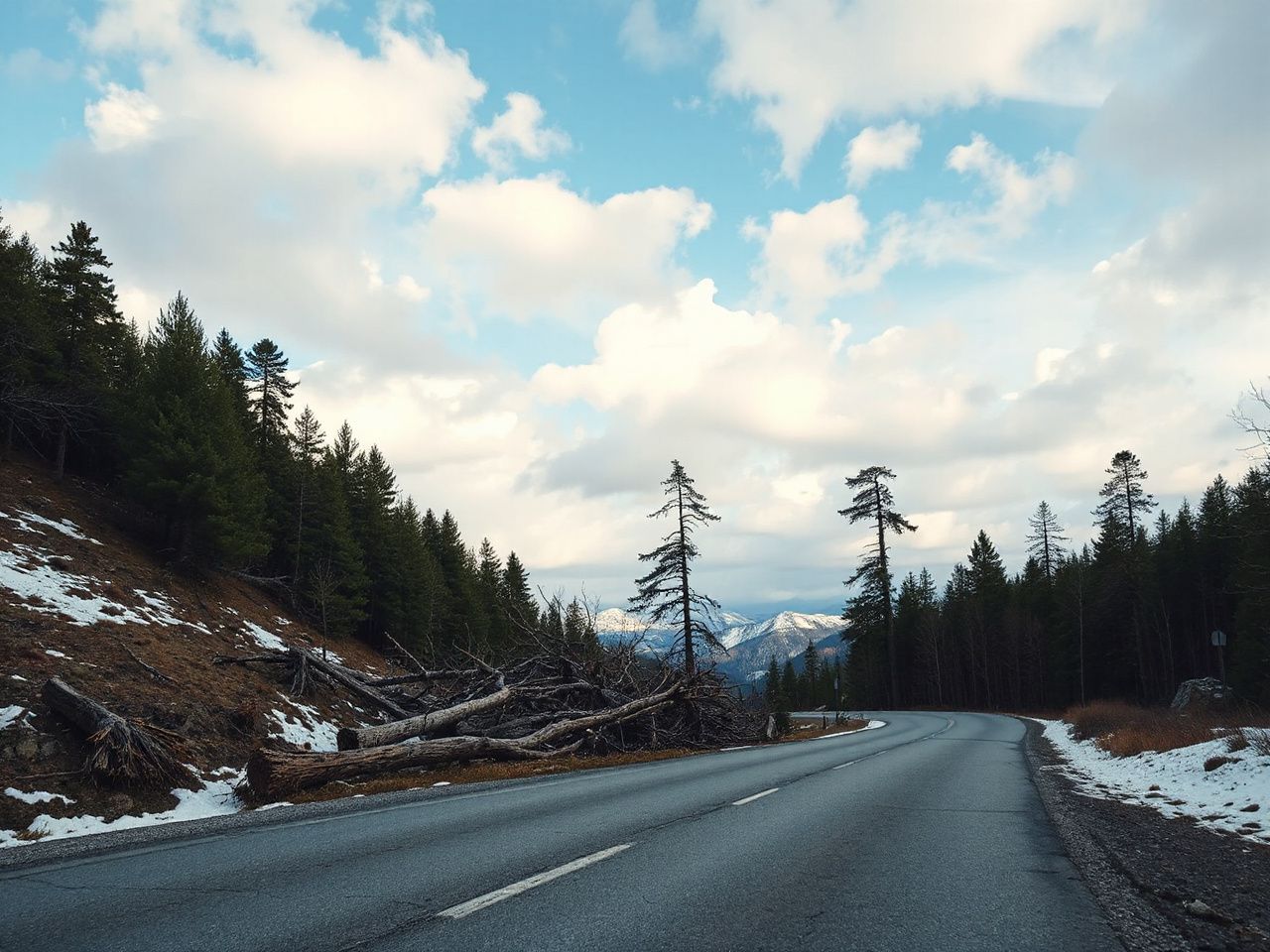
Mountain passes close for avalanche control. Interstate ramps shut down for accidents. Local roads flood after rain on frozen ground. Always have at least one alternate route mapped. Print it. Phones die. Carry a paper map in your tank bag for exactly this reason. When the GPS goes dark, paper still works.
Step 1: Build Your Vehicle for Winter Reliability
Your car or motorcycle needs to be ready for cold starts, icy roads, and long idles. Don’t assume your summer maintenance carries over. Winter stresses every system. Frozen fuel lines can strand riders at very low temperatures. That’s not a situation you want to face.
Check Your Battery and Charging System
Cold temperatures reduce battery capacity by up to 50%. If your battery is more than three years old, replace it before you leave. Test your alternator output too. A weak charging system can leave you stranded with a dead battery after a few short trips. Carry a portable jump starter that’s rated for your engine size.
Inspect Tires and Tire Pressure
Winter tires are not optional if you’re crossing mountain passes. All-season tires lose grip below 45°F. Check your tire pressure when the tires are cold—every 10°F drop reduces pressure by about 1 PSI. Underinflated tires overheat and fail. Overinflated tires lose traction. Find the sweet spot listed on your door jamb sticker.
Pack an Emergency Kit for Your Specific Vehicle
A generic kit won’t help if your car uses a special tool to access the battery. Carry a toolkit that matches your bike’s fasteners, plus a tire plug kit and a small air compressor. For cars, include jumper cables, a tow strap, and a basic socket set. Add a reflective vest and road flares for nighttime breakdowns.
Step 2: Plan Your Route Like a Backcountry Navigator
Most people plan a route by looking at the fastest path on Google Maps. That works in summer. In winter, the fastest road might be the most dangerous. I plan each leg of my trips christmas by prioritizing safety over speed. A two-lane highway through a valley is safer than a high mountain pass in a storm.
Identify Danger Zones and Alternate Routes
Mark every mountain pass, bridge, and remote stretch on your map. Research their winter history. Some passes close at the first sign of snow. Others stay open but become ice rinks. For each danger zone, find an alternate route that adds no more than 60 minutes of travel time. If your primary route closes, you have a plan.
Schedule Fuel Stops with Margins
Gas stations in rural areas often close early on Christmas Eve and stay closed on Christmas Day. Do not let your fuel tank drop below half in winter. If you’re driving a diesel, add anti-gel additive before you leave. Gelled fuel at -20°F will stop you cold. Carry a spare 5-gallon can strapped to your luggage rack. It’s heavy, but it’s insurance.
Share Your Itinerary with a Trusted Contact
Give someone your planned route, including alternates, and a check-in schedule. Tell them: If you don’t hear from me by 8 PM, call the local sheriff’s office. This sounds dramatic, but it’s saved lives. I use a simple text message at each fuel stop. If I miss a check-in, my contact knows something is wrong.
Step 3: Pack for Survival, Not Comfort
Your packing list should prioritize what keeps you alive for 24 hours if you’re stranded. Comfort comes second. Packing for worst case, not best case, helps maintain warmth in snowbank conditions. This approach reshapes how to pack for every trip.
Layered Clothing and Weather Protection
Start with a moisture-wicking base layer. Add an insulating mid-layer like fleece or wool. Finish with a waterproof and windproof outer shell. Avoid cotton—it stays wet and chills you. Pack a spare set of gloves, socks, and a hat. If you get wet, you need dry clothes immediately.
Food, Water, and Warmth
Carry at least one gallon of water per person per day, plus high-calorie snacks that won’t freeze. Granola bars, nuts, and chocolate work. Add a camp stove with fuel canisters—you can melt snow for water and make hot drinks. A warm drink raises core temperature fast. Pack a sleeping bag rated for 20°F below the coldest temperature you expect.
Communication and Navigation Tools
A satellite messenger or personal locator beacon (PLB) is non-negotiable for remote routes. Cell service disappears in canyons and mountains. I use a Garmin InReach Mini 2. It lets me send texts and SOS alerts anywhere. Also carry a portable battery pack that can recharge your phone twice. Keep it warm inside your jacket so it holds a charge.
Step 4: Manage Your Time and Expectations
Christmas trips are about arrival, not speed. Pushing through fatigue or weather leads to mistakes. Crashing a bike on an icy curve at midnight can have serious consequences. Don’t be that person.
Build in Buffer Days
If you need to arrive by Christmas Eve, plan to arrive by December 23. That extra day absorbs weather delays, breakdowns, or road closures. If you arrive early, you enjoy more time with family. If you’re delayed, you still make it. Buffer days turn stress into flexibility.
Know When to Stop
Set a hard cutoff for driving each day. If you haven’t reached your planned stop by 4 PM, find a motel or a safe place to park. Driving in the dark on icy roads multiplies risk. I stop at the first sign of fatigue—yawning, drifting in the lane, or missing exits. A 20-minute nap in a rest area can save your life.
Have a Backup Plan for Accommodation
Hotels fill up during Christmas week. If your reservation falls through, know where you can sleep in your vehicle. A parking lot at a truck stop is safer than a random roadside pull-off. Carry a window cover and a sleeping pad to sleep in the back of a truck if needed. It’s not luxurious, but it’s warm and dry.
Frequently Asked Questions
What should I do if my car breaks down in a remote area during a Christmas trip?
First, stay with your vehicle. It provides shelter and makes you easier to find. Call for help using your satellite messenger or phone if you have signal. If you have no signal, conserve your battery and wait. Run the engine for 10 minutes every hour to keep warm, but make sure the exhaust pipe is clear of snow. Signal with your hazard lights and a reflective triangle.
How do I prepare my motorcycle for a winter Christmas trip?
Start with winter-grade oil and a fresh battery. Install heated grips and hand guards to keep your hands functional. Use tires with deeper tread and consider studded tires for ice. Pack a lightweight emergency shelter and a stove. On a motorcycle, you feel every degree of cold, so layer properly. Never ride on ice without proper tires—it’s a crash waiting to happen.
What are the most dangerous roads for Christmas travel?
High mountain passes are the most dangerous, especially in the Rockies, Sierras, and Appalachians. Roads like I-70 through Colorado or US-50 in Nevada are notorious for sudden closures and whiteout conditions. Also watch for low-lying roads that flood after rain. Check state DOT websites for real-time closures before you leave.
How can I stay safe if I’m traveling alone for Christmas?
Share your detailed itinerary with someone who will check in. Use a satellite messenger to send your location regularly. Pack extra food, water, and warm gear. Avoid driving at night. If you feel unsafe, pull over at a well-lit truck stop and wait until morning. Solo travel requires more caution, not less. Trust your instincts—if something feels wrong, stop.