Do Airports Close? A Complete Guide for Travelers
Contents
You’re standing at a gate at 11:30 PM, watching the last flight of the night board. The terminal feels empty. A nagging question creeps in: do airports close? It is a common enough situation—a late arrival, a cancelled connection, a cargo handover that runs past midnight—and the answer is not the same at every airport. Preparation doesn’t prevent a night in a terminal; it just decides whether you spend it knowing where the doors are, when security reopens, and which landside areas stay open until they do. So let’s answer that question with the kind of detail you’d want if you were stuck somewhere after midnight.
Key Takeaways
- Most large international airports stay open 24/7 for operations, but passenger terminals may close overnight.
- Smaller regional airports often close completely during nighttime hours or have restricted access.
- Curfews, weather, and security incidents can force temporary closures at any airport.
What ‘Airport Closure’ Actually Means
When people ask if airports close, they usually mean one of two things: does the building lock its doors, or does the runway stop operating? The answer differs for each.
24-Hour Airports vs. Overnight Closures
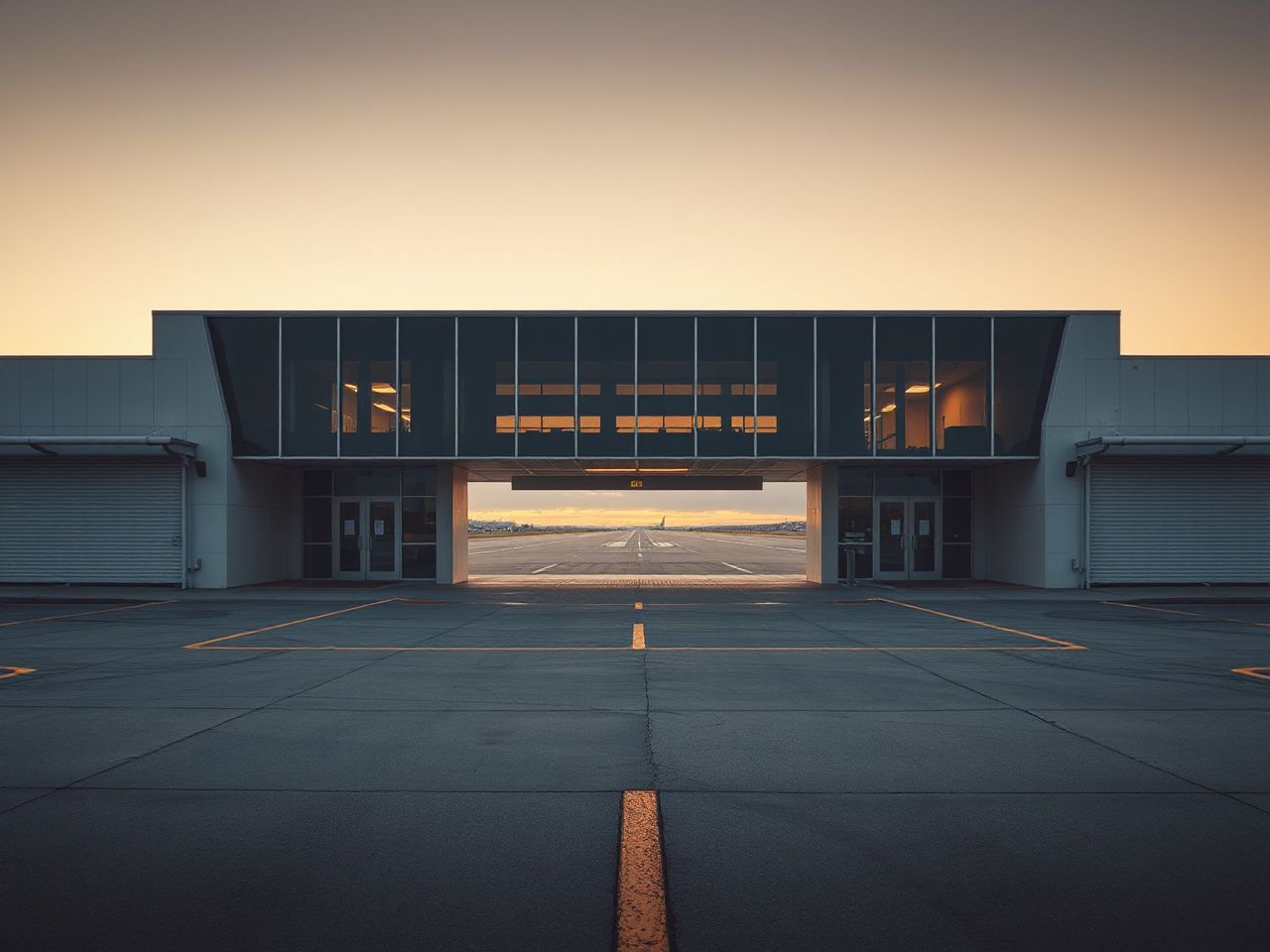
Major hubs like Chicago O’Hare, London Heathrow, and Dubai International run around the clock. The control tower, runways, and cargo facilities never shut down. But passenger terminals often close between midnight and 4 AM. Security checkpoints shut down. Shops lock up. Cleaning crews take over. You won’t be allowed to stay landside unless you have a boarding pass or are in transit.
Smaller regional airports—think a single runway and one terminal—frequently close completely. The tower goes dark. The terminal doors lock. No flights arrive or depart between 10 PM and 6 AM. This is common in Europe and parts of Asia where noise curfews apply.
Why Do Airports Close Temporarily?
Even 24-hour airports can close for specific reasons. Here are the most common causes I’ve encountered while planning logistics.
Night Curfews
Many airports have legally mandated curfews to reduce noise for nearby residents. For example, Frankfurt Airport bans scheduled flights between 11 PM and 5 AM. London City Airport closes from 1 PM Saturday to 12:30 PM Sunday. Geneva Airport has a strict curfew from 10 PM to 7 AM. If your flight lands after curfew, it diverts to another airport—or you wait until morning.
Weather Events
Snowstorms, hurricanes, and dense fog can shut down any airport. Denver International has closed for blizzards. Miami International has closed for hurricanes. When weather forces a closure, the airport typically stays closed until conditions improve—sometimes for 24 hours or more.
Security Incidents
Bomb threats, unauthorized drones, or active shooter situations trigger immediate lockdowns. The entire airport may close for hours while authorities investigate. In 2023, multiple European airports closed due to drone sightings near runways.
Maintenance and Construction
Runway resurfacing or tower upgrades can close an airport for days or weeks. These are usually planned years in advance and published in NOTAMs (Notices to Air Missions). Airlines adjust schedules accordingly.
How to Check If Your Airport Is Open
Before heading to the airport—especially late at night or during bad weather—verify its status.
Official Airport Website
Every airport posts real-time status updates. Look for a “Flight Status” or “Airport Information” section. Some also tweet closures.
FAA or Local Aviation Authority
In the US, the FAA’s Air Traffic Control System Command Center publishes ground stops and airport closures. For Europe, check Eurocontrol. For other regions, the local civil aviation authority handles updates.
Airline Notifications
Your airline knows before you do. Sign up for text or email alerts. If an airport closes, airlines rebook passengers or offer refunds.
What Happens If You’re Stranded at a Closed Airport?
I once waited out an overnight closure at a small airport in Norway while waiting for a motorcycle crate to clear customs. The terminal locked at 11 PM. No hotel nearby. Here’s what I learned.
Landside vs. Airside
If you’re landside (before security), you’ll be asked to leave when the terminal closes. If you’re airside (past security) on a connecting flight, you may be allowed to stay in a designated transit area—but not all airports permit this. Check with airport staff.
Overnight Accommodation Options
Some airports have transit hotels inside the secure zone. Others have capsule hotels or sleep pods. If none exist, look for a nearby hotel that offers a free shuttle. Many airports have a list of partner hotels.
Legal Rights and Compensation
If an airport closes due to airline or airport fault (not weather), you may be entitled to compensation under EU Regulation 261/2004 or similar laws. This covers meals, hotel stays, and rebooking. Save all receipts.
How Airports Communicate Closures
Airports use multiple channels to announce closures. Understanding them helps you react quickly.
NOTAMs
NOTAMs are official notices issued to pilots and airlines. They include closure times, reasons, and expected reopening. You can view them on the FAA website or apps like FlightAware.
Social Media
Most major airports post updates on Twitter/X. Follow your departure and arrival airports before your trip.
Airport Information Desks
Staffed during operating hours. After hours, recorded messages often provide updates.
What About Airport Curfews and Noise Restrictions?
Curfews are the most common reason airports close at night. They’re especially strict in Europe and parts of Asia.
Examples of Strict Curfews
- London Heathrow: No scheduled night flights between 11 PM and 6 AM.
- Tokyo Haneda: Curfew from 11 PM to 6 AM, with exceptions for emergencies.
- Sydney Airport: Curfew from 11 PM to 6 AM, with limited cargo flights allowed.
These curfews are non-negotiable. If your flight is delayed and misses the curfew, it will divert or be canceled.
Do Airports Close for Holidays?
Some smaller airports close on major holidays like Christmas Day or New Year’s Day. Larger airports remain open but with reduced staff and fewer flights. Check the airport’s holiday schedule before booking.
How to Plan for a Potential Closure
When I ship motorcycles, I always build buffer time into itineraries. The same logic applies to passenger travel.
Book Early Flights
Flights before 7 AM are less likely to be affected by weather or curfew issues. They also leave room for rebooking if something goes wrong.
Choose 24-Hour Airports for Connections
If you have a layover, book through a hub that operates 24/7. That way, if your first flight is delayed, you won’t be stranded in a closed terminal.
Check Visa Requirements
If you’re transiting through a country with strict visa rules, an overnight closure could strand you without entry permission. Always verify transit visa rules before booking.
Do Airports Close for Security Drills?
Yes, occasionally. Airports conduct emergency drills that may close parts of the terminal or even the entire facility for a few hours. These are usually announced weeks in advance.
Conclusion
So, do airports close? The answer depends on the airport, the time of day, and the circumstances. Major hubs rarely close completely, but terminals may lock overnight. Smaller airports often shut down during nighttime hours. Weather, security, and curfews can force closures at any airport. The best defense is preparation: check your airport’s status before you leave, know your rights if you’re stranded, and always have a backup plan. Safe travels.