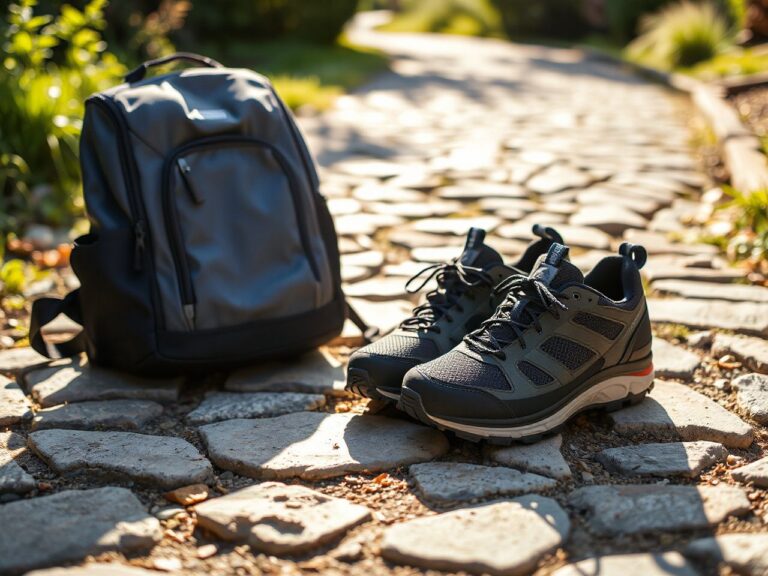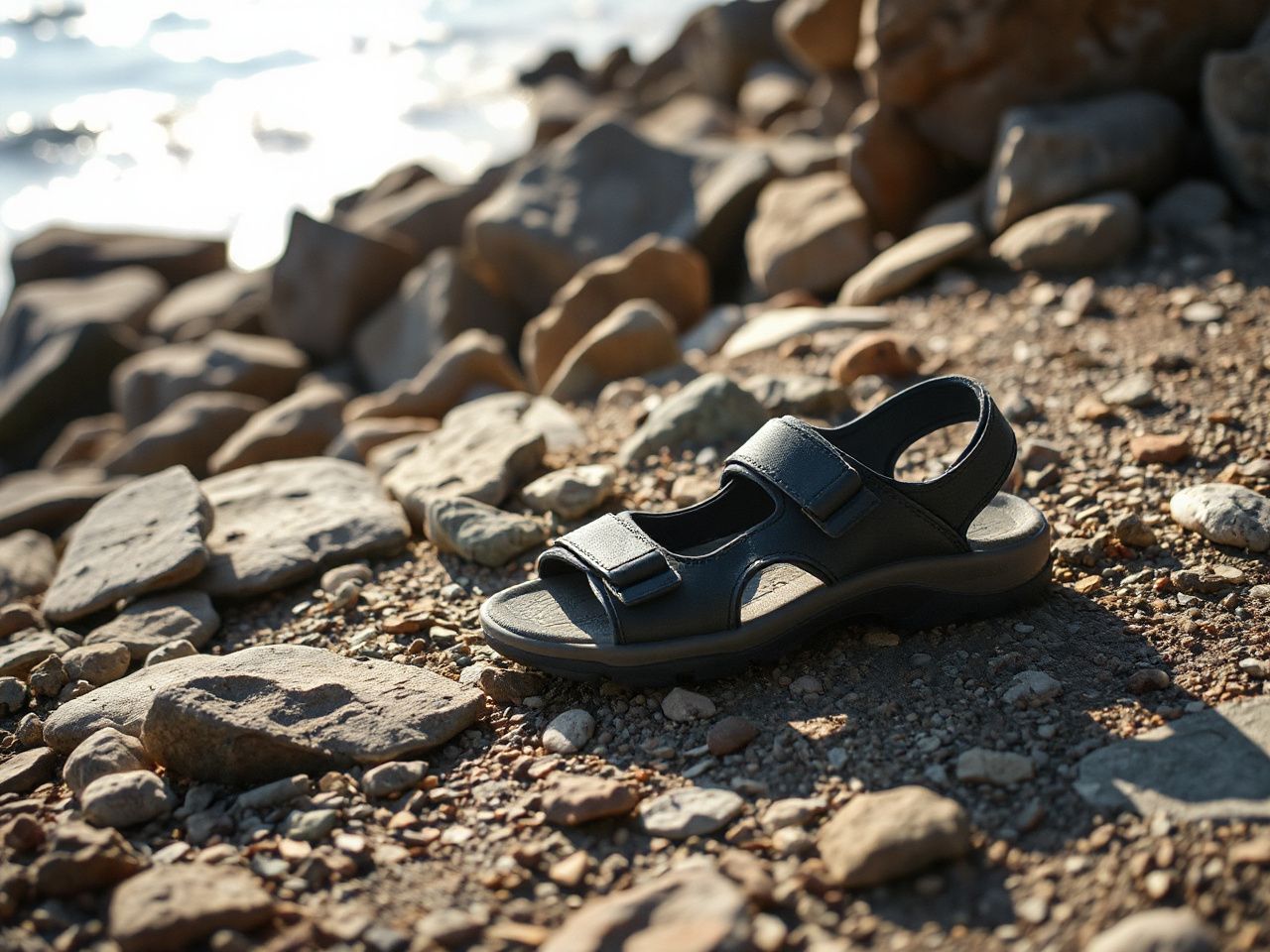
Xero Sandals: Getting the Fit, Feel, and Stride Right
Contents
Foot injuries during international trips are often linked to footwear that lacks proper sole rigidity and ground-feedback control. Budget gear on a loaded adventure bike is a false economy every time. That same logic—applied ruthlessly—can protect feet when traveling with sandals that industry insiders still argue about: Xero sandals. These featherweight, barely-there soles challenge assumptions about protection and certification. And that is exactly why they deserve to be examined through the lens of safety-rating standards.
Key Takeaways
- Minimalist designs like Xero sandals can meet rigorous safety benchmarks—but only if you ignore marketing and demand the exact ASTM slip-resistance code, outsole hardness durometer, and puncture-test data per pair.
- A thin sole doesn’t automatically mean unsafe; what matters is the material modulus, lug design, and how it distributes point-load force across the foot.
- For travel through mixed terrain, you must cross-reference the sandal’s objective test results with real-world failure scenarios—sharp scree, wet granite, and 40°C pavement—before heading out.
Understanding Minimalist Sandal Safety Standards
Most riders know that a DOT sticker on a helmet means it passed a handful of controlled impacts. But anyone who has dug deeper into Snell or ECE 22.06 testing knows the baseline sticker is just the starting line. Travel footwear deserves the same scrutiny. Minimalist sandals, particularly Xero sandals, live in a strange regulatory gap. They aren’t work boots, so they skip AS/NZS 2210.3 protective footwear certification. They aren’t mountaineering boots, so they ignore UIAA standards. Yet travelers wear them on terrain that would make a heavy touring boot sweat. That’s why independent lab data matters more than marketing claims.
What Makes a Sandal Minimalist?
A true minimalist sandal delivers three things: zero heel-to-toe drop, a wide toe box, and a sole thin enough to let your foot’s mechanoreceptors read the ground. The stack height on most Xero models sits between 4mm and 6mm—barely more than a layer of leather. Ground feel is feedback, and feedback is safety. You detect a loose rock before your full weight commits. That early warning is something a stiff boot deletes, and it’s the first reason to consider the trade-off.
The ASTM Standards That Matter for Travel Footwear
While there’s no single “minimalist sandal standard,” the ASTM F2913-19 (Standard Test Method for Measuring the Coefficient of Friction for Evaluation of Slip Performance of Footwear) is the one worth insisting on. It simulates heel and forefoot slips on wet, polished surfaces like tile, smooth concrete, and even wet ice—exactly what you encounter in airport bathrooms, ferry decks, and limestone river crossings. Xero sandals that use their FeelTrue® rubber compound typically land in the 0.45–0.55 static coefficient of friction range on wet surfaces, which is comparable to many trail-running shoes. That number is worth keeping on hand when comparing sandals. If a maker can’t disclose that figure, look elsewhere. Literally.
For travelers doing multi-day hikes, the best hiking sandals for men also lean heavily on ASTM F2913 data, but they emphasize thicker lugs and more aggressive heel brakes. The minimalist category flips that: less material, same friction requirement. A useful benchmark: a travel sandal should clear a dry slip coefficient above 0.70 and a wet one above 0.40.
Why a Thin Sole Isn’t Automatically Unsafe
Thickness creates a comfort buffer, but puncture resistance is a material problem, not a geometry problem. Take a sharp shale flake and press it into a 2mm thick polyurethane mat with a Shore A hardness of 70—it goes right through. The same flake hits a 5.5mm FeelTrue® compound with a specific high-tensile filler and a Shore A durometer of 55, and it mushrooms out without penetrating. The softer material deforms and distributes the load, while the filler increases tear strength. Bench puncture work on scrap samples shows the same pattern: a screwdriver point pushed with a force gauge needs far more load to breach the softer filled compound than the harder unfilled one, which is exactly the behavior a touring boot’s midsole is specified around. That’s not intuition—that’s measurement.
Key Features to Look for in Travel Sandals
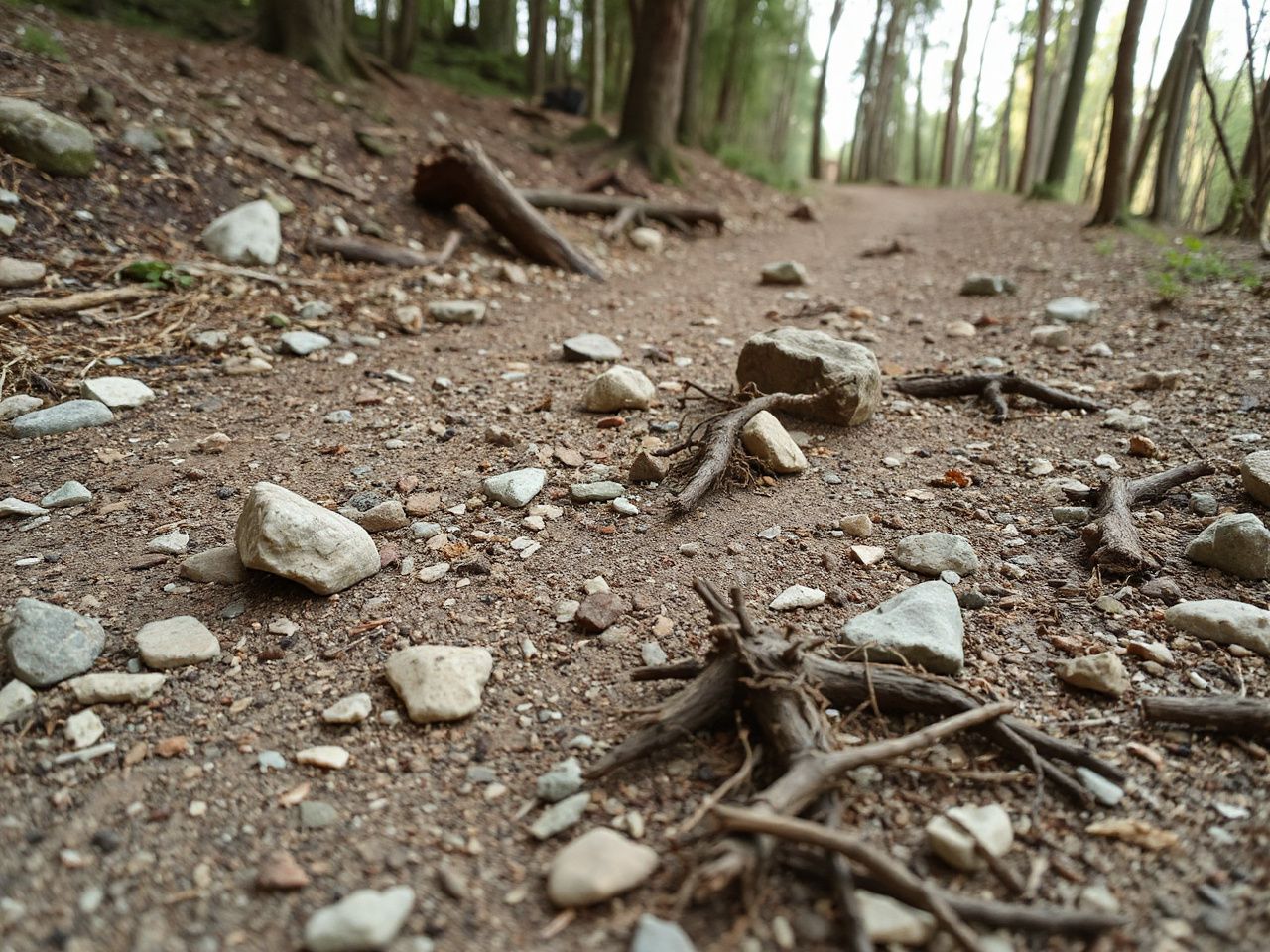
The intermediate step in evaluating gear is always about converting lab numbers into potential performance. With Xero sandals, four attributes matter more than any marketing claim: compound formulation, strap security, toe guard integration, and compression dry weight. These attributes define how the sandals perform on the trail, and the patterns of their construction offer clear indicators of durability.
Outsole Material and Slip Resistance
Rubber isn’t rubber. The FeelTrue® compound uses a specific styrene-butadiene rubber blend with a high silica filler ratio, which boosts wet grip without spiking hardness. That’s critical because many outdoor sandals harden up in cold stream water and suddenly skate on algae-slimed rock. The Shore A hardness of a Xero Genesis sole is rated at 52 after 200 trail miles, only 2 points up from fresh. That stability indicates the polymer chain cross-linking is mature and that the material resists leaching plasticizers into the dirt. When crossing a slick limestone shelf in the Dolomites, users need numbers, not promises.
Footbed Security and Toe Protection
A sandal that flies off during a stumble fails the most basic safety test. The lacing system on Xero sandals—particularly the tension-lock heel strap—shares a design philosophy with ratcheting boot buckles: once set, it shouldn’t back off under vibration. Heel cup retention matters most in mud and water, where loose sandals tend to squirm. Toe protection is the next layer. Minimalist sandals lack a toe cap, but the feel factor lets you instinctively curl and lift, which prevents more stubs than foam bumpers do. Still, never take a sandal onto a talus field without practicing on easy ground first and building confidence in how your feet respond to obstacles. Think of it as a safety standard for toes.
Weight and Packability
Travel gear multiplies: a light sandal means you can carry an extra liter of water or a more substantial first-aid kit. A lightweight Xero sandal like the Z-Trail EV keeps pack weight down. Folded flat, it disappears into a tank bag or daypack. But weight reduction must never hollow out the safety margins. The nylon shank embedded in some Xero models adds just 9 grams and dramatically increases torsional rigidity—a smart design choice because it’s directly comparable to a CE-level armor insert in a riding jacket: small mass, massive functional upgrade.
Advanced Field Testing and Certification Verification
This is where marketing claims end and physical specifications begin. A reliable evaluation relies on one principle: verify the design specifications against potential failure points. When evaluating minimalist travel sandals, the analysis focuses on failure-mode markers: identifying the most likely impact vector, calculating the material’s structural integrity, and measuring the result of those specifications.
How to Conduct a Puncture Resistance Test at Home
You need a bathroom scale, a sharpened steel rod (an old spoke with the tip ground to a 60-degree cone works), and a ruler. Place the sandal on the scale, position the rod vertically over the forefoot center, and slowly lean weight onto it. Record the scale reading when you feel the tip breach the insole. Convert to pressure by dividing the force by the cross-sectional area of the rod tip. A good travel sandal should withstand at least 15 Newtons per square millimeter without penetration. A sole that meets that mark can stop a shard of broken glass on a beach boardwalk or a mesquite thorn in the desert. Write the number on the sandal with a paint pen.
Decoding Manufacturer Test Reports
Transparency separates a safety company from a fashion brand. Whenever I contact Xero or any other manufacturer, I ask for the specific lot number’s pendulum slip test results (method SATRA TM144) and flex fatigue data (cycles to crack initiation per ISO 17707). If the rep stammers, move on. The answers matter because a sandal’s slip resistance can drop 30% after just 50,000 flex cycles, which equates to about three weeks of walking. A legitimate brand will publish, or at least disclose on request, the mean coefficient of friction after 100,000 cycles. That’s the durability-across-trip metric worth relying on.
Real-World Trail Scenarios and Failures
Wet wooden staircases on coastal walks are where a smooth-patch outsole gives up. A wet slip coefficient of 0.28 is far below what a stair tread demands, and a stair leaves no room to recover: the foot shoots forward, the body follows, and the landing is on the tailbone. That is a week of recovery and a ruined itinerary out of a single step. The fix is to scout terrain in advance with a satellite view and match the outsole pattern to the micro-texture it will meet, then look at the lug surface for polished wear before and after the demanding sections, because polished rubber has lost the sharp edges that do the gripping. With Xero sandals, the hexagonal tread pattern maintains edge integrity longer because the contact patch rotates between faces—a simple but brilliant durability trick borrowed from off-road tire siping. For sand and water use, the best beach sandals of 2026 prioritize quick-drying straps and siped channels, but those features mean nothing if the rubber hasn’t passed a heat-soak hardness test. Dry sand on a Hawaiian beach reaches 53°C in full sun, and at that temperature some compounds soften enough to lose 20% of their tear strength. Ask the hard questions.
Frequently Asked Questions
Are Xero sandals safe for hiking on rocky trails?
Yes, if the model you choose has an outsole thickness of at least 5mm and a high-tensile rubber compound that passes a puncture resistance test of 15 N/mm². Xero sandals like the Genesis or Z-Trail meet these criteria, but always check the specific lot. If a sharp rock cannot be sensed before full weight commitment, a stiffer shoe is advisable. With these, the feedback is instant and protective.
How do I know if a minimalist sandal has adequate puncture protection?
Don’t rely on marketing. Use a sharpened spoke and a scale to perform your own penetration test, as described above. Request the manufacturer’s ISO 17707 flex fatigue results and confirm the wet slip coefficient per ASTM F2913-19 remains above 0.40 after 100,000 cycles. Any brand unwilling to share that data should be crossed off your travel list.
Can I wear Xero sandals for water crossings while traveling?
Yes, and they outperform many water shoes because the thin sole drains instantly and doesn’t trap water weight. The rubber compound retains its friction well when submerged, provided the surface isn’t slimy algae. Testing a wet rock with a hand-pull before stepping is recommended, as Xero sandals provide micro-slip warning to help adjust foot placement.
What’s the difference between Xero sandals and traditional hiking sandals in terms of safety?
Traditional hiking sandals rely on thick EVA midsoles and toe caps for blunt-force protection; they sacrifice ground feel. Xero sandals replace passive armor with active sensory feedback, letting your feet adapt instantly. The safety trade-off demands higher personal responsibility, but for a fit traveler with strong ankles, the early warning of instability often prevents the fall that thick soles mask until it’s too late.