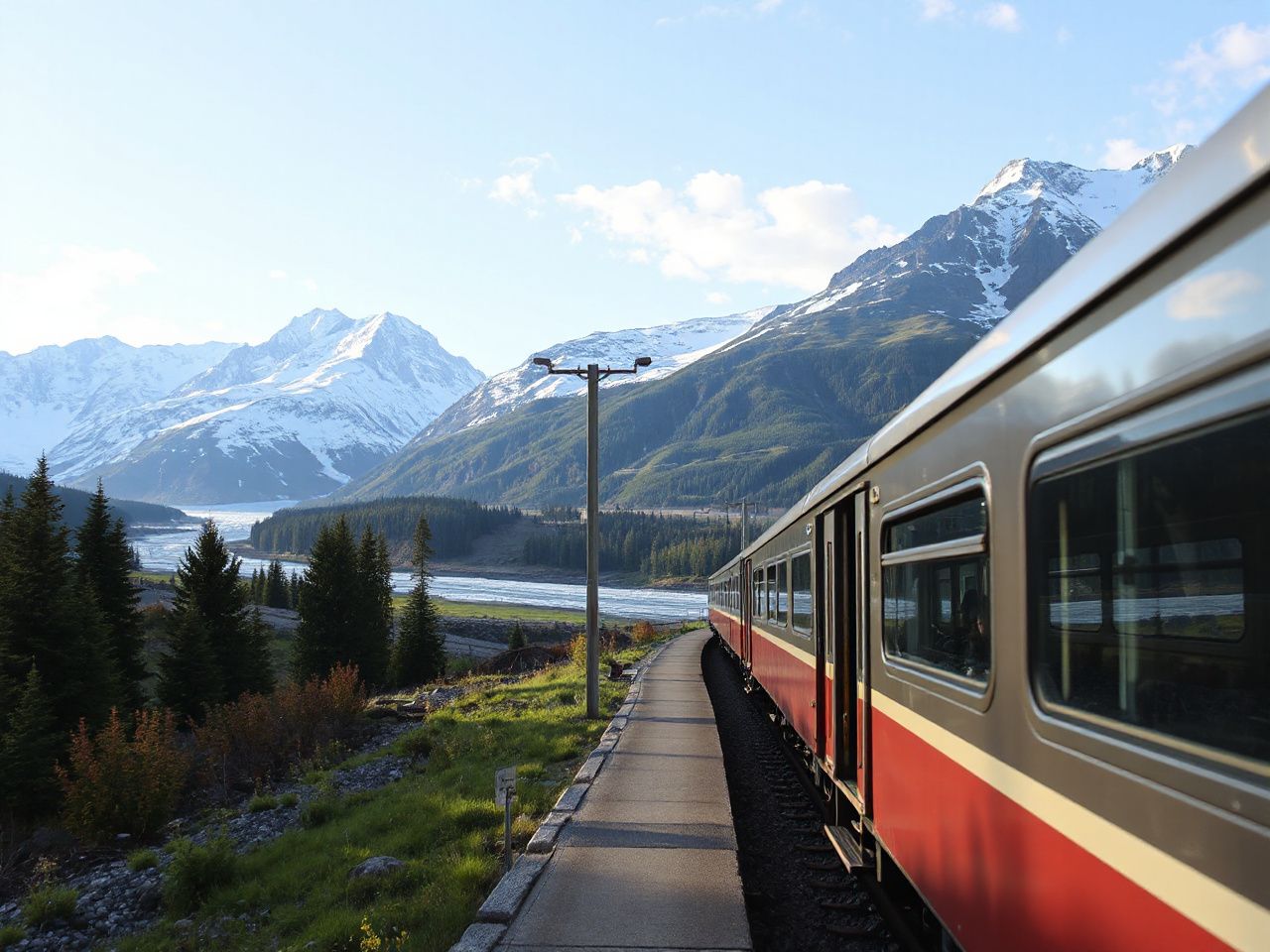
Can You Take Amtrak to Alaska? Your 2026 Guide
Contents
Travelers heading to Alaska rarely consider rail as part of their journey. Most fly or drive, assuming the train simply doesn’t go that far. And they’re partly right — Amtrak’s network stops at the Canadian border. But that doesn’t mean you can’t use Amtrak to reach Alaska. The trips that make the best stories are almost always the ones where something went wrong, rather than the ones that ran exactly to plan. Preparation doesn’t prevent adventure — it just gives you better options when it shows up. Understanding the rail-and-ferry route to Alaska is exactly that kind of preparation.
Key Takeaways
- Amtrak does not operate in Alaska or offer direct service to the state — you’ll need to combine Amtrak with the Alaska Railroad and a ferry system.
- The most common route takes Amtrak’s Empire Builder from Chicago to Seattle, then the Alaska Marine Highway ferry to Whittier or Seward.
- Total travel time typically runs 4 to 7 days depending on layovers and ferry schedules, with costs ranging from $300 to $1,000+ for a one-way ticket.
Why Amtrak Doesn’t Go Directly to Alaska
The simple answer: Amtrak is a U.S. passenger rail service, and Canada sits between the lower 48 and Alaska. There’s no continuous rail line connecting the U.S. to Alaska through Canada — the tracks simply don’t connect. The Alaska Railroad is a separate, state-owned system that runs from Seward to Fairbanks, but it doesn’t link to any Canadian rail network.
The Missing Link: Canadian Rail Gaps
Canada’s passenger rail service, Via Rail, operates routes in British Columbia and Alberta, but none reach the Yukon or northern British Columbia where a connection to Alaska would be possible. The White Pass and Yukon Route railroad runs from Skagway, Alaska, into Canada, but it’s a narrow-gauge tourist railway — not a practical transportation option for reaching interior Alaska.
What Amtrak Can Do for You
Amtrak can get you to the Pacific Northwest. The Empire Builder line runs daily from Chicago to Seattle, and the Coast Starlight connects Seattle to Los Angeles. From Seattle, you can transfer to a ferry or bus that continues north. That’s where your Amtrak-to-Alaska journey really begins.
Step 1: Amtrak to Seattle — Your Launch Point
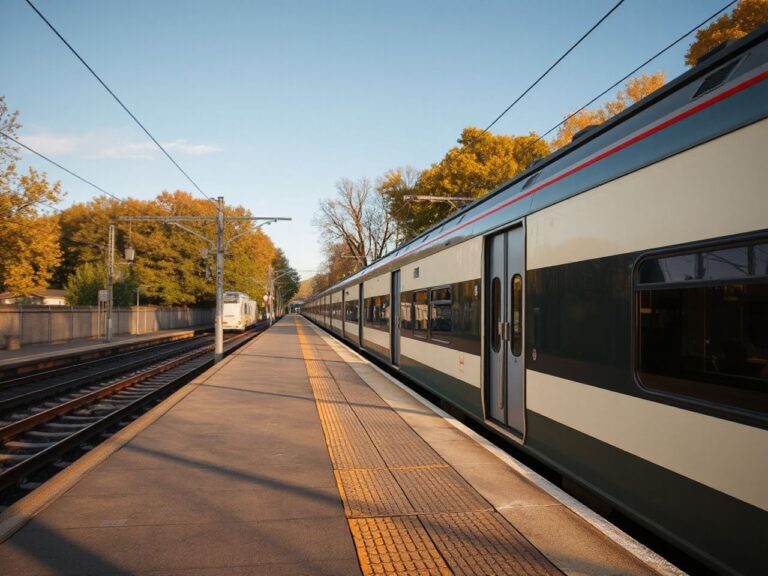
For most travelers, the journey begins on Amtrak’s Empire Builder. This train departs Chicago’s Union Station daily at 2:15 PM and arrives in Seattle’s King Street Station approximately 46 hours later. The route crosses Wisconsin, Minnesota, North Dakota, Montana, Idaho, and Washington, with spectacular views of the Rocky Mountains and Glacier National Park.
Booking Your Amtrak Ticket
- Coach seats start around $150 each way from Chicago to Seattle.
- Roomettes (private compartment with two seats that convert to a bed) run $400–$700.
- Bedrooms (larger compartment with private bathroom) cost $800–$1,200.
- All sleeper fares include meals in the dining car.
Alternative Amtrak Routes to the Northwest
If you’re not starting in Chicago, consider connecting via the Coast Starlight from Los Angeles, Portland, or Sacramento. The Coast Starlight arrives in Seattle in the evening, so you may need an overnight stay before catching the ferry.
Step 2: From Seattle to Alaska by Ferry
Once you reach Seattle, you have two main options for continuing north: the Alaska Marine Highway System or a combination of bus and ferry. The Alaska Marine Highway is a state-run ferry service that connects Bellingham, Washington, to ports in southeast Alaska and beyond.
The Alaska Marine Highway Ferry
The ferry M/V Columbia or M/V Kennicott departs from Bellingham, Washington (about 90 miles north of Seattle) and sails to Ketchikan, Juneau, Skagway, and other ports. The trip to Whittier (the port for Anchorage) takes about 3.5 days at sea. A one-way ticket from Bellingham to Whittier costs roughly $350–$500 for a passenger in a reclining seat, plus extra for a cabin.
Getting from Seattle to Bellingham
Amtrak’s Amtrak Cascades service runs multiple times daily from Seattle to Bellingham. The trip takes about 2 hours and costs around $30. You can also take a bus or rent a car. If you’re carrying a motorcycle, you’ll need to ride or truck it to the ferry terminal — Amtrak does not carry motorcycles on the Cascades route.
Step 3: The Alaska Railroad — Your Final Leg
After the ferry drops you in Whittier (or Seward), you can board the Alaska Railroad to continue deeper into the state. The Alaska Railroad runs from Seward through Anchorage to Fairbanks, with stops in Denali National Park and Talkeetna.
Whittier to Anchorage
The Alaska Railroad’s Glacier Discovery train runs from Whittier to Anchorage daily in summer. The ride takes about 2 hours and costs $75–$100. You’ll pass through the Anton Anderson Memorial Tunnel — a one-lane tunnel shared with cars and trains that’s over 2.5 miles long.
Anchorage to Fairbanks
From Anchorage, you can take the Denali Star train to Fairbanks, a 12-hour journey through Denali National Park. Summer fares start around $200 for coach. The train has a glass-dome viewing car and a dining car serving local salmon and reindeer sausage.
Alternative Routes: Bus and Rail Combinations
If the ferry schedule doesn’t work for you, consider a bus-and-rail route through Canada. Several bus companies run from Seattle to Vancouver, BC, then north to Prince George, where you can connect to Via Rail’s Jasper–Prince Rupert train. From Prince Rupert, the Alaska Marine Highway ferry continues to Ketchikan and other southeast Alaska ports.
The Bus Option: Seattle to Vancouver
Amtrak’s Amtrak Cascades also runs from Seattle to Vancouver, BC, in about 4 hours. From Vancouver, Greyhound and other bus services head north. This route avoids the Bellingham ferry terminal but adds a border crossing.
Via Rail to Prince Rupert
Via Rail’s Jasper–Prince Rupert train runs three times per week and takes about 2 days to cross the Canadian Rockies. Fares start around $150 CAD. From Prince Rupert, the Alaska Marine Highway ferry sails to Ketchikan, Juneau, and Skagway.
Cost Breakdown for an Amtrak-to-Alaska Trip
Here’s a realistic budget for a one-way trip from Chicago to Anchorage using Amtrak and the ferry:
- Amtrak Empire Builder (Chicago to Seattle): $150–$700
- Amtrak Cascades (Seattle to Bellingham): $30
- Alaska Marine Highway (Bellingham to Whittier): $350–$500 (plus cabin $100–$300)
- Alaska Railroad (Whittier to Anchorage): $75–$100
- Meals and Incidentals: $100–$200 per day
- Total estimated cost: $800–$1,800 (depending on accommodations and season)
Packing for the Journey
The weather in Alaska varies dramatically. Summer temperatures range from 50°F to 75°F in Anchorage, but can drop to 40°F at sea. Pack layers: a waterproof jacket, fleece, long pants, and sturdy shoes. The ferry has limited laundry facilities, so plan for at least 4 days of clothing.
Frequently Asked Questions
Can I take my car or motorcycle on Amtrak to Alaska?
No — Amtrak does not offer vehicle transport. You can ship your motorcycle or car separately via truck or the Alaska Marine Highway ferry, which carries vehicles. The ferry charges extra for vehicles, typically $200–$500 depending on size. If you’re shipping a motorcycle, crate it yourself to save money.
Is there a direct train from the lower 48 to Alaska?
No. There is no continuous rail line connecting the contiguous U.S. to Alaska. The Alaska Railroad is a separate system with no connection to Canadian or U.S. rail networks. You must use a ferry or bus to bridge the gap.
How long does it take to travel from Seattle to Alaska by train and ferry?
The fastest combination takes about 4 days: 2 hours from Seattle to Bellingham by train, then 3.5 days on the ferry to Whittier. Add time for layovers and the Alaska Railroad leg. Plan for a total of 5 to 7 days from Seattle to Anchorage.
What is the best time of year to take Amtrak to Alaska?
Summer (June through August) offers the mildest weather and the most ferry departures. The Alaska Railroad runs daily summer service from mid-May to mid-September. Winter ferry schedules are reduced, and some routes stop running altogether. Amtrak’s Empire Builder runs year-round.
Do I need a passport to travel from Seattle to Alaska by train and ferry?
Yes — you will pass through Canada, either by bus or ferry. The Alaska Marine Highway ferry stops in Canadian ports (Prince Rupert), so a valid passport is required for all travelers. If you take the bus through Canada, you’ll also need a passport for the border crossing.