Is Business Class on Amtrak Worth It? Straight Answers
Contents
Only about 12% of Amtrak passengers choose business class over standard coach on any given route. The difference between a good trip and a miserable one often comes down to a single decision made before you ever step on the train. The gear you skip buying to save money is almost always the gear you regret not having when you need it most. Invest once, invest right. That same logic applies to your seat choice on Amtrak. So, is business class on Amtrak worth it? The short answer depends entirely on the route, the duration, and your tolerance for uncertainty.
Key Takeaways
- Business class on Amtrak provides 2×1 seating with wider seats and guaranteed legroom, but the value varies dramatically by route length.
- For trips under 3 hours, the extra cost rarely justifies the upgrade unless you need guaranteed power outlets and a quiet car.
- For routes over 5 hours like the Northeast Regional or the Empire Builder, business class can mean the difference between arriving rested or exhausted.
- Always check if your route includes lounge access—some stations offer complimentary use of the Amtrak Metropolitan Lounge with a business class ticket.
What Business Class Actually Gets You on Amtrak
Before you can decide if business class is worth it, you need to know exactly what the upgrade includes. The experience is not uniform across all trains. The Northeast Corridor (NEC) business class is different from the long-distance Western routes. Here are the hard numbers.
Seat Configuration and Pitch
In standard coach on most Amtrak trains, you get 2×2 seating with a seat pitch of roughly 38 to 42 inches. That sounds generous compared to airline economy, but the seats are narrower—about 21 inches wide. Business class switches to 2×1 seating on the NEC trains, meaning you get a single seat on one side of the aisle and a pair on the other. The solo seats are a premium for solo travelers. Seat width increases to about 23 inches. The pitch stays similar, but the lack of a middle seat makes a significant difference in personal space.
On long-distance trains like the California Zephyr or the Southwest Chief, business class cars are often refurbished Amfleet or Viewliner cars with reclining seats, footrests, and individual reading lights. You also get a dedicated car attendant who will bring you complimentary non-alcoholic beverages and a snack. On the Acela Express, business class is actually the standard class—first class is the premium tier. So the value equation shifts again.
Lounge Access
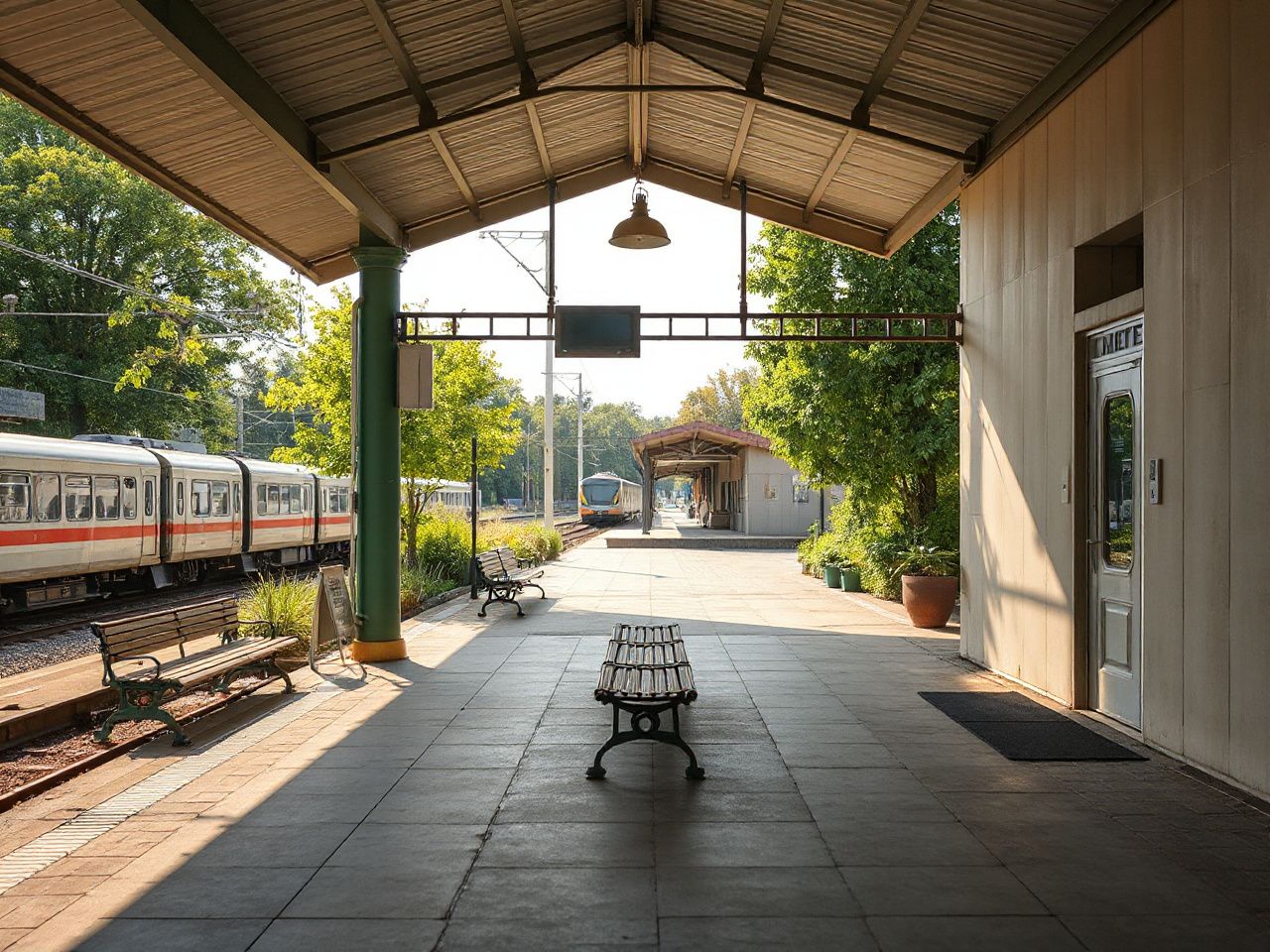
This is the hidden value that many riders overlook. If you are departing from a station with an Amtrak Metropolitan Lounge—think Chicago Union Station, New York Penn Station, Boston South Station, or Washington Union Station—a business class ticket on a long-distance route gets you in. The lounge offers comfortable seating, free Wi-Fi, restrooms, and sometimes snacks. For a trip planner, that lounge time is mission-critical. Use it to check weather forecasts, confirm connection times, and charge your devices before boarding.
When Business Class Is Worth the Upgrade
For long-distance rail itineraries, there is a clear threshold. Business class is worth it when your trip exceeds 4 hours and you fall into one of these categories.
You Are a Solo Traveler
The 2×1 seating configuration on NEC trains is a godsend for solo riders. You get the window or aisle without having to negotiate with a stranger. No one climbs over you to use the restroom. You can spread your gear across the empty seat next to you on the paired side if you snag one of those. For a solo trip from New York to Boston (roughly 3.5 hours on the Acela, 4.5 on the Northeast Regional), the business class upgrade costs about $30 to $60 more than coach. That is money well spent for guaranteed personal space.
You Need to Work During the Ride
Business class cars on the NEC have guaranteed power outlets at every seat—both 120V AC and USB ports. In standard coach, outlets are shared between seats and can be broken or in high demand. Business class eliminates the risk of having a non-functional outlet during the ride.
You Are Traveling During Peak Hours
On the NEC, trains between 6:00 AM and 9:00 AM and 4:00 PM and 7:00 PM can sell out in coach. Business class has a separate fare bucket that often has availability when coach is waitlisted. If you absolutely must be on a specific departure, the upgrade is your insurance policy. Passengers are occasionally bumped to a later train because coach was overbooked. Business class passengers rarely face that problem.
When Business Class Is a Waste of Money
Not every route justifies the premium. Here is where it is advisable to save money.
Short Hops Under 3 Hours
The difference between coach and business class on a 2-hour ride from New York to Philadelphia is negligible. You get a slightly wider seat and a free drink. The cost difference can be $20 to $40. For that price, you could buy lunch at the station or a good book. It is generally advised to skip the upgrade on routes under 3 hours unless there is a specific need for the power outlet or traveling with a lot of luggage.
Routes Without Lounge Access
If your departure station does not have a Metropolitan Lounge, you lose one of the key perks. Many smaller stations like Albany-Rensselaer, New Haven, or Providence do not offer lounge access for business class passengers. On those routes, the upgrade is purely about the seat. Evaluate whether the seat alone is worth the upcharge. In most cases, it is not.
Long-Distance Routes Where You Are in a Roomette
If you are already booked in a roomette or bedroom on a long-distance train like the Empire Builder or Coast Starlight, you do not need business class. Those sleeper accommodations include all meals in the dining car, access to the lounge car, and a private space. Adding business class on top of a sleeper is redundant and a waste of money. Passengers sometimes accidentally book both. Check your reservation carefully.
Comparing Business Class Across Amtrak Routes
The value proposition shifts depending on which train you ride. Here is a route-by-route breakdown.
Northeast Corridor (Acela vs. Regional)
The Acela Express is Amtrak’s premium service. Business class on Acela is actually the base fare—first class is the upgrade. So if you are on Acela, you are already in business class. The seats are 2×2, but the ride is smoother and faster. The Northeast Regional business class is a different beast. You get 2×1 seating, a free drink, and a snack. The cost premium over coach is typically $25 to $70 depending on demand. For the Regional, business class suits any trip over 4 hours. Under that, saving money by staying in coach is advised.
Long-Distance Western Routes
On trains like the California Zephyr, Southwest Chief, Empire Builder, and Coast Starlight, business class is available on some segments. These routes can be 12 to 48 hours long. Business class on these trains offers wider seats, more legroom, and a dedicated car attendant. However, the cost can be $100 to $200 more than coach for a single segment. If you are traveling the full route, a roomette is a better investment. But if you are only doing a daytime segment of 6 to 8 hours, business class can be a good middle ground. The Denver to Salt Lake City segment of the Zephyr is a good example of such a daytime ride. The extra space is what keeps an 8-hour ride comfortable, and the dedicated attendant handles service like keeping a coffee cup full.
State-Supported Routes
Routes like the Pacific Surfliner (California), Cascades (Pacific Northwest), and Downeaster (Maine) offer business class at a lower price point. On the Surfliner, business class costs about $15 to $30 more than coach. You get a 2×1 seat, a complimentary drink, and access to the Surfliner Café car. For a 5-hour ride from San Diego to Santa Barbara, that is a solid value. The seats are comfortable, and the ocean views are better from the single window seat.
How to Book Business Class on Amtrak
Booking the right fare requires a bit of strategy. Here is the process.
Check the Fare Difference
On Amtrak’s website, search for your route and select the departure time. The fare options will show coach, business class, and sometimes first class. The difference is displayed clearly. Compare the Value and Flexible fares within each class. Value fares are non-refundable but cheaper. Flexible fares allow changes. For business class, the Value fare is usually 10% to 20% less than Flexible. If your plans are firm, choose Value.
Use the Amtrak App
The app offers seat selection for business class on some routes. You can see the car layout and choose a single seat on the 2×1 side. On the Northeast Regional, single seats at the front of the car face the bulkhead and can offer extra legroom. The app also shows real-time availability. If business class is selling out, you will see only a few seats left.
Consider a Rail Pass
If you are planning multiple segments, the USA Rail Pass allows you to book business class for an additional fee per segment. The pass itself costs $499 (as of 2026) for 10 segments within 30 days. Adding business class costs about $20 to $50 per segment. For a cross-country trip with 5 to 6 long segments, that can be a cost-effective way to get the upgrade without paying full fare.
What the Upgrade Costs on Popular Routes
Here are real-world price differences observed in 2026 for a one-way ticket purchased 2 weeks in advance.
- New York to Boston (Northeast Regional): Coach $65–$90, Business $95–$140. Difference: $30–$50.
- Washington DC to New York (Acela): Business (base) $120–$180, First Class $220–$300. No coach option on Acela.
- Chicago to Denver (California Zephyr): Coach $120–$160, Business $180–$240. Difference: $60–$80.
- Los Angeles to San Diego (Pacific Surfliner): Coach $40–$60, Business $55–$85. Difference: $15–$25.
- Seattle to Portland (Cascades): Coach $35–$50, Business $50–$70. Difference: $15–$20.
Notice the pattern: the longer the route, the higher the absolute cost difference. But the relative value also increases with time spent on the train.
Alternatives to Business Class
If the cost of business class feels too high, there are other ways to improve your ride without paying the premium.
Book a Quiet Car Seat in Coach
On the NEC, coach cars include a Quiet Car where cell phone use is prohibited and conversations must be kept to a minimum. You can request a seat in the Quiet Car at no extra cost when you book. This gives you a more peaceful environment without the business class price tag. The Quiet Car is not as spacious as business class, but it is significantly better than a standard coach car.
Upgrade to a Roomette for Overnight Trips
For overnight journeys, a roomette is a better investment than business class. A roomette includes a bed, meals, and access to the shower. On the Empire Builder, a roomette from Chicago to Seattle costs about $400 to $700 more than coach. But that includes two nights of accommodation and all meals. Business class on the same route would only give you a better seat for the daytime portion. If you are traveling overnight, skip business class and go for the roomette.
Use Points
Amtrak’s Guest Rewards program allows you to redeem points for business class upgrades. A one-class upgrade from coach to business on the NEC costs about 1,000 to 2,000 points. Points are earned through travel and the Amtrak credit card. If you have points sitting in your account, using them for an upgrade is a no-brainer. You get the comfort without the cash outlay.
Final Verdict from a Trip Planner
For trips over 4 hours where personal space is valued, business class is worth considering. For trips under 3 hours, saving the money for a good meal at the destination is recommended. For trips of 3 to 4 hours, the decision depends on specific needs—such as the need to work, amount of luggage, or traveling alone. Answering these questions helps clarify the best choice.
One final note: always check the specific train you are booking. Some trains have older business class cars with less comfortable seats. The Amfleet I cars used on some long-distance routes are not as nice as the Amfleet II or Viewliner cars. If you are unsure, look up the train number on a forum like Amtrak Unlimited or check the seat map on the app. An informed decision is always better than a guess.
For more details on specific train options and routes, check out our guide on Amtrak Option Crossword: A Complete Guide.
Frequently Asked Questions
Does business class on Amtrak include food?
No, business class does not include a full meal. You get a complimentary non-alcoholic beverage and a small snack, such as a bag of chips or a granola bar. On long-distance routes, the café car is available for purchase of sandwiches, salads, and hot items. If you want a full meal, you need to book a sleeper car or bring your own food.
Can I upgrade to business class after boarding?
Yes, you can upgrade at the station or on the train if seats are available. The cost is the same as purchasing before departure. However, availability is limited. On popular routes like the Northeast Regional, business class often sells out before departure. Booking in advance is recommended if the upgrade is desired.
Is business class on Amtrak worth it for couples?
It depends. On the NEC, the 2×1 seating means one of you will be in a single seat and the other in a pair. If you want to sit together, you will both be in the paired seats, which are similar to coach in terms of width. For couples, the upgrade is less valuable because you lose the solo seat advantage. On long-distance routes, the wider seats are more comfortable for two people sitting side by side.