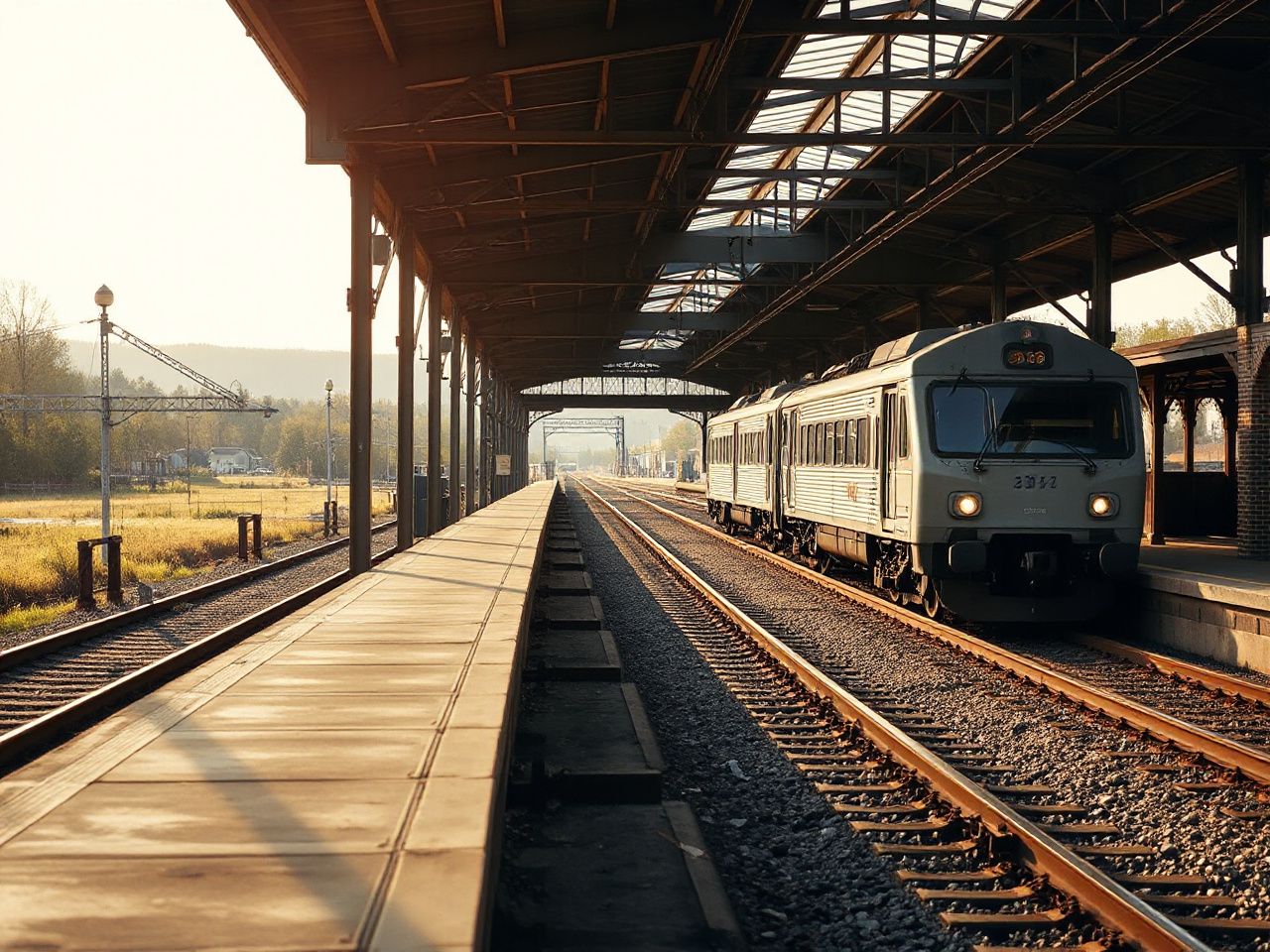
Lancaster to New York Train: Complete Travel Guide
Contents
Most people think a train ride from Lancaster to New York is just about hopping on and letting someone else do the driving. Planning long-distance trips — both on two wheels and on rails — shows that’s a mistake. Every journey, no matter how short, deserves the same level of preparation you’d give a cross-country expedition. The gear you skip buying to save money is almost always the gear you regret not having when you need it most. Invest once, invest right. That same philosophy applies to booking a Lancaster to New York train: the upfront planning saves you from scrambling at the platform.
Key Takeaways
- The direct Amtrak Keystone Service train from Lancaster to New York Penn Station takes approximately 2 hours 45 minutes, with 10–15 daily departures.
- Booking at least 14 days in advance can cut ticket prices by 40–60% compared to last-minute purchase.
- Lancaster station has no checked baggage service — pack light and use overhead racks for carry-ons.
- Alternative routes via Philadelphia or Harrisburg offer backup options if the direct train is sold out or delayed.
Why the Lancaster to New York Train Deserves a Mission Brief
I approach every route like a military operation. Fuel intervals, weather contingencies, alternative routes, and emergency bail-out points are all mapped before the first mile is ridden — or in this case, before the first ticket is purchased. The Lancaster to New York train corridor is no exception. It’s a high-traffic line that runs through some of the most densely populated areas on the East Coast. Knowing the lay of the land — both the tracks and the stations — turns a potentially stressful commute into a relaxed ride.
The Amtrak Keystone Service handles this route. Trains depart from Lancaster Station (53 McGovern Avenue) and arrive at New York Penn Station (8th Avenue between 31st and 33rd Streets). The average travel time is 2 hours 45 minutes, though some express runs shave off 10–15 minutes. You’ll pass through towns like Downingtown, Exton, Paoli, and Philadelphia — all of which are potential backup points if something goes sideways.
Step 1: Pre-Trip Planning — The Intel Phase
Check the Schedule and Book Early
Amtrak runs between 10 and 15 daily trains from Lancaster to New York. The first departure is typically around 5:30 AM, and the last leaves Lancaster just after 10:00 PM. Midday trains between 10:00 AM and 2:00 PM tend to be less crowded, so if you have flexibility, aim for that window.
Booking early is the single biggest money-saver. A ticket bought two weeks ahead might cost $35–$55, while the same seat purchased the day before can run $85–$120. I always tell riders: plan your trip like you’re plotting fuel stops on a motorcycle tour. The early bird doesn’t just get the worm — they get the discounted fare.
Understand the Station Layout
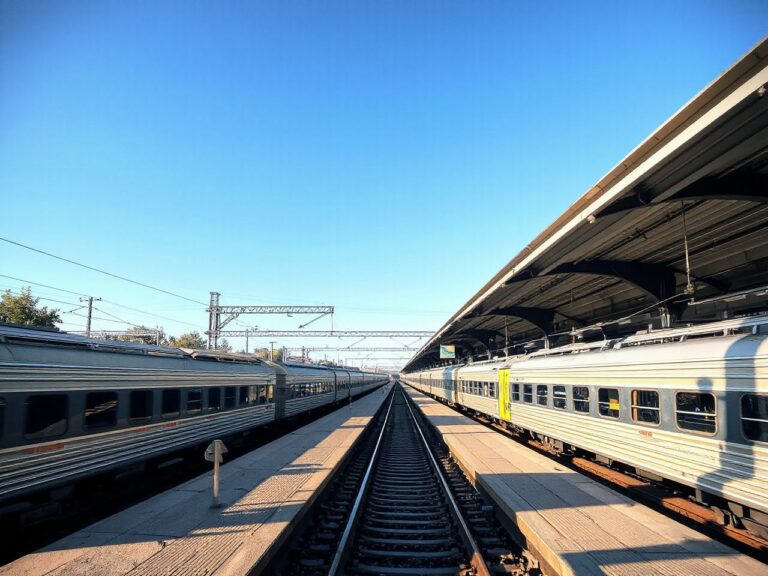
Lancaster Station is small — two platforms, a waiting room, and a ticket counter. There’s no checked baggage service, so everything you bring must fit in the overhead racks or under your seat. The maximum carry-on size is 28 x 22 x 14 inches, and you’re allowed two bags plus a personal item. If you’re traveling with more gear than that, consider shipping it ahead or using a luggage service.
New York Penn Station is a different beast. It’s massive, with multiple concourses, tracks on two levels, and connections to the subway, NJ Transit, and Long Island Rail Road. Exiting onto 8th Avenue puts you right in Midtown Manhattan. If you’re heading to other boroughs, the subway entrances are inside the station — follow signs for the A, C, or E trains.
Step 2: Onboard Logistics — What to Expect
Seating and Comfort
Amtrak Keystone cars are single-level with 2×2 seating. Each seat has a tray table, a power outlet, and overhead reading lights. Wi-Fi is available but can be spotty through rural sections — expect stronger signal near Philadelphia and New York. If you need reliable internet for work, download materials before boarding.
The café car is located in the middle of the train. It serves snacks, sandwiches, coffee, and alcoholic beverages. It is advisable to bring your own water and a snack, because the café car can run out of popular items on busy days.
Handling Delays and Contingencies
Delays happen. The Keystone line shares tracks with freight trains and other Amtrak services, so a 15–30 minute delay is not unusual. If you have a tight connection in New York — say, a Broadway show or a flight from JFK — build in a 2-hour buffer. My rule of thumb: never schedule anything within 90 minutes of your scheduled arrival time.
If your train is canceled, you have options. The next train usually leaves within 60–90 minutes, and Amtrak will honor your ticket on that train. You can also detour through Philadelphia’s 30th Street Station, which has frequent departures to New York. From Lancaster, you can take a Keystone train to Philadelphia (about 1 hour 15 minutes) and then transfer to a Northeast Regional or Acela train to New York. That route adds about 30–45 minutes but can save the day if the direct line is down.
Step 3: Arrival and Ground Transport in New York
Navigating Penn Station
When you step off the train at Penn Station, you’re on the lower level. Follow signs for the main concourse to reach street exits. There are exits on 7th Avenue (near Madison Square Garden) and 8th Avenue. The 8th Avenue exit drops you closer to the subway lines, while 7th Avenue puts you in the heart of the theater district.
If you’re heading to Brooklyn or Queens, the subway is your best bet. If you’re going to Upper Manhattan or the Bronx, consider taking the subway to Grand Central and switching to Metro-North. For longer trips, NJ Transit trains from Penn Station go to Newark and other New Jersey destinations.
Cost Comparison: Train vs. Other Modes
The Lancaster to New York train typically costs $35–$120 one way, depending on how far ahead you book. Driving the same route (about 170 miles) costs roughly $20–$30 in tolls and gas — but that doesn’t account for parking, which can run $40–$60 per day in Manhattan. The bus (Greyhound or OurBus) is cheaper at $20–$40, but takes 4–5 hours and offers less legroom. For comfort and reliability, the train wins hands down.
Frequently Asked Questions
How long is the Lancaster to New York train ride?
The direct Amtrak Keystone Service train from Lancaster to New York Penn Station takes approximately 2 hours 45 minutes. Express trains can complete the trip in about 2 hours 30 minutes. The route covers roughly 170 miles through southeastern Pennsylvania and New Jersey.
How much does the train from Lancaster to New York cost?
Prices range from $35 to $120 one way. Booking at least two weeks in advance typically gets you the lowest fares. Amtrak occasionally offers discounts for seniors, students, and military personnel. The fare includes one carry-on bag and two personal items.
Does the Lancaster to New York train have Wi-Fi?
Yes, Amtrak Keystone trains offer complimentary Wi-Fi. However, the signal can be weak or intermittent in rural areas between Lancaster and Philadelphia. For a more reliable connection, consider downloading any large files or streaming content before boarding.
Can I bring a bike on the Lancaster to New York train?
Yes, Amtrak allows bicycles on Keystone trains, but you must reserve a bike space at the time of booking. The bike fee is $20 per trip. Bikes must be loaded and unloaded by the passenger. If you’re traveling without a bike reservation, you may be turned away.
What happens if my Lancaster to New York train is delayed?
If your train is delayed, Amtrak will typically accommodate you on the next available train at no extra charge. You can also check the Amtrak app for real-time updates. For major delays exceeding 30 minutes, Amtrak may offer a partial refund or travel credit upon request.