Albert E Sleeper State Park: Complete Guide
Contents
Shallow bay. Warm water. Wind that flattens tents.
That’s Albert E. Sleeper State Park in a single breath, and if you’re rolling up on two wheels like I do, that wind matters more than almost anything else on the spec sheet. I’ve camped here more times than I can count, riding the flat farm roads of Michigan’s Thumb until Lake Huron’s shoreline appears. The park sits right on Saginaw Bay, part of Lake Huron, and for a budget-stretch specialist like me, it’s one of the best value stops along the eastern side of the state.
For a deeper dive into this park’s offerings, our complete guide to Albert E. Sleeper State Park covers even more ground. But here’s what you need to know from a rider’s perspective: the biggest practical difference isn’t between a $35 site and a $45 site—it’s between the wind-blown, open sites near Saginaw Bay and the more sheltered, wooded loops inland. The shallow bay water warms quickly, which is great for families, but it also brings evening mosquitoes. Site selection matters as much as campsite amenities, and because the park is popular, understanding the reservation system for specific loops—like which ones have electric hookups—saves a lot of hassle.
Key Takeaways
- Shallow Saginaw Bay warms fast but brings wind and evening bugs—choose a sheltered inland loop for calmer camping.
- Reservations are essential for summer weekends; electric sites book up within minutes of becoming available.
- No lifeguards on the beach, and the bay bottom can be weedy—swim at your own risk and pack water shoes.
Campground Layout and Reservations
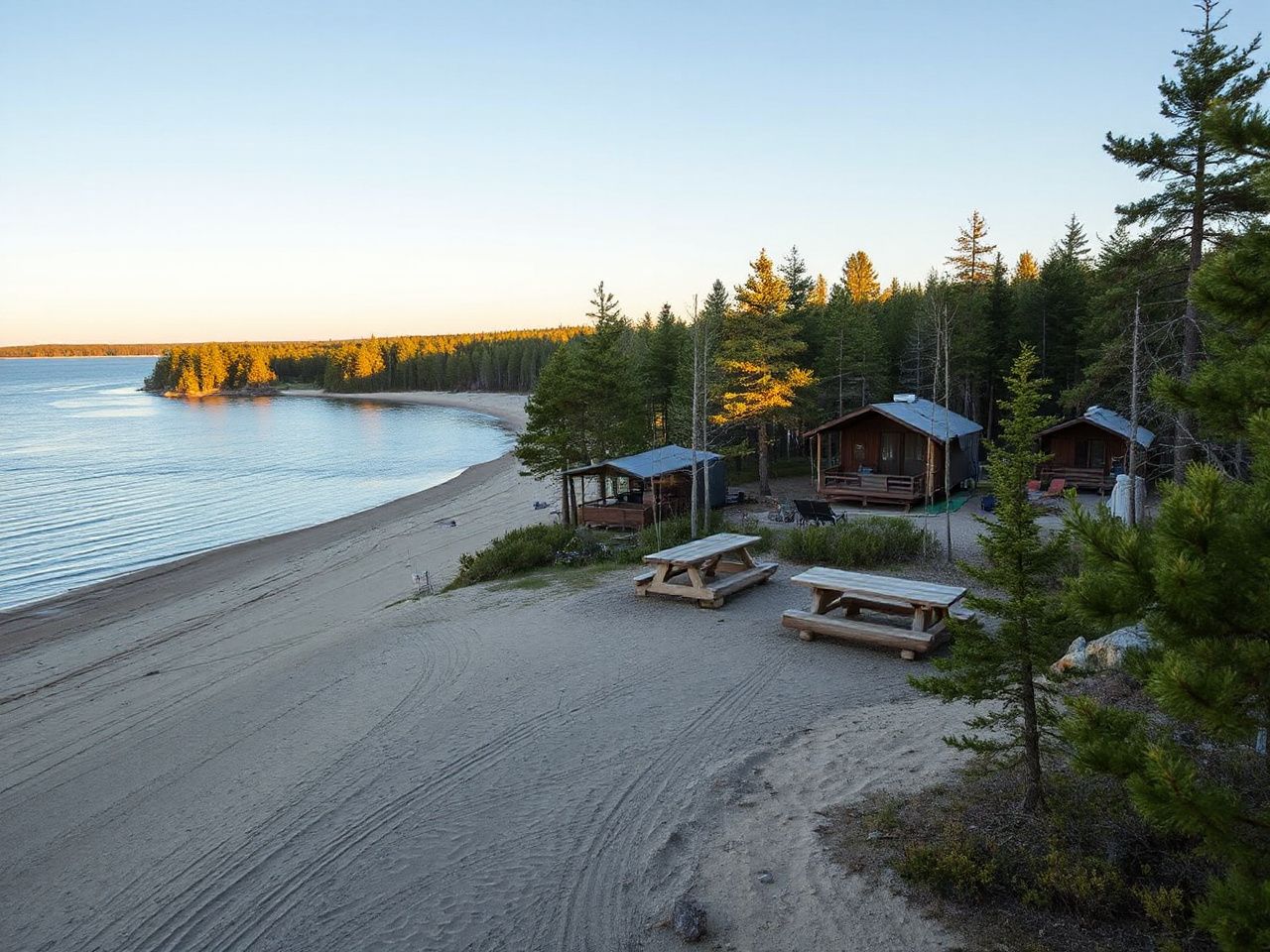
Albert E. Sleeper State Park campground sits on the south shore of Saginaw Bay, and the layout is deceptively simple until you factor in the wind. The sites closest to the water feel open and breezy, with a clear view across the bay to the distant shoreline of Arenac County. Those same sites get hit hard by afternoon gusts that can rattle a tent or push an RV awning past its limits.
The inland loops, tucked behind a line of trees, offer significantly more protection. If you’re tent camping, those wooded loops are the better bet. If you’re in an RV or pulling a camper and want electric hookups, you’ll likely end up in one of the more exposed loops anyway—so plan your setup accordingly.
Which Loop Should You Book?
The park breaks its sites into several loops, but the practical distinction is between bayfront/open loops and inland/wooded loops. Tent campers almost always prefer the inland loops: shade during the day, less wind at night, and fewer mosquitoes because the breeze doesn’t push them around as much. The trade-off is a short walk to the beach.
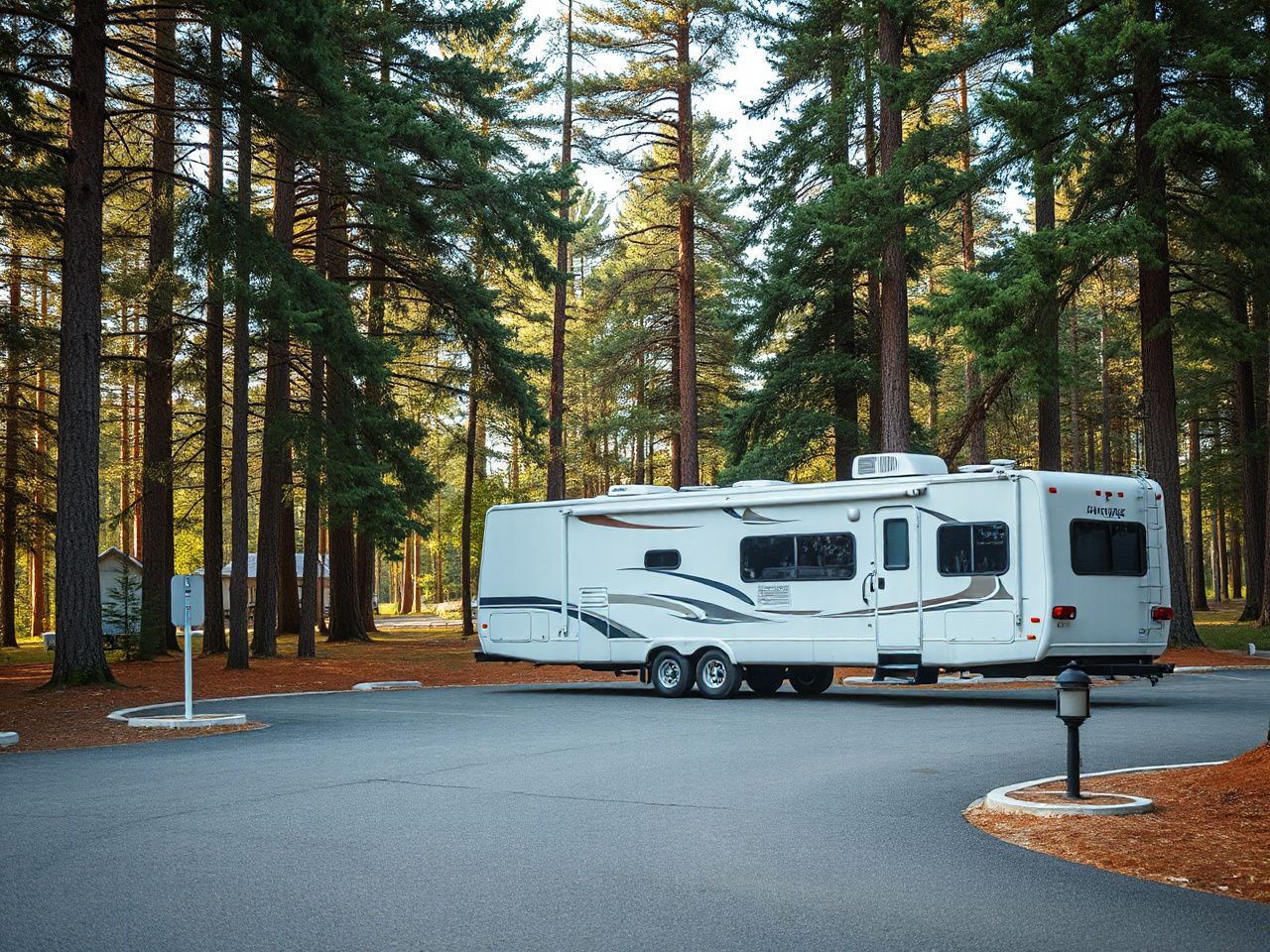
RV campers who want electric hookups will find them concentrated in the more open areas near the day-use zone. Those sites are flat and easy to back into, but you’ll want to chock your wheels and secure your awning. A sudden gust off Saginaw Bay can hit 40 mph without warning.
Electric Hookups and RV Considerations
Yes, electric hookups exist at Albert E. Sleeper State Park, and you absolutely need a reservation for them between Memorial Day and Labor Day. The Michigan Department of Natural Resources runs the reservation system, which releases sites up to six months in advance. Popular summer weekends at Sleeper State Park often fill within minutes of opening, especially for the electric loops.
If you’re rolling in an RV without sewer hookups (most sites here are water and electric only), there’s a dump station near the campground entrance. It’s not free—expect a small per-use fee—but it beats driving 20 miles to find one. Always top off your fresh water tank before you arrive because water spigots are shared, not at every site.
For anyone new to state park camping fees, our complete guide to state park camping fees breaks down exactly what Michigan and other states charge for everything from basic tent sites to premium pull-throughs.
Beach, Swimming, and Water Safety
Saginaw Bay is shallow—so shallow that you can wade out a hundred yards and still touch bottom in many spots. That shallow water warms up fast in June and July, making the swimming beach at Sleeper State Park a legit draw for families with small kids. But there’s no lifeguard on duty, ever. Swimming at Albert E. Sleeper State Park is entirely at your own risk.
What to Expect on the Saginaw Bay Shoreline
The beach itself is a mix of sand and small pebbles, and the bottom turns weedy once you get past waist depth. Some visitors get surprised by the sudden switch from clean sand to tangled aquatic plants. Water shoes solve ninety percent of the discomfort.
Rip currents are rare on Saginaw Bay compared to the open Lake Huron shoreline, but they can still form near the creek mouth after a heavy rain. Pay attention to posted warning signs, and never swim alone.
Sudden Storms and Wind on the Bay
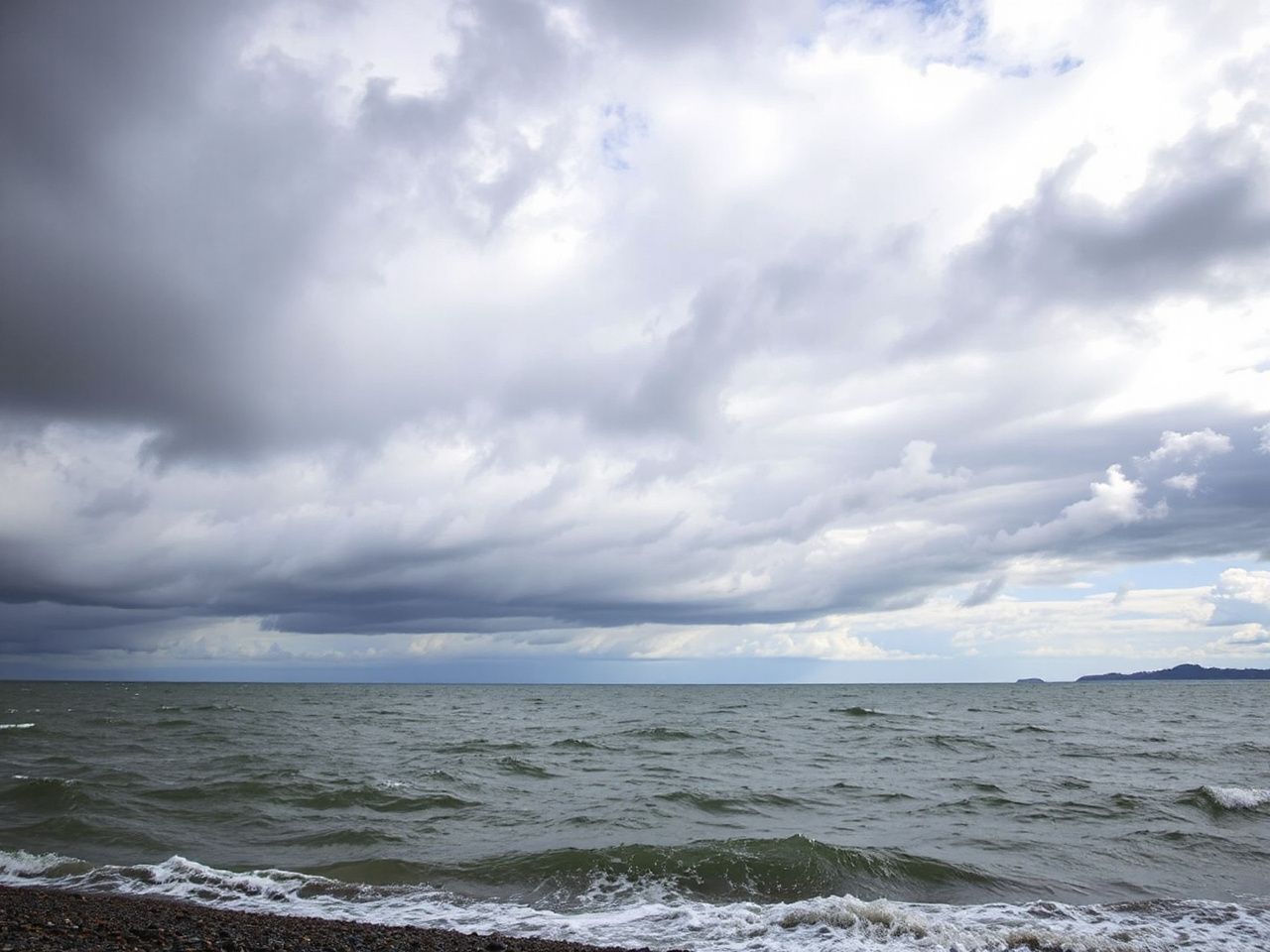
The biggest weather hazard at this park isn’t lightning—it’s the wind. Saginaw Bay acts like a funnel for any low-pressure system moving across Lake Huron, and a calm morning can turn into a 30-knot blow by late afternoon. Secure your tent with all guy lines, even if the forecast says clear skies. If you have an RV awning, retract it before you leave for the day.
The National Weather Service office in Gaylord issues marine forecasts for Saginaw Bay, and checking the National Weather Service marine forecast before you set up camp is the single best habit you can build. Sudden thunderstorms, especially in July and August, roll in from the southwest and can produce 40 mph gusts with little warning.
Trails, Dogs, and Campfire Rules
Albert E. Sleeper State Park isn’t a hiker’s paradise, but it has enough trail mileage to stretch your legs after a long day in the saddle. The main hiking trail is a flat, easy loop under a mile long that winds through the wooded interior, with interpretive signs about local flora. That makes it accessible for just about anyone, including kids on training wheels and old knees on rebound.
Dog-Friendly Policies
Dogs are allowed at the campground and on the hiking trail, but they must be on a leash no longer than six feet. Michigan state parks prohibit dogs on designated swimming beaches, so your pup can’t join you for a splash in the bay. There’s no off-leash area at this park. Clean up after your dog, and remember that Saginaw Bay’s shallow water means your dog might drink brackish water—bring fresh water and a collapsible bowl.
Firewood and Fire Bans
Campfires are permitted in the provided metal fire rings at each site, but you cannot bring firewood from more than 50 miles away. Michigan has strict rules to prevent the spread of invasive insects like the emerald ash borer. Buy certified firewood at the camp store or nearby gas stations, or collect dead and downed wood from within the park (if allowed).
Dry spells can trigger fire restrictions or outright bans. Before your trip, check the Michigan DNR’s current burn restrictions page for Huron County. A single unattended campfire in a dry pine loop can turn into a county-wide emergency, and the fines are steep.
Fees, Hidden Costs, and Budget Strategies
Michigan state parks require a Recreation Passport for every vehicle entering the park. For residents, the annual passport costs $13 per vehicle; for non-residents, it’s $39 per year or $11 for a daily pass. If you’re riding a motorcycle, the passport attaches to your license plate, so it’s one fee per bike. That’s a hard cost you can’t avoid.
What You Actually Pay
Camping fees at Albert E. Sleeper State Park run roughly $35 to $45 per night for a standard site during peak season, with electric sites a few dollars more. There’s also a one-time reservation fee when you book online (usually around $8). The dump station has a separate fee, typically $5 to $10 per use. Firewood runs $6 to $8 per bundle at the camp store. None of these are hidden—they’re just easy to forget when you’re budgeting.
Saving Money as a Motorcycle Camper
If you’re on a tight budget, skip the electric site. A 12-volt setup or a small power bank keeps your phone charged, and you’ll save $5 to $8 per night. Also, plan to arrive on a Sunday instead of a Friday: weekend rates apply Friday and Saturday nights, but Sunday night often drops back to the weekday rate. Buy your firewood from a local roadside stand a few miles outside the park—it’s usually $2 cheaper per bundle.
Best Time to Visit and Avoiding Crowds
Summer weekends at Albert E. Sleeper State Park feel like a small city with campfire smoke. The beach is packed, the restrooms get a workout, and the evening mosquito chorus is loud enough to hear over your engine. If you can schedule your trip for early June or after Labor Day, you’ll get the same warm bay water with a fraction of the people.
Summer vs. Shoulder Seasons
July and August bring the warmest water—sometimes up to 75°F in the shallows—but also the highest humidity and the most afternoon thunderstorms. Early June and mid-September offer daytime highs in the 70s and water still comfortable for a quick swim. The wind is less predictable in the shoulder seasons, which is both a blessing (fewer bugs) and a curse (colder nights).
Weekday vs. Weekend Strategies
If your only window is midsummer, aim for a Tuesday or Wednesday arrival. You’ll have your pick of inland loop sites that are booked solid on weekends. The same goes for holiday weekends—Memorial Day, Fourth of July, and Labor Day at Sleeper State Park are reservation-only chaos. Book those six months in advance or plan to camp elsewhere.
The Caseville Cheeseburger Festival, held every August just a few miles north, draws thousands of visitors to the entire Thumb region. If you’re not there for the festival, avoid that week entirely—campground capacity, traffic, and grocery store lines all triple.
Nearby Amenities and Local Flavor
The town of Caseville, Michigan sits less than five miles north of the park entrance. It’s a proper small-town stop with a couple of grocery stores, a hardware store for last-minute tent stakes or bungee cords, and several family restaurants that won’t laugh at a rider in full gear. The Circle K gas station just east of the park sells firewood, ice, and basic camping supplies if you forgot something.
Other Thumb State Parks Worth a Stop
If Albert E. Sleeper State Park is full—and it often is—Port Crescent State Park, about 20 miles east near Port Austin, offers a similar Saginaw Bay beach experience with the added drama of the tip of the Thumb. Port Crescent has slightly deeper water and a more exposed shoreline, which means rougher waves on windy days. Fishing on Saginaw Bay is solid from either park, with smallmouth bass and walleye within casting distance of shore.
Frequently Asked Questions
How do I reserve a campsite at Albert E. Sleeper State Park?
Reservations are made through the Michigan DNR’s online reservation system or by phone. Sites become available six months in advance, and for peak summer dates you should book the moment the window opens. Some first-come, first-served sites exist, but not in the electric loops during July and August.
Is the beach at Sleeper State Park good for swimming, and is there a lifeguard on duty?
The beach is good for swimming because the shallow water warms quickly, but there are no lifeguards at Albert E. Sleeper State Park. You swim at your own risk. The bay bottom turns weedy in places, so water shoes are a smart idea. Check the marine forecast before heading into the water.
Are there electric hookups at the campground, and do I need a reservation for them?
Yes, electric hookups are available in several loops, and you absolutely need a reservation during the summer. Those sites sell out quickly for weekends. The reservation system runs through the Michigan DNR, and you can choose your specific site on a map when you book online.
Dogs are allowed at Albert E. Sleeper State Park, but there are specific rules and designated areas for pets.
Dogs are allowed on a leash no longer than six feet in the campground and on trails. They are not permitted on designated swimming beaches. Bring fresh water and a bowl because the bay water is brackish. There is no off-leash area in the park.