Solo Travel Tips: The Complete Guide for First-Timers
Contents
Have you ever sat on the edge of your bed, a map spread out in front of you, and wondered if you have what it takes to travel alone?
The gear you skip buying to save money is almost always the gear you regret not having when you need it most. Invest once, invest right. The same principle applies to planning a solo trip: the time you spend preparing before you leave is the single best investment you can make in your own safety and peace of mind.
Whether you’re a first-timer or a seasoned wanderer, these tips for traveling solo will help you plan like a military route planner — mapping fuel intervals, weather contingencies, alternative routes, and emergency bail-out points before you ever turn the key.
Key Takeaways
- Plan your route backward: Identify your final destination, then work backward to build daily legs with fuel, food, and rest stops.
- Share your itinerary with one trusted person: A simple text or email with your daily plan can be a lifeline.
- Carry a backup communication device: Cell service isn’t guaranteed; a satellite messenger or paper map is essential.
- Pack light, but pack smart: Every item should serve at least two purposes — redundancy adds weight.
Why Solo Travel Requires a Different Kind of Planning
Traveling alone isn’t just about being brave — it’s about being prepared. When you’re the only one making decisions, every choice carries more weight. You have no backup navigator, no second pair of eyes on the road, no one to split the mental load.
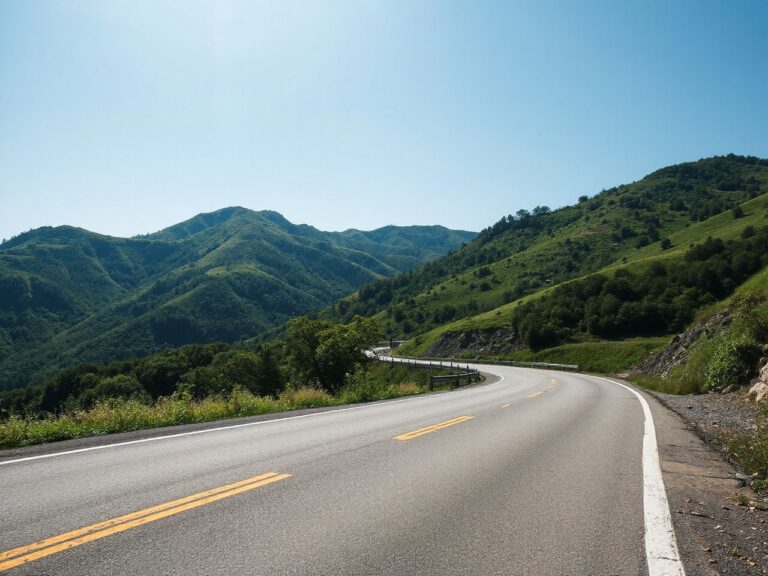
Unexpected weather or road closures can disrupt even the best-planned motorcycle trips. Always plan at least three alternate routes for each leg of a journey, and carry a paper map in case cell service is unavailable.
If you’re new to solo travel, start with a shorter trip — 3 to 5 days — to test your systems. Build your confidence before you tackle a month-long journey. For those planning a longer road trip, our 23 RV Travel Tips for a Stress-Free Road Trip offers additional insight on managing extended time on the road alone.
Phase 1: Pre-Trip Planning (The Mission Brief)
Step 1: Define Your Route and Timeline
Start with your final destination, then work backward. Break the journey into daily segments. For each segment, identify:
- Primary route: The most direct or scenic path.
- Alternate route: A backup if the primary is closed or unsafe.
- Emergency bail-out point: A town or rest area you can reach within 30 minutes at any point.
- Fuel intervals: For a car, mark gas stations every 150 miles. For a motorcycle, every 100 miles.
- Rest stops: Plan to stop every 2 hours for at least 15 minutes.
Write this down on paper. Digital maps fail when batteries die or signal drops. A laminated paper map in your bag is cheap insurance.
Step 2: Research Local Conditions
Check weather forecasts for the entire route, not just your starting point. Look for seasonal patterns: monsoon seasons, wildfire risks, or freezing temperatures at higher elevations.
For international travel, research entry requirements, visa rules, and local laws. Know the emergency numbers for each country you visit. In Europe, dial 112; in the US, 911; in Australia, 000. Save these in your phone under a contact called “Emergency” so you can find them quickly.
If you’re considering destinations like Scandinavia, our Sweden vs Norway: Our Top Travel Picks for 2026 can help you decide which country fits your travel style.
Step 3: Share Your Itinerary
Send a detailed itinerary to one trusted person. Include:
- Daily start and end points
- Planned rest stops and overnight accommodations
- Your vehicle description and license plate
- Your phone number and any backup contact info
- A check-in time each day (e.g., “I’ll text by 8 PM local time”)
If you miss a check-in, that person knows to call local authorities. This simple system has helped rescue more than one stranded traveler.
Phase 2: Packing for Solo Travel
Step 4: The One-Bag Rule
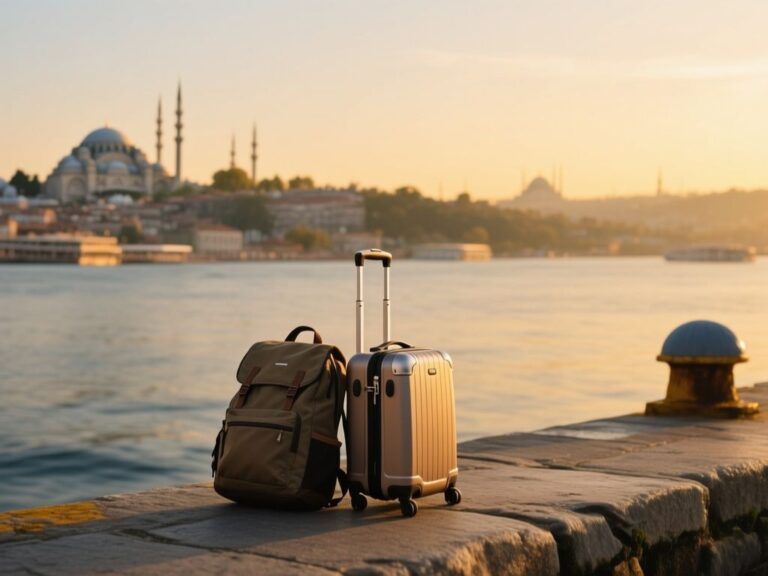
When you travel alone, you carry everything. Every pound matters. Aim for a single carry-on-sized backpack or duffel (40-45 liters max). This forces you to prioritize.
Your packing list should include:
- Clothing: 3-4 tops, 2 bottoms, 1 jacket, 1 pair of walking shoes, 1 pair of sandals. Choose quick-dry fabrics.
- Toiletries: Travel-sized only. Solid shampoo bars last longer and don’t spill.
- Tech: Phone, charger, power bank (10,000 mAh minimum), universal adapter, backup battery pack.
- Documents: Passport, visa copies, insurance cards, printed itinerary, emergency contacts. Keep a photocopy in a separate bag.
- First aid: Bandages, antiseptic wipes, pain reliever, antihistamine, any personal medications.
For clothing, the key is layering. A merino wool base layer, a mid-layer fleece, and a waterproof shell cover temperatures from 40°F to 80°F (4°C to 27°C).
Step 5: Gear That Earns Its Weight
Every item you pack should serve at least two purposes. A sarong becomes a towel, a blanket, a scarf, or a privacy curtain. A multi-tool replaces a knife, scissors, and screwdriver. A dry bag doubles as a laundry bag and a waterproof liner.
The gear you skip buying to save money is almost always the gear you regret not having when you need it most. Invest once, invest right. A quality headlamp (with red light mode) costs $30 and lasts years. A cheap one dies on the first night.
For travelers looking for versatile clothing options, our Envoy Lightweight Travel Pants Reviews: Top Picks highlights pants that work for hiking, dining, and sleeping — all without looking like cargo pants.
Phase 3: On the Road — Daily Operations
Step 6: Stay Connected (But Not Too Connected)
Cell service is not guaranteed. In remote areas, you may go hours or days without a signal. Plan for this.
- Download offline maps: Google Maps allows you to download entire regions. Do this before you leave Wi-Fi.
- Carry a physical map: Paper doesn’t run out of battery. Mark your route with a highlighter.
- Consider a satellite messenger: Devices like the Garmin inReach or Zoleo allow two-way texting via satellite. They’re not cheap, but they can save your life.
- Set a daily check-in time: Even if you have no signal, send a text when you get to a town. Your emergency contact will know you’re safe.
Step 7: Trust Your Gut
Your intuition is your best navigation tool. If a road looks washed out, don’t drive it. If a person makes you uncomfortable, leave. If a neighborhood feels unsafe, find another place to stay.
A gut feeling about a shortcut through a canyon can be important. If the stomach says no, it is wise to listen.
For solo travelers, this is especially important. You have no one to second-guess you. Trust yourself.
Step 8: Manage Your Energy
Traveling alone is mentally and physically draining. You’re making decisions constantly — where to eat, where to sleep, which route to take, when to stop. That mental load adds up.
- Take a full rest day every 4-5 days. Do nothing. Sleep in. Walk around a town. Let your brain reset.
- Eat real food. Gas station snacks won’t sustain you. Find a grocery store and buy fruit, nuts, and yogurt.
- Hydrate constantly. Aim for 2-3 liters of water per day, especially if you’re in a hot climate or at high altitude.
Phase 4: Safety and Emergency Protocols
Step 9: Build a Bail-Out Plan
Every leg of your trip should have a bail-out point — a place you can reach within 30 minutes if something goes wrong. This could be a town with a hotel, a hospital, or a police station.
On a solo trip, you can’t afford to be stranded. Know the location of the nearest hospital, mechanic, and embassy (if abroad). Save these in your phone under a contact called “Emergency Services.”
Step 10: Secure Your Belongings
When you travel alone, you don’t have someone to watch your bag while you use the restroom. Use these strategies:
- Lock your bag: A TSA-approved lock on your backpack zippers deters casual theft.
- Use a money belt: Keep your passport, credit cards, and cash in a money belt under your clothes.
- Don’t leave valuables in plain sight: In a car, lock everything in the trunk. In a hostel, use the locker.
- Keep a backup credit card hidden: In your shoe or in a separate compartment. If your wallet is stolen, you still have access to funds.
Step 11: Stay Aware of Your Surroundings
This is the most important solo travel safety tip. When you’re alone, you’re a target for scammers and thieves. Stay alert.
- Don’t walk with headphones in both ears. You need to hear traffic, footsteps, and shouts.
- Keep your phone in your pocket, not in your hand. Phone snatching is common in crowded areas.
- Know the local scams. Research common tourist scams for your destination before you go.
- Trust your instincts. If a situation feels wrong, leave immediately. You don’t owe anyone an explanation.
Frequently Asked Questions
What are the most important solo travel tips for a first-time traveler?
Start small. Choose a destination that’s safe, easy to navigate, and has good infrastructure. Plan your route in detail, share it with someone you trust, and pack light. The most critical tip is to stay flexible — things will go wrong, and your ability to adapt is your greatest asset.
How do I stay safe while traveling alone?
Share your itinerary with a trusted contact. Carry a backup communication device like a satellite messenger. Stay aware of your surroundings — no headphones in both ears, keep your phone put away, and trust your instincts. Lock your valuables and keep a backup credit card hidden separately.
What should I pack for a solo trip?
Pack light: one carry-on-sized bag with 3-4 tops, 2 bottoms, 1 jacket, 1 pair of walking shoes, and 1 pair of sandals. Include a first aid kit, power bank, universal adapter, and offline maps. Every item should serve at least two purposes. Leave the extra shoes at home.
How do I meet people when traveling alone?
Stay in hostels or social hotels with common areas. Join free walking tours — they’re great for meeting other travelers. Use apps like Meetup or Couchsurfing for local events. Don’t force it; some days you’ll want solitude, and that’s fine. Quality over quantity.
What’s the best way to plan a solo road trip?
Start with your final destination and work backward. Break the trip into daily legs with fuel, food, and rest stops. Identify alternate routes and emergency bail-out points for each leg. Download offline maps, carry a paper map, and set a daily check-in time with a trusted person. Test your systems on a short trip before committing to a long journey.