Things To Do In Santorini: A Complete Guide
Contents
The trips that make the best stories are almost always the ones where something went wrong, which is an argument for planning rather than against it. Preparation doesn’t prevent adventure — it just gives you better options when it shows up. Santorini teaches that lesson quickly. A miscalculated fuel stop on a blistering July afternoon is enough to leave a rider pushing a 250cc dual-sport uphill on a gravel road overlooking the caldera, and it is exactly those wrong turns that end up in the tiny villages the ferry crowds never reach. If you’re looking for genuine things to do in Santorini, you need to know where the real island lives — not just the Instagram spots.
Key Takeaways
- Rent a scooter or small motorcycle to access hidden trails and empty beaches — it’s the only way to escape the cruise-ship crowds.
- Visit the less-popular southern and eastern coasts for authentic tavernas and quieter swimming spots.
- Plan your day around the midday heat (June–September temperatures hit 38°C/100°F) — start early, rest from noon to 4 p.m., then explore again.
- Skip the overpriced caldera-view dinners in Fira and Oia; instead, eat where locals eat in Pyrgos or Megalochori.
Why Most Visitors Miss the Real Santorini
The standard Santorini itinerary looks the same for everyone: watch sunset in Oia, take a boat to the volcano, drink wine at a cliffside bar. Those are fine activities, but they’re not the whole story. The best experiences happen when you leave the main drag. The problem is that most tourists never get off the bus routes. They see the caldera from one angle, eat at the same three restaurants, and leave thinking they’ve seen Santorini. They haven’t.
The island is only 76 square kilometers — roughly 29 square miles — but its topography is wildly varied. The western coast is all steep cliffs and volcanic rock. The eastern coast has long, sandy beaches. The interior is a patchwork of vineyards, abandoned quarries, and hilltop villages that haven’t changed much in a century. If you’re willing to explore on two wheels, you can cover the whole thing in three days and still have time to swim.
Ride the Caldera Rim — But Do It Right
The Classic Route: Fira to Oia
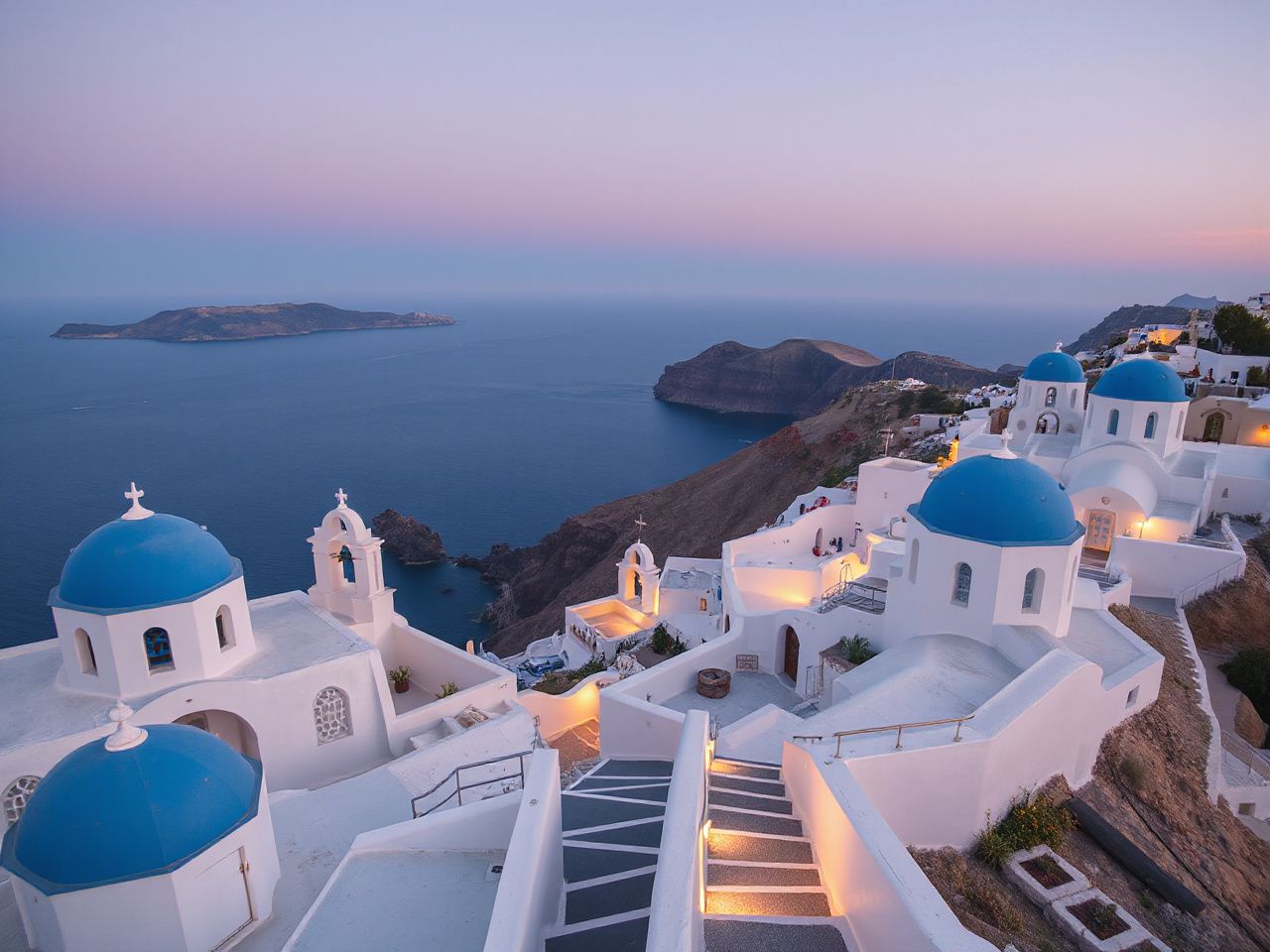
The road from Fira to Oia is the most famous stretch on the island. It’s about 11 kilometers (7 miles) of winding asphalt with views that drop straight into the caldera. In peak season — July and August — this road is packed with rental cars, tour buses, and pedestrians who walk in the lane. Avoid riding it between 10 a.m. and 3 p.m. The traffic is stop-and-go, and the heat radiating off the pavement makes it miserable. Go at sunrise or an hour before sunset. You’ll have the road mostly to yourself, and the light is better for photos anyway.
The Back Route: Imerovigli to Skaros Rock
Most people drive straight to Oia and miss the trail from Imerovigli to Skaros Rock. This is a 2-kilometer (1.2-mile) hike on a volcanic ridge that juts into the caldera. The path is uneven and exposed — no shade, no railings — but the payoff is a 360-degree view of the entire basin. The hike feels very different at dawn than in the middle of the day. Dawn is better. The temperature is 10°C (18°F) cooler, and you’ll have the trail to yourself. The rock itself is the remnant of a medieval fortress, and you can still see the foundations of the chapel that once stood there.
Hidden Beaches That Tourists Miss
Koloumbes Beach
On the northeastern coast, Koloumbes is a black-sand beach that faces the open Aegean. There’s no organized sunbed operation, no bar, no road access — the last 400 meters (quarter mile) must be walked on a dirt track. The water is deep blue and clear, and the current is mild. Bring your own water and snacks, because there’s nothing for sale.
Vlychada Beach
Vlychada is on the southern coast, and it’s famous for the white volcanic cliffs that look like lunar surfaces. The beach itself is a mix of pebbles and sand, and the water gets deep quickly — good for swimming, not great for wading. There’s a small marina nearby where local fishermen sell their catch. Fresh octopus is often available for purchase and can be grilled on a portable stove. If you don’t have a stove, the taverna at the top of the cliff does a decent grilled fish plate for 12 euros.
Mesa Pigadia
This is a tiny cove accessible only by a steep dirt road that most rental car companies won’t let you drive. On a motorcycle or scooter, it’s no problem. The beach is about 50 meters long, with coarse sand and a few tamarisk trees for shade. The water is calm because the cove is sheltered. Camping overnight is allowed legally, as long as you leave no trace. The stars are incredible because there’s no light pollution from the nearby towns.
Eat Like a Local, Not a Tourist
Avoid the Caldera Restaurants
The restaurants along the caldera in Fira and Oia charge 25 to 40 euros for a plate of moussaka that costs 8 euros anywhere else. The view is nice, but the food is often frozen and reheated. Those places are fine, but they are not the best value. A family-run taverna in Pyrgos called Metaxi Mas is a good alternative, where the same moussaka costs 9 euros and is made with lamb from the owner’s farm. The difference is night and day.
Village Tavernas Worth the Ride
- Pyrgos: Metaxi Mas (address: Pyrgos Kallistis, 84700). Try the fava bean puree and the grilled sausage. Open daily from noon to 11 p.m.
- Megalochori: Avlogyros (address: Megalochori, 84700). They serve a tomato fritter called tomatokeftedes that’s well worth ordering. The owner’s grandmother taught the recipe.
- Emporio: Taverna Katina (address: Emporio, 84700). This is a no-menu spot — the owner tells you what’s fresh that day. The grilled squid is caught that morning.
Wine Tasting Without the Crowds
Santorini has a unique wine-growing tradition because of the volcanic soil and the way vines are trained into basket shapes to protect grapes from the wind. The most famous wineries — Santo Wines, Venetsanos — have tasting rooms with caldera views, but they are often busy with tour groups. Smaller producers offer a more intimate experience.
Estate Argyros in Episkopi Gonia is a family operation that’s been making wine since 1903. The tasting room is a converted stone cellar, and the staff will walk you through the differences between Assyrtiko, Athiri, and Aidani grapes. A tasting of four wines costs 12 euros. Hatzidakis Winery in Pyrgos is even smaller — the owner, Haridimos Hatzidakis, often pours the wine himself. He makes a natural Assyrtiko that’s fermented without added sulfites. It’s not for everyone, but it’s honest.
If you ride a motorcycle, be aware that the roads to these wineries are narrow and sometimes unpaved. Hatzidakis is at the end of a gravel track that’s about 1.5 kilometers (1 mile) long. Take it slow, especially if the gravel is loose.
Hike the Ancient Thera Trail
The ancient city of Thera sits on a ridge 360 meters (1,180 feet) above the eastern coast. The site was inhabited from the 9th century BC through the Byzantine period, and the ruins include temples, houses, and a theater. You can drive to the parking lot near the top, but the best approach is on foot from Kamari Beach. The trail is 3 kilometers (1.9 miles) one way, with an elevation gain of 250 meters (820 feet). It takes about 45 minutes to an hour if you’re in decent shape.
Going early in the day, especially in spring or fall, is recommended for this hike. High temperatures in summer can make the hike challenging, and it is important to carry enough water—2 liters is a good guideline. The ruins are worth seeing, but they’re not worth risking heatstroke.
Explore the Abandoned Quarries of the South
The southern coast of Santorini has a series of abandoned pumice quarries that were active until the 1950s. The quarries are massive — some are 30 meters (100 feet) deep — and the walls are striped with layers of white, gray, and red volcanic ash. The most accessible is near the village of Akrotiri. Parking and walking in is advised. The ground is unstable in places, and there are no barriers.
Inside the quarries, the temperature drops by 5 to 10°C (9 to 18°F) compared to the surrounding area. The acoustics are strange — sounds echo in a way that feels like you’re inside a drum. The shade of a quarry wall is a good lunch spot for watching the light change the colors of the ash layers. It’s a quiet, strange, beautiful place that almost no tourists visit.
Practical Tips for Riding Santorini
Rental and Licensing
You need a valid motorcycle license to rent anything over 50cc in Greece. A standard car license won’t cut it for a 125cc scooter. If you only have a car license, rent a 50cc moped — it’s slow, but it’s legal. Rental prices in 2026 range from 20 euros per day for a 50cc moped to 45 euros per day for a 250cc dual-sport. Negotiate for multi-day discounts.
Fuel and Range
Gas stations are concentrated in Fira, Perissa, and Kamari. The interior and southern coasts have none. A 125cc scooter gets about 40 kilometers per liter (94 miles per gallon). The full loop of the island is about 70 kilometers (43 miles), so one tank will get you around twice. Fill up before you head out, especially if you’re going to the south or east.
Gear and Safety
The roads in Santorini are narrow, and many have no shoulder. Tour buses and rental cars drive aggressively. Wearing a full-face helmet is recommended even in summer, because the wind and dust make it hard to see. Gloves and a riding jacket with armor are worth the heat — protective gear can prevent serious injury in a fall. The rental shops provide helmets, but they’re usually open-face and old. Bring your own if you can.
When to Go for the Best Experience
June and September are the sweet spots. The weather is warm — 28 to 32°C (82 to 90°F) — but not oppressive. The crowds are manageable. July and August are a zoo. Mid-August on Santorini involves tour bus congestion that significantly limits riding time. The prices for accommodation double, and the beaches are shoulder-to-shoulder. October is also good, but some restaurants and rental shops start closing after the first week.
Winter — November through March — is quiet. Many hotels and restaurants shut down, and the ferry schedule is reduced. But if you don’t mind cold weather (temperatures drop to 10°C/50°F at night) and some rain, you can have the island to yourself. The roads are empty in February. The caldera views in the low winter light are hauntingly beautiful.
Frequently Asked Questions
Is it safe to ride a scooter or motorcycle in Santorini?
It’s safe if you’re an experienced rider. The roads are narrow, windy, and often have loose gravel. Traffic is heavy in summer. A 125cc scooter suits beginners — it’s light and maneuverable. Always wear a helmet and watch for pedestrians who step into the road without looking.
What are the best things to do in Santorini for adventure travelers?
Ride the back roads from Fira to Pyrgos, hike the Ancient Thera trail, and swim at Koloumbes Beach. The abandoned pumice quarries near Akrotiri are also worth exploring. These activities get you away from the crowds and into the real landscape of the island.
How many days do you need to see Santorini properly?
Three days is enough to see the major sites and ride the whole island. Day one: ride the caldera rim and hike Skaros Rock. Day two: explore the southern beaches and quarries. Day three: visit the wineries and hike Ancient Thera. If you have more time, add a day for relaxing on the eastern beaches.
What should I pack for a motorcycle trip to Santorini?
Bring a full-face helmet, riding gloves, a light jacket with armor, and sunscreen. The sun is intense, and the wind dries out your skin. Carry a 2-liter hydration pack and a small repair kit with tire plugs and a pump. The rental shops have basic tools, but they’re often incomplete.