Best Shoes To Wear Traveling In Europe: 2026 Guide
Contents
You’ve booked the flights, mapped the route, and packed your gear — but that nagging question still echoes in your head: what shoes will actually carry you through 12-hour days on cobblestones, rainy train platforms, and that spontaneous hike up a hillside vineyard?
Budget gear on a loaded adventure bike is a false economy every time. The same principle applies to footwear. Skimp on your shoes, and you’ll pay for it with every step, every blister, every miserable mile.
When you’re searching for the best shoes to wear traveling in Europe, you’re not just looking for something that looks good in photos. You need footwear that can handle unpredictable weather, varied terrain, and the relentless demands of moving through a continent — whether on two wheels, two feet, or public transport. This guide breaks down exactly what to look for, what to avoid, and how to make a choice that serves you for years, not just one trip.
Key Takeaways
- Prioritize comfort and durability over style — you’ll walk an average of 8–12 miles daily in European cities.
- Waterproofing is non-negotiable for shoulder-season travel; wet feet ruin a day faster than a missed train.
- Choose shoes with a grippy, non-marking outsole for cobblestones and marble-floored museums.
- Versatility matters: one pair should handle city streets, light trails, and a nice dinner without screaming “hiking boot.”
Understanding the European Terrain Challenge
Europe’s surfaces are a gauntlet. Cobblestones, uneven flagstones, slick marble, wet wooden docks, gravel paths, and asphalt — often all in a single afternoon. Your shoes need to adapt to each without complaint.
Cobblestones: The Silent Blister Factory
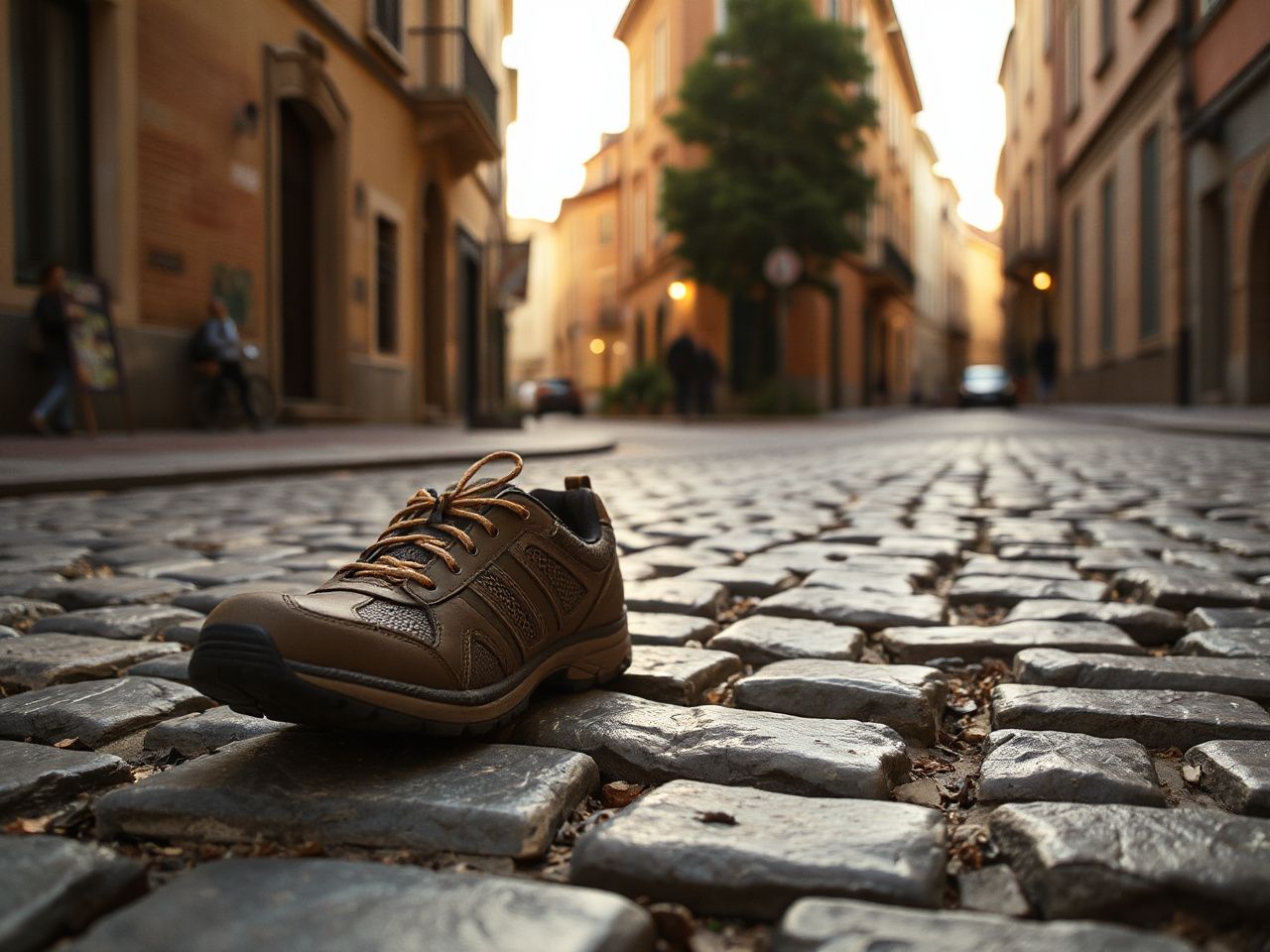
Walking on cobblestones for hours shifts your foot’s natural alignment. The constant micro-adjustments in your ankles and knees lead to fatigue and soreness by day three. Shoes with a stiff, supportive midsole and a rocker-shaped sole reduce this strain by helping your foot roll forward naturally. Avoid flat, thin-soled sneakers — they transmit every stone’s shape directly to your metatarsals.
Rain, Mud, and Train Station Floors
European weather is famously fickle. A sunny morning can turn into a downpour by lunch. Train station floors are often wet, polished stone — a slip risk if your soles aren’t up to the task. Look for shoes with a rubber compound rated for wet traction (like Vibram’s MegaGrip or similar). A waterproof membrane — Gore-Tex or a proprietary equivalent — keeps your feet dry without making them sweat when the sun returns.

What to Look for in the Best Shoes to Wear Traveling in Europe
Not all walking shoes are created equal. Here are the specific features that separate a travel companion from a liability.
1. Outsole Grip and Durability
The outsole is your interface with the ground. Look for a lug pattern with multi-directional tread — deep enough to bite into gravel but not so aggressive that it catches on smooth floors. A rubber compound with a hardness rating around 60–65 Shore A provides a good balance of grip and longevity. Softer compounds grip better but wear faster on pavement.
2. Midsole Support and Cushioning
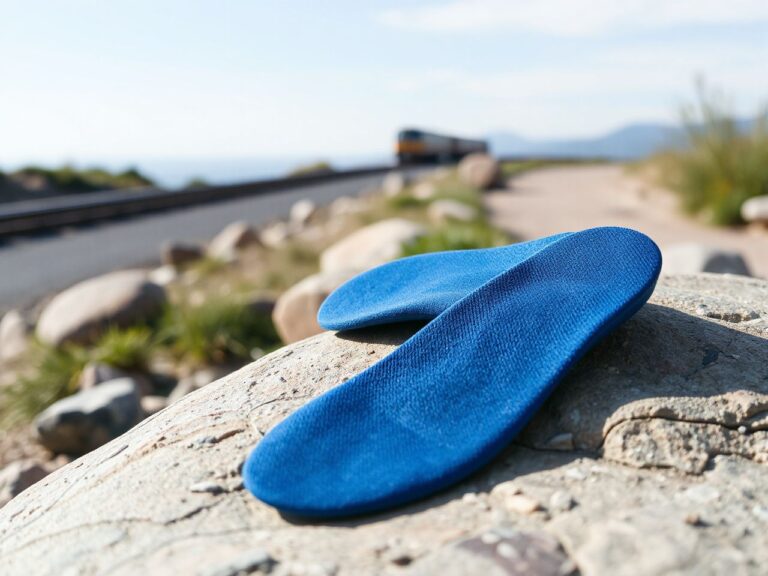
A midsole made of EVA foam (ethylene-vinyl acetate) offers lightweight cushioning, but it compresses over time. For longer trips, consider shoes with a polyurethane midsole or a dual-density foam that resists breakdown. Shoes with a removable insole let you swap in custom orthotics if you need arch support.
3. Upper Material and Breathability
Leather uppers are durable and weather-resistant but can be heavy and slow to dry. Synthetic mesh uppers are lighter and more breathable but less protective. A hybrid approach — leather or synthetic overlays on a mesh base — offers the best of both worlds. Look for a padded collar and tongue to prevent heel slip and pressure points.
4. Weight and Packability
Every ounce matters when you’re carrying your shoes on your back or strapped to a bike. Aim for shoes under 400 grams (14 ounces) per shoe for men’s size 9. If you’re packing a second pair, consider a collapsible option that flattens in your luggage.
Types of Shoes That Work for European Travel
Depending on your itinerary and season, different styles excel. Here’s how to match the shoe to the journey.
Walking Sneakers: The All-Around Workhorse
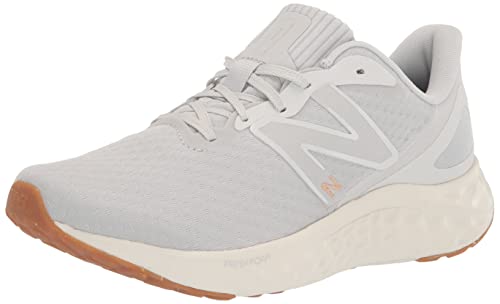
Walking sneakers are the most versatile option for city-focused trips. They offer the cushioning of a running shoe with the stability of a hiking shoe. Look for a low-profile heel-to-toe drop (4–8 mm) that encourages a natural foot strike. A rockered sole helps propel you forward on flat ground. Brands like Merrell, Keen, and Salomon produce models specifically designed for urban walking.
Trail Runners: Lightweight and Agile
If your itinerary includes light trails, cobblestone climbs, or wet conditions, trail runners are a worthy choice. They’re lighter than hiking boots and dry faster when wet. Their aggressive tread handles loose gravel and mud. However, they often lack the ankle support and durability for heavy loads. Pair them with gaiters if you’re walking through sandy or gravelly areas.
Approach Shoes: The Climber’s City Shoe
Approach shoes — originally designed for hiking to climbing routes — have found a second life as travel shoes. They feature a sticky rubber outsole (often Stealth or Vibram IdroGrip) that grips wet rock and metal surfaces like train station gratings. Their low-profile design and stiff midsole make them excellent for technical terrain. The trade-off is less cushioning for long pavement walks.
Waterproof Boots: For Rainy Seasons and Shoulder Months
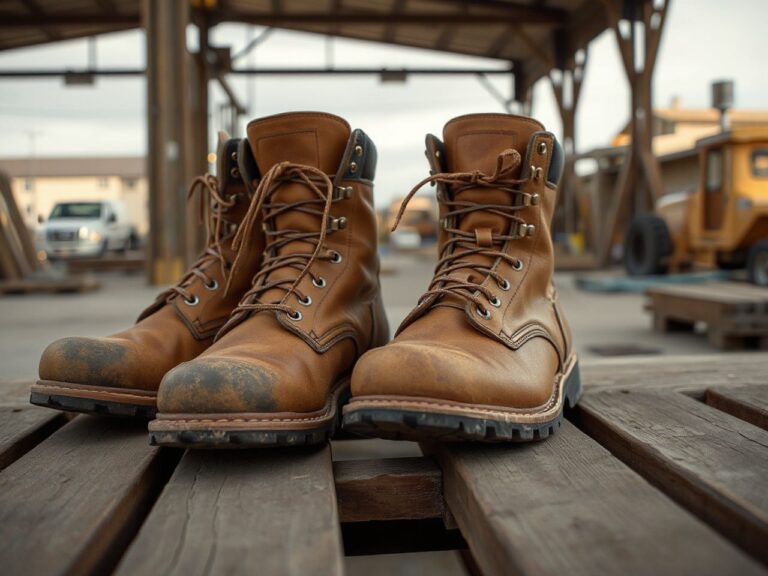
If you’re traveling in late autumn, winter, or early spring, a waterproof mid-height boot offers protection from rain, puddles, and cold. Look for one with a membrane that’s breathable — Gore-Tex or an equivalent — so your feet don’t become clammy. The extra ankle height provides stability on uneven ground. Avoid insulated boots unless you’re heading into snow; they’ll be too warm for most European cities.
How to Test Your Shoes Before the Trip
Breaking in new shoes on the road is a recipe for blisters. Here’s a pre-trip testing protocol.
Step 1: The 30-Minute Wear Test
Wear the shoes around your house for 30 minutes. Pay attention to any hot spots — points of friction on your heel, toes, or the sides of your feet. If you feel a hot spot within 30 minutes, that shoe is likely a poor fit for your foot shape.
Step 2: The 2-Hour Walk
Take the shoes on a 2-hour walk on mixed surfaces: pavement, gravel, grass, and stairs. This simulates a typical European day of sightseeing. Note any foot fatigue or discomfort. If your feet feel sore after two hours, the shoe lacks adequate support for your gait.
Step 3: The Wet Surface Test
Find a wet sidewalk or tile floor. Walk normally and then quickly. Does the shoe slip? If so, the outsole compound isn’t up to the task. Consider a different shoe or an aftermarket sole treatment.
Packing Strategy: One Pair or Two?
The classic debate. One pair simplifies packing, but two pairs let you rotate and let shoes dry between wears. If you’re traveling for more than a week, bring two pairs: one for walking and exploring, one for evenings and rest days. This extends the life of both and gives your feet a break from the same shoe geometry.
If you’re riding a motorcycle, you’ll need three pairs: riding boots, walking shoes, and lightweight sandals or slip-ons for camp or hotel. Packing cubes help separate them from your clothes and prevent dirt from transferring.
Environmental Considerations for the Conscious Traveler
The environmental impact of gear is an important consideration. The shoe industry is a massive contributor to waste and chemical pollution. Here’s how to choose responsibly.
Look for Recycled Materials and Sustainable Manufacturing
Many brands now use recycled polyester for uppers, recycled rubber for outsoles, and water-based adhesives. Some, like Veja and Allbirds, focus on low-impact production. Others, like Patagonia and Cotopaxi, offer repair programs to extend the life of your shoes. Buying a shoe that lasts five years instead of one is the most sustainable choice you can make.
Repair Over Replace
When the outsole wears down, resole the shoe instead of throwing it away. Many cobblers in Europe can replace a worn sole for a fraction of the cost of a new pair. This keeps shoes out of landfills and supports local artisans. Good approach shoes can be resoled several times over the years.
Buy Secondhand or Deadstock
Check eBay, REI Used Gear, or local consignment shops for high-quality travel shoes. Many people buy expensive hiking shoes for one trip and never wear them again. You can find near-new gear at half the retail price. This reduces demand for new production and saves you money.
Common Foot Problems and Solutions on the Road
Even with the best shoes, feet can rebel. Here’s how to handle the most common issues.
Blisters
Prevention: Wear moisture-wicking socks (merino wool is ideal). Apply foot powder to reduce friction. Use moleskin or blister patches at the first sign of a hot spot. Treatment: Clean the blister, apply a hydrocolloid dressing, and let it heal. Don’t pop it unless it’s painful — the fluid protects the skin underneath.
Swollen Feet
Your feet swell after long days of walking and in warm weather. Elevate them when you sit down. Wear compression socks on travel days. Choose shoes with a roomier toe box — many European cities require navigating narrow streets and steep stairs, and cramped toes lead to pain.
Arch Pain
If you have flat feet or high arches, custom orthotics can make a huge difference. Many travel shoes have removable insoles. Swap them for orthotics before your trip. Also consider shoes with a built-in arch support system, like those from Superfeet or Sole.
Seasonal Recommendations
Your shoe choice depends heavily on when you’re traveling.
Spring (March–May)
Unpredictable weather. Waterproof walking shoes with a breathable membrane are ideal. A low-top sneaker with a Gore-Tex liner handles rain showers and drying sun. Pack a pair of lightweight sandals for dry days.
Summer (June–August)
Hot and dry in most of Europe. Breathable mesh sneakers or trail runners are best. Avoid waterproof shoes — they trap heat and make your feet sweat. Look for shoes with a ventilated upper and a moisture-wicking insole.
Fall (September–November)
Cooler and wetter. Waterproof shoes are essential again. A mid-height boot provides extra ankle support and warmth. Pack wool socks for insulation.
Winter (December–February)
Cold, snow, and ice. Insulated waterproof boots with a deep tread are necessary. Look for a temperature rating that matches your destination — 200–400 grams of insulation for most European cities. Consider adding microspikes for icy sidewalks.
Final Thoughts
The best shoes to wear traveling in Europe are the ones that disappear from your awareness — that let you focus on the art, the food, the people, and the ride, rather than your aching feet. Don’t skimp on crash bars. Invest in quality footwear that matches your itinerary, your foot shape, and your values. Your feet carry you through every experience. Treat them well, and they’ll take you anywhere.
If you’re looking for a pair of waterproof shoes that can handle both city streets and light trails, check out our roundup of the best waterproof running shoes tested for 2026. And if you’re planning a coastal trip, our guide to the best beach pants for guys of 2026 will help you complete your travel wardrobe. For navigating Europe’s train systems, our best live train tracker map for 2026 can save you time and frustration.