The Complete Guide to the Oregon State Parks Annual Pass
Contents
Oregon state parks see millions of day-use visits each year, yet many visitors do not use an annual pass. The arithmetic behind that gap is what makes it worth closing. A single day-use fee at a park like Cape Lookout looks trivial next to the 400-mile run out from Bend, which is exactly why it slips past unnoticed — and why three months of casual stops can quietly cost more than a full year pass. Travel tends to produce its best stories out of the moments where something went wrong, and preparation does not prevent those moments — it just gives you better options when one shows up. And having the right annual pass for Oregon state parks in your wallet is one of those options that turns a costly detour into a free stop.
Key Takeaways
- The Oregon Pacific Coast Passport costs $50 and covers day-use fees at all state parks, plus most federal recreation sites along the coast.
- If you visit state parks more than 8–10 times in a year, the annual pass pays for itself compared to paying daily fees of $5–$10 per vehicle.
- Camping reservations require separate fees — the annual pass does not cover overnight stays or campsite booking costs.
- You can buy the pass online, at any Oregon state park entrance station, or at participating retailers like REI and local outdoor gear shops.
What the Oregon State Parks Annual Pass Actually Covers
The official name is the Oregon Pacific Coast Passport, but most riders and campers just call it the state parks annual pass. It’s a sticker you affix to your windshield or motorcycle fork tube, and it grants unlimited day-use entry to every Oregon state park that charges a fee. That includes popular spots like Silver Falls, Smith Rock, Ecola, and Cape Kiwanda.
Beyond state parks, this pass also covers day-use fees at over 20 federal recreation sites managed by the Bureau of Land Management and the U.S. Forest Service along the Oregon coast. Places like Nehalem Bay, Sutton Creek, and the Oregon Dunes National Recreation Area are included. For a motorcyclist who likes to wander, that single sticker opens up a lot of pavement.
What it does not cover: camping fees, reservation fees, group picnic area rentals, or special event permits. If you plan to stay overnight, you’ll pay the standard campsite rate on top of the pass. But for day trips — which is how I use most of my riding time — the pass eliminates the hassle of digging for cash at every entrance booth.
Cost Comparison: Daily Fees vs. Annual Pass
Oregon state parks charge day-use fees between $5 and $10 per vehicle, depending on the park. Some of the most scenic coastal parks, like Hug Point and Cannon Beach, are free, but the ones with parking lots and restrooms usually have a fee. If you ride solo on a motorcycle, you pay the same vehicle fee as a car.
Let’s do the math. If you visit a state park 10 times in a year at an average of $7 per visit, that’s $70. The annual pass costs $50. You save $20 and the time spent fumbling for exact change. For riders who make frequent stops along the coast — say, a weekend trip from Astoria to Brookings — you might hit 4 or 5 parks in a single ride. At $5 each, that’s $25 to $35 for one day. The pass pays for itself in two trips.
How to Buy the Oregon State Parks Annual Pass
You have three solid options for purchasing the pass. The easiest is online through the Oregon State Parks website. You’ll need a credit card and your vehicle’s license plate number. The pass arrives by mail in about 7 to 10 business days. If you order in the off-season (October through March), expect slower shipping due to reduced staffing.
Option two is buying it in person at any Oregon state park entrance station. This is what I do. I roll up to the booth, hand over $50 cash or a card, and they stick the pass on my windshield right there. No waiting. Just make sure the booth is open — most are staffed from 8:00 AM to 5:00 PM during peak season (May through September). Off-season hours vary wildly, so check the park’s page before you ride out.
Option three is local retailers. REI, Bi-Mart, and some independent outdoor gear shops sell the pass. The benefit here is you can pick it up during regular store hours, which are often longer than park booth hours. Call ahead to confirm they have stock — I’ve rolled into a Portland REI only to find they were sold out in March.
What You Need to Know About Motorcycle Mounting
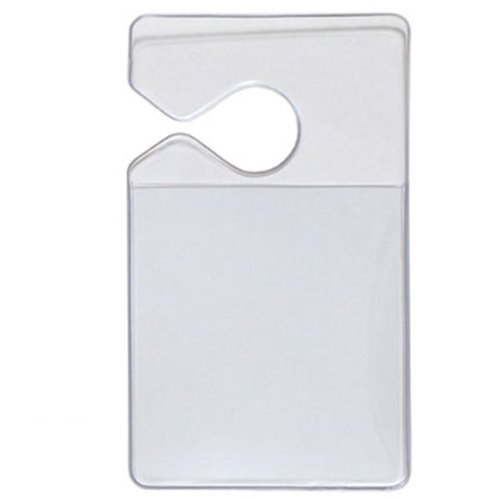
For motorcyclists, the windshield sticker method is a pain. Most sport bikes and adventure bikes don’t have a flat windshield surface. Oregon State Parks has a solution: they offer a transferable sticker version that you can attach to a plastic card and keep in your tank bag or jacket pocket. You just show it at the entrance booth instead of having it on the bike.
To get the transferable version, you need to request it specifically when ordering online or at the booth. The standard sticker is designed for cars and won’t peel off cleanly from a textured windscreen. I learned this the hard way after ruining a $40 aftermarket windshield with adhesive residue. The transferable card costs the same $50 and works exactly the same way.
Annual Pass vs. Other Oregon Park Passes
Oregon offers several passes, and it’s easy to get confused. Here’s the breakdown for 2026:
- Oregon Pacific Coast Passport ($50): Covers day-use at all Oregon state parks and federal sites along the coast. Best for riders who stick to the coast and major inland parks.
- Oregon State Parks Annual Pass ($50): This is the same product as the Coast Passport but sold under a different name in some regions. They are interchangeable.
- America the Beautiful Pass ($80): Covers all national parks, forests, and BLM lands nationwide. Does not cover Oregon state parks. If you ride federal land more than state parks, this is a better value.
- Oregon Wildlife Viewing Pass ($25): Covers entrance to state wildlife areas but not state parks. Only useful if you specifically visit wildlife refuges.
For most riders, the Oregon Pacific Coast Passport is the sweet spot. It’s half the price of the America the Beautiful pass and covers the parks you’re most likely to visit on a weekend ride.
When the Annual Pass Makes Sense (and When It Doesn’t)
The pass is a no-brainer if you visit state parks more than 8 times per year. For a rider who does a monthly coastal run, that’s easy. But if you only go camping twice a year and spend most of your time on BLM land or national forests, the pass might not pay off.
Consider your typical trip. If you ride to Smith Rock for a day hike, that’s $5. If you stop at Ecola on the way back, that’s another $5. Two parks in one day equals $10. Do that six times in a year, and you’ve spent $60 — already more than the pass. The math gets even better if you ride with a passenger, since the pass covers the entire vehicle.
On the flip side, if you primarily camp at private RV parks or dispersed camp on national forest land, you might never encounter a state park fee. In that case, save your $50 for fuel or a good meal at a diner in Bandon.
Best Parks to Visit with the Pass
Some Oregon state parks are free to enter, so the pass doesn’t help there. But these parks charge fees and are worth the stop:
- Silver Falls State Park ($5): The Trail of Ten Falls is a 7.2-mile loop that passes behind waterfalls. Best visited in spring when water flow is high.
- Smith Rock State Park ($5): World-class rock climbing and hiking. The Misery Ridge Trail is 3.5 miles with 1,000 feet of elevation gain.
- Cape Lookout State Park ($5): A 2.5-mile hike to the tip of the cape with views of the Pacific. Great for whale watching in December and March.
- Ecola State Park ($5): Iconic views of Haystack Rock and the Tillamook Rock Lighthouse. The Crescent Beach trail is 1.2 miles each way.
- Nehalem Bay State Park ($5): A 4-mile spit perfect for beach riding (with a permit) and bird watching.
If you’re planning a multi-day trip that includes several of these parks, the pass pays for itself in the first day. For more details on park-specific fees, check out our guide on State Park Camping Fees: A Complete Guide for 2026.
How to Maximize Your Annual Pass on a Motorcycle Trip
Here’s a strategy I use for a weekend ride from Portland to the coast. Leave early Saturday, hit Ecola State Park for sunrise photos (free with pass). Ride south to Cape Kiwanda for lunch (also free). Continue to Cape Lookout for an afternoon hike (free). Camp at Cape Lookout State Park for $22 (not covered by pass). Sunday, ride to Nehalem Bay for a morning beach walk (free), then head home.
Without the pass, that trip would cost $20 in day-use fees plus camping. With the pass, it’s just the camping fee. Over a season of similar trips, the savings add up to $100 or more.
One more tip: the pass is valid for 12 months from the date of purchase, not the calendar year. So if you buy it in June 2026, it’s good through May 2027. That means you can stretch it across two peak seasons if you buy in the spring.
Frequently Asked Questions
Can I use the annual pass for Oregon state parks at any park in the state?
Yes, the annual pass covers day-use fees at all Oregon state parks that charge a fee. This includes popular parks like Silver Falls, Smith Rock, Ecola, and Cape Lookout. It does not cover parks managed by federal agencies like the U.S. Forest Service or National Park Service, unless they are part of the Oregon Coast Passport program. Always check the specific park’s website before you go.
Does the annual pass cover camping at Oregon state parks?
No, the annual pass only waives day-use entrance fees. Camping fees, reservation fees, and group site rentals are separate. For example, a night at Silver Falls State Park costs between $17 and $22 depending on the site type, and you pay that regardless of whether you have an annual pass. The pass is for day visits only.
Is the annual pass for Oregon state parks transferable between vehicles?
The standard sticker version is non-transferable — it must be affixed to the windshield of the vehicle it was purchased for. However, Oregon State Parks offers a transferable card version specifically for motorcyclists and people who use multiple vehicles. You must request this version when purchasing. The card can be passed between vehicles as long as it’s with the driver.