Switzerland Christmas Town: The Complete Guide
Contents
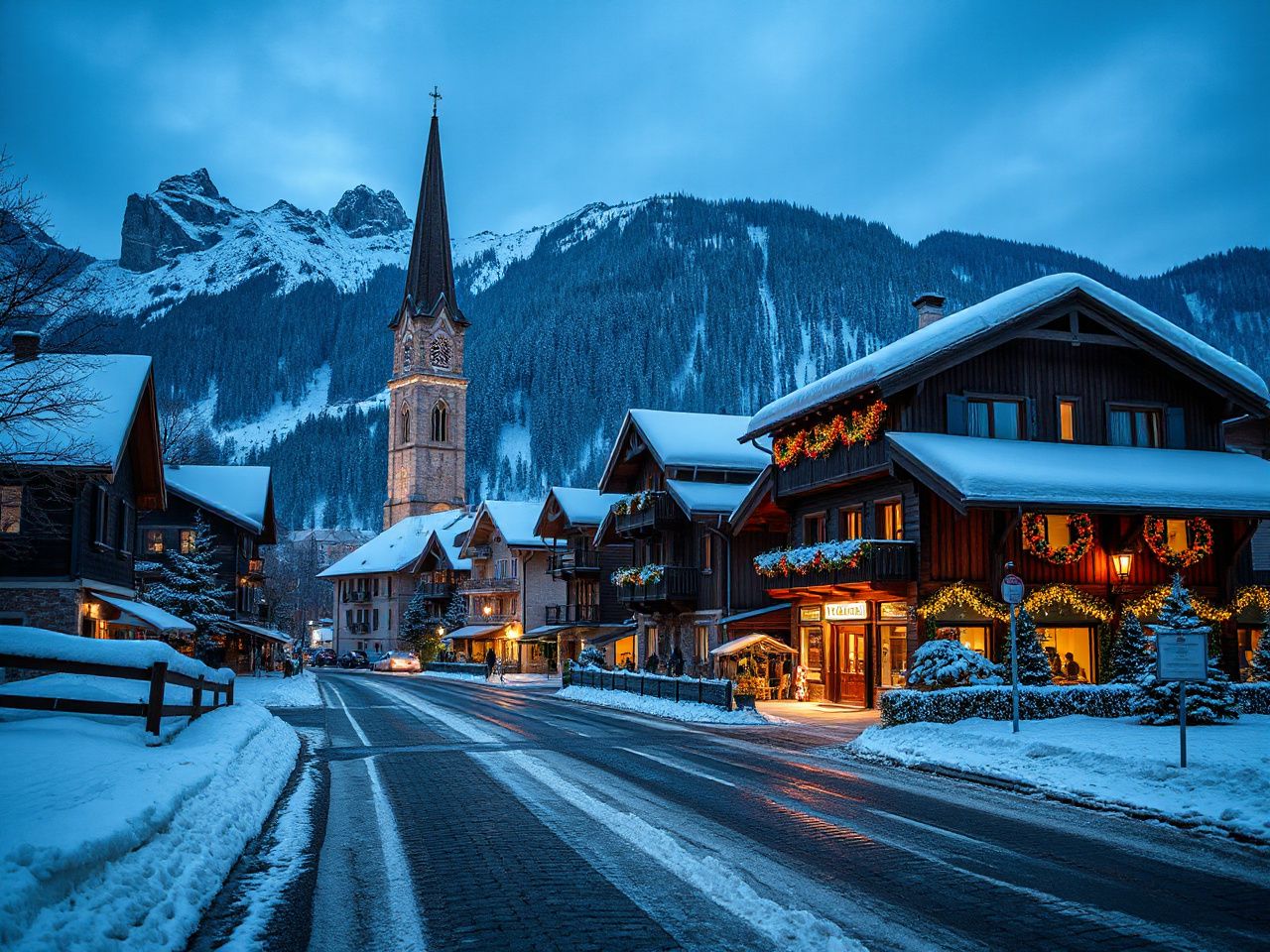
You’ve seen the photos: snow-dusted chalets, twinkling lights, and the warm glow of a Christmas market reflected on the cobblestones. But winter in the Swiss Alps has a way of rearranging plans—weather at altitude tests both the traveller and the timetable—and the moments that make the best stories are almost always the ones where something went wrong. Preparation doesn’t prevent adventure; it just gives you better options when it shows up. When you’re researching a Switzerland Christmas town, the real question isn’t which one looks prettiest in a photograph. It’s whether you’re ready for the reality of winter travel at 1,600 meters.
Key Takeaways
- Most Swiss Christmas towns sit above 1,000 meters; weather can shift from clear to whiteout in under 20 minutes, making proper winter gear non-negotiable.
- Public transport is the smartest and safest option for most visitors—Swiss trains run on time even in heavy snow, and many Christmas markets are pedestrian-only.
- Altitude and cold affect energy levels more than you expect. Plan for shorter days, earlier sunsets (around 4:30 PM in December), and limited daylight for sightseeing.
- Not all Christmas towns are created equal for accessibility. Some, like Zermatt, are car-free; others require careful route planning for winter driving conditions.
Why the Switzerland Christmas Town Experience Demands Real Planning
Every year, travelers arrive in towns like Montreux, Zurich, or Lucerne expecting a fairy tale, only to find themselves shivering in a crowded square, paying 8 CHF for a lukewarm mulled wine. The magic is real—but it’s fragile. As someone who assesses risk for a living, I can tell you that the biggest threat to your experience isn’t bad weather. It’s bad preparation.
When you pick a Switzerland Christmas town, you’re committing to a specific set of conditions. Altitude, temperature, and infrastructure all vary wildly. A town like Grindelwald sits at 1,034 meters and offers direct access to the Jungfrau region’s winter sports. Meanwhile, Lucerne at 436 meters is warmer but still gets its share of fog and drizzle. Knowing the difference matters.
Altitude and Its Real Effects on Your Visit
At elevations above 1,500 meters, the air holds roughly 15% less oxygen than at sea level. This doesn’t just affect athletes—it affects your energy, your sleep, and your ability to enjoy walking between market stalls. You’ll tire faster, especially if you’re carrying bags or pushing a stroller.
Fit riders can struggle on mountain passes above 2,000 meters because of altitude fatigue. The same applies here. If you’re visiting a high-altitude Christmas town like Zermatt (1,620 meters) or St. Moritz (1,822 meters), plan for lighter days and more breaks. Your body needs 24 to 48 hours to adjust.
How to Choose the Right Switzerland Christmas Town for Your Skill Level
Not every traveler needs the same kind of experience. I categorize Switzerland’s Christmas towns the same way I categorize off-road trails: beginner, intermediate, and advanced. Each comes with different logistical demands and comfort levels.
Beginner-Friendly Towns: Easy Access, Low Risk
If this is your first winter trip to Switzerland, stick to towns with reliable public transport, flat terrain, and mild weather. Zurich and Lucerne are your best bets. Zurich’s main Christmas market at the Hauptbahnhof is indoors, which means you can enjoy the decorations without freezing. Lucerne’s market spreads along the lakefront and through the old town, with plenty of cafes to duck into when the cold bites.
Both cities have excellent train connections from Zurich Airport. You won’t need a car, and you won’t face the stress of winter driving. Temperatures in December average between -1°C and 4°C (30°F to 39°F). That’s cold, but manageable with a good winter jacket, gloves, and waterproof boots.
Intermediate Towns: More Charm, More Complexity
Towns like Montreux and Bern offer a richer Christmas atmosphere but require more planning. Montreux’s Christmas market runs along the lake, and while the views are stunning, the wind off Lake Geneva can drop the perceived temperature by 5°C to 10°C (9°F to 18°F). The wind chill factor is real and often underestimated.
Bern’s old town is a UNESCO World Heritage site, and its Christmas market on Waisenhausplatz is one of the most authentic in the country. But the cobblestones get icy, and the hills can be treacherous. Wear boots with serious traction to avoid slipping on those streets.
Advanced Towns: High Altitude, High Reward
If you want the postcard-perfect Christmas town—think Zermatt, Grindelwald, or Engelberg—you need to accept the trade-offs. These towns sit at altitude, are often car-free, and require careful transport planning. Zermatt, for example, has no cars. You arrive by train from Visp, and everything inside the town is walkable or served by electric taxis.
Snowfall in these towns is heavy and persistent. In December, Zermatt averages 40 cm (16 inches) of snow on the ground. Streets are cleared regularly, but side paths and steps can be slick. Daylight is short: sunrise around 8:00 AM, sunset around 4:45 PM. Plan your activities between those hours.
Getting Around: The Real Logistics of a Switzerland Christmas Town Visit
Switzerland’s public transport system is legendary for a reason. The Swiss Travel System runs trains, buses, and boats with precision. For Christmas town visits, the Swiss Travel Pass is usually the most cost-effective option. It covers unlimited travel on most routes, including the scenic Glacier Express and GoldenPass Line, plus free entry to over 500 museums.
But here’s what most guides won’t tell you: trains can get packed during peak Christmas weeks, especially on weekends. If you’re traveling between December 20 and January 5, book seat reservations in advance for popular routes like Zurich to Zermatt or Lucerne to Interlaken. Without a reservation, you might stand for two hours.
Driving to a Switzerland Christmas Town: What You Need to Know
Driving in the Swiss Alps in winter is not for beginners. I’ve ridden through snowstorms on mountain passes, and I can tell you that conditions change fast. If you decide to rent a car, you need winter tires—they’re mandatory by law from November through April. Snow chains are also required in some areas, and rental agencies often charge extra for them.
Roads like the Grimsel Pass and Furka Pass close entirely in winter. Even open roads can close with little notice due to avalanche risk. Always check road conditions on the Touring Club Switzerland (TCS) website before heading out. And never drive through a tunnel that shows a red X—those signals are there for a reason.
What to Pack for a Switzerland Christmas Town (According to a Risk Assessor)
Most packing lists for Switzerland focus on aesthetics: cute hats, fashionable scarves, and Instagram-worthy coats. I’m going to give you the list that keeps you safe and comfortable.
- Insulated, waterproof boots with a minimum 200 grams of Thinsulate or equivalent. Your feet will be standing on cold stone or snow for hours.
- Base layer: Merino wool or synthetic, not cotton. Cotton holds moisture against your skin and will make you cold the second you stop moving.
- Mid layer: Fleece or lightweight down jacket. This traps heat and can be removed if you go indoors.
- Outer shell: Windproof and waterproof. Down alone won’t cut it if the wind picks up.
- Gloves: Two pairs. A thin liner pair for taking photos and a heavier pair for warmth.
- Neck gaiter or balaclava: A scarf works, but a gaiter seals better against wind.
- Hand and foot warmers: Disposable packets that last 6-8 hours. Cheap insurance against a ruined evening.
Safety Considerations Most Travel Writers Ignore
Assessing risk on remote trails provides a useful framework for urban winter travel. Here are the hazards that rarely make it into glossy magazine features:
Hypothermia and Frostbite Are Real Risks
At temperatures below -5°C (23°F), exposed skin can develop frostbite in under 30 minutes. Wind speeds of 15 km/h (9 mph) or higher multiply this risk. The signs are subtle at first: numbness, a pale or waxy appearance to the skin, and a feeling of clumsiness in the fingers. If you notice any of these, get indoors immediately.
Hypothermia sets in when your core temperature drops below 35°C (95°F). Early symptoms include shivering, confusion, and drowsiness. If someone in your group seems unusually quiet or clumsy, check on them. Hypothermia can kill even in urban environments.
Dehydration in Winter
Cold air is dry air. You lose moisture through your breath faster than you realize, and you don’t feel thirsty because your body’s thirst response is dulled in cold conditions. Drink water regularly, even if you don’t feel like it. Alcohol and caffeine are diuretics—they’ll make dehydration worse.
Crowds and Pickpocketing
Christmas markets are crowded, and crowds attract thieves. Switzerland has relatively low crime rates, but pickpocketing does happen, especially in Zurich and Geneva. Keep your wallet in a front pocket or use a money belt. Backpacks should be zipped and worn on your front in dense crowds.
The Best Switzerland Christmas Town for Different Travel Styles
Based on my assessment of risk, accessibility, and overall experience, here’s how the top towns break down:
For the Romantic Couple: Montreux
The Montreux Christmas Market runs from late November to December 24. It stretches along the lakeside promenade, with the Alps as a backdrop. The atmosphere is intimate, and the lighting is spectacular. The downside: it can get windy, and the market closes relatively early on weeknights (around 8:00 PM).
For the Family: Zurich
Zurich’s main market at the Hauptbahnhof is indoors, heated, and has a dedicated children’s area with a carousel and craft workshops. The Wienachtsdorf market at Sechseläutenplatz is outdoors but family-friendly, with a skating rink and plenty of space for kids to run. Public transport is easy, and there are hotels at every price point.
For the Adventurer: Zermatt
Zermatt is the ultimate Christmas town if you want snow, mountains, and winter sports. The village is car-free, the air is clean, and the views of the Matterhorn are unmatched. But it’s expensive, and the altitude will hit you if you’re coming from sea level. Plan for at least three days to acclimatize and explore.
For the Budget-Conscious: Bern
Bern is often overlooked in favor of Zurich or Lucerne, but its Christmas market is authentic, less crowded, and cheaper. The old town is a maze of medieval streets, and the market on Waisenhausplatz features local crafts and food. Hotels are generally less expensive than in Zurich, and the train station connects to the airport in under 90 minutes.
Frequently Asked Questions
What is the most magical Christmas town in Switzerland?
That depends on what you’re looking for. For a classic alpine Christmas with heavy snow and mountain views, Zermatt is unmatched. For a lakeside market with a more cosmopolitan feel, Montreux wins. For a compact, walkable old town with a strong local culture, Bern is the dark horse. If you want convenience and variety, Zurich offers the most options under one roof.
Is it safe to drive to a Swiss Christmas town in winter?
It can be safe if you’re prepared, but it’s not recommended for inexperienced winter drivers. You must have winter tires, carry snow chains, and check road conditions daily. Many high-altitude passes close in winter. For most visitors, the train is the safer, less stressful choice. If you do drive, stick to main roads and avoid driving after dark when ice forms quickly.
When do Swiss Christmas markets open and close?
Most Christmas markets in Switzerland run from late November to December 24. Some, like Zurich’s main market, open as early as mid-November. Hours vary, but most operate from late morning (around 11:00 AM) until early evening (7:00 PM to 9:00 PM). Markets in smaller towns may close earlier. Always check the specific market’s website for exact dates and times, as they can change year to year.
What should I wear to a Switzerland Christmas town in December?
Dress in layers: a moisture-wicking base layer (merino wool or synthetic), an insulating mid layer (fleece or down), and a windproof, waterproof outer shell. Wear insulated, waterproof boots with good tread. Bring a hat, gloves, and a neck gaiter. The key is to stay dry—wet clothes will ruin your day faster than any temperature. Avoid cotton as a base layer; it holds moisture and accelerates heat loss.