Dispersed Camping MN: A Complete Guide for 2026
Contents
Have you ever pulled over on a remote forest road, killed the engine, and realized you were the only person for miles? That feeling of solitude is what draws many of us to dispersed camping. But finding a legal, safe spot in Minnesota requires more than just a map and a sense of adventure. I’ve ridden long enough to know that the gear you skip buying to save money is almost always the gear you regret not having when you need it most. Invest once, invest right. This guide covers everything you need to know about dispersed camping in MN, from understanding the rules to securing your site for the night.
Key Takeaways
- Dispersed camping in Minnesota is permitted on most National Forest and State Forest land, but not in State Parks or designated campgrounds.
- You must camp at least 200 feet from lakes, streams, and trails to protect water quality and wildlife.
- Pack out all trash and waste — leave no trace of your stay to keep these areas open for everyone.
Understanding Dispersed Camping in Minnesota
Dispersed camping means camping anywhere outside of a designated campground. In Minnesota, this is allowed on most public land managed by the U.S. Forest Service (Superior and Chippewa National Forests) and the Minnesota Department of Natural Resources (State Forests). It is not allowed in State Parks, State Recreation Areas, or within the Boundary Waters Canoe Area Wilderness (BWCAW) without a specific permit.
The key rule is simple: you can camp wherever you want, as long as you’re not in a prohibited area. But ‘wherever you want’ comes with responsibilities. You must camp at least 200 feet away from any lake, stream, river, or developed trail. This distance helps protect fragile shorelines and keeps your camp hidden from other users. In the Superior National Forest, you are also required to camp at least 200 feet from any forest road, unless you are in a designated motorized camping area.
How to Find a Legal Dispersed Campsite in MN
Finding a good spot takes a bit of planning. Here is a step-by-step approach for scouting a secure overnight stop on a motorcycle trip.
Step 1: Choose Your Forest
Start by deciding which public land you’ll visit. The two largest options are the Superior National Forest (northeast) and the Chippewa National Forest (north-central). Both have extensive networks of gravel roads and two-tracks where dispersed camping is generally allowed. State Forests like Finland State Forest or George Washington State Forest also permit it, but check local signage because some areas have seasonal closures.
Step 2: Use Motor Vehicle Use Maps (MVUMs)
The Forest Service publishes Motor Vehicle Use Maps for each ranger district. These maps show which roads are open to motorized vehicles and where you can legally pull off to camp. You can download them for free on the Forest Service website or pick up a paper copy at any ranger station. Carrying a paper map is recommended since cell service is spotty at best in the north woods.
Step 3: Scout During Daylight
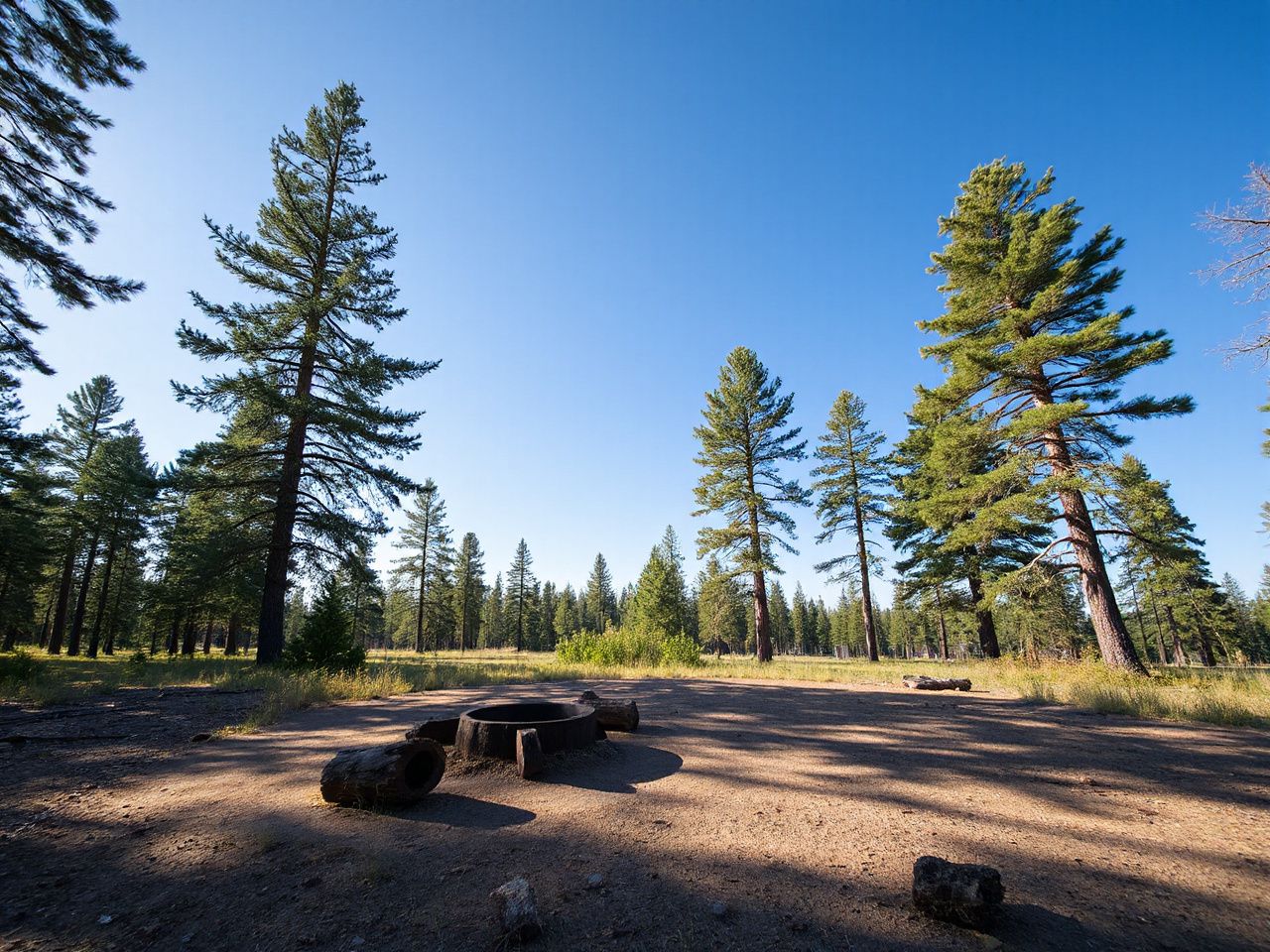
Never try to find a campsite after dark. The forest roads can be narrow, and what looks like a solid pullout might be a muddy bog or a seasonal washout. I aim to arrive at my target area by 4:00 PM to give myself a full two hours of daylight to find the perfect spot. Look for a flat, dry area that is already disturbed — a previous fire ring or tire tracks are good signs.
Essential Gear for a Secure Dispersed Camp
Every camp setup should be evaluated with an eye for theft prevention and safety. Here is the gear that matters most.
Motorcycle Security
If you are riding into your campsite, your bike is your most valuable asset. I never leave my bike unlocked, even if I’m just walking 50 feet to collect firewood. A heavy-duty disc lock with an alarm is a good first step. For overnight stops, I use a ground anchor — a steel plate with a loop that you can stake into the ground — and a 10mm braided steel cable looped through the frame. This setup makes it nearly impossible for someone to roll the bike away without power tools.
Shelter and Sleep
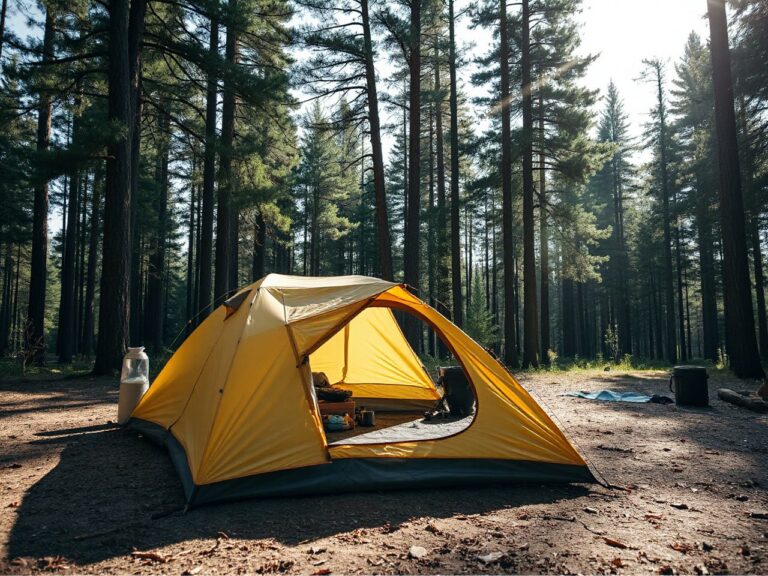
A four-season tent is overkill for most Minnesota summers, but a three-season tent with a full rain fly is essential. Even in July, northern Minnesota can see overnight lows in the 40s Fahrenheit, and a sudden thunderstorm can soak everything you own. A tent with a footprint and a bathtub floor helps keep moisture out. Bring a sleeping bag rated to at least 20°F below the expected low temperature — a 20°F bag is a safe bet for most summer nights.
Water and Food
There are no water spigots in the backcountry. You must bring your own water or treat water from a natural source. A 4-liter water bladder and a backup 1-liter bottle are useful. For treatment, a pump filter or UV pen works well for lakes and streams. Store all food in a bear-resistant container or hang it in a tree at least 100 feet from your tent. Black bears are active throughout the state, and a food bag left on the ground is an invitation for trouble.
Leave No Trace and Fire Safety
Dispersed camping in Minnesota is a privilege, not a right. The forests stay open to this type of camping only because campers follow the rules. Here are the non-negotiable practices.
Human Waste
There are no toilets. You must pack out all solid waste or bury it. The accepted method is to dig a cat hole at least 6 inches deep and 200 feet from any water, trail, or camp. Pack out all toilet paper and hygiene products in a sealed bag. In the Superior National Forest, some areas require you to pack out all waste using a WAG bag — check local regulations before you go.
Campfires
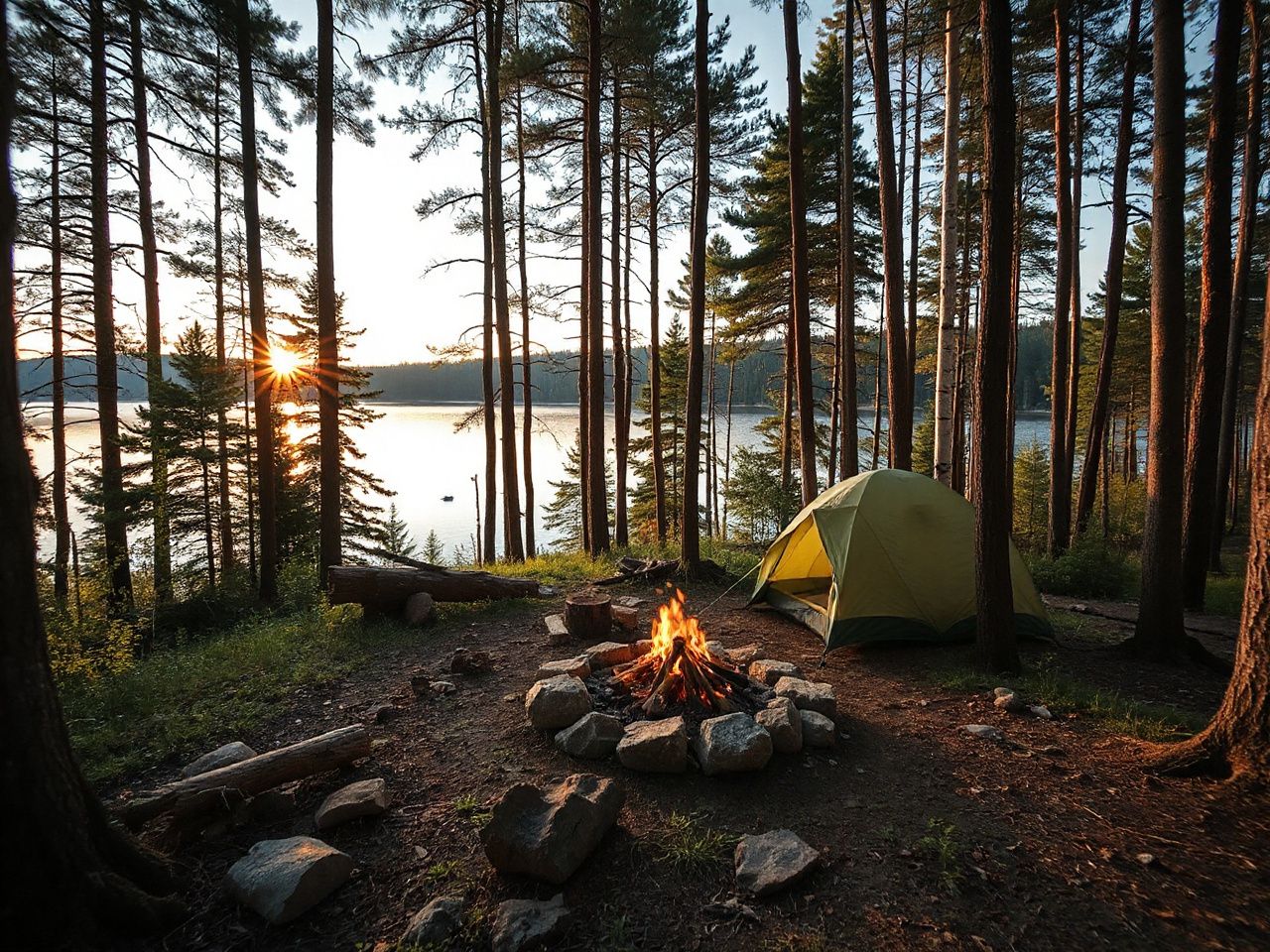
Campfires are allowed in most areas unless there is a fire ban. Always check the current fire danger level on the Minnesota DNR website before you leave. If you build a fire, use an existing fire ring if one is present. Keep the fire small — 2 feet in diameter is plenty. Never leave a fire unattended, and drown it completely with water before you leave. Stir the ashes and feel them with your bare hand to make sure they are cold.
Trash
Pack it in, pack it out. Every single piece of trash, including food scraps, food wrappers, and cigarette butts, must leave with you. I use a heavy-duty trash bag and tie it to my bike’s luggage rack during the day. At night, I store it in a bear canister or hang it with the food. A single candy wrapper left on the ground can attract animals and lead to a site being closed to future campers.
Navigating the Rules by Forest
Each forest has slightly different rules. Here is a quick breakdown of the major areas.
Superior National Forest
Dispersed camping is allowed on all National Forest land except within the BWCAW, developed recreation sites, and areas marked with ‘No Camping’ signs. You can camp up to 14 days in one location before you must move. After moving, you must relocate at least 1 mile away before setting up a new camp. Motorized vehicles must stay on designated roads and trails — no cross-country riding to find a spot.
Chippewa National Forest
Same general rules as the Superior. Dispersed camping is allowed anywhere except in developed campgrounds and day-use areas. The Chippewa has more lakes than the Superior, so pay extra attention to the 200-foot setback from water. The forest also has a 14-day stay limit and requires motorized vehicles to stay on designated routes.
Minnesota State Forests
State Forests have slightly more relaxed rules. You can camp anywhere on State Forest land for up to 14 days in a 30-day period. Motorized vehicles are allowed on all forest roads and trails unless posted otherwise. However, some State Forests have designated ‘Dispersed Camping Areas’ where you must camp in a specific spot — check the DNR website for the forest you plan to visit.
Frequently Asked Questions
Do I need a permit for dispersed camping in Minnesota?
No permit is required for dispersed camping on National Forest or State Forest land. However, you must have a valid Minnesota State Park vehicle permit if you are camping in a State Park, but dispersed camping is not allowed in State Parks. If you plan to camp in the BWCAW, you need a quota permit from the Forest Service.
Can I have a campfire while dispersed camping in MN?
Yes, you can have a campfire unless there is a fire ban in effect. Always check the current fire danger level on the Minnesota DNR website before you go. Use an existing fire ring, keep the fire small, and completely extinguish it before leaving. Never leave a fire unattended.
What is the best time of year for dispersed camping in Minnesota?
The best time is from late May through early October. May and June can be wet and buggy, but the wildflowers are beautiful. July and August offer the warmest weather and longest days. September and early October have cooler temperatures and fewer mosquitoes, but nights can drop below freezing. Winter dispersed camping is possible but requires specialized gear and experience.
Can I bring my dog dispersed camping in MN?
Yes, dogs are allowed on National Forest and State Forest land. They must be under control at all times, either on a leash or within sight and voice command. Always clean up after your dog and pack out the waste. In the Superior National Forest, dogs are not allowed in the BWCAW.
What should I do if I encounter a bear while dispersed camping?
Stay calm and do not run. Make yourself look larger by raising your arms and speaking in a firm, calm voice. Back away slowly while facing the bear. Do not turn your back. If the bear approaches, use bear spray if you have it. Store all food and scented items in a bear-resistant container or hang them at least 100 feet from your tent.