Free Camping in Maryland: Your Complete Guide
Contents
Picture rolling into Maryland on a late autumn afternoon with a motorcycle loaded with more optimism than planning. The sun is dropping fast, there is no reservation, no campground in mind, just a vague hope of finding a quiet spot to throw down a sleeping bag. That is the situation free camping in Maryland punishes hardest, because the state’s public land is fragmented into small parcels and most of the legal options stop admitting anyone at dusk. The trips that make the best stories are almost always the ones where something went wrong, and that is an argument for preparation rather than against it. Preparation doesn’t prevent adventure — it just gives you better options when it shows up, and knowing in advance where the legal ground actually sits turns that evening from a crash course in resourcefulness into an ordinary night out.
Key Takeaways
- Free camping in Maryland is primarily available on state-managed lands like State Forests and Wildlife Management Areas, with specific rules for dispersed camping.
- You must plan for water, waste, and fire safety since most free sites lack amenities like restrooms or potable water.
- Seasonal restrictions and fire bans vary by location, so always check with the managing agency before heading out.
Understanding Free Camping Options in Maryland
Maryland might be a small state, but its public lands offer real opportunities for no-cost overnight stays. The most reliable free camping in Maryland happens on land managed by the Maryland Department of Natural Resources, specifically State Forests and Wildlife Management Areas. Unlike designated campgrounds, these spots require you to be self-sufficient.
State Forests: Your Best Bet for Dispersed Camping
Maryland’s State Forests — including Savage River, Green Ridge, and Potomac-Garrett — allow primitive camping at no charge. You can set up camp anywhere that’s at least 100 feet from trails, water sources, and roads. The key is to practice Leave No Trace ethics: pack out everything, use existing fire rings, and keep your group small.
At Savage River State Forest, which covers over 50,000 acres, you’ll find plenty of secluded spots along forest service roads. Camping near the Savage River offers the sound of water moving over rocks — a natural ambiance no paid campground can improve. Just remember that cell service is spotty throughout these areas, so download maps ahead of time.
Wildlife Management Areas (WMAs)
Maryland’s WMAs offer another avenue for free camping in Maryland, though rules differ by location. Generally, primitive camping is allowed during hunting seasons for hunters, but many WMAs permit overnight stays year-round for non-hunters as well. Check the specific WMA regulations online before you go. Popular WMAs include McKee-Beshers and Leidigh, both near the Potomac River.
Legal Considerations and Regulations
Free camping in Maryland isn’t a free-for-all. Each managing agency has its own set of rules, and ignoring them can result in fines or being asked to leave. Understanding these regulations keeps you legal and protects the land for everyone.
Length of Stay Limits
Most State Forests limit primitive camping to 14 consecutive days at a single site. After that, you must move at least 5 miles away before setting up again. This prevents long-term occupation and keeps sites available for others. Wildlife Management Areas typically have a 7-day limit, though some may allow longer stays during off-season.
Fire Restrictions
Open fires are allowed only in existing fire rings or metal fire pans. During dry periods, burn bans may be issued — check the Maryland DNR website before lighting any match. A lightweight camp stove is recommended for cooking regardless of fire conditions; it is faster, cleaner, and does not rely on finding dry wood.
Hunting Season Awareness
From September through January, many public lands are active with hunters. Wear blaze orange even if you’re not hunting — a cheap safety vest can save your life. Avoid camping near game trails or food plots, and make noise when moving around your site. It is important to be cautious near deer paths and other wildlife routes during hunting season.
Essential Gear for Free Camping in Maryland
Without the amenities of a paid campground, your gear becomes your lifeline. Free camping in Maryland demands a lightweight, reliable setup that can handle everything from humid summer nights to chilly spring mornings.
Shelter and Sleep System
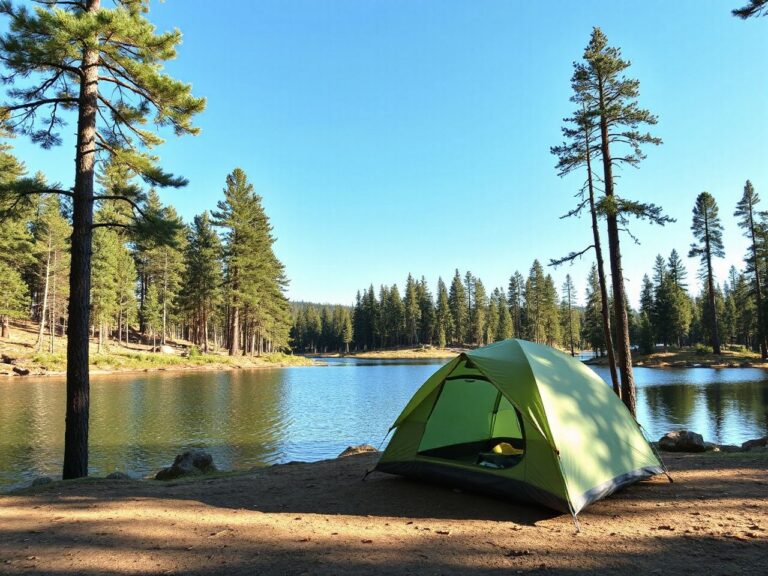
A three-season tent or hammock with a rain fly is essential. Maryland’s weather changes fast — frost in May and thunderstorms in August are both possible. Your sleeping bag should be rated to at least 20°F (about -6°C) for spring and fall trips. An insulating pad with an R-value of 4 or higher prevents heat loss through the ground.
Water Filtration
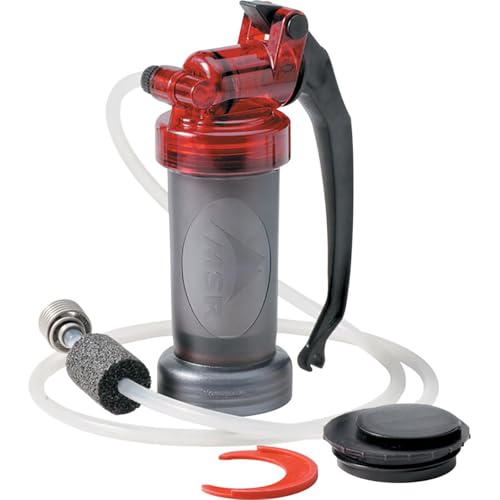
Since free sites rarely have potable water, a reliable filter is non-negotiable. A lightweight pump filter rated to 0.2 microns removes bacteria and protozoa. For streams with heavy sediment, a pre-filter or settling bag helps extend the filter’s life. Boiling water for 1 minute at a rolling boil also works, but requires fuel and time.
Navigation Tools
Cell coverage is unreliable in Maryland’s forests. Carry a physical map of the area and a compass — or a GPS device with downloaded topo maps. The Avenza Maps app handles this well, since it draws georeferenced topo maps straight from local storage and needs only the phone’s GPS chip rather than a signal, but always keep a paper backup. Getting lost after dark is not an adventure; it’s a hazard.
Finding Dispersed Campsites
Locating a good free campsite takes practice. The best sites are flat, dry, and at least 200 feet from any water source to protect riparian areas. Look for signs of previous use — old fire rings, flattened ground, or cleared brush — but avoid creating new sites if possible.
Using Mapping Tools
The Maryland DNR website provides interactive maps of State Forests and WMAs, showing boundaries, roads, and trailheads. Google Maps satellite view can help identify clearings near forest roads. For more detail, the National Geographic Trails Illustrated maps for Maryland’s western region show topography and land ownership.
Roadside Camping on Forest Service Roads
Many forest service roads in Savage River and Green Ridge State Forests have pull-offs suitable for a single vehicle and tent. These spots are often used by hunters and fishermen, so expect some noise during season. Park completely off the road and avoid blocking gates or turnarounds. Some pull-offs near Fifteen Mile Creek remain quiet and available for camping.
Trailside Camping
For those hiking into backcountry, trailside camping is allowed on most State Forest trails. Set up at least 100 feet from the trail to maintain privacy for other users. The Catoctin Trail and the Maryland section of the Appalachian Trail both have primitive sites, though the AT requires a permit for overnight parking at some trailheads.
Seasonal Considerations for Free Camping
Maryland’s four seasons each bring different challenges and rewards for free camping. Knowing what to expect helps you pack appropriately and avoid surprises.
Spring (March to May)
Spring brings rain, mud, and fluctuating temperatures. Nights can drop to 30°F (about -1°C) in March, while May afternoons reach 70°F (about 21°C). Waterproof gear is essential. Ticks are active from April onward, so treat your clothing with permethrin and check yourself daily.
Summer (June to August)
Summer is humid and buggy. Mosquitoes are relentless near water, so bring a head net and DEET-based repellent. Afternoon thunderstorms are common — set up your tent on high ground to avoid flash flooding. Temperatures range from 60°F to 90°F (about 16°C to 32°C).
Fall (September to November)
Fall offers the best weather for free camping in Maryland: cool nights, low humidity, and fewer insects. Leaf peeping season draws crowds to popular areas, so arrive early for the best sites. Hunting season peaks in November, so wear blaze orange without exception.
Winter (December to February)
Winter camping is for the adventurous. Snow is common in western Maryland, with temperatures dropping below 20°F (about -6°C). Many forest roads are gated or impassable. Carry a shovel and extra fuel for melting snow. The solitude is unmatched, but the margin for error is thin.
Leave No Trace and Stewardship
Free camping in Maryland depends on campers respecting the land. Overuse has led to closures in some areas, so every visitor plays a role in keeping these sites open.
Pack It In, Pack It Out
Carry a trash bag for all waste, including food scraps and biodegradable items. Bury human waste in a cathole 6 to 8 inches deep, at least 200 feet from water and trails. Pack out used toilet paper in a sealed bag.
Minimize Campfire Impact
Use existing fire rings instead of building new ones. Keep fires small and burn only dead wood found on the ground. Never cut live trees or branches. Before leaving, drown the fire with water and scatter the cold ashes.
Respect Wildlife
Store food in bear-resistant containers or hang it from a tree at least 10 feet off the ground and 4 feet from the trunk. Maryland’s black bears are active in western forests. Avoid approaching or feeding any animals.
Frequently Asked Questions
Can I camp for free on any public land in Maryland?
No. Free camping in Maryland is restricted to specific State Forests and Wildlife Management Areas. National parks, state parks, and county parks generally require paid permits or reservations. Always check with the managing agency before setting up camp.
Do I need a permit for free camping in Maryland State Forests?
Most State Forests do not require a permit for primitive camping, but some may ask you to register at the forest headquarters. Green Ridge State Forest, for example, has a self-registration process for dispersed sites. Check the specific forest’s website for current rules.
Is it safe to camp for free in Maryland alone?
Yes, but preparation is key. Tell someone your itinerary, carry a first aid kit, and know the area’s hazards like wildlife and weather. Solo camping can be deeply rewarding if you respect your limits and plan for emergencies.
Can I have a campfire at a free campsite in Maryland?
Open fires are allowed only in existing fire rings or metal fire pans. During burn bans, which occur during dry spells, all fires are prohibited. Check the Maryland DNR fire restrictions page before your trip. A camp stove is a reliable backup.
What should I do if I encounter a bear while free camping in Maryland?
Stay calm. Do not run. Make yourself look larger by raising your arms, and speak firmly. Back away slowly while facing the bear. Store all food and scented items away from your sleeping area. If a bear approaches your camp, make noise to scare it off.