Scotland Train Trips: A Practical Look for 2026
Contents
Scottish rail travel splits into three experiences: ordinary ScotRail services through spectacular scenery, a bookable heritage steam train, and an overnight sleeper that’s a journey in itself. Most Scotland train trips go wrong when a traveler treats them as one product, turns up at a remote station expecting a second train within the hour, or assumes a ScotRail ticket covers the steam service. Plan around connections, seasonal operation and single-track timetables first. Then choose the views.
Key Takeaways
- Three separate products: ScotRail scenic services, the Jacobite steam train and the Caledonian Sleeper each have their own operator, booking system and rules.
- Single-track lines mean thin timetables: missing one train on the Far North, Kyle of Lochalsh or West Highland lines can cost most of a day.
- Book fixed-capacity items first: the steam train, sleeper berths and island ferries sell out, while ordinary scenic seats are mostly first come, first served.
- Build in slack: weather, engineering work and landslips can close a line, so leave buffer time before any ferry or bus onward.
What Are the Three Kinds of Scottish Rail Journey?
Scotland has three distinct rail experiences, and each is bought and run differently. Get the split straight before you look at a single route. That alone saves you from most of the common booking errors.
ScotRail scenic services
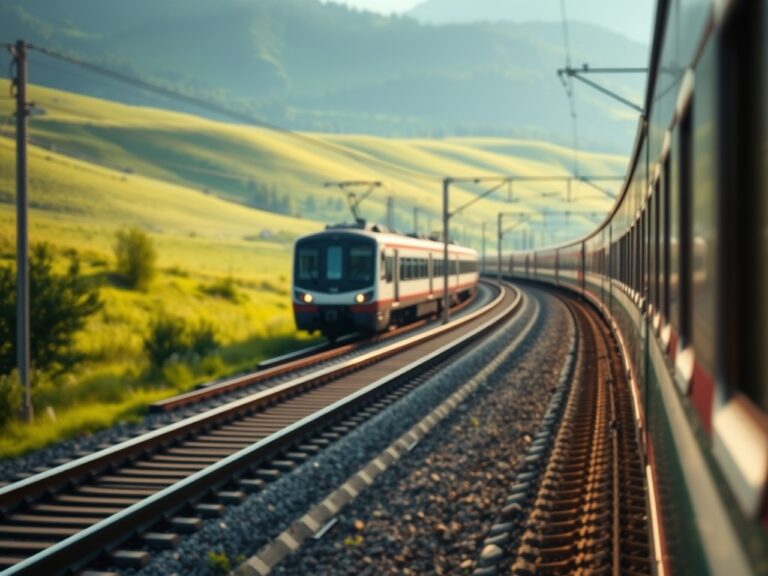
ScotRail runs the everyday trains, several of which pass through some of the best landscape in Britain. The West Highland Line, the Kyle of Lochalsh line and the Far North Line are working railways locals use for shopping, school and work. They carry ordinary rolling stock, ordinary fares and, on many services, no seat reservations.
On a busy summer departure, the best window seats go to whoever boards first. So arriving early at the platform is the safest seat strategy.
Heritage steam: the Jacobite
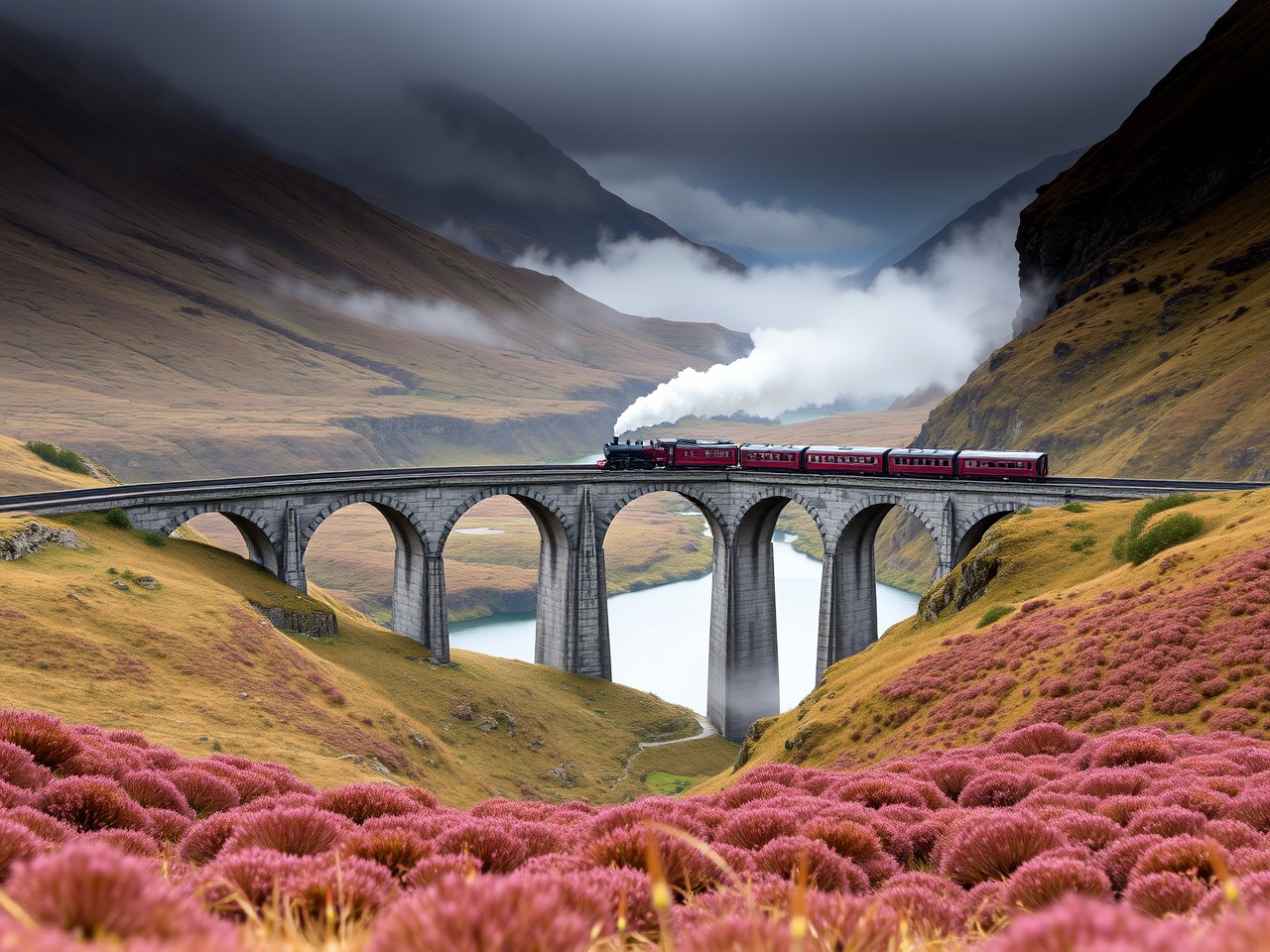
The Jacobite steam train is a seasonal heritage service operated separately from ScotRail. A ScotRail ticket doesn’t cover it, and many passes don’t either. So it needs its own booking. Its route follows the West Highland line and crosses the Glenfinnan Viaduct, which is the reason it sells out.
The Caledonian Sleeper
The Caledonian Sleeper is a separate operator with its own booking and berth types. It isn’t an ordinary ScotRail ticket with a bed added. Accommodation, fares and rules all sit on the sleeper operator’s website. The product is built around an overnight run between London and Scotland.
A heritage steam ticket and a ScotRail ticket are different contracts. Holding one gives no right to travel on the other.
Which Scenic Routes Are Worth Doing With Only a Few Days?
With a few days, the West Highland Line is the strongest single choice. The Kyle of Lochalsh line and the Far North Line follow, for travelers willing to go further. For a half day, the Borders Railway works as an easy add-on.
The West Highland Line
The West Highland Line runs from Glasgow toward Fort William and on to Mallaig. Along the way, it crosses open moor, runs beside lochs and reaches the coast, which is why it appears on most shortlists. Mallaig is a ferry port too, so the line doubles as a gateway toward Skye and the small isles.
Fort William makes a natural overnight stop. It has walking access to the surrounding hills, and the station works as a base for the steam train and the Mallaig branch.
The Kyle of Lochalsh line
The Kyle of Lochalsh line crosses the Highlands from Inverness to the west coast. It’s quieter and slower than the West Highland Line. With a thin timetable, one missed service reshapes the day. Kyle of Lochalsh sits close to Skye, but the onward leg usually needs a bus. Check that connection before committing.
The Far North Line
The Far North Line heads from Inverness up to Thurso and Wick, and it crosses the Flow Country on the way. It’s a long journey with few trains. That suits travelers who enjoy the ride itself. Thurso and Wick are termini. Beyond them, there’s nowhere to go except by bus or road, so the return needs planning from the start.
The Borders Railway
The Borders Railway leaves Edinburgh. It runs south through the Borders. For anyone without a car, it’s a practical day trip, and it suits travelers who want a gentler rail outing rather than a full Highland day.
Do You Need to Book the Jacobite Steam Train in Advance?
Yes, the Jacobite needs advance booking. It’s a seasonal, limited-capacity heritage service with its own ticketing. A ScotRail ticket doesn’t give you a seat on it. So a traveler who turns up expecting a walk-on fare risks finding nothing available.
The train sells out for a simple reason. A steam train has a fixed number of seats and a short operating season. Demand concentrates on the peak dates. The Glenfinnan Viaduct crossing is the main draw. That fame pulls bookings well ahead of departure.
Steps for booking the steam service
- Confirm the operating season. The Jacobite is seasonal, so check which dates run before building a trip around it.
- Book directly with the operator. Use the steam operator’s own site, not a ScotRail booking page.
- Check the class and seat type offered, and what it includes.
- Plan the base town first. Secure accommodation near the departure point before the ticket, since beds fill alongside seats.
- Keep the confirmation accessible offline, because signal is patchy in the Highlands.
Can you see the viaduct and the train without riding it?
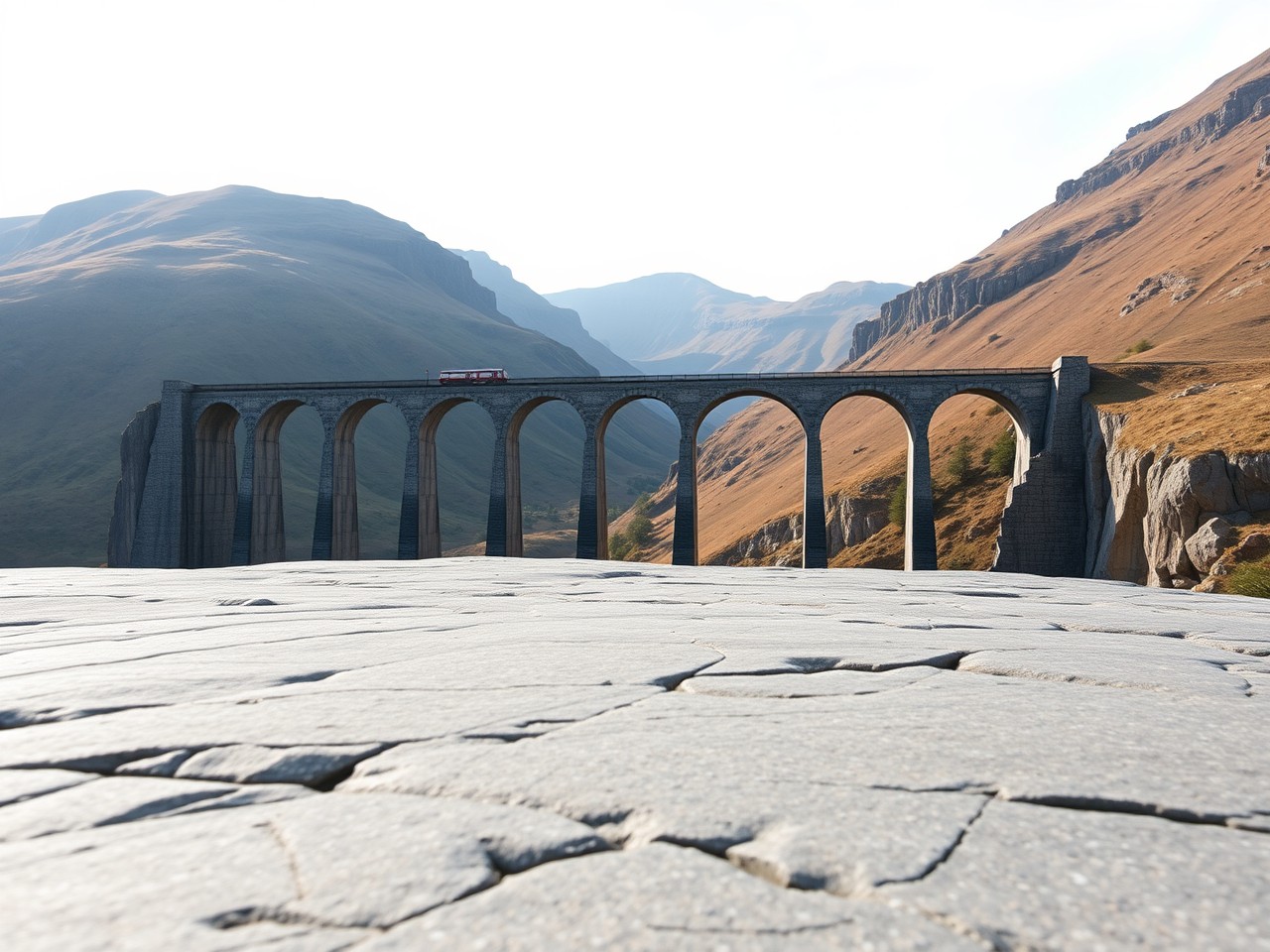
Yes, Glenfinnan Viaduct and the Jacobite can be seen properly from the ground without a ticket. Visitors walk to the established viewpoints near the viaduct and wait for the train to cross. Crowds gather on peak days. So allow plenty of time to walk in and settle before the scheduled crossing.
Watching from outside also solves a quiet problem for riders. You can’t photograph the viaduct from the train that’s crossing it. Some travelers book the ride and separately visit the viewpoint on a different day to get both views.
How Do the Steam Trains Differ From ScotRail Scenic Services?
ScotRail scenic services are working public transport. The Jacobite is a heritage experience sold as an excursion, and the gap shows up in booking, flexibility and what the ticket covers.
- Booking: the steam train needs its own reservation; ScotRail services often sell on the day, with reservations not always offered.
- Passes and tickets: a ScotRail ticket does not cover the steam service, and many passes do not either.
- Flexibility: a flexible ordinary ticket lets you take a later train; a steam ticket is tied to its departure.
- Season: the steam train is seasonal, while ScotRail runs through the year.
- Purpose: one gets you to places, the other is the destination.
Travelers who want the same scenery without the cost and the sell-out risk can ride the same corridor on a regular ScotRail train. The scenery is shared; the steam locomotive and the viaduct crossing at a set time are what the extra booking buys.
Which Side of the Train Gives the Best Views on the West Highland Line?
Which side is better depends on the direction of travel and the section of line. No single side wins the whole route. Views open on different sides as the line crosses moor, skirts lochs and reaches the coast.
Seat reservations aren’t always offered on ordinary scenic services, so the best seats are first come, first served. Stand where the doors open and board early. Pick a window seat on the side facing the water or open ground for the section you care about most. A route map or a ScotRail guide to the line helps you decide before the journey starts.
Moving seats mid-journey is realistic on a quiet train and impossible on a full one. On a busy summer service, commit to one side. Treat any switching as a bonus.
Is the Caledonian Sleeper Practical or a Novelty?
The Caledonian Sleeper is a practical way to reach Scotland from far away. It’s also a genuine experience in its own right, as long as you accept a fixed schedule and separate booking. Its route covers the Highlands as well as other Scottish destinations. So it works as a transport option. Not only a curiosity.
The practical case rests on time. Sleep through the long leg and you arrive in the morning with the day still ahead. It also saves a night’s accommodation. The trade-off is sleep quality and flexibility. A berth isn’t a hotel bed, and departures are fixed.
How the sleeper is booked
The sleeper is a separate operator. So the booking sits outside ScotRail’s system. Berth types differ, and the choice shapes both comfort and price. Look at the available accommodation types on the operator’s own site. Then check what’s included before you compare it with a daytime ticket.
Think of the sleeper like a ferry cabin booking. Capacity is limited, the better options go first, and changes follow the operator’s own rules. It’s the same logic that applies to any long-distance trip with a limited number of berths.
When the sleeper makes sense
- The traveler is starting far from Scotland and wants to arrive rested enough for a full first day.
- The itinerary is tight and a night in transit saves a hotel and a day.
- The journey itself is part of the point of the trip.
It makes less sense for travelers who need flexible timing or who sleep badly on trains. A daytime service gives freedom to change plans, which the sleeper doesn’t.
Can You Combine Scotland Train Trips With Ferries to the Islands?
Yes, rail and ferry combine well for Skye, Mull and the Hebrides. The catch is that each leg has its own timetable, so the connections need planning. Some island and remote destinations need onward ferry or bus connections. Weather, engineering work or landslips can disrupt them, so check current status before traveling.
Common rail-to-ferry links
- Mallaig: the West Highland Line ends here, and ferries leave for Skye and the small isles.
- Oban: a rail terminus with ferries to Mull and the Outer Hebrides.
- Kyle of Lochalsh: the rail terminus close to Skye, where the onward leg is typically by bus.
- Thurso: the Far North Line terminus, with the ferry crossing toward Orkney from the north coast.
Ferries run on their own schedules and can be cancelled in rough weather. Book ferry sailings early for the busy season. Keep tickets flexible where the operator allows. Never schedule a ferry departure tight against a train arrival. A late train and a missed sailing on a once-a-day route can cost a full day.
The slack rule
Leave a buffer of at least one full connection window between rail arrival and ferry departure, and carry a fallback plan, such as an extra night near the port. A traveler with slack absorbs a delay; a traveler without it loses the booking. Anyone considering a road alternative can weigh the trade-offs in a Highlands driving plan, which often suits island hopping where the train network runs out.
How Do Rail Passes and Railcards Work for Visitors?
Rail passes and railcards reduce fares only on the services and conditions they cover, so check the exact terms before buying. Whether a pass pays off depends on how many rail days the trip includes and which operators it covers.
The main rule is that passes cover ScotRail-style services but often exclude the steam train and the Caledonian Sleeper. Both sell on their own terms. For a trip made of two or three long journeys, an Advance ticket booked early may beat a pass.
Do the sums for the specific itinerary: list each leg, price it as an Advance fare and as part of a pass, and compare. National Rail’s own site at nationalrail.co.uk is the place to check current fares and ticket types across the British network. Another example of how rail products differ by journey is the planning logic in the Switzerland holiday rulebooks guide. It shows how pass coverage can vary by service.
What About Luggage on Smaller Scenic Trains?
Luggage space on smaller scenic trains is limited, so travelers should pack light and keep bags manageable. Many scenic services use ordinary carriages. They’ve got overhead racks and a few spaces near the doors, not dedicated luggage vans.
- Pack one main bag that one person can lift into a rack without help.
- Use a day bag for the journey and leave the bulk in a hotel on multi-stop trips.
- Board early on busy departures, because racks and floor space fill with the seats.
- Check the operator’s rules for bulky items such as bicycles, which often have separate conditions.
Anyone moving heavy gear or a lot of luggage across Scotland should think about shipping ahead to the accommodation or picking a transport method that suits the load. Carriages are built for passengers, not freight.
How Reliable Are Scottish Trains in Winter?
Scottish trains run through winter. But weather and landslips can close lines, so travelers need flexible plans. Remote single-track routes feel disruption most, since there’s no easy alternative once a section shuts.
Network Rail looks after the track and structures. It carries out engineering work and repairs after slips and damage. The Office of Rail and Road is the regulator that oversees the railway. When a line closes, replacement buses may run instead. The journey time changes with them.
How to protect a winter trip
- Check live status on the day before and the morning of travel.
- Keep tickets flexible where the fare rules allow changes.
- Avoid tight links to ferries and the sleeper after a long rural leg.
- Carry food and warm clothing in case of delay on a quiet line.
- Have a backup base so a closure means a hotel night, not a stranded evening.
Where Can You Stay Overnight Along the Routes?
Overnight stops work best in towns that sit on the line. They need services at both ends of the day. Breaking the journey also takes pressure off the thin timetables.
- Fort William: a base for the West Highland Line, the steam train and the hills nearby.
- Mallaig: useful before an early ferry toward Skye.
- Oban: convenient for Mull and Hebridean sailings.
- Inverness: the hub for the Kyle of Lochalsh and Far North lines.
- Thurso or Wick: the end of the Far North Line, handy for an early return.
Many of these stops have walking close to the station. A break in the journey can double as a hike. Book beds early for the summer season. Small towns have few rooms, and the steam train pulls demand into those same weeks.
Are There Good Train Day Trips From Edinburgh or Glasgow Without a Car?
Yes, both cities have worthwhile rail day trips that need no car. They suit travelers who want scenery without long-distance planning. The Borders Railway from Edinburgh is the clearest one. You can sample the West Highland Line from Glasgow on a longer day.
For a day trip, the main rule is to check the last train home before you leave. Services on rural routes thin out in the evening, and a missed return can force an unplanned night. A comparable city-to-city rail day is laid out in the San Francisco to Los Angeles train guide. It shows how to weigh a scenic route against a quicker one.
Day trips also suit walkers. Several stations sit close to trails. A train out and a walk back toward a later service makes a full day. Keep a buffer before the return train. Don’t rely on a single departure when the line runs infrequently.
A Step-by-Step Order for Planning the Trip
Plan Scotland train trips in order of how limited each booking is. Start with whatever sells out first. Following the same order each time prevents the most expensive mistakes.
- Pick the experience. Decide among ScotRail scenic services, the steam train and the sleeper, or a mix.
- Lock the fixed-capacity items. Book the Jacobite, sleeper berths and island ferries first.
- Build the timetable chain. Map every train, bus and ferry in sequence, with buffer time.
- Book accommodation in the towns that break the journey.
- Price the tickets. Compare Advance fares and any pass for the exact legs.
- Pack for limited luggage space. One manageable bag, plus a day bag.
- Check live status before leaving and on each travel morning.
One idea sits behind all of it. A long-distance trip is a set of linked bookings, and the weakest link sets the pace for the rest.
The Bottom Line
Good rail travel in Scotland comes from treating the three kinds of journey as separate things. Book the limited ones first. Allow slack for single-track timetables, weather and ferries, and the scenery tends to take care of itself.
Frequently Asked Questions
Are Scotland train trips worth doing without a car?
Yes, the West Highland, Kyle of Lochalsh and Far North lines reach remote country. Edinburgh and Glasgow have rail day trips. The limit is frequency. Single-track lines run few trains, so a missed service can cost much of a day. Check timetables, and plan onward buses or ferries separately.
Is the Jacobite covered by a ScotRail ticket or pass?
No, the Jacobite is a seasonal heritage steam service run separately from ScotRail. ScotRail tickets and many passes don’t cover it. It needs its own booking with the steam operator. Book early, because capacity is limited and the viaduct crossing draws heavy demand.
Is the Caledonian Sleeper an ordinary ScotRail ticket?
No, the Caledonian Sleeper is a separate operator with its own booking and berth types. Fares, accommodation and change rules sit on the sleeper’s own site. It can be a practical overnight route to the Highlands, but departures are fixed, so it suits trips with firm dates.
What happens if weather or a landslip closes a line?
Services may be cancelled or replaced by buses, and journey times change. Network Rail handles repairs, but timing varies. Check live status before travel. Keep tickets flexible where possible and leave a buffer before any ferry. A spare night in a port town turns a closure into a delay.