Cruising in January: Your Complete Guide
Contents
Only about 12 percent of cruise passengers book a sailing during the winter months, yet those who do often find the most memorable trips of their lives. Ask anyone who travels by motorcycle and the moments that make the best stories are almost always the ones where something went wrong — the detour, the weather that turned, the night that did not go to plan. Preparation doesn’t prevent adventure — it just gives you better options when it shows up. That same mindset applies when you’re cruising in January, whether you’re on two wheels or a ship deck.
Key Takeaways
- January cruising offers significantly lower prices and fewer crowds compared to peak seasons, but requires careful planning for weather.
- Route selection is critical — the best itineraries balance scenic winter landscapes with port accessibility during shorter daylight hours.
- Packing layers and understanding ship systems (like stabilizer performance in rough seas) makes the difference between a comfortable voyage and a miserable one.
Why Cruising in January Is Different From Any Other Month
January sits at the intersection of post-holiday travel lulls and winter storm patterns. Most people think of cruises as a summer activity, but the reality is that January voyages offer a completely different character. The atmosphere onboard tends to be quieter, with more seasoned travelers who value genuine experiences over crowded pool decks.
The weather, however, demands respect. In the Northern Hemisphere, January brings the shortest days and the coldest sea temperatures. The North Atlantic can produce swells of 20 feet or more, and the Mediterranean sees frequent gale-force winds. But that unpredictability is exactly what makes it interesting — if you’re prepared for it.
What the Data Says About January Cruise Conditions
Historically, January sees an average of 8 to 12 named storms in the North Atlantic alone, though most remain far from shipping lanes. The average sea surface temperature in the Caribbean drops to about 78°F (25.5°C) — still pleasant for swimming, but cooler than the 82°F (28°C) of July. In the Mediterranean, January sea temperatures hover around 58°F (14°C), which means outdoor pool use drops significantly.
January cruising requires a different kind of planning. You’re not going to get the same experience as a summer voyage, and that’s the point. The raw sense of discovery comes from navigating conditions that force you to adapt.
Choosing the Right Route for a January Cruise
Route selection is the single most important decision you’ll make. The wrong itinerary can turn a dream trip into a week of staring at gray walls. The right one puts you in position to see winter landscapes that most travelers never experience.
Caribbean Itineraries: The Warm-Weather Standard
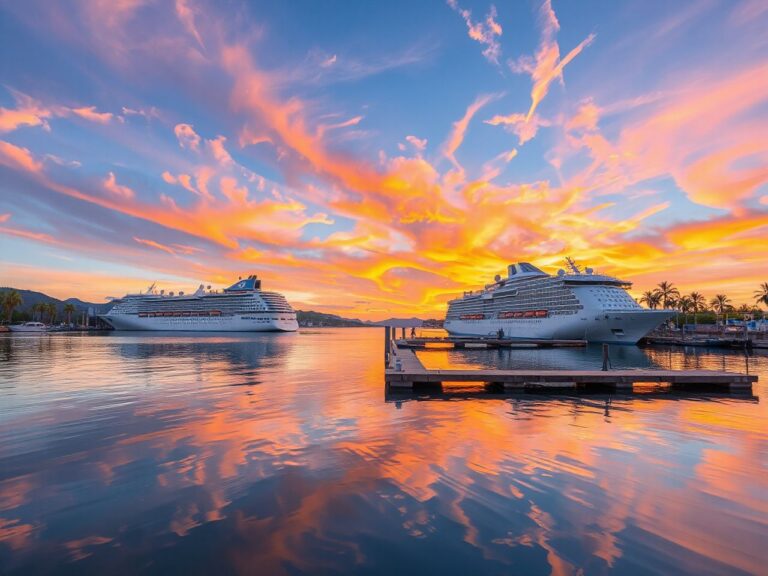
The Caribbean remains the most popular January destination for a reason. The risk of hurricanes is essentially zero by January — the Atlantic hurricane season officially ends November 30. Temperatures in the Southern Caribbean (Aruba, Bonaire, Curacao) stay in the low 80s°F (27-29°C), with minimal rainfall. The trade winds can pick up, but that actually helps with cabin ventilation and keeps the air from feeling sticky.
One factor many overlook is daylight duration. In January, the Caribbean gets about 11 hours of daylight, compared to 13 in July. That means sunrise is around 6:45 AM and sunset by 6:00 PM. Plan your shore excursions accordingly — you don’t want to be stuck on a trail when the sun drops.
Mediterranean Winter Sailings: The Untapped Frontier
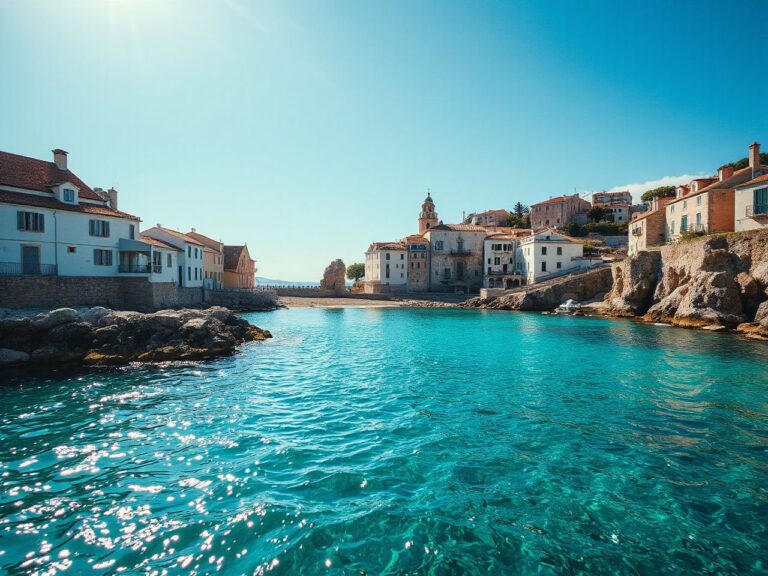
Most people avoid the Mediterranean in January, which makes it a less crowded destination. Ports like Barcelona, Rome, and Athens see tourist numbers drop significantly compared to August. You can walk through the Colosseum without elbowing through a crowd. The trade-off is weather: expect daytime highs of 55-60°F (13-16°C) and frequent rain.
The real gem of January Mediterranean cruising is the Canary Islands. These islands sit off the coast of Africa and maintain temperatures around 70°F (21°C) in January. The volcanic landscapes of Lanzarote and Tenerife are stark and beautiful in winter light. The trails are empty. That’s the kind of discovery that makes a route scout’s heart beat faster.
Northern Europe and Alaska: Only for the Brave
If you’re considering a January cruise to Norway or Alaska, you need to understand what you’re signing up for. In Alaska, January means 6 hours of daylight and temperatures that drop to 20°F (-7°C). Most cruise lines don’t even operate there in January. The ones that do — usually repositioning voyages — are essentially transportation, not tourism.
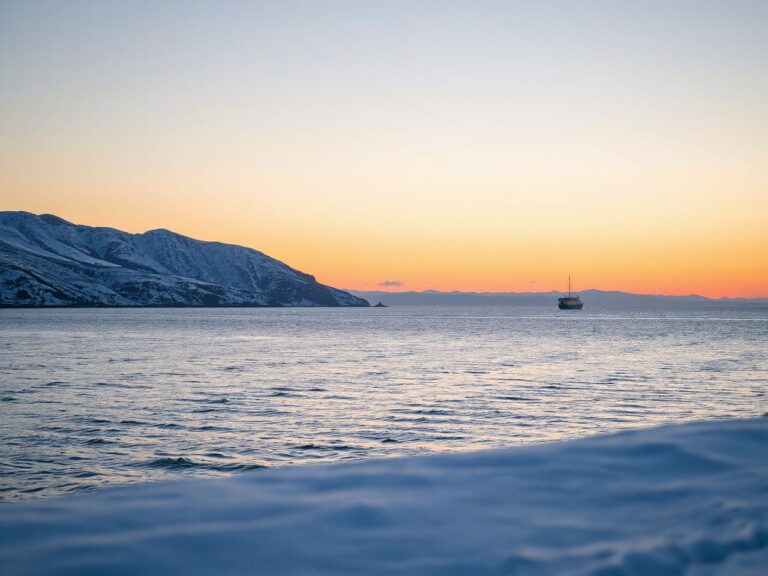
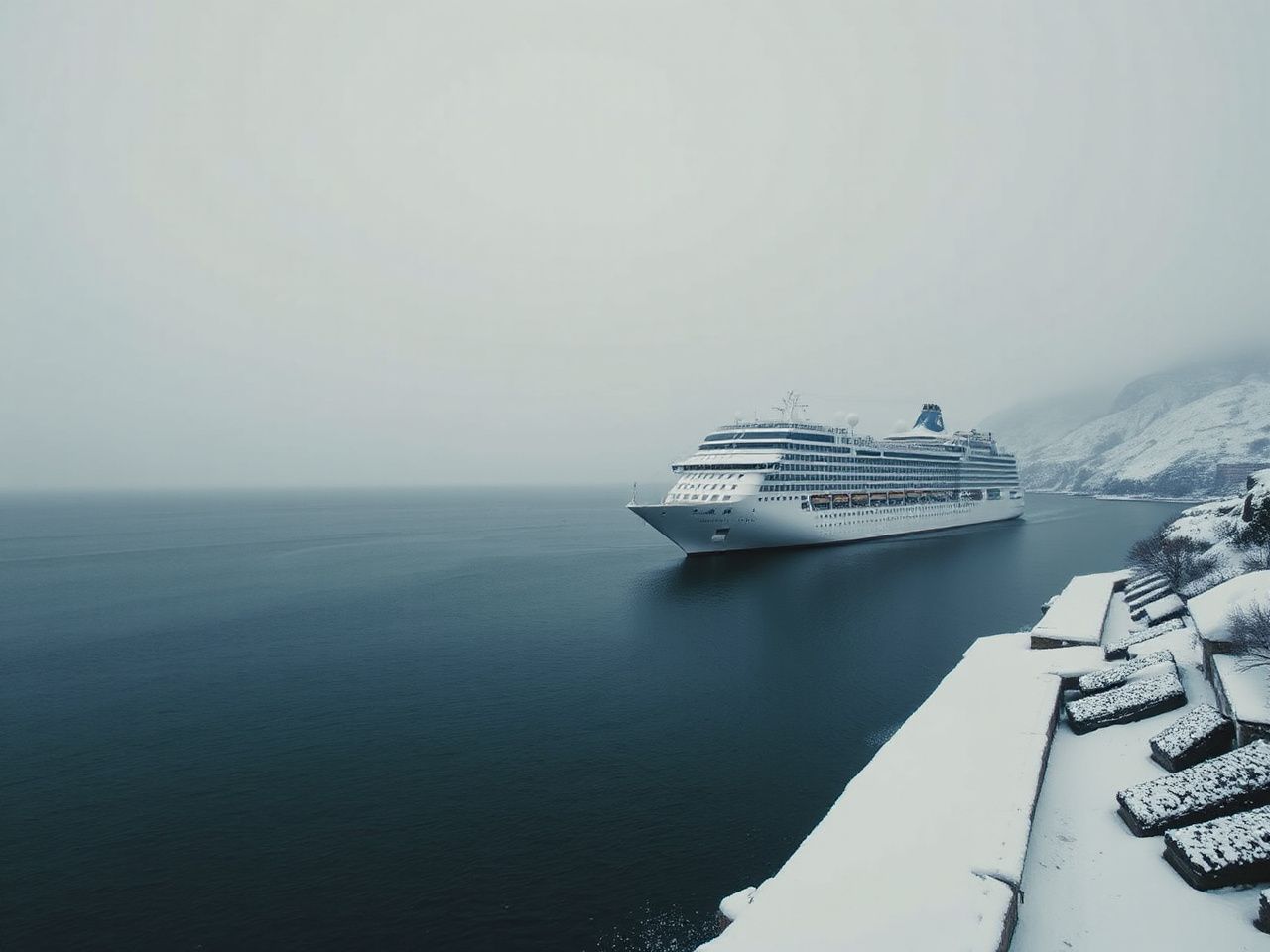
Northern Europe is different. Norway’s fjords in January offer the chance to see the Northern Lights from the water, which is a rare and stunning experience. But the seas are rough, and many smaller ports are inaccessible due to ice. Only a handful of ships are built for these conditions, with reinforced hulls and advanced stabilizer systems. If you’re not on one of those, the ride will be unpleasant.
What to Pack for a January Cruise
Packing for January cruising is a different beast than summer. You need to prepare for temperature swings, wet conditions, and the possibility of rough seas. Here’s a breakdown of what actually matters.
Layers, Not Bulk
The key is three-layer system: a moisture-wicking base layer (merino wool or synthetic), an insulating mid-layer (fleece or light down), and a waterproof outer shell. This gives you flexibility. On a Caribbean cruise, you might shed the mid-layer by noon. On a Northern Europe voyage, you might keep all three on all day.
Don’t forget footwear. Deck surfaces get slick in rain or spray. A pair of non-slip, waterproof boots is worth more than any fancy dress shoe. Smooth-soled loafers are a frequent cause of slipping on wet gangways.
Seasickness Preparedness
January seas are statistically rougher than summer seas. The North Atlantic in January has an average wave height of 12-16 feet, compared to 4-6 feet in July. Even the Caribbean sees higher swells due to winter storms pushing down from the continental US.
Scopolamine patches are a prescription-only option that last three days. Over-the-counter options like meclizine (Bonine) work well for mild motion, but they cause drowsiness in some people. Ginger candies and acupressure bands are placebos for most people, but if they help you psychologically, use them. The real trick is booking a midship, lower-deck cabin, where motion is minimized.
Navigating January Weather on the Water
Understanding weather patterns is essential for anyone cruising in January. This isn’t just about comfort — it’s about safety. Modern cruise ships are incredibly stable, but they can’t defy physics.
Stabilizers and Their Limits
Most cruise ships use fin stabilizers — large fins that extend from the hull and counteract roll. They reduce motion by 60 to 80 percent in typical conditions. But in January, when swells exceed 15 feet, stabilizers become less effective. The ship will still roll, just less than it would without them.
If you’re prone to motion sickness, avoid cabins at the bow or stern on higher decks. The bow pitches up and down, while the stern whips side to side. A midship cabin on deck 4 or 5 is your safest bet. The lower you are, the less you feel the motion.
Ice and Fog Considerations
January brings fog to many coastal regions, particularly the Pacific Northwest, Newfoundland, and the English Channel. Fog can delay port arrivals and cancel shore excursions. Ships have radar and GPS, but they still reduce speed in low visibility. If you have a tight connection after the cruise, build in a buffer day.
Ice is a real concern in Baltic and Norwegian waters. The Gulf Stream keeps most Norwegian ports ice-free, but inland fjords can freeze. Ships that operate in these areas typically have ice-strengthened hulls — a classification known as 1A or 1AS. If your January itinerary includes northern Europe, confirm your ship has this rating.
Making the Most of Short Days and Cool Weather
With less daylight and cooler temperatures, you need to adjust your expectations. January cruising isn’t about lounging by the pool for eight hours. It’s about intentional experiences.
Shore Excursions That Shine in Winter
In the Caribbean, winter is the best time for hiking and wildlife viewing. The cooler temperatures mean you can hike El Yunque National Forest in Puerto Rico without drenching yourself in sweat by 9 AM. Whale watching peaks in January, with humpback whales migrating through the Silver Bank off the Dominican Republic. Book a small-boat excursion for the best views.
In the Mediterranean, focus on cultural sites that are unbearable in summer heat. The Acropolis in Athens or the Alhambra in Granada are far more pleasant at 55°F (13°C) than at 95°F (35°C). You’ll also have the ruins mostly to yourself.
Onboard Activities for Sea Days
Sea days in January often mean indoor activities. Look for ships with enclosed pools, thermal suites, and saunas. These become the social hubs of the ship. Some lines offer lecture series on navigation, marine biology, or local history — take advantage of them. They’re often led by retired professors or expedition leaders who know their stuff.
Sea days are a good time for the bridge observation deck if it’s open to passengers. Watching the crew navigate through winter swells is fascinating. You learn more about ship handling in one hour of observation than from any book.
Booking Strategy for January Cruises
January is considered wave season in the cruise industry — the period from January through March when cruise lines offer their best deals. But not all deals are equal.
When to Book
The best time to book a January cruise is early fall of the previous year — September or October. That’s when lines release their best promotional fares for the coming winter. Waiting until December or January can work if you’re flexible, but the best cabins are already taken.
Last-minute deals (within 30 days of departure) are common in January because demand drops after the holidays. You can sometimes save 30 to 50 percent off brochure prices. The risk is that you’ll have limited cabin choices and may end up with an undesirable location — like directly above the theater or below the pool deck.
Cabin Selection
For January cruises, an inside or ocean-view cabin is preferable over a balcony. The wind and cold make balconies uncomfortable in January, and choosing an inside or ocean-view cabin can save money. Use that savings for a better shore excursion or a nicer dinner.
If you do book a balcony, choose a sheltered or covered balcony — many newer ships have balconies that are partially enclosed, which blocks wind and provides some protection from rain. Avoid forward-facing balconies on lower decks, which get soaked in spray during rough seas.
Frequently Asked Questions
Is January a good time to go on a cruise?
Yes, if you choose the right itinerary. The Caribbean and Canary Islands offer warm weather and low crowds. Prices are generally lower than summer. The trade-off is shorter days and a higher chance of rough seas, especially in the North Atlantic. If you’re flexible and prepared, January can be an excellent time to cruise.
What is the weather like when cruising in January?
It varies dramatically by region. The Caribbean averages 78-82°F (25-28°C) with moderate trade winds. The Mediterranean is cooler at 55-60°F (13-16°C) with rain. Northern Europe and Alaska see temperatures near freezing with very short days. Always check the specific itinerary’s historical averages before packing.
Do cruise ships cancel sailings in January due to weather?
Rarely, but it happens. Cruise ships can outrun most storms, but severe winter storms in the North Atlantic have caused itinerary changes or port cancellations. The most common disruption is missing a port due to high winds or fog, not canceling the entire sailing. Cruise lines prioritize passenger safety and will reroute if necessary.
What should I pack for a January cruise?
Pack in layers: a moisture-wicking base layer, an insulating mid-layer (fleece or light down), and a waterproof outer shell. Bring non-slip waterproof shoes, a warm hat, gloves, and a scarf. Don’t forget seasickness medication and test it before you go. Swimwear is still useful for heated pools and hot tubs, but you’ll spend most of your time in warmer clothing.