Train to Spokane: The Basics Travelers Should Know
Contents
A rail trip to Spokane is a route-planning problem before it is a destination search. The Empire Builder may involve a Seattle or Portland section, and that distinction matters when checking the itinerary. A useful guide separates the scheduled rail journey from the practical trip by covering station access, shared freight-line delays, baggage limitations, and the extra costs that arise during a long-distance journey.
For travelers searching for a train trip to Spokane, the relevant service is Amtrak’s Empire Builder. The service connects Chicago with the Pacific Northwest, but the Seattle and Portland sections join or separate around Spokane. Read the train section, origin, destination, and connection details carefully before leaving home.
Key Takeaways
- The Empire Builder serves Spokane, while Amtrak Cascades does not provide a direct passenger rail route there.
- Spokane Intermodal Center is the rail stop; Spokane International Airport is a separate facility.
- Station services, baggage handling, and connection protection can vary, so confirm the current itinerary with Amtrak before departure.
How a Train Trip to Spokane Actually Works
Step 1: Identify the correct Empire Builder section
The Empire Builder is the relevant long-distance train for Spokane. It operates as part of a Chicago-to-Pacific-Northwest route, with Seattle and Portland sections that join or separate around Spokane. That arrangement means a search result showing “Spokane” is not enough by itself. The complete itinerary must show the correct section and the correct final destination.
A passenger traveling from Seattle should check that the booking follows the Seattle section toward Spokane. A passenger traveling from Portland should check the Portland section instead. A traveler starting in Chicago should review the full westbound itinerary and confirm the Spokane stop within the booking details.
The Empire Builder’s Seattle and Portland sections join or separate around Spokane. This operating pattern explains why a passenger can remain on one scheduled service while the relevant train section changes during the journey.
Step 2: Match the departure station to the booking
Seattle departures use King Street Station, while Portland departures use Portland Union Station. These stations are not interchangeable, and a booking should be checked against the actual station named on the ticket. A station name that looks familiar can still lead to a costly mistake if local transportation is planned for the wrong part of the city.
Chicago travelers should check the departure information for Chicago Union Station. The station listed in the itinerary controls where the rail journey begins, while Spokane passengers arrive at Spokane Intermodal Center.
Spokane Intermodal Center is separate from Spokane International Airport. The intermodal center connects with local transportation and downtown access, but an airport transfer should be planned as a separate ground journey rather than treated as part of the rail arrival.
Step 3: Check the full itinerary before departure
Open the current booking and verify the departure station, train section, destination, connection information, and baggage instructions. Amtrak states the operational details that apply to the specific itinerary, and station facilities can differ from one location to another.
- Confirm whether the booking begins in Seattle, Portland, or Chicago.
- Check that Spokane is shown as the intended rail destination.
- Read the instructions for checked and carry-on baggage at the departure station.
- Review the connection details rather than relying on a route name alone.
- Recheck the itinerary shortly before leaving for the station.
Amtrak’s official travel information is the appropriate place to verify current schedules, station instructions, baggage services, and itinerary-specific connection details.
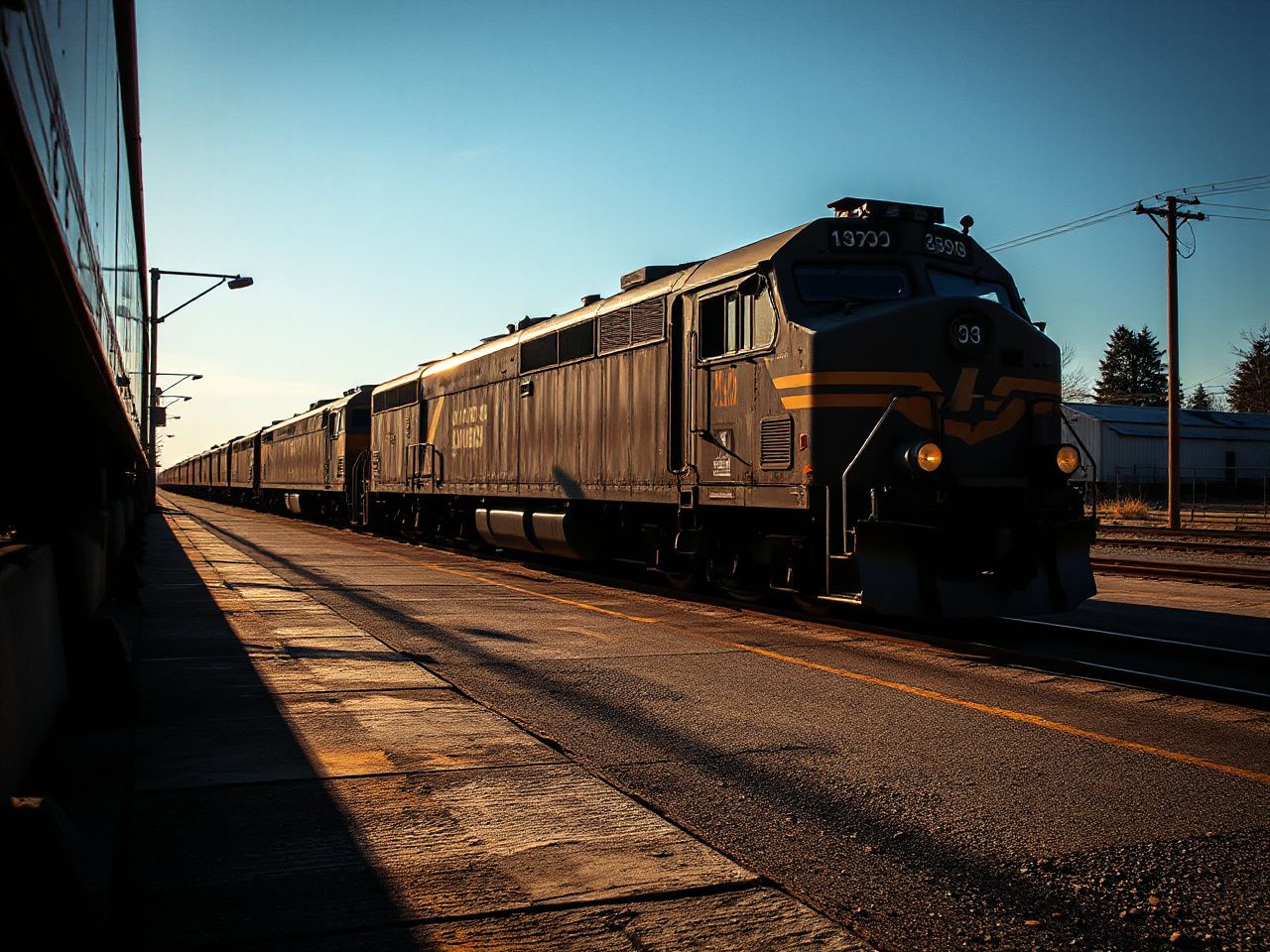
Choosing a Route from Seattle, Portland, or Chicago
Seattle to Spokane
From Seattle, the Empire Builder provides the relevant passenger rail route to Spokane. King Street Station is the Seattle departure point named in the itinerary, and the service continues toward Spokane as part of the Seattle section.
The scheduled journey can take a substantial part of a travel day or extend into overnight travel, depending on the specific departure and itinerary. No single journey duration should be assumed without checking the current schedule. Shared freight-line operations can also make the actual arrival later than the published plan.
Seattle passengers should confirm that their booking uses the Empire Builder rather than assuming Amtrak Cascades reaches Spokane directly. Amtrak Cascades may appear in a broader regional travel plan, but it does not provide a direct passenger rail route to Spokane.
Portland to Spokane
Portland travelers use the Portland section of the Empire Builder from Portland Union Station. The Portland and Seattle sections are connected to the same broader service pattern, yet the departure station and section still matter when the booking is made.
Portland passengers should pay close attention to any wording about joining or separating sections around Spokane. A route that begins in Portland may not be described in exactly the same way as one that begins in Seattle, even though both connect with Spokane through the Empire Builder.
Amtrak Cascades can be relevant to a wider Pacific Northwest rail plan, but it should not be mistaken for a direct Portland-to-Spokane train. If a booking includes a connection, the itinerary should identify it clearly and show what happens if the first service is late.
Chicago to Spokane
Chicago passengers travel on the Empire Builder toward the Pacific Northwest, with Spokane serving as a stop along that broader route. Chicago Union Station is the relevant starting station named in the itinerary.
A cross-region rail journey requires more planning than a short station-to-station ride. Meals, sleeping arrangements, local transportation, baggage handling, and delay plans all affect the practical trip. The ticket covers the booked rail service, but it may not cover food, lodging before or after the ride, or transportation between the Spokane station and a final destination.
Chicago-to-Spokane passengers should plan for overnight travel and possible schedule changes before boarding. That preparation is more useful than treating the published arrival as a guarantee for a tightly timed activity.
What happens if a connection is missed?
A missed connection should be handled through Amtrak rather than by independently buying a replacement trip before speaking with staff. Connection protection can vary by station and itinerary, so the practical response depends on the booking shown in the current reservation.
- Go to Amtrak staff as soon as a delay threatens the connection.
- Keep the entire itinerary available, including the delayed service and onward segment.
- Ask how the reservation will be handled before arranging separate transportation.
- Confirm any revised departure station, departure time, baggage instruction, or lodging direction.
- Record the updated plan before leaving the station.
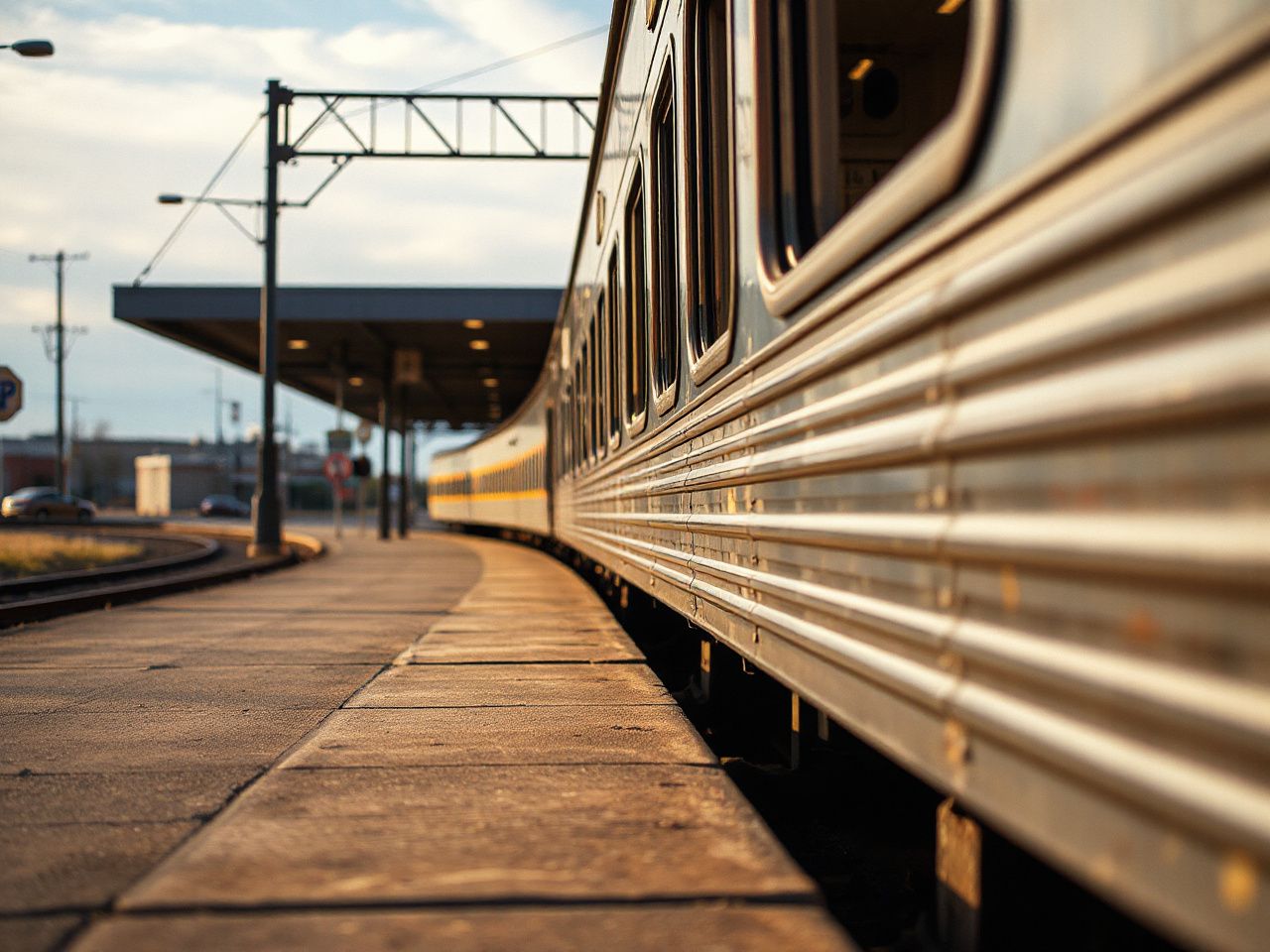
Time, Delays, and the Reality of Shared Rail Lines
Why the actual journey can run longer
A published schedule describes the planned movement of the train. The practical journey can take longer because the Empire Builder operates on rail infrastructure that also serves freight traffic. BNSF Railway is associated with the shared freight-line environment relevant to this route, so delays can arise from the wider operating conditions rather than from a simple station departure issue.
Passengers should avoid building a tight, nonrefundable plan around the scheduled arrival unless the consequences of a late train are acceptable. A delayed train can affect a hotel check-in, a local bus, a flight, or an outdoor activity with a fixed start time.
Shared freight-line operations can make the actual Empire Builder journey longer than the published schedule. The safest planning response is to leave room after arrival for local transportation and changes.
How rail infrastructure is maintained
Conventional trains operate on two rails, and track condition depends on inspection and maintenance work. Walking inspections and track geometry cars are used as part of inspection practices. Curve maintenance can include rail replacement, fastener tightening, and gauging.
Those details matter because rail travel is tied to infrastructure that must be inspected and maintained while services operate across long distances. A delay caused by track work or operating conditions is not something a passenger can correct by arriving at the station earlier.
The Federal Railroad Administration provides federal railroad information and safety material. Travelers can use government rail information as a general reference, while Amtrak remains the source for the current reservation and station instructions.
Planning around the arrival
Build the Spokane portion of the trip in layers. The rail schedule is one layer, the Spokane Intermodal Center arrival is another, and the final local journey is a third. A delay in the first layer can affect every later plan.
- Keep the first Spokane activity flexible enough to absorb a late arrival.
- Allow time to leave the station and locate local transportation.
- Keep important documents, medication, and basic personal items accessible in carry-on baggage.
- Have a plan for contacting lodging or a pickup driver if the train is delayed.
Baggage, Meals, Comfort, and Extra Costs
Baggage limitations and station variation
Baggage services vary by station and itinerary. Checked bags may not be available at every departure point, so a traveler should not assume that a service offered at one station will be offered at another.
Check the current Amtrak baggage instructions for the specific booking and station. The key question is not merely what a passenger wants to bring; it is how that baggage will be handled at the departure point, during the journey, and after arrival at Spokane Intermodal Center.
Checked baggage availability can vary by station and itinerary. Confirming the service before departure prevents a large bag from becoming a station problem on travel day.
What to keep within reach
Long-distance rail travel rewards practical packing. Keep the items needed during the ride separate from anything that may be handled as checked baggage. That includes travel documents, essential medication, a phone charger, water, a change of clothing, and anything needed for sleep or personal care.
The exact facilities and services on a booked train should be verified rather than assumed. Onboard accommodations and scenery are part of the Empire Builder experience, but the useful question is whether the booked itinerary provides the arrangement needed for the length and timing of the trip.
Meals and overnight planning
A long rail journey requires a meal plan. Check what the current itinerary says about food service, then decide what must be carried or purchased before boarding. Do not assume that every station stop provides enough time for a full meal or that a preferred food option will be available during every part of the journey.
Overnight travel also changes the comfort calculation. A passenger who expects to arrive and begin an early activity may need a lodging plan near Spokane before scheduling anything demanding. A scenic ride can still be tiring when the passenger has spent much of the trip managing sleep, meals, and delays.
Extra costs can include meals, lodging before or after the train, baggage services, and local transportation. The ticket is only one part of the trip budget, and no general price should be assumed without checking the current booking.
Rail Compared with Driving, Flying, and Bus Travel
Train travel
The train suits travelers who value a land-based journey and want the route itself to be part of the trip. The Empire Builder offers access to Spokane from the Chicago and Pacific Northwest corridors, but the journey requires tolerance for a long schedule, shared-line delays, and changing practical conditions.
Rail also reduces the need to concentrate on highway traffic for the entire journey. That benefit does not remove the need for planning. A traveler still has to reach the departure station, manage baggage, arrange meals, and get from Spokane Intermodal Center to the final destination.
Driving
Driving gives a traveler direct control over stops and the final approach to Spokane. That can matter for remote trailheads, dispersed outdoor activities, or a group carrying equipment. The trade-off is that the driver remains responsible for navigation, road conditions, fuel, rest, and the full burden of the journey.
Flying
Flying may shorten the airborne portion of a trip, but the complete journey includes access to the airport, airport procedures, baggage handling, and transportation after landing. Spokane International Airport is not the same place as Spokane Intermodal Center, so a flight and a train create different arrival logistics.
Bus travel
Intercity bus service can fit a traveler whose route and departure point align with the available schedule. The comparison should include station location, baggage rules, transfer arrangements, comfort during an overnight journey, and what happens when a delay affects a connection.
Travelers should compare complete door-to-door plans rather than comparing only the rail ticket with a flight, drive, or bus fare. The useful comparison includes station access, meals, lodging, local transportation, baggage, and the cost of losing a reservation after a delay.
For readers planning other long-distance rail routes, the Train to Tampa: Complete Guide for 2026 offers a separate example of how station details and onward transportation shape the practical journey.
Final Departure Checklist
Before leaving home
Review the live itinerary shortly before departure. Schedules and station instructions can change, and the current booking is more useful than a saved search result or an old planning note.
- Confirm the departure station: King Street Station, Portland Union Station, or Chicago Union Station.
- Confirm the Empire Builder section and the Spokane destination.
- Check whether the itinerary includes a connection and what protection applies.
- Verify baggage services at the exact departure station.
- Plan meals and overnight comfort for the length of the booked journey.
- Arrange local transportation from Spokane Intermodal Center.
- Keep a delay plan for lodging, pickups, activities, and connecting services.
At the station
Read the station signs and compare them with the current reservation. Ask staff if the platform, baggage procedure, or train section is unclear. A short question before boarding is easier to resolve than discovering a section error after the train has departed.
Travelers who are also arranging other regional trips can review this planning guide for a Denver-to-Phoenix rail journey for another example of why the station-to-station details matter more than a broad destination label.
After arriving in Spokane
Spokane Intermodal Center is the rail arrival point described for this journey. Confirm the local transportation connection before the train arrives, especially if the final destination is outside downtown. Keep the first activity flexible enough to account for a delayed arrival and the time needed to collect baggage or leave the station.
A careful traveler treats the rail journey, station transfer, and outdoor objective as separate stages. That approach is particularly important for canyon trail riding, desert crossings, and mountain passes, where navigation, weather, equipment, and rider judgment can make a late start more than an inconvenience.
Frequently Asked Questions
Is there a direct train to Spokane from Seattle, Portland, or Chicago?
The relevant service is Amtrak’s Empire Builder, which serves Spokane as part of a route connecting Chicago with the Pacific Northwest. Seattle and Portland use different Empire Builder sections that join or separate around Spokane. Amtrak Cascades does not provide a direct passenger rail route to Spokane, so any Cascades reference usually concerns a connection or comparison.
How long does the train trip to Spokane usually take?
The journey can occupy a substantial part of a travel day or extend into overnight travel, depending on the origin and current itinerary. A fixed duration should not be assumed because the Empire Builder operates on shared freight lines and can experience delays. Check the current Amtrak schedule, then leave room for local transportation and arrival changes.
What should I do if a delay causes me to miss a connection?
Speak with Amtrak staff before buying separate replacement transportation. Connection protection varies by station and itinerary, so staff need to review the booking and explain rebooking, onward travel, baggage, or lodging instructions. Keep the original reservation available and ask for the revised plan in writing or in the updated booking before leaving the station.
Can I check baggage on a train to Spokane?
Checked baggage services vary by station and itinerary. A traveler should review the current Amtrak instructions for the exact departure point instead of assuming that a checked-bag service is available everywhere. Keep essential documents, medication, chargers, and items needed during the ride accessible, even if other baggage is handled separately.
What should I check before taking a train to Spokane?
Confirm the departure station, Empire Builder section, Spokane destination, connection details, baggage rules, and current station instructions. Remember that Spokane Intermodal Center is separate from Spokane International Airport. Plan local transportation, meals, overnight comfort, and a delay buffer before scheduling a demanding activity or a tightly timed onward connection.
Travelers considering a different coastal route can also read the guide to planning rail travel toward the Outer Banks, where the final ground connection is also part of the practical itinerary.