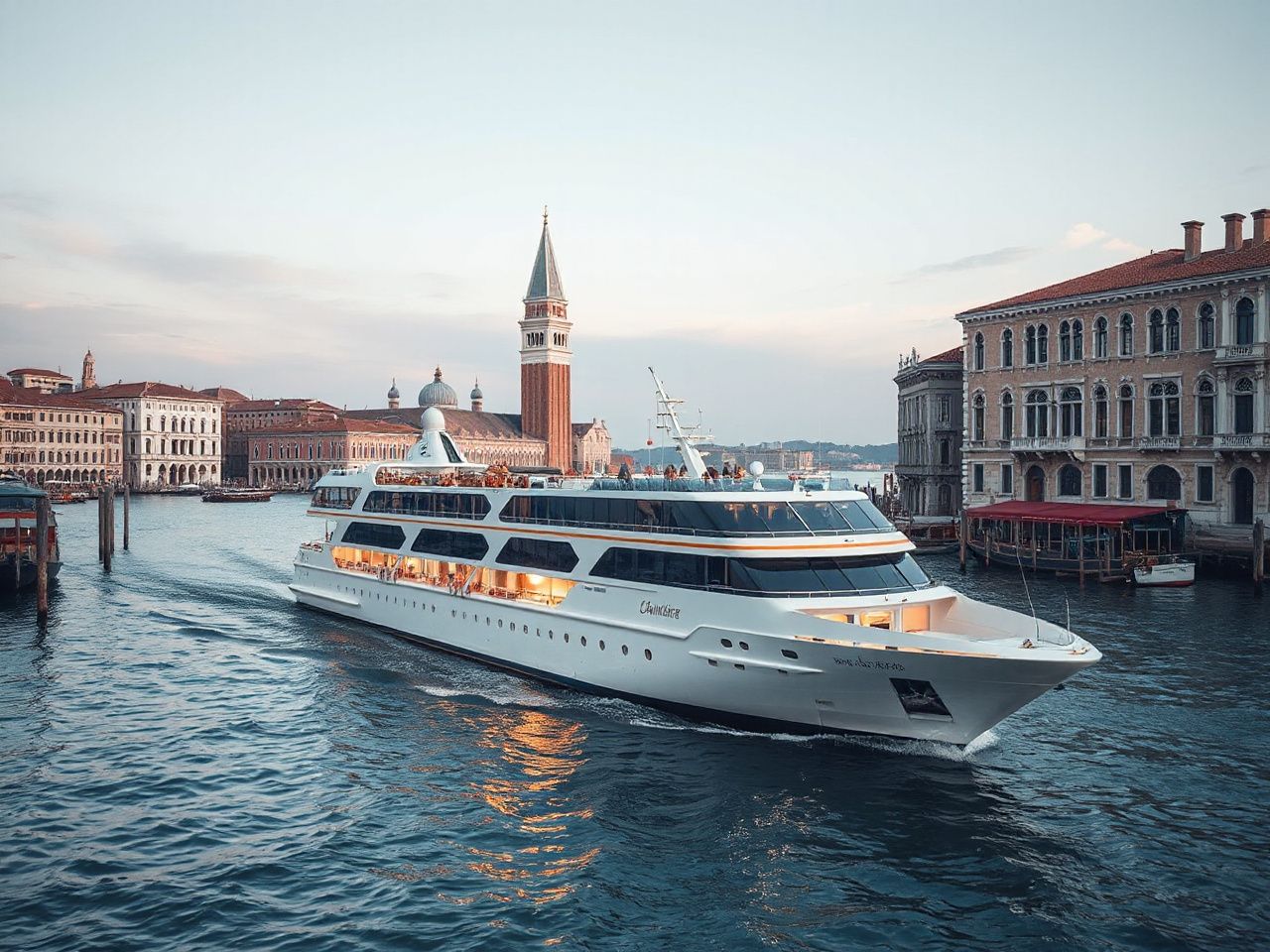
The Complete Guide to Cruises Starting From Venice
Contents
You spend months planning a Mediterranean voyage. You book the cabin, pack the bags, and then the first port is a disaster. The dock is chaos. The transfer is late. You miss a shore excursion because the taxi driver took the wrong canal. I’ve ridden long enough to know that the gear you skip buying to save money is almost always the gear you regret not having when you need it most. Invest once, invest right. The same rule applies to choosing cruises starting from Venice. Pick the wrong departure point or the wrong operator, and the entire trip feels like a flat tire on a backcountry trail. I break down the routes, the terminals, and the raw logistics so you can ride smooth from the moment you hit the lagoon.
Key Takeaways
- Venice has two main cruise terminals — Marittima (for large ships) and San Basilio (for smaller, expedition-style vessels). Know which one you need before booking.
- Cruises starting from Venice typically sail the Adriatic, the Greek Isles, or the Eastern Mediterranean. The season runs from April through October, with peak demand in July and August.
- Pre-cruise planning matters more than the itinerary itself. A two-day buffer before departure protects against flight delays and gives you time to explore the back alleys of the city.
Understanding the Venice Cruise Terminals
The geography of Venice is tricky. The city is built on islands, and the cruise terminals are located on the edge of the historic center. The main hub is Marittima, a massive dock complex on the western side of the island. Most large cruise lines — think Norwegian, MSC, Royal Caribbean — dock here. The walk from the terminal to the Grand Canal is about 15 minutes on foot, but the real challenge is the approach. You cannot drive a car onto a cruise ship in Venice. You arrive by water taxi, water bus (vaporetto), or on foot from the nearby bridge. The People Mover is an elevated shuttle that connects Marittima to the Piazzale Roma bus station. It runs every 10 minutes and costs €1.50 per ride. For a hardcore route scout, this is the only reliable land-based link to the city. If you are carrying heavy luggage, do not attempt the 20-minute walk from the terminal to the train station. Take the People Mover or book a water taxi.
The second terminal is San Basilio, located near the Giudecca Canal. This dock is used by smaller ships, including those from Viking, Seabourn, and Silversea. The water taxi from San Basilio to St. Mark’s Square takes about 10 minutes and costs around €60. The vaporetto line 2 stops at San Basilio and runs every 20 minutes. The ticket is €7.50 one-way. If you are on an expedition-style cruise that explores the Dalmatian Coast or the Aegean sea, this is your best bet. The dock is quieter, less crowded, and the surrounding neighborhood has decent cafes for a last-minute espresso before boarding.
Navigating the Water Taxi System
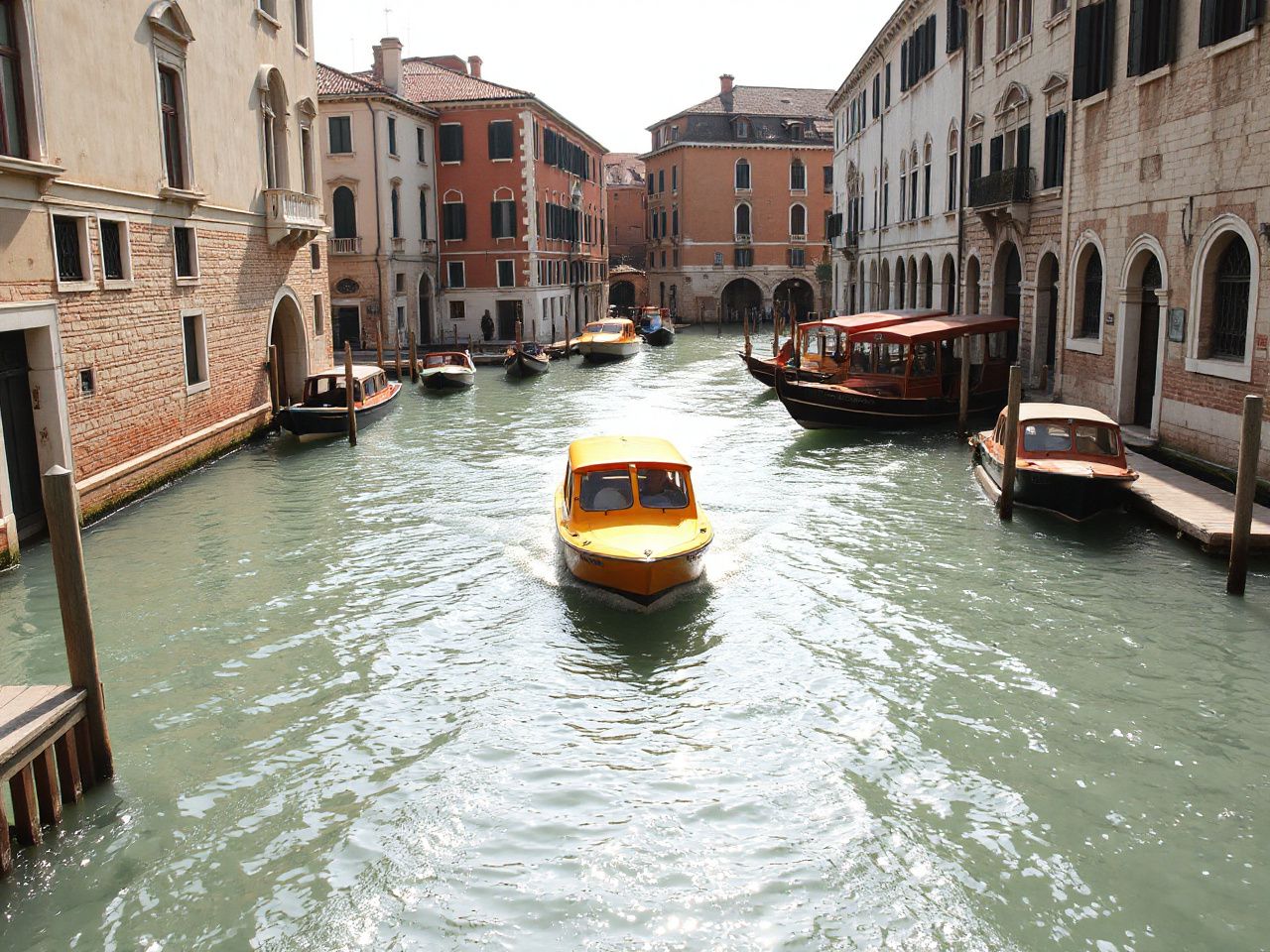
The water taxi is the most direct way to reach either terminal. Prices range from €80 to €120 from the airport to Marittima. From the train station, the fare is about €60. Always confirm the price before boarding. Some drivers charge extra for luggage. A standard water taxi holds up to 10 people, but if you are traveling solo or as a couple, you can share the ride. The ride from Marco Polo Airport to the terminal takes 30 minutes. The ride from the historic center to San Basilio takes 15 minutes. For a smooth transfer, book through a licensed company like Consorzio Motoscafi or Venezia Taxi. Avoid unlicensed operators near the airport arrivals hall.
Best Routes for Cruises Starting From Venice
The itineraries from Venice split into three main corridors. The Eastern Mediterranean route typically includes Dubrovnik, Corfu, Santorini, and Athens. This is the most popular run. The Adriatic Coast route focuses on Croatian ports like Split, Zadar, and Kotor. The Greek Isles run hits Mykonos, Rhodes, and Crete. Each route offers a different kind of terrain. The Eastern Mediterranean is the busiest, with large ships and packed ports. The Adriatic Coast is more relaxed, with smaller towns and fewer crowds. The Greek Isles run is the most scenic, with dramatic cliffs and crystal-clear water. For a route scout, the Greek Isles are the best raw experience. The islands have unpredictable weather, hidden coves, and roads that disappear into the hills. The Adriatic Coast is a close second, especially if you want to explore the old town walls of Dubrovnik without the shoulder-to-shoulder shuffle of peak season.
Duration and Timing
Most cruises starting from Venice run for 7 to 10 nights. A 7-night itinerary covers 4 to 5 ports. A 10-night itinerary covers 6 to 8 ports. The season runs from April through October. The water temperature in the Adriatic in April is around 14°C (57°F). By July, it hits 26°C (79°F). The best months for a balance of warm weather and manageable crowds are May and September. July and August are hot, humid, and packed. The humidity in Venice in August can reach 80%. The city smells like canal water and sunscreen. If you are on a motorcycle, you know that kind of heat slows you down. The same applies to walking through a cruise terminal. Plan for May or September and you will move faster.
Ports of Call
- Dubrovnik, Croatia: Old town walls, Game of Thrones locations, cable car to Mount Srđ. The walk from the cruise port to the old town is 20 minutes. Taxi costs €10.
- Kotor, Montenegro: Fortified town, bay views, 1,350 steps to the fortress. The dock is right at the old town gate. No transfer needed.
- Santorini, Greece: Caldera views, blue domes, black sand beaches. The ship anchors offshore. You take a tender to the old port. Then you ride a cable car (€6) or walk 600 steps to the main town.
- Mykonos, Greece: Whitewashed streets, windmills, nightlife. The dock is near the old town. Walk or take a bus for €1.80.
- Corfu, Greece: Venetian architecture, beaches, olive groves. The port is a 10-minute walk from the old town.
Cost Considerations and Budget Planning
The price of cruises starting from Venice varies wildly based on the time of year, the cruise line, and the cabin category. In 2026, expect to pay between $800 and $1,800 per person for a standard inside cabin on a 7-night itinerary in May. A balcony cabin on the same run will cost $1,200 to $2,500. The luxury lines — Seabourn, Silversea, Regent — start at $3,000 per person and climb from there. The real cost is not the ticket. It is the extras. Drinks, specialty dining, shore excursions, and gratuities add up fast. A typical shore excursion in Santorini runs $100 to $150 per person. A drink package costs $60 to $80 per day. If you are on a budget, book an inside cabin and skip the drink package. Use the money for a private guide in Dubrovnik or a boat tour in Kotor.
Hidden Fees
The cruise fare does not include port taxes and fees. These are added at checkout. For a 7-night cruise from Venice, port fees range from $150 to $250 per person. The airline transfer to the airport is separate. The water taxi from the airport to the terminal is separate. The hotel in Venice the night before is separate. Do not let these surprise you. Budget an extra $500 to $700 per person beyond the cruise fare for pre-cruise expenses.
Cheapest Times to Go
The cheapest weeks for cruises starting from Venice are the first two weeks of April and the last two weeks of October. Prices drop 20 to 30 percent compared to July. The weather is cooler — 12°C to 18°C (54°F to 64°F) — but the ports are empty. If you can handle a little chill, this is the smart play. You see the same ruins, the same sea, and the same skies without the crowds. For a route scout, an empty trail is always better than a packed one.
Packing for a Venice Cruise
You are going to be on a boat, but you are also going to be walking through cities. The average cruise passenger walks 5 to 8 miles per day on shore. Pack light. A carry-on sized rolling bag and a backpack is enough. The key items are a waterproof jacket, comfortable walking shoes, a swimsuit, a dress or collared shirt for dinner, and a power bank. The sun in the Mediterranean is intense. Bring sunscreen with SPF 50 and a wide-brimmed hat. The wind on the deck can be strong. Bring a windbreaker. The evenings can be cool, especially in April and October. Bring a fleece or light sweater. The waterproof jacket is the most important piece of gear. It doubles as a windbreaker and a rain coat. If you are on a motorcycle, you know that a good shell makes everything easier. The same applies here.
Pre-Cruise Planning
The most important decision you make is not the ship or the cabin. It is the two-day buffer. Fly into Venice at least 48 hours before your cruise departs. This gives you a full day to recover from jet lag, explore the city, and handle any travel delays. The Marco Polo Airport (VCE) experiences delays regularly, especially in summer. A two-day buffer means a missed flight does not sink your entire trip. Book a hotel in the historic center near the Rialto Bridge or St. Mark’s Square. The average hotel cost in May is $200 to $350 per night. If you are on a budget, look at the Santa Croce neighborhood, where rooms run $100 to $150 per night. The walk from Santa Croce to Marittima is 25 minutes. The vaporetto from Rialto to the terminal takes 15 minutes and costs €7.50.
Booking Shore Excursions Independently
You do not need to buy shore excursions from the cruise line. In most ports, you can book a private guide or a small-group tour for half the price. In Dubrovnik, a private walking tour costs $60 per person. The cruise line charges $120. In Santorini, a private boat tour around the caldera costs $100 per person. The cruise line charges $200. The key is to book with a reputable local operator. Use GetYourGuide or Viator, but read the reviews carefully. Look for operators with at least 200 reviews and a 4.5-star rating. The risk is that if your ship arrives late or leaves early, the independent tour operator might not wait. The cruise line guarantees that you make it back on time. That guarantee is worth something, but not double the price.
Frequently Asked Questions
Can I stay in Venice after my cruise ends?
Yes. Most cruise lines allow you to disembark by 9:30 AM. You can store your luggage at the terminal for €5 per bag and explore the city for the day. Book a hotel for that night if you want to stay longer. The water taxi from the terminal to the airport runs until 11:00 PM. The vaporetto runs until midnight.
Do I need a visa for a cruise starting in Venice?
If you hold a passport from the United States, Canada, Australia, or New Zealand, you do not need a visa for Schengen Area ports for stays under 90 days. Your cruise stops in Greece, Croatia, and Montenegro, which are all part of the Schengen Area or have visa-free agreements. Check the specific requirements for Albania or Turkey if your itinerary includes those ports.
What is the best month for cruises starting from Venice?
May and September offer the best balance of warm weather, low crowds, and stable seas. The average temperature in May is 20°C (68°F). The sea temperature is 18°C (64°F). The ports are busy but not packed. July and August are the hottest and most crowded months.
How do I get from Marco Polo Airport to the cruise terminal?
Take a water taxi directly to Marittima or San Basilio. The ride costs €80 to €120 and takes 30 minutes. Alternatively, take the Alilaguna water bus from the airport to the terminal. The water bus costs €15 and takes 60 minutes. The water bus stops at the Giudecca and Zattere docks, which are a 10-minute walk from San Basilio.