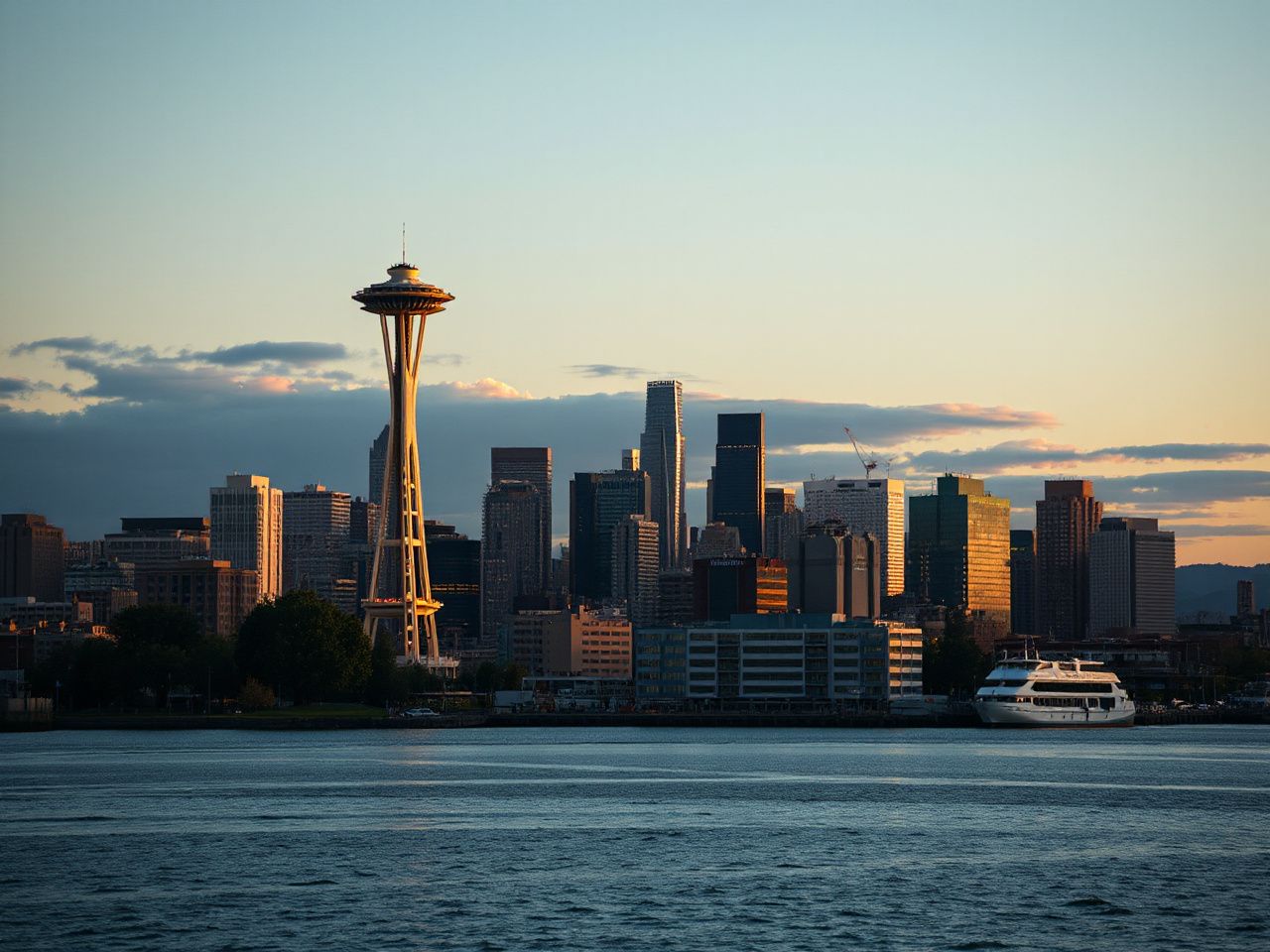
Seattle Travel Packages: Your Complete Guide for 2026
Contents
Most people treat travel packages like a buffet — they grab a little of everything and hope it works. That approach fails more often than it succeeds, especially in a city like Seattle where weather, traffic, and event schedules shift faster than a mountain pass in November. I’ve ridden long enough to know that the gear you skip buying to save money is almost always the gear you regret not having when you need it most. Invest once, invest right. The same logic applies to how you assemble your Seattle travel packages. If you start with a solid framework — route, timing, accommodation, and contingency — you’ll spend less time fixing problems and more time actually enjoying the trip.
Seattle isn’t a city you can wing. It’s built on hills, water, and a grid that defies logic. Rain can roll in by noon even when the morning is clear. Traffic on I-5 can double a 20-minute drive into an hour. And if you’re rolling into town on a motorcycle, the terrain demands respect. This guide treats your trip like a mission brief. We’ll map fuel intervals, weather windows, alternative routes, and emergency bail-out points before you hit the first mile. Whether you’re traveling solo, with family, or on two wheels, these Seattle travel packages are designed to keep you moving and safe.
Key Takeaways
- Structure your Seattle travel packages around three core phases: pre-departure planning, en-route adjustments, and on-ground flexibility.
- Weather in Seattle can shift from clear to wet in under 90 minutes — always build a rain contingency into your daily itinerary.
- Traffic patterns on I-5 and SR-520 peak between 7:00 AM and 9:30 AM, then again from 4:00 PM to 7:00 PM. Plan your movement outside these windows.
- For motorcycle travelers, the best Seattle travel packages include a pre-ride gear check, alternate route maps, and a designated rest stop every 90 miles.
Phase 1: Pre-Departure Planning — The Foundation of Your Seattle Travel Packages
Every solid trip starts with a briefing. Before you book a single flight, hotel, or ferry ticket, you need to answer three questions: What’s my primary route? What’s my weather window? And what’s my bail-out plan if something goes wrong?
Step 1: Define Your Travel Window
Seattle’s peak tourist season runs from June through September, when average highs sit between 72°F and 80°F and rainfall drops to under 1.5 inches per month. That’s the sweet spot for outdoor activities and motorcycle travel. If you’re booking a package for March through May or October through November, expect rain on roughly 50% of days and temperatures ranging from 45°F to 60°F. Winter months — December through February — bring freezing temps at night, occasional snow in the foothills, and shorter daylight hours (sunset around 4:30 PM).
Your Seattle travel packages should align with your tolerance for wet weather and cold. Avoid November through February unless experienced with cold-wet pavement and proper gear. For a family trip, July through August offers the most reliable weather, but also the highest hotel rates and crowded attractions.
Step 2: Map Your Route and Fuel Stops
Seattle sits at the intersection of I-5 (north-south) and I-90 (east-west). If you’re driving in from Portland, the distance is roughly 175 miles — about a 3-hour drive without traffic. From Spokane, it’s 280 miles (roughly 4.5 hours). For motorcycle travelers, plan a fuel stop every 90 to 120 miles. That puts you at two stops from Portland and three stops from Spokane.
Key fuel stops on I-5 northbound from Portland: Chehalis (mile marker 77), Olympia (mile marker 104), and Tacoma (mile marker 135). On I-90 westbound from Spokane: Ritzville (mile marker 206), Ellensburg (mile marker 106), and North Bend (mile marker 32). Always carry a paper map as a backup — cell service drops in the mountain passes, especially around Snoqualmie Pass on I-90.
Step 3: Book Accommodation With a Cancellation Window
Seattle hotels near the downtown core (Pike Place Market, Seattle Center, Capitol Hill) average $180 to $350 per night in peak season. If you’re looking for budget-friendly Seattle travel packages, consider neighborhoods like Fremont, Ballard, or Georgetown — they’re a 10- to 15-minute drive from downtown but often $50 to $100 cheaper per night. Always book with a free cancellation policy at least 48 hours out. Weather can ground flights, close mountain passes, or shift your timeline. You want the flexibility to adjust without losing money.
Phase 2: En-Route Adjustments — Keeping Your Seattle Travel Packages on Track
No plan survives first contact with Seattle traffic. Once you’re on the road, you need to adapt in real time. Here’s how to adjust your Seattle travel packages without losing your cool.
Monitor Weather and Traffic in Real Time
Use NOAA Weather Radio or the MyRadar app for live precipitation maps. Seattle’s rain often arrives in narrow bands — you might ride through a dry patch for 10 miles, then hit a wall of rain for 5 miles. If you’re on a motorcycle, pull off at the next exit and wait it out. Most rain squalls pass within 20 to 30 minutes. For traffic, Waze is your best bet for real-time rerouting around accidents. The Washington State Department of Transportation (WSDOT) app also provides live camera feeds for I-5, I-90, and SR-520.
Alternative Routes When I-5 Locks Up
I-5 through downtown Seattle can turn into a parking lot during peak hours. If you’re heading north or south and hit a jam, here are three alternate routes built into the best Seattle travel packages:
- West Seattle Bridge to Fauntleroy Ferry — If you’re heading to the Olympic Peninsula or need to cross the Duwamish River, this route bypasses the I-5 bottleneck near the stadiums. Add 15 to 20 minutes to your drive.
- Aurora Avenue (SR-99) — Runs parallel to I-5 from the north end of Lake Union down to the stadiums. It’s slower but keeps moving when I-5 stops. Expect stop-and-go for about 8 miles.
- Lake Washington Boulevard — If you’re on the east side (Bellevue, Kirkland), this scenic route runs along the lake and connects to I-90. It adds 10 miles but saves 20 to 30 minutes in heavy traffic.
Phase 3: On-Ground Flexibility — Getting the Most Out of Your Seattle Travel Packages
Once you’re in Seattle, the best packages leave room for spontaneity. Here’s how to balance a structured itinerary with the freedom to explore.
Daily Schedule Framework
Split your day into three blocks: morning (8:00 AM to 12:00 PM), afternoon (1:00 PM to 5:00 PM), and evening (6:00 PM to 10:00 PM). Plan one major activity per block, with a 30-minute buffer between each. For example:
- Morning: Pike Place Market (arrive before 9:00 AM to beat crowds).
- Afternoon: Museum of Pop Culture or Chihuly Garden and Glass (indoor, weather-proof).
- Evening: Dinner in Capitol Hill or a ferry ride to Bainbridge Island (sunset views).
For motorcycle travelers, I always include a midday rest stop of at least 45 minutes. Park the bike, hydrate, eat a real meal, and check your route for the next leg. Your focus will thank you.
Emergency Bail-Out Points
Every solid set of Seattle travel packages includes a list of safe places to pull off if weather turns bad or you need a break. Here are my go-to spots:
- Northgate Mall parking garage — Covered, well-lit, and close to I-5 (exit 173).
- Southcenter Mall parking lot — Large, open, and easy to access from I-5 (exit 153).
- Rest areas on I-90 eastbound — There’s one at mile marker 38 (near North Bend) and another at mile marker 61 (near Snoqualmie Pass). Both have bathrooms and vending machines.
If you’re riding a motorcycle and encounter standing water or fog below 500 feet visibility, pull off and wait. Pushing through low visibility on a bike is how accidents happen. I’ve sat out a 25-minute rain squall under an overpass more times than I can count. It’s boring. It’s safe.
Building Your Own Seattle Travel Packages: A Step-by-Step Template
You don’t need to buy a pre-made package to get a great trip. Here’s a template you can use to build your own Seattle travel packages from scratch.
Step 1: Pick Your Core Dates
Choose a 3- to 5-day window based on weather and your schedule. If you’re flexible, aim for a Tuesday through Thursday stay — hotel rates drop by 20% to 30% compared to weekends, and attractions are less crowded.
Step 2: Book Transportation and Accommodation
Book flights or ferry reservations at least 6 weeks in advance for the best rates. For hotels, use Booking.com or Hotels.com with free cancellation. If you’re driving, reserve parking at your hotel — many downtown lots charge $30 to $50 per night without a reservation.
Step 3: Map Your Daily Itinerary
Use the three-block framework above. For each day, list:
- Primary activity (with address and hours)
- Weather backup (indoor option if rain hits)
- Fuel/food stop (for drivers and riders)
- Bail-out point (safe place to rest or turn around)
Step 4: Pack for the Conditions
For Seattle, always pack layers. A waterproof shell, mid-layer fleece, and base layer will cover you from 45°F to 75°F. If you’re riding, add rain gear that fits over your riding jacket. I use Frogg Toggs for their packability — they fold down to the size of a water bottle. For more gear recommendations, check out our guide on the best travel accessories store for 2026.
If you’re comparing destinations, you might also find our comparison of Sweden vs Norway: Our Top Travel Picks for 2026 helpful for planning future trips.
Frequently Asked Questions
What is the best time of year to book Seattle travel packages?
The ideal time is June through September for warm, dry weather. If you’re on a budget, May and October offer lower rates and fewer crowds, but expect rain on about 50% of days. For motorcycle travelers, September is the sweet spot — temperatures in the 60s to 70s and less tourist traffic.
Are Seattle travel packages cheaper if I book them together?
Not always. Bundling flights, hotels, and rental cars can save money on the total, but only if you use the same provider for all three. Compare the bundle price against booking each component separately. Often, better deals on hotels are available by booking directly, especially with free cancellation policies.
How many days should I plan for a Seattle trip?
A 3-day trip covers the essentials: Pike Place Market, Space Needle, and a ferry ride. A 5-day trip allows for day trips to Mount Rainier National Park or the Olympic Peninsula. For motorcycle travelers, plan 4 days minimum to account for rest stops and weather delays. If you’re looking for lightweight gear to pack for a longer trip, our reviews of Envoy Lightweight Travel Pants can help you choose the right pair.
What should I do if my Seattle travel package gets disrupted by weather?
First, don’t panic. Most weather disruptions in Seattle are short — 20 to 30 minutes of rain, then clearing. If your flight is delayed or a mountain pass closes, contact your hotel immediately to adjust your reservation. Always book with free cancellation to avoid losing money. For motorcycle riders, carrying a small dry bag with a change of clothes and a power bank helps to wait out delays comfortably.