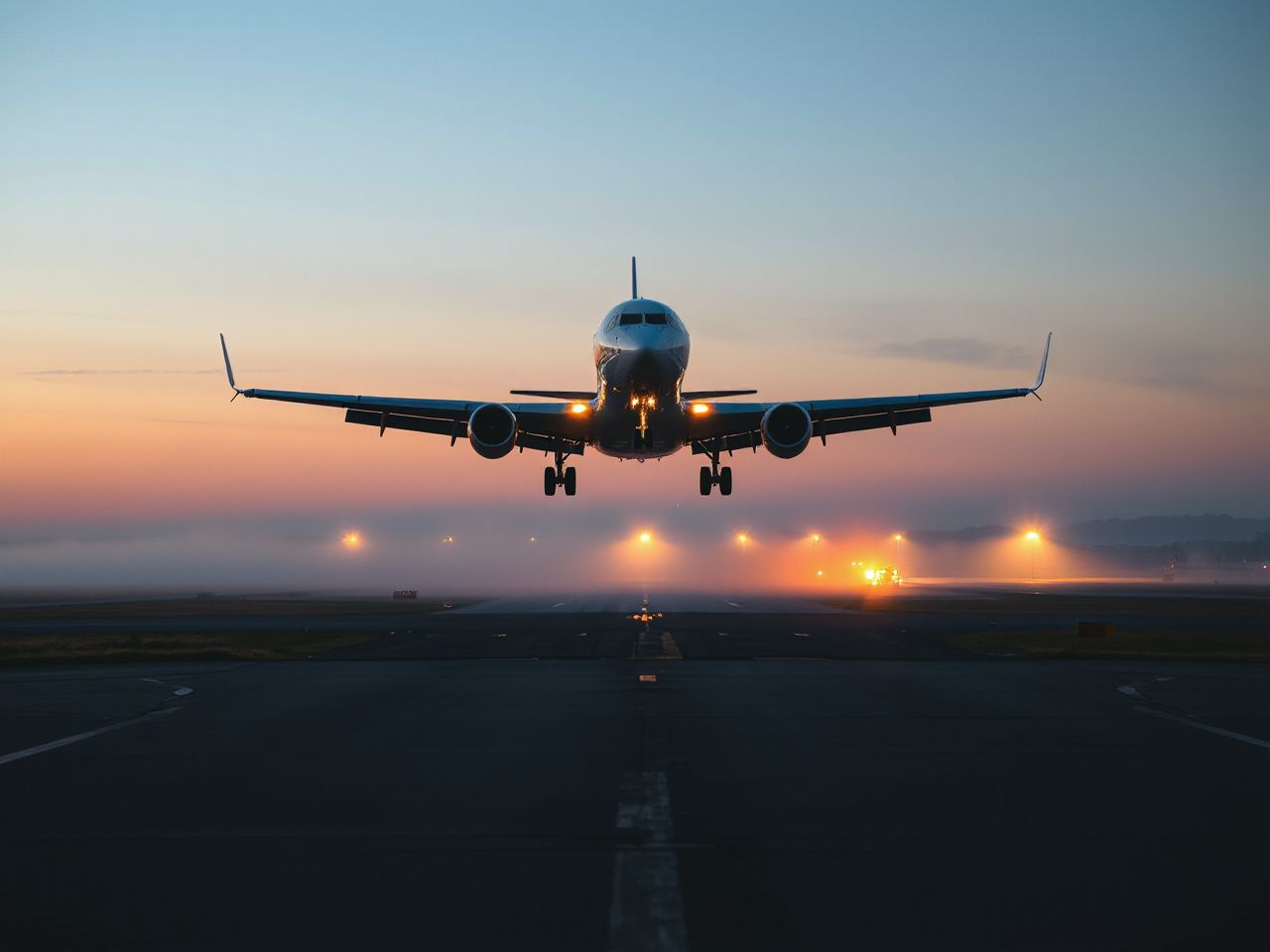
Flying Alone for the First Time: A Stress-Free Guide
Contents
More people are traveling solo than ever before in 2026, and airports have responded with better signage, digital tools, and streamlined security lanes. But stepping into a terminal alone for the first time still carries an edge of uncertainty. Travel of any kind tends to produce its best stories out of the moments where something went wrong, and preparation does not prevent those moments — it simply gives you better options when one shows up. That same philosophy applies directly to flying alone for the first time.
Key Takeaways
- Arrive 2 hours early for domestic flights and 3 hours for international — this buffer covers check-in, security, and unexpected delays.
- Pack your carry-on with one change of clothes, all medications, and a phone charger in case your checked bag gets rerouted.
- Memorize your gate number and boarding time before you leave home — it removes the stress of staring at departure boards.
- Build a contingency plan: know the airline’s rebooking policy and have a backup credit card for emergencies.
Understanding the Airport Flow When You’re Flying Alone
Every airport follows the same basic sequence: check-in, security screening, gate arrival, boarding, flight, and baggage claim. Knowing this flow ahead of time turns an unfamiliar process into a checklist you can execute without thinking.
Pre-Flight Preparation: The Mission Brief
Start by downloading your airline’s app and enabling push notifications. This gives you real-time updates on gate changes and delays. Print or save a screenshot of your boarding pass — phone batteries die at the worst moments.
Pack your carry-on bag using the rule of three: one change of clothes, all essential medications, and your phone charger with a portable battery pack. A Hart Outdoor Weekend First Aid Kit fits perfectly in a carry-on and covers minor medical needs without taking up much space.
Navigating Security Screening
Security is often the most stressful part of flying alone for the first time. Simplify it by wearing slip-on shoes, avoiding belts with large metal buckles, and keeping your liquids bag accessible. Place your phone, wallet, and keys in your jacket pocket before you get in line so you can empty your pockets quickly.
If you’re asked to remove a laptop or tablet, have it near the top of your bag. The entire screening process typically takes 15 to 30 minutes at most U.S. airports during normal hours. TSA PreCheck reduces that to under 5 minutes if you travel frequently.
Managing the Wait at the Gate
Once you clear security, find your gate first — then explore. This reverses the common mistake of wandering past shops and restaurants only to realize you’re at the wrong end of the terminal. Check the departure board at your gate to confirm the flight number and departure time.
Use the waiting time to review your itinerary. Confirm your connecting flight’s gate if you have one. If you’re flying alone for the first time with a layover, note the minimum connection time — usually 45 minutes for domestic and 60 minutes for international.
Boarding and In-Flight Comfort
Boarding groups are announced in order from back to front on most airlines. Listen for your group number or zone letter. Have your boarding pass and ID ready again — you’ll show them at the gate.
Once onboard, stow your larger bag in the overhead bin above your seat and keep a smaller bag with your essentials at your feet. Noise-canceling headphones, a neck pillow, and a bottle of water (bought after security) make the flight more comfortable.
Handling Connecting Flights and Emergencies
Connecting flights add complexity. When you deplane, check the departure screens immediately for your next gate. If your first flight arrived late, don’t panic — airlines often hold connecting flights for a few minutes if they know you’re coming.
If you miss a connection, head straight to the airline’s customer service desk in the terminal. Many airlines rebook passengers automatically through their app, but a face-to-face conversation often resolves issues faster. Know your rights: U.S. carriers typically provide meal vouchers for delays over 3 hours and hotel accommodations for overnight delays caused by the airline.
Emergency Bail-Out Points
Just like on a long motorcycle trip, mark your bail-out points. In an airport, these are the information desks, airline lounges (some offer day passes for around $50), and charging stations. If you feel lost or overwhelmed, go to the nearest information desk — they speak multiple languages and can guide you anywhere in the terminal.
Carry a backup credit card and a small amount of local currency for the country you’re landing in. ATMs inside airports often have high fees, but they’re available if you need emergency cash.
Packing Like a Route Planner
Every item you pack should serve at least two purposes. A buff or bandana works as a face covering, a sweatband, an eye mask, and a small towel. A lightweight jacket doubles as a blanket on cold flights.
Roll your clothes instead of folding them — this saves space and reduces wrinkles. Use packing cubes to separate clean clothes from dirty ones. Keep a duplicate of your itinerary and hotel address in a separate pocket from your phone and wallet.
If you’re looking for a compact medical kit to slide into your carry-on, the Hart Outdoor Weekend First Aid Kit is small enough to fit in a side pocket and includes bandages, antiseptic wipes, and pain relievers.
Mental Preparation: The Solo Mindset
The hardest part of flying alone for the first time isn’t logistics — it’s the quiet minutes between tasks when you feel isolated. Combat this by building small routines. Order a coffee and sit at the gate. Read a chapter of a book. Strike up a brief conversation with a neighbor — most people are happy to chat.
Accept that something will almost certainly not go exactly as planned. A delayed flight, a wrong turn, a lost item — these are not failures. They are the raw material of a good story. When you treat small problems as expected variables rather than disasters, you stay calm and think clearly.
Frequently Asked Questions
What should I do if I miss my flight while flying alone for the first time?
Stay calm and go directly to the airline’s customer service counter in the terminal. Most airlines will rebook you on the next available flight at no charge if you missed the connection due to a delay. If you missed it because you arrived late, you may need to pay a rebooking fee — typically between $75 and $200 for domestic flights.
How early should I arrive at the airport when flying solo?
Arrive 2 hours before a domestic departure and 3 hours before an international one. This gives you enough time to check bags, clear security, and reach your gate without rushing. If you’re flying during peak holiday periods, add another 30 to 60 minutes.
What documents do I need to fly alone?
For domestic flights in the U.S., a valid driver’s license or state ID is sufficient. For international flights, you need a passport valid for at least 6 months beyond your travel dates. Some countries also require a visa — check the U.S. State Department’s website before you book.
Can I bring food through airport security?
Yes, solid foods like sandwiches, fruit, and granola bars are allowed through security. Liquids, gels, and spreads must be in containers of 3.4 ounces (100 ml) or less and fit in a single quart-sized bag. Buy water after security or bring an empty bottle to fill at a water fountain.
What if my checked luggage gets lost?
File a claim immediately at the airline’s baggage service office before leaving the airport. You’ll need your baggage tag receipt and a description of the bag. Most airlines track bags using RFID tags and can locate them within 24 to 48 hours. Keep essentials in your carry-on so you’re not stranded without necessities.