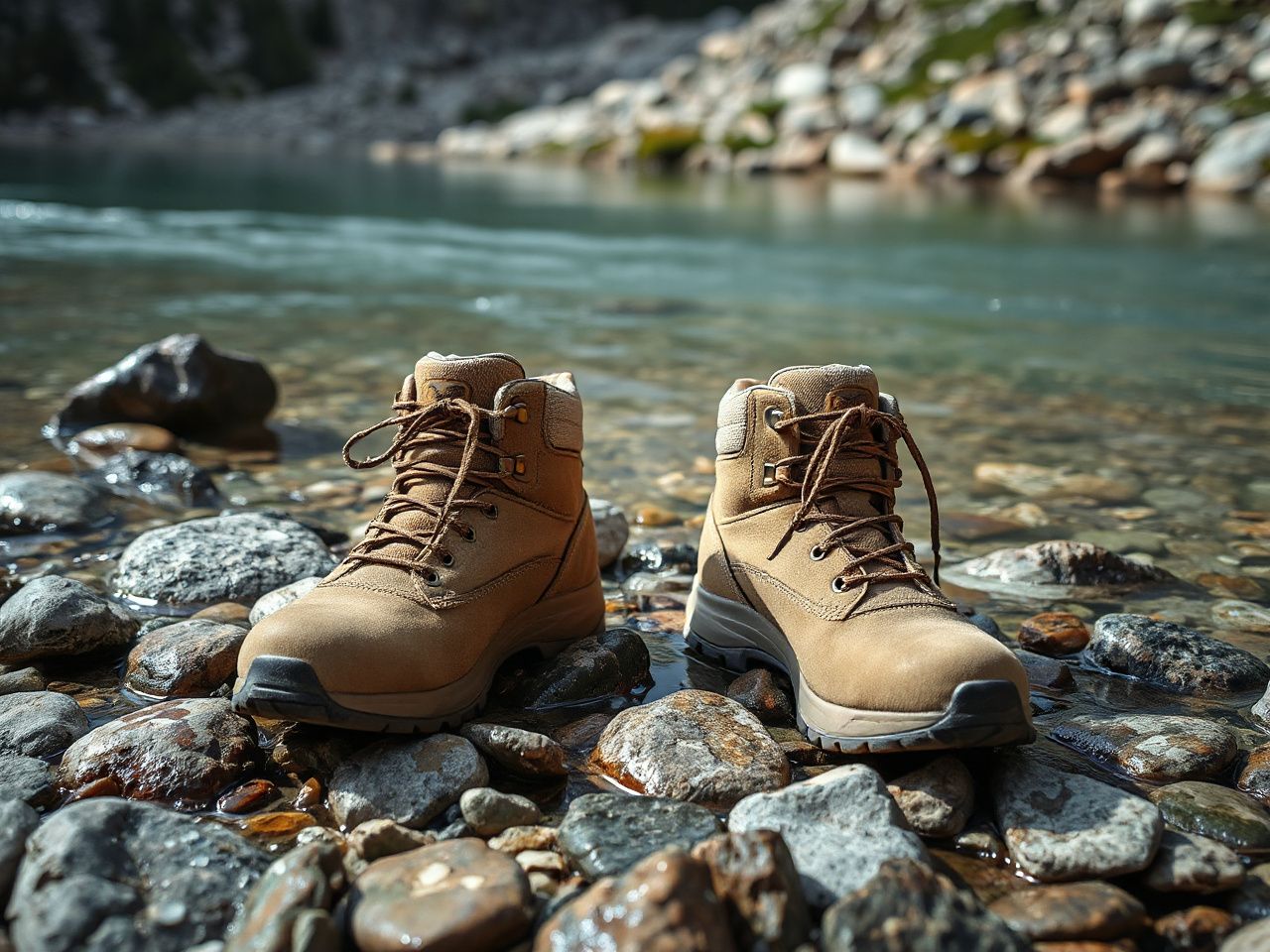
Are Hiking Boots Good in Water? A Complete Guide
Contents
Over the past few years, more riders and outdoor enthusiasts have started asking whether hiking boots can pull double duty in wet conditions. The short answer is: it depends entirely on the construction, the materials, and how you maintain them. Many people assume any boot with a leather upper is automatically waterproof, only to end up with soaked feet halfway through a trip.
My first ‘waterproof’ jacket soaked through completely in a North Carolina downpour after about 45 minutes. I learned the difference between water-resistant and genuinely waterproof membranes the hard way, shivering through three hours of mountain riding. That lesson stuck with me, and it’s why I now put every piece of gear through at least 500 miles of mixed terrain before I trust it near water.
So, are hiking boots good in water? The honest answer is: some are, and some absolutely are not. This guide breaks down exactly what to look for, what to avoid, and how to make your boots last longer in wet conditions.
Key Takeaways
- Not all ‘waterproof’ boots are equal: membrane quality and seam sealing determine real-world performance.
- Proper drying and maintenance after each wet use extends boot life by 2-3 times.
- Boots with full-grain leather and a Gore-Tex liner offer the best water protection for mixed terrain.
What Makes a Hiking Boot Waterproof or Not
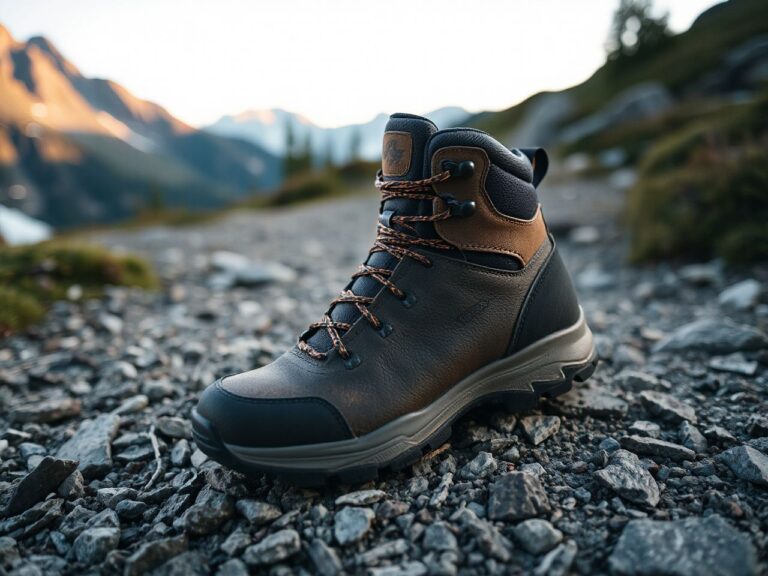
Understanding the difference between water-resistant and waterproof starts with the materials. A boot labeled ‘waterproof’ usually has a membrane layer inside, like Gore-Tex or a similar proprietary film, that blocks liquid water while letting vapor escape. Water-resistant boots rely on surface treatments like DWR (durable water repellent) coatings, which only delay saturation.
Membrane-based boots are designed to keep feet dry for extended periods in rain, while DWR-only boots tend to wet through more quickly. This difference can be critical when you’re miles from shelter.
The Role of Leather and Seams
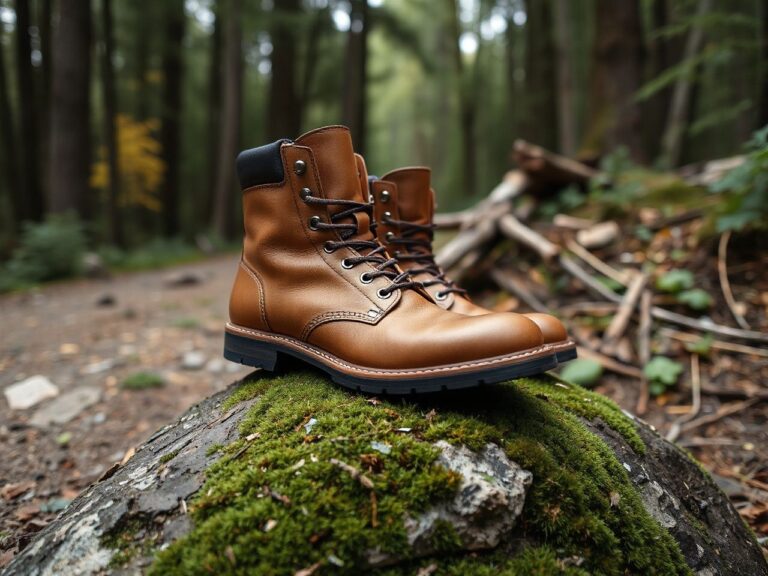
Full-grain leather is naturally more water-resistant than nubuck or split leather because the grain layer is denser and less porous. But even the best leather needs sealed seams. If the stitching isn’t taped or glued internally, water will find its way in through those needle holes. I once had a pair of otherwise excellent boots fail completely after a 3-mile hike through wet grass simply because the seams weren’t sealed.
Seam-sealed boots use a thin waterproof tape over every stitch line inside the boot. This is non-negotiable for any boot you plan to use in wet conditions. Look for boots that explicitly state ‘fully taped seams’ or ‘seam-sealed construction’ in their specs.
Membrane Quality and Breathability
Gore-Tex is the gold standard for a reason. It’s a microporous membrane with roughly 9 billion pores per square inch. Each pore is about 20,000 times smaller than a water droplet but 700 times larger than a water vapor molecule, so sweat can escape while rain stays out. Cheaper membranes often have larger pores or uneven coatings, leading to either water ingress or poor breathability.
Boots with Gore-Tex liners provide better dryness on the inside during prolonged exposure to moderate rain compared to boots with generic waterproof membranes. Breathability matters because trapped moisture from sweat can make your feet feel just as wet as if the boot leaked.

Common Scenarios Where Hiking Boots Fail in Water
Even well-made boots have limits. Understanding these failure points helps you plan ahead and avoid surprises.
Over-the-Ankle Submersion
Most hiking boots are designed to handle rain, puddles, and shallow creek crossings up to about 4-5 inches deep. Once water reaches the top of the ankle collar, it can pour in over the top. Even with a waterproof membrane, the boot’s opening is the weak point. I’ve crossed streams where the water was just 6 inches deep, and within seconds, my socks were soaked because I didn’t tighten the laces enough to seal the collar.
Solution: Use a gaitor or wear pants that cinch over the boot collar. For deeper crossings, take the boots off and wade barefoot, then dry your feet before putting the boots back on.
Prolonged Exposure Without Drying
Boots left wet for more than 24 hours start to degrade. The leather can become waterlogged, the membrane can delaminate, and the footbed can develop mold. Boots that were fine after a single wet day can fall apart after a week of continuous rain if they are not dried properly.
Solution: After any wet use, remove the insoles and stuff the boots with newspaper or a boot dryer set to low heat. Never use high heat or place them directly on a radiator, as that can crack the leather and melt the glue.
Worn-Out DWR Coating
The factory-applied DWR coating on the outer fabric or leather wears off after about 20-30 hours of use in abrasive conditions like gravel or sand. Once the coating is gone, the outer material can soak up water, making the boot heavier and reducing the membrane’s effectiveness because the outer layer stays saturated.
Solution: Reapply a DWR spray specifically designed for your boot’s material. For leather boots, use a wax-based conditioner. For fabric boots, use a spray-on DWR. Reapply every 3-4 months or after any heavy cleaning.
How to Properly Care for Hiking Boots Used in Water
Maintenance is what separates boots that last 5 years from boots that fail in 18 months. Here’s my routine after every wet ride or hike.
Step 1: Remove Insoles and Laces Immediately
As soon as you’re done, take out the insoles and loosen the laces all the way. This lets air circulate inside the boot and prevents the footbed from staying damp against the insole. Insoles can develop black mold within 3 days when left inside wet boots.
Step 2: Rinse Off Mud and Dirt
Use a garden hose on low pressure or a damp cloth to wipe off any mud, sand, or salt. These particles can abrade the leather and clog the membrane pores if left to dry. For salt stains from winter roads, mix a 50/50 solution of white vinegar and water, apply with a soft cloth, then rinse.
Step 3: Dry at Room Temperature
Stuff the boots with crumpled newspaper or a microfiber towel. Change the newspaper every 4-6 hours until the boots are completely dry inside. This usually takes 12-24 hours depending on humidity. Never use a hair dryer or space heater, as the heat can shrink the leather and damage the waterproof membrane.
Step 4: Condition Leather and Reapply DWR
Once dry, apply a leather conditioner to full-grain or nubuck boots. For fabric boots, use a spray-on DWR. Let the conditioner soak in for 15 minutes, then buff off excess. This restores natural oils and keeps the leather flexible. I do this after every 3-4 wet uses.
When Hiking Boots Are Not the Right Choice for Water
There are situations where even the best hiking boots aren’t the right tool. Knowing these limits saves you money and frustration.
Deep Water Crossings or River Fording
If you regularly cross water deeper than 6 inches, consider neoprene wading boots or dedicated water shoes. Hiking boots are not designed for submersion. The membrane can handle splashes and shallow puddles, but full submersion creates enough pressure to force water through the seams and collar.
Hot, Humid Environments With Frequent Rain
In tropical climates where it rains every afternoon, waterproof boots can trap heat and sweat, leading to fungal infections and blisters. In those conditions, a quick-drying trail runner with a mesh upper and a waterproof sock liner might work better. This setup is often recommended for comfort in such environments.
Saltwater Environments
Saltwater is brutal on boot materials. The salt crystals can corrode metal eyelets, dry out leather, and degrade the membrane. If you must wear hiking boots near the ocean, rinse them thoroughly with fresh water immediately after exposure and condition the leather within 24 hours.
Frequently Asked Questions
Can I use waterproof hiking boots for motorcycle riding?
Yes, but with caveats. Hiking boots lack the ankle protection, shifter reinforcement, and slip-resistant soles of dedicated motorcycle boots. For short, low-speed rides on dry pavement, they can work. For highway speeds or wet roads, invest in boots rated for motorcycle use. The soles can also be too flexible for motorcycle footpegs, leading to fatigue.
How long do waterproof hiking boots last before they leak?
With proper care, a quality pair with a Gore-Tex membrane can last 2-3 years of regular weekend use before the membrane starts to degrade. Boots with cheaper membranes often fail within 12-18 months. The leather or fabric outer layer usually outlasts the membrane, so you may notice leaking before the boot looks worn out.
Are waterproof hiking boots hotter than non-waterproof ones?
Yes, typically. The membrane that blocks water also reduces breathability compared to a mesh or unlined boot. Expect a temperature increase of about 5-10°F inside the boot. In summer, this can lead to sweaty feet. Many riders switch to non-waterproof boots for hot, dry conditions and use waterproof ones only when rain is expected.
Can I repair a leaking waterproof boot?
Sometimes. If the leak is from a seam, a cobbler can reseal it with waterproof tape. If the membrane itself is torn or delaminated, repair is usually not cost-effective. Small pinholes in the outer fabric can be patched with a gear repair kit, but the membrane inside is often the weak point. Most boots are not designed for membrane replacement.
What is the best way to test if my boots are still waterproof?
Fill the boot with dry newspaper, then submerge it in a bucket of water up to the ankle collar for 5 minutes. Remove the boot and check the newspaper for damp spots. This test shows exactly where the leak is. Alternatively, use a garden sprayer to mist the outside while wearing the boots and feel for moisture inside. Do this test every 6 months.