The Complete Guide To Warm Shirts For Men
Contents
Consider a stretch of highway through Montana in late October. The sky can be clear leaving Billings and still turn by the high plains near the Wyoming border, where the temperature drops 20 degrees and the wind cuts through a jacket as though it were not there. The ground climbs, nothing out there breaks the wind, and a riding jacket built as an abrasion shell carries almost no insulation of its own. The moments that make the best stories are almost always the ones where something went wrong, and preparation does not prevent them — it just gives you better options when one shows up. On a ride like that, a good warm shirt under the riding jacket is the difference between pushing through to the next town and pulling over to shiver under a highway sign.
When you’re looking for warm shirts for men, especially for riding or traveling, the goal isn’t just to pile on layers. It’s about finding pieces that work with your body’s natural temperature regulation, that breathe when you’re active and trap heat when you’re stopped. Certain principles hold true for performance gear regardless of whether you are in desert nights or mountain passes.
Key Takeaways
- The best warm shirts for men balance insulation with moisture management — cotton kills in cold weather because it holds sweat against your skin.
- Layering is more effective than any single thick garment; a good baselayer plus a midlayer shirt gives you flexibility for changing conditions.
- Fabric choice matters more than brand: merino wool, synthetic blends, and certain fleece weights outperform traditional flannel for active warmth.
Why Fabric Choice Determines Real Warmth
Warmth isn’t just about thickness. It’s about how the fabric traps air and moves moisture. A shirt that feels thick but doesn’t breathe will leave you damp and cold within an hour of moderate activity. Fabric is the key factor when evaluating warm shirts for men.
Merino Wool: The Gold Standard for Travel
Merino wool insulates even when wet, resists odors for days, and regulates temperature better than synthetics. A 150-200 gram weight merino shirt works as a baselayer under a jacket, or on its own in mild cold down to about 50°F. For temperatures below freezing, a 250 gram merino crew is suitable as a midlayer.
The downside is cost and durability. Merino is pricier than synthetic, and it can develop holes with heavy wear. But for the rider who values comfort over a season, it’s worth the investment.
Synthetic Blends: Affordable and Fast-Drying
Polyester and nylon blends are the workhorses of outdoor gear. They dry quickly, pack small, and cost less than wool. A good synthetic shirt with a brushed interior can match merino for warmth at half the price. The trade-off is odor retention — synthetics hold bacteria smell after a few days of wear.
For long trips where laundry is scarce, I prefer merino. But for day rides or shorter tours, synthetic warm shirts for men are perfectly adequate.
Cotton Flannel: The Romantic Choice
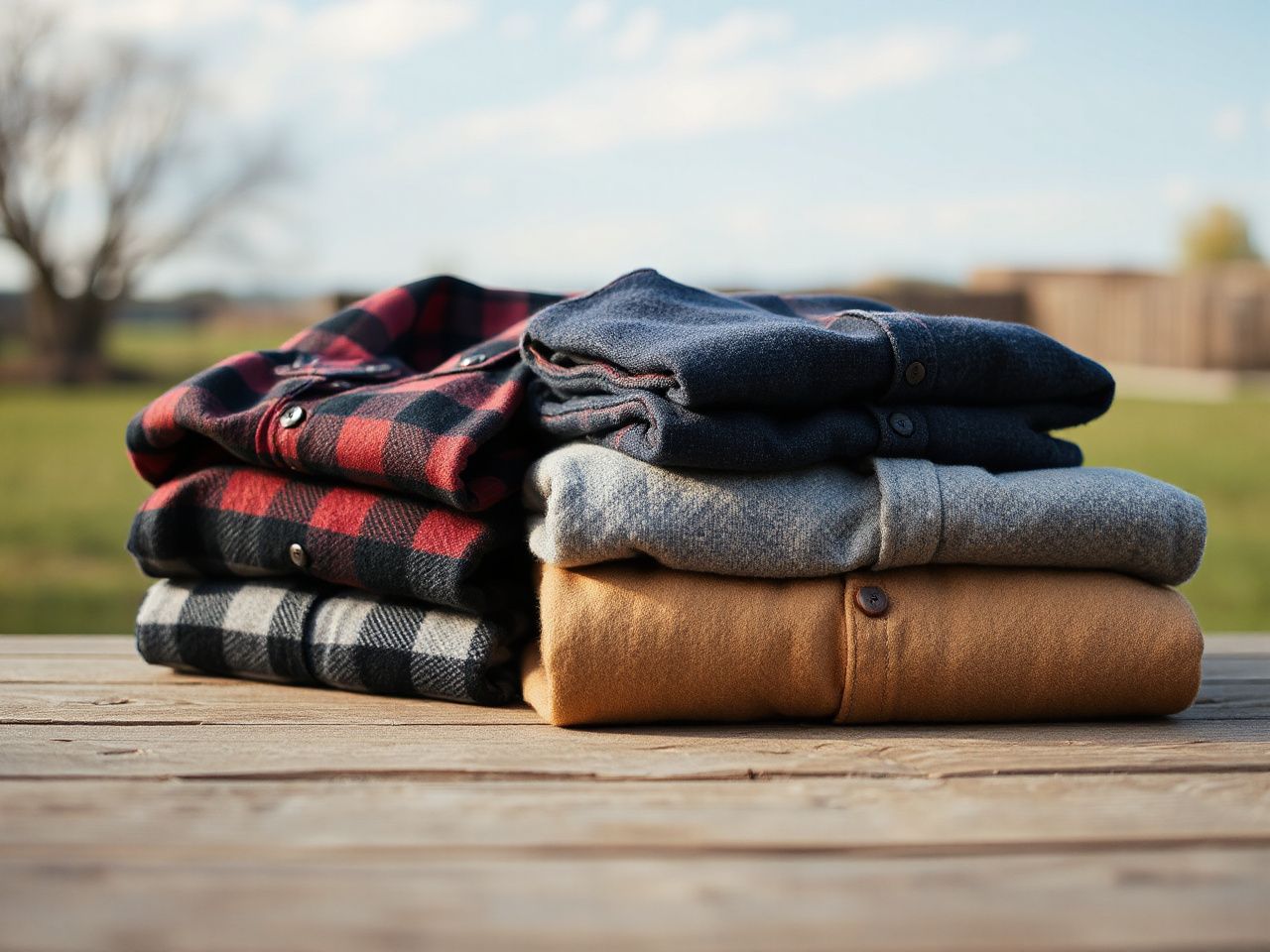
I love a good flannel shirt. It looks right, feels comfortable, and has a place in casual wear. But for active warmth, cotton is a poor insulator. When cotton gets wet — from sweat or rain — it loses all insulating ability and takes forever to dry. On a motorcycle, where wind chill can drop effective temperature by 30 degrees, a wet cotton shirt is dangerous.
If you wear flannel, treat it as a fashion layer over a proper baselayer. Never rely on it for warmth on the road.
Layering Strategy for Motorcycle Travel
Layering isn’t just about piling on clothes. It’s a system that works with your body’s heat output and the environment. For cold-weather riding, I use three layers: a baselayer, a midlayer, and an outer shell. The warm shirt is the midlayer — the piece that provides insulation while allowing moisture to pass through.
Baselayer: The Foundation
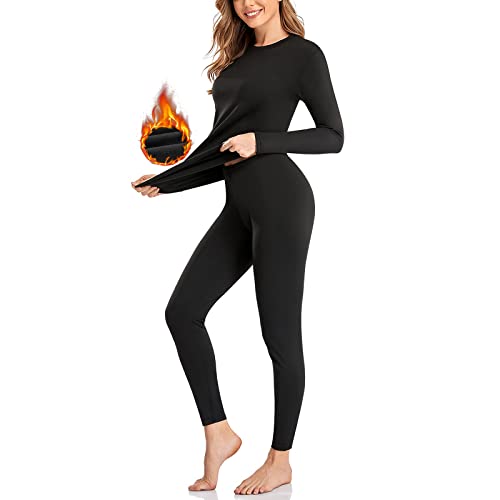
Start with a thin, moisture-wicking shirt. Merino or synthetic, 100-150 grams. This layer sits against your skin and moves sweat away. A good baselayer keeps you dry, which is the first step to staying warm.
Never use cotton as a baselayer. It absorbs moisture and holds it against your skin, accelerating heat loss. Cotton is known to cause riders to shiver through a 50-degree day if worn as a baselayer under a jacket.
Midlayer: The Warm Shirt
This is where your warm shirt comes in. It traps a layer of air between you and the outer shell. For temperatures between 40°F and 60°F, a 200-250 gram merino wool shirt or a fleece midlayer works well. For colder conditions, consider a heavier fleece or a shirt with a windproof membrane.
The fit matters. Your midlayer should be snug enough to trap air but loose enough to allow movement. If it’s too tight, it compresses the air layer and reduces insulation. If it’s too loose, cold air circulates inside.
Outer Shell: Wind and Water Protection
The shell’s job is to stop wind and water from reaching your midlayer. Without a shell, even the best warm shirt is useless in a 60 mph wind. A riding jacket with a windproof liner is essential for cold-weather motorcycling.
If you’re riding off-road or in variable weather, look for a shell that vents. Pit zips or chest vents let you dump heat when you’re working hard, preventing sweat buildup that can chill you later.
Choosing Warm Shirts for Different Riding Conditions
Not all cold is the same. A damp, 40°F day in the Pacific Northwest feels different from a dry, 30°F day in Colorado. Your shirt choice should match the conditions you actually ride in.
Wet Cold: Coastal and Rainy Climates
In wet cold, moisture management is critical. Merino wool is ideal because it insulates when damp. Synthetic fleece also works, but avoid anything with a cotton outer layer. Look for shirts labeled as water-resistant or with a DWR finish.
A thin synthetic shirt can be carried as a spare on coastal rides. If a merino layer gets soaked, changing into a dry layer at a stop is advisable.
Dry Cold: Mountain and Desert Riding
Dry cold is easier to manage because sweat evaporates quickly. A heavier merino shirt or a fleece midlayer works well. The challenge is wind — at high altitudes, wind can be relentless. A windproof shell over your warm shirt is essential.
For desert rides where temperatures swing from freezing at dawn to warm by midday, a midlayer that vents is helpful. Zip-neck shirts let you cool down without removing your jacket.
Variable Conditions: All-Day Rides
For rides that start cold and warm up, or that pass through different climates, layering flexibility is key. A merino baselayer combined with a lightweight fleece shirt allows removal of the fleece when it warms up, which can then be stuffed in a saddlebag. The merino works on its own up to about 60°F.
A shirt with a full zip is more versatile than a pullover. You can open it to dump heat without taking off your jacket.
Caring for Warm Shirts on the Road
Traveling by motorcycle means limited space for gear. You need shirts that pack small, dry quickly, and resist odors. Here’s how to care for them on a long trip.
Washing and Drying
Merino wool can be hand-washed in a sink with mild soap. Roll it in a towel to remove excess water, then hang it to dry. Synthetic shirts can be machine-washed on cold, but avoid fabric softener — it clogs the fibers and reduces breathability.
On the road, washing a warm shirt every 3-4 days is recommended. Carrying a small bottle of biodegradable camp soap for hand washing is better for the environment and doesn’t leave residue.
Packing and Storage
Roll your shirts instead of folding them. Rolling saves space and reduces wrinkles. Store them in a dry bag or compression sack to keep them clean and dry.
If you’re riding through rain, keep a change of clothes in a waterproof bag. There’s nothing worse than reaching camp and finding your warm shirt is soaked.
Environmental Considerations for the Moto Traveler
As a rider who cares about the places I visit, I think about the environmental impact of my gear. Synthetic shirts shed microplastics when washed. Merino wool is renewable and biodegradable, but it requires land and water to produce.
Merino is chosen for its longevity and low wash frequency. A good merino shirt can last years if cared for properly, which reduces waste. When washing synthetics, using a Guppyfriend bag helps catch microfibers.
Leaving a place better than you found it applies to gear choices too. By investing in quality warm shirts for men that last, you reduce the environmental cost of constant replacement.
Frequently Asked Questions
What is the warmest type of shirt for men for cold weather?
For extreme cold, a thick merino wool shirt (250 grams or higher) combined with a windproof shell is the warmest option. Merino insulates even when damp and regulates body temperature better than synthetics. For sub-freezing conditions, add a synthetic baselayer underneath for maximum warmth.
Can I wear a warm shirt as a standalone piece without a jacket?
Yes, but only in mild cold. A 200 gram merino shirt works on its own down to about 50°F if you’re active. Below that, you need a shell to block wind. Without wind protection, even the best warm shirt loses effectiveness as wind chill increases.
How do I choose the right size for a warm shirt for layering?
Choose your normal size for a baselayer, but go up one size for a midlayer. You need room for air to trap and for movement. A shirt that’s too tight compresses the insulation and restricts range of motion on the bike.
Are flannel shirts good for motorcycle riding?
Flannel shirts are fine for casual wear, but not ideal for riding. Cotton flannel loses insulation when wet and takes too long to dry. If you wear flannel, pair it with a moisture-wicking baselayer and never rely on it as your primary warmth layer in cold or wet conditions.
How often should I wash a merino wool shirt?
Merino wool resists odors, so you can wear it 3-5 times between washes. Over-washing damages the fibers. When you do wash it, use cold water and mild soap, and avoid the dryer. Air drying preserves the fabric’s insulation properties.