Free Camping in Virginia: The Complete Guide
Contents
More campers are ditching crowded, pricey RV parks and discovering the freedom of sleeping on public land for zero dollars. Virginia has quietly become one of the best states in the mid-Atlantic for this kind of travel, offering hundreds of miles of national forest roads, wildlife management areas, and remote trailhead campsites that cost nothing to use. The trips that make the best stories are almost always the ones where something went wrong, and that is an argument for preparation rather than against it. Preparation doesn’t prevent adventure — it just gives you better options when it shows up. That’s exactly the mindset you need for free camping in Virginia, where the difference between a great night and a miserable one often comes down to knowing the rules ahead of time.
Key Takeaways
- Dispersed camping is allowed on most George Washington & Jefferson National Forest land for free, with no permit needed for up to 14 days.
- Wildlife Management Areas (WMAs) offer primitive campsites at no cost, but require a valid Virginia hunting or fishing license to access.
- Free camping is strictly prohibited in state parks, but nearby national forest land often provides an alternative.
- Pack out all trash, follow Leave No Trace principles, and check local fire bans before lighting any campfire.
Understanding Public Land Rules for Free Camping in Virginia
Virginia doesn’t have the vast BLM acreage you’d find out West, but it compensates with over 1.6 million acres of national forest land spread across the western part of the state. The George Washington & Jefferson National Forests are the primary playground for anyone looking to camp without paying.
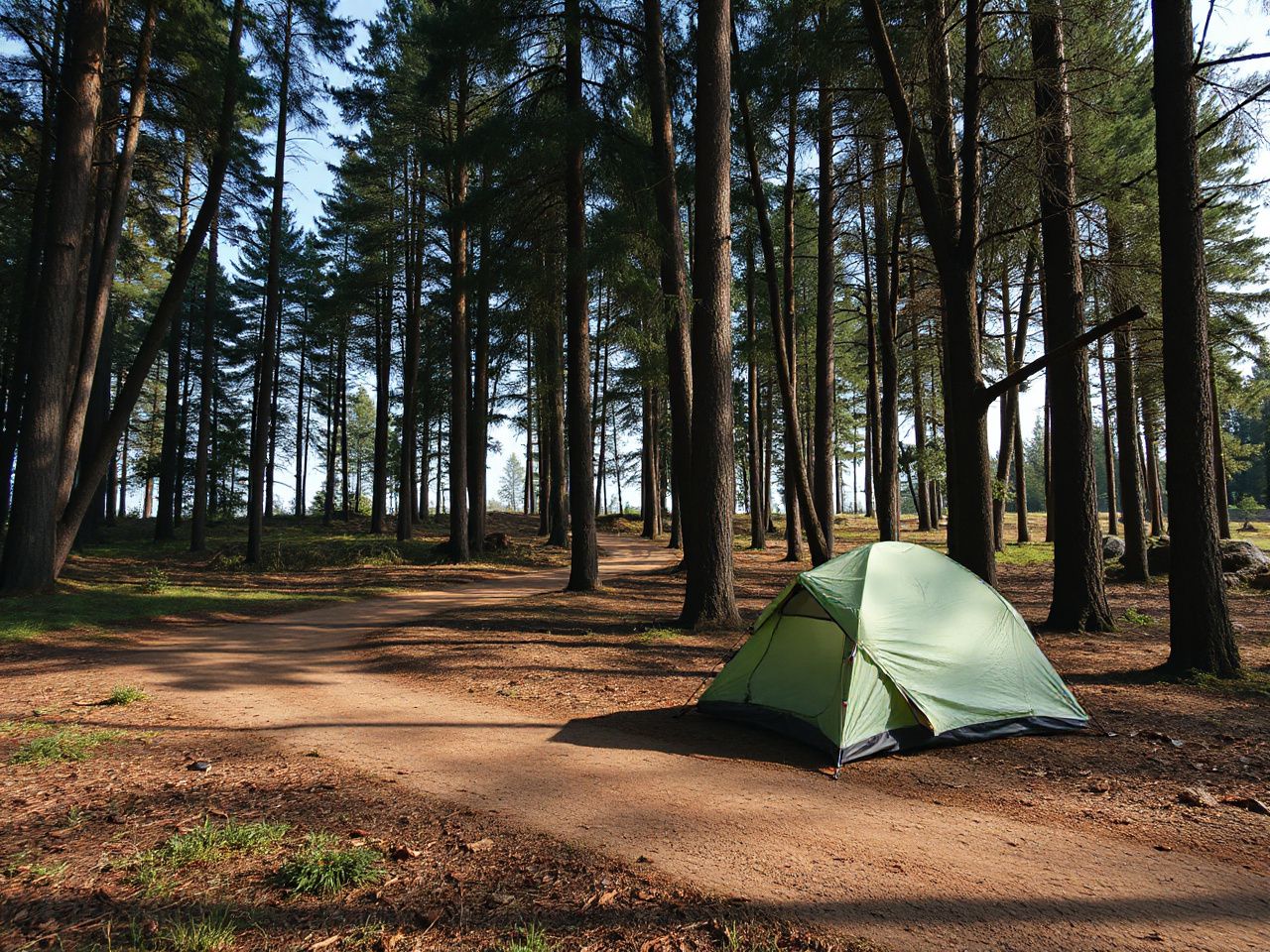
Dispersed camping — meaning camping outside of designated campgrounds — is allowed on national forest land as long as you follow a few basic rules. You must stay at least 100 feet from any water source, including streams and lakes. You also need to keep your vehicle on existing roads or designated pull-offs; forging new paths damages the ecosystem and can get you fined.
Where You Can Legally Camp for Free
The largest contiguous area for free camping is the George Washington & Jefferson National Forests, which covers roughly 400 miles from the West Virginia border down to the Tennessee line. Within this forest, you can camp anywhere that isn’t specifically marked as closed. That includes most forest service roads, trailheads, and undeveloped areas.
Another option is the Virginia Wildlife Management Areas (WMAs). These are managed by the Department of Wildlife Resources and offer primitive camping at no charge. The catch: you need a valid Virginia hunting or fishing license to legally stay overnight. A basic freshwater fishing license costs about $23 for residents and gives you access to dozens of WMAs with free camping.
Places You Cannot Camp for Free
Virginia’s state parks do not allow free camping. Every overnight stay requires a paid reservation at a designated campsite or cabin. The same goes for national forest developed campgrounds, which have fees ranging from $10 to $30 per night. These are clearly marked and often have potable water and flush toilets, but they’re not free.
Also off-limits are National Parks like Shenandoah. Backcountry camping in Shenandoah requires a free permit obtained in person at a park visitor center, and you must stay in designated backcountry zones. It’s not the same as pulling over on a forest road and setting up for the night.
How to Find Dispersed Campsites on National Forest Land
Finding a good spot requires a different approach than booking a campground. You can’t just punch coordinates into Google Maps and expect a perfect site to appear. The best method is to use the USDA Forest Service website or the FreeRoam app, which aggregates user-reported campsites across public lands.
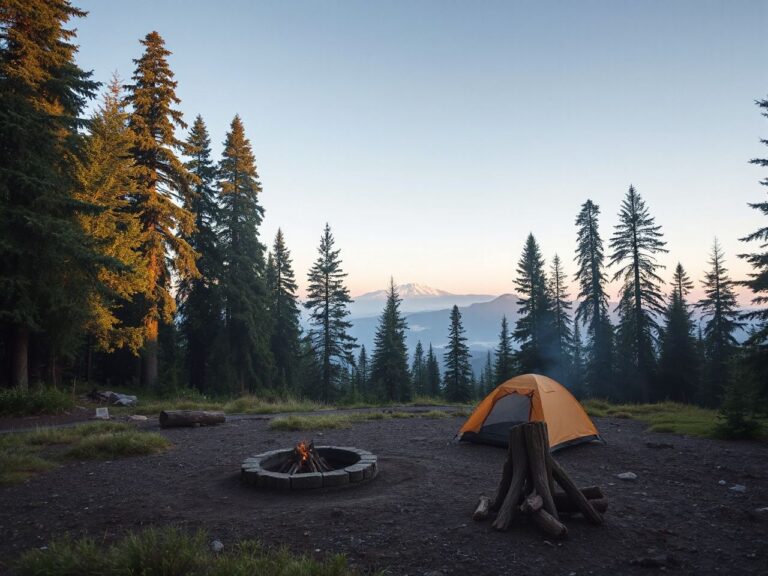
Start by identifying a forest service road that runs along a creek or river. Water access makes for a better camp, but remember the 100-foot setback rule. Look for existing fire rings — these indicate previous use and are the most reliable sign of a legal, established site. If you see no fire ring, you’re likely in a spot that hasn’t been used before, which might mean it’s too close to a road or trail.
Recommended Roads for Dispersed Camping
- Forest Road 151 near Little Alleghany River — Several pull-offs with fire rings, suitable for cars and small trailers. No amenities.
- Forest Road 222 (Clifton Forge area) — Steep but scenic, with flat spots at lower elevations. Best for tent camping.
- Forest Road 35 (Mount Rogers area) — High elevation, cooler temperatures, and fewer crowds. Good for summer escapes from the heat.
- Forest Road 14 (Pounding Mill area) — Accessible by most vehicles, with multiple dispersed sites along the creek.
Each of these roads is maintained by the forest service, but conditions vary. After heavy rain, some roads become impassable for low-clearance vehicles. If you’re on a motorcycle, stick to gravel roads rated for passenger cars. If you’re in a truck or SUV, you can push deeper into the forest.
Essential Gear for Free Camping in Virginia
When you camp for free, you trade amenities for solitude. That means you need to bring everything you need to survive comfortably. Virginia’s weather is unpredictable — you can have a 75°F afternoon and a 40°F night in the same day, especially in the mountains.
Shelter and Sleep System
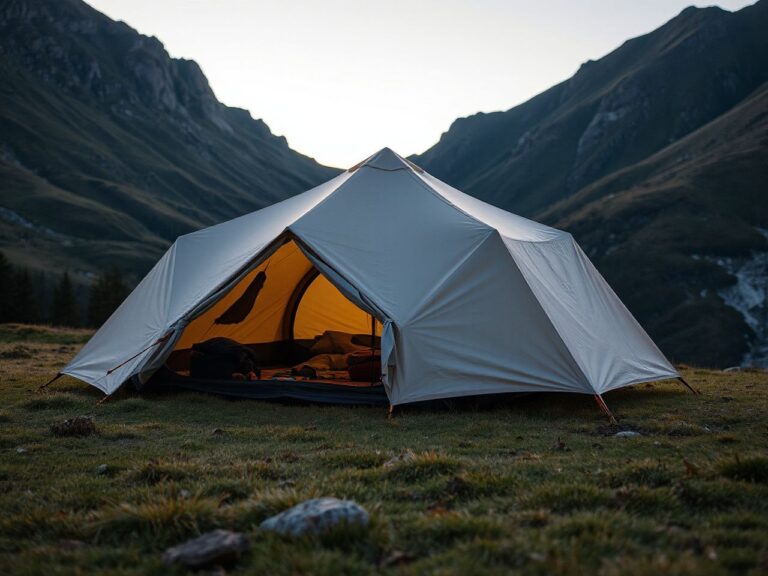
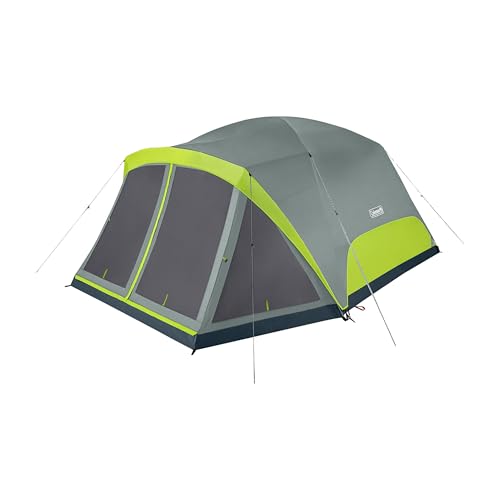
A three-season tent is sufficient for most of the year, but if you’re camping between October and April, bring a four-season or a three-season tent with a robust rainfly. Temperatures in the high country can drop below freezing even in early May. A sleeping bag rated to 20°F gives you a margin of safety. Pair it with an insulated sleeping pad — ground temperatures drain heat fast, and a pad with an R-value of at least 4.0 makes the difference between a good night and a shivering one.
Water and Sanitation
There are no spigots in dispersed campsites. You need to carry all your water or have a way to treat what you find. A Katadyn BeFree or Sawyer Squeeze filter works well for streams and rivers. If you’re camping in an area with livestock or beaver activity, boil your water for at least one minute after filtering to kill giardia and cryptosporidium.
For human waste, bring a portable trowel and bury solid waste at least 6 inches deep and 200 feet from water and campsites. Pack out all toilet paper in a sealed bag. This is not optional — it’s the law on national forest land.
Fire Safety
Campfires are allowed in dispersed campsites unless a burn ban is in effect. Virginia typically issues burn bans during drought conditions, which are most common in late summer and early fall. Check the Virginia Department of Forestry website before you go. When fires are allowed, use existing fire rings and keep the fire small. Never leave it unattended, and douse it completely before leaving or sleeping.
Seasonal Considerations for Free Camping in Virginia
Virginia’s camping season runs from April through November for most people, but with the right gear, you can camp year-round. Each season presents different challenges and opportunities.
Spring (March to May)
Spring is wet. Expect rain on 40–50% of days in the mountains. Trails get muddy, and forest roads can be slick. The advantage is lower crowds and blooming wildflowers. Water sources are abundant, so you won’t need to carry as much. Temperatures range from 40–70°F, so pack layers and a good rain jacket.
Summer (June to August)
Summer brings the highest visitation and the hottest temperatures. In the valleys, daytime highs can hit 95°F with high humidity. Head to higher elevations like Mount Rogers or the Blue Ridge Parkway corridor, where temperatures stay 10–15°F cooler. Thunderstorms are common in the afternoon, so set up camp early and secure your shelter before the rain hits.
Fall (September to November)
Fall is the prime season for free camping in Virginia. The weather is mild, the bugs are gone, and the foliage is spectacular. Peak leaf colors hit the mountains in mid-October. This is also the busiest time, so arrive early in the day to claim a dispersed site. Temperatures range from 30–70°F, so prepare for cold nights even if the day is warm.
Winter (December to February)
Winter camping is for the committed. Many forest roads are closed or impassable due to snow and ice. Those that remain open often have snowpack that requires a high-clearance 4WD vehicle. Temperatures regularly drop below 20°F at night. The reward is absolute solitude — you might not see another person for days. Bring a stove for melting snow into drinking water, and use a four-season tent with a sturdy snow stake system.
Free Camping Options Beyond National Forests
While national forests are the main draw, Virginia offers other free camping opportunities that many travelers overlook.
Blue Ridge Parkway Corridor
The Blue Ridge Parkway itself does not allow camping along the roadside, but the adjacent national forest land does. Many pull-offs and overlooks on the parkway provide access to forest service roads that lead to dispersed sites. The parkway is a paved, scenic route that connects Shenandoah National Park to the Great Smoky Mountains, and it’s a popular route for motorcycle and bicycle travelers. Be aware that the parkway has a speed limit of 45 mph and some sections close in winter due to ice.
Appalachian Trail (AT) Shelters
The Appalachian Trail runs through Virginia for about 550 miles. While the trail itself is not a camping destination, you can use the three-sided shelters located every 8–15 miles for free on a first-come, first-served basis. These are primitive shelters with a wooden floor and a roof, but no walls on one side. They fill up quickly in peak season, and you must hang your food in a bear bag or canister. This is a good option for thru-hikers or section hikers, but not ideal for car campers.
Boat-in and Hike-in Sites on U.S. Army Corps of Engineers Land
The U.S. Army Corps of Engineers manages several reservoirs in Virginia, including Kerr Reservoir (Buggs Island Lake) and John H. Kerr Reservoir. Some of these areas have free primitive campsites accessible only by boat or on foot. These sites rarely fill up and offer a truly remote experience. Check with the local Corps office for specific locations and any seasonal closures.
Etiquette and Safety for Free Camping
Camping for free comes with responsibilities. The privilege of using public land depends on everyone following the same basic rules.
Leave No Trace Principles
- Plan ahead and prepare: Know the weather, bring the right gear, and have a backup plan if your chosen site is occupied.
- Travel and camp on durable surfaces: Use existing sites and fire rings. Don’t create new ones.
- Dispose of waste properly: Pack out all trash, food scraps, and toilet paper. Leave the site cleaner than you found it.
- Leave what you find: Don’t cut down trees, dig trenches, or move rocks. Natural features should stay natural.
- Minimize campfire impacts: Use a camp stove for cooking when possible. Keep fires small and use existing fire rings.
- Respect wildlife: Store food in a bear bag or hard-sided container. Don’t feed animals.
- Be considerate of other visitors: Keep noise down, especially at night. Yield to hikers on trails.
Safety Tips
Tell someone your itinerary. Cell service is unreliable in the mountains, so carry a paper map and a compass. Know how to use them. Carry a first-aid kit and know basic wilderness medicine. If you’re camping alone, consider carrying a personal locator beacon like a Garmin inReach or Spot Gen 4 for emergencies.
Wildlife encounters are rare but possible. Black bears are present in all national forests in Virginia. Store all food, toiletries, and trash in a bear bag hung at least 10 feet off the ground and 4 feet from the trunk of a tree. Alternatively, use a bear canister. Never store food inside your tent.
Frequently Asked Questions
Is free camping in Virginia legal?
Yes, on most national forest land and on Wildlife Management Areas with a valid license. Dispersed camping is allowed for up to 14 days at a single site. You cannot camp for free in state parks, national parks, or developed campgrounds. Always check local regulations before setting up camp.
Do I need a permit for free camping in Virginia?
No permit is required for dispersed camping on national forest land. For Wildlife Management Areas, you need a valid Virginia hunting or fishing license. Backcountry camping in Shenandoah National Park requires a free permit available at park visitor centers. No other permits are needed for free camping in the state.
What is the best time of year for free camping in Virginia?
Late September through October offers the best combination of mild temperatures, low bug activity, and stunning fall foliage. Spring is also good but wetter. Summer is hot and crowded in the valleys, but higher elevations remain comfortable. Winter is for experienced cold-weather campers only, with many roads closed.